
Best First Aid Kits for Home: A First Time Buyer's Guide for 2026
Disclosure: We may earn a commission when you buy through links on this page, at no extra cost to you. As an Amazon Associate I earn from qualifying purchases. Learn more

A first time buyer guide to home first aid kits: contents, OSHA and ANSI labels, prices, setup and restocking tips.
Most homes have a few bandages scattered in a drawer, but a real first aid kit puts everything you need for cuts, burns, sprains and splinters in one place you can grab in seconds. If you are buying one for the first time, piece counts, OSHA and ANSI labels and hard versus soft cases can make every listing look alike. This guide to the best first aid kits for home explains what those terms mean and how to pick a kit that matches your household.
We start with the basics, explain each spec in plain English, list the mistakes first time buyers make and walk through setting up a new kit. A first aid kit is for minor injuries and for buying time in an emergency. For serious bleeding, chest pain, trouble breathing, severe burns, head injuries or anything that feels life threatening, call 911 right away. A first aid and CPR class from the American Red Cross or a local hospital makes any kit far more useful.




First Aid Kits 101: The Basics
A home first aid kit is an organized set of supplies for treating everyday injuries. Most kits include adhesive bandages in several sizes, gauze pads and rolls, medical tape, antiseptic wipes, antibiotic ointment, gloves, tweezers, scissors, an elastic wrap and an instant cold pack. Some add burn gel, eye wash, a CPR face shield, a thermal blanket or over the counter medicines.
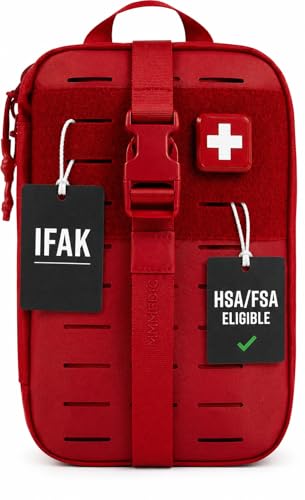
A few terms show up on almost every listing. Piece count is the total number of individual items, which sounds impressive but often counts each small bandage separately. OSHA compliant and ANSI Class A or B labels mean a kit meets workplace guidelines for a minimum set of supplies; Class B kits carry more and larger items than Class A. Person ratings, such as a 10 person or 100 person kit, describe how many people the supplies are meant to cover in a workplace. IFAK, or individual first aid kit, describes compact trauma style kits built for outdoor or tactical use.
For most homes, the goal is simple: enough of the right supplies, organized so anyone in the family can find them under stress.
How to Choose the Best First Aid Kits for Home: Key Specs in Plain English
Six factors decide whether a kit fits your household: who will use it, what is inside, price, safety standards, ease of use and support.
Intended Use and Who It's For
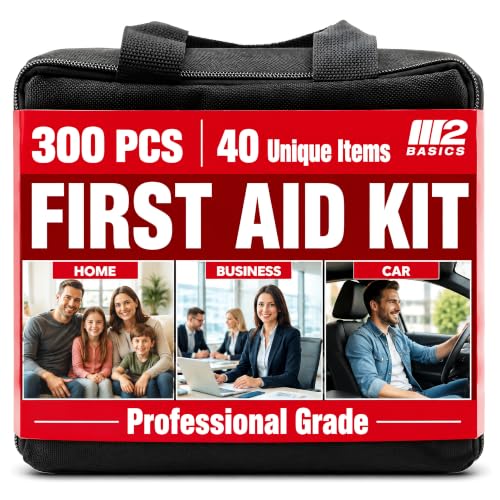
Start with where the kit will live and who it serves. A family home benefits from a large, well organized kit kept in a central spot, like M2 Basics' 300 piece kit, around $28, or Swiss Safe's 348 piece hard case, around $28, which includes a bonus 32 piece mini kit for a car or bag.
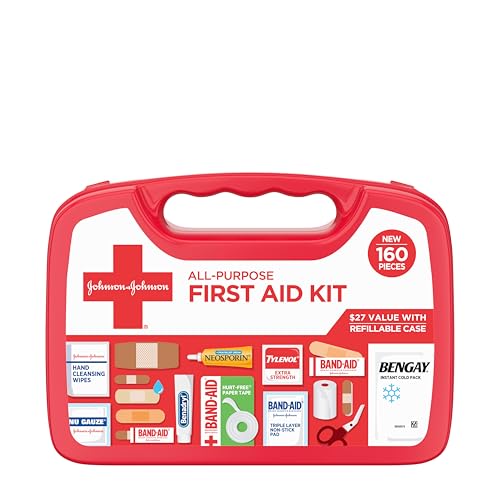
Apartments, dorms and small households can start with a compact kit like BAND-AID Brand's 160 piece kit, around $18. Homes that also run a home office, workshop or small business may want a wall mountable OSHA compliant kit, like 24/7 First Aid's 100 person kit or Be Smart Get Prepared's 326 piece kit. Families who camp, hunt or live in storm prone areas can add an outdoor kit like EVERLIT's 250 piece survival kit.
Key Performance Specs
The most important spec is what the kit actually contains, not the piece count. Check for a range of bandage sizes, gauze pads and rolls, tape, gloves, antiseptic wipes, antibiotic ointment, burn treatment, an elastic wrap, an instant cold pack, tweezers and scissors.
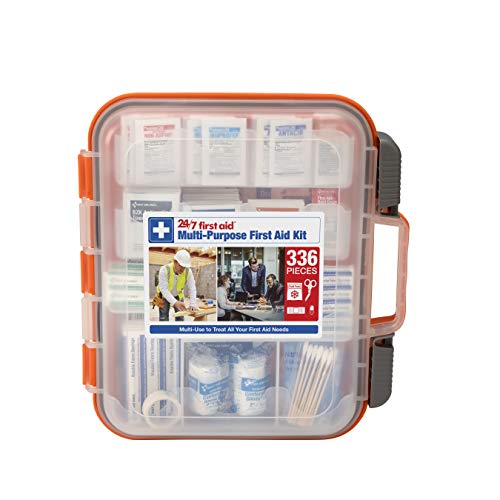
BAND-AID Brand's kit includes cleansing wipes, gauze pads and rolled gauze, paper tape, NEOSPORIN antibiotic cream, BENADRYL itch cream, TYLENOL caplets and a BENGAY cold pack, with bandages not made with natural rubber latex. M2 Basics lists 40 item types, including gloves, tweezers, scissors and elastic wraps. 24/7 First Aid lists burn cream packets, BZK antiseptic towelettes and fabric and plastic bandages. For most homes, look for at least 30 distinct item types and plenty of mid sized bandages and gauze.
Price vs Value
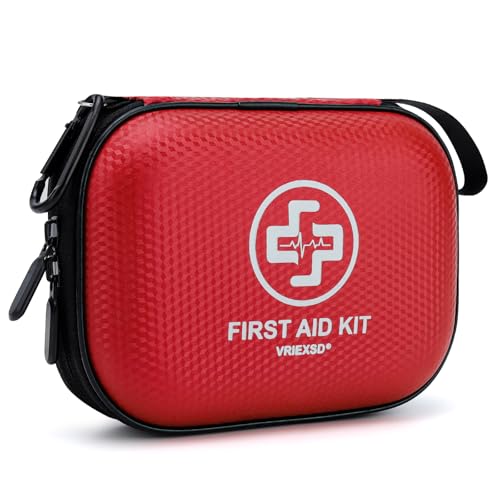
Compact kits cost around $10 to $18, including Vriexsd's 150 piece mini kit around $10 and BAND-AID Brand's 160 piece kit around $18. Full family kits cost around $25 to $40, such as ProHeal's 10 person OSHA kit around $25, Swiss Safe's 348 piece kit and M2 Basics' 300 piece kit around $28, First Aid Only's 335 piece OSHA kit around $37, 24/7 First Aid's 336 piece kit around $38 and Be Smart Get Prepared's 326 piece kit around $40. Outdoor and trauma style kits, like EVERLIT's at around $40 and THRIAID's at around $50, add survival or bleeding control gear. Compare item types and refill costs rather than raw piece counts.
Safety and Certifications
OSHA and ANSI labels are not required for home kits, but they are a useful checklist. Be Smart Get Prepared says its kit meets or exceeds OSHA and ANSI guidelines for 100 people, ProHeal's kit is labeled ANSI Class A, Type III and latex free, and First Aid Only and 24/7 First Aid market OSHA compliant kits.
Latex free gloves and bandages matter if anyone in your home has a latex allergy. Check expiration dates on ointments, wipes and medicines when the kit arrives. Advanced items like tourniquets, chest seals and Israeli style bandages, found in THRIAID's and Vriexsd's kits, work best in trained hands, so consider a Stop the Bleed class if you buy one.
Ease of Use and Setup
Organization matters as much as contents. Hard cases with clear compartments, like 24/7 First Aid's case with a clear cover and easy slide latches, let you see supplies at a glance. Be Smart Get Prepared uses two layers with tilting shelves and wall mount capability.
Soft bags, like M2 Basics' fabric case with internal compartments, are lighter and fit under a sink or in a closet. Swiss Safe's dual front and back opening makes items easier to reach. Vriexsd's compact case measures 6.4 by 4.9 by 2.7 inches and weighs 0.73 pounds, good for a car or diaper bag.
Warranty and Customer Support
First aid kits rarely carry warranties, but support still matters. Be Smart Get Prepared includes a refill order form, which simplifies restocking. Established brands like BAND-AID, First Aid Only and 24/7 First Aid sell refill packs and individual supplies. Many kits are FSA and HSA eligible, including Swiss Safe's, which can lower your cost if you have a health spending account.
Rookie Mistakes to Avoid
- Buying by piece count alone. A 300 piece kit full of tiny bandages may lack gauze, tape or a cold pack. Compare item types instead.
- Hiding the kit. A kit buried in a garage bin is useless in an emergency. Store it where every adult and older child can find it.
- Ignoring expiration dates. Ointments, wipes and medicines expire. Check dates twice a year.
- Forgetting personal medications. Generic kits do not include prescriptions, allergy auto injectors or children's medicines. Add what your family needs, and follow label dosing or your doctor's advice.
- Buying advanced gear without training. Tourniquets and chest seals can save lives but must be used correctly. Take a class before relying on them.
Getting Started: Setup and First Use
When the kit arrives, open it and lay out every item. Learn what each one does, check expiration dates and toss anything damaged. Read the included guide or first aid manual, and add a printed sheet with emergency numbers, Poison Control at 1-800-222-1222, your doctor's number and any family allergies or medical conditions.
Customize the kit for your household. Add any prescription medications, children's pain relievers in the correct strength, an oral thermometer, extra gauze and larger bandages, and a pair of trauma shears if they are missing.
Store the main kit in a cool, dry central spot like a hall closet or kitchen cabinet, out of reach of small children but easy for adults to grab. Keep a smaller kit, like Swiss Safe's bonus mini kit or BAND-AID Brand's compact case, in the car. Show everyone in the family where the kits are kept.
Building a Home Kit for Your Family
Different households need different extras. Families with babies and toddlers should add a nasal aspirator, infant thermometer, saline drops and age appropriate fever reducers recommended by their pediatrician. Homes with older adults may want blood pressure supplies, extra elastic wraps and a list of current medications. Households with pets can add a small pet first aid kit with gauze, self adhesive wrap and the number for a pet poison hotline.
Active families who hike, play sports or work on DIY projects should keep extra blister care, elastic wraps, instant cold packs and eye wash on hand. If you live in an area prone to storms or power outages, pair your first aid kit with emergency supplies like a flashlight, a battery or crank radio and a few days of water and food, and consider a larger kit like EVERLIT's that includes a thermal blanket and survival tools.
Frequently Asked Questions
Are expensive first aid kits worth it?
More expensive kits are worth it when they add better organization, larger quantities or specialized supplies you actually need. A $38 to $40 OSHA style kit like 24/7 First Aid's or Be Smart Get Prepared's suits large families and home businesses. For a small apartment, a well stocked compact kit like BAND-AID Brand's covers everyday cuts and scrapes.
What features matter most when buying first aid kits?
A wide range of item types, clear organization and a durable case matter most. Look for bandages in many sizes, gauze, tape, gloves, antiseptic, burn treatment, a cold pack and basic tools. Latex free supplies, a refill plan and a size that fits your storage space are useful extras.
How do I maintain a first aid kit?
Check the kit every 6 months and restock after every use. Replace expired ointments, wipes and medicines, replenish used bandages and gauze and make sure scissors and tweezers are clean. A simple checklist taped inside the lid makes restocking quick. Mark the date of each check on the list.
How long does a first aid kit last?
The case can last for years, but some supplies expire within 1 to 3 years. Bandages and gauze last a long time if kept dry, while ointments, antiseptic wipes, burn gels and medicines have printed expiration dates. Instant cold packs can also lose effectiveness. Replace items individually instead of buying a new kit.
How much should I spend on a first aid kit?
Most households should spend around $25 to $40 for a main home kit. That covers full family kits from M2 Basics, Swiss Safe, First Aid Only, 24/7 First Aid and Be Smart Get Prepared. Add a compact kit around $10 to $18 for the car or diaper bag.
Where should I keep a first aid kit at home?
Keep it in a central, easy to reach spot, not in a humid bathroom. A hall closet or kitchen cabinet works well. Heat and moisture can damage supplies, so avoid storing kits near showers or in hot garages, and keep medicines out of reach of children.
Wrapping Up
When choosing a home first aid kit, focus on three things: a wide range of useful supplies, organization that anyone can follow under stress and a plan for checking and restocking. M2 Basics and Swiss Safe suit most families, BAND-AID Brand's compact kit suits small homes and cars, 24/7 First Aid and Be Smart Get Prepared suit large households and home businesses, and EVERLIT suits families who also want outdoor readiness. The best first aid kits for home are the ones you keep stocked, know how to use and can find in seconds.
For more home safety guides, see the best emergency preparedness supplies, the best smoke and carbon monoxide detector, the best emergency radios and the best rechargeable flashlight. Then compare current prices in the product table above.


