
Best Emergency Radios: What Actually Matters Before You Buy
Disclosure: We may earn a commission when you buy through links on this page, at no extra cost to you. As an Amazon Associate I earn from qualifying purchases. Learn more

A severe weather warning rarely waits for a convenient moment. The power goes out, your phone battery is dropping fast, and you realize the only radio in the house has not been touched since it was pulled out of a drawer years ago. Picking one of the best emergency radios ahead of time means you are not scrambling to figure out which channels it receives or whether the batteries still work once a storm is already overhead. In this guide, you will learn what NOAA alert coverage actually means, how battery, crank, and solar power really perform, which extra features are worth having, and how to judge reception and durability before you buy.
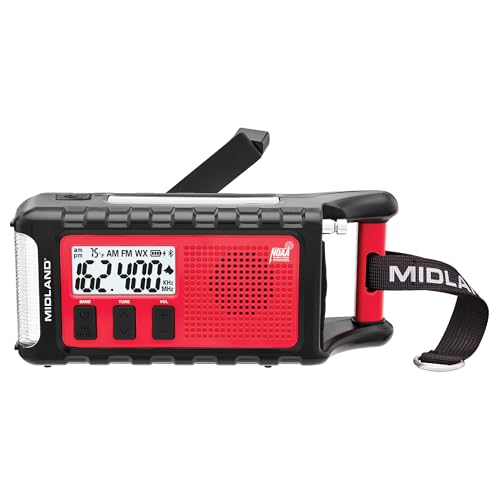
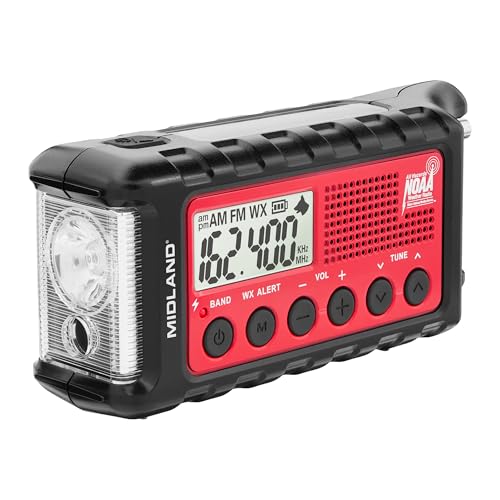
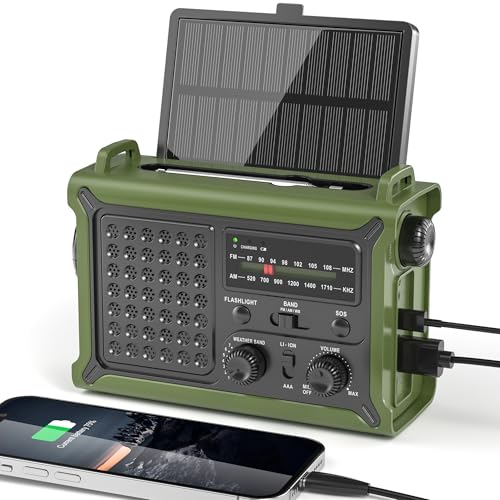
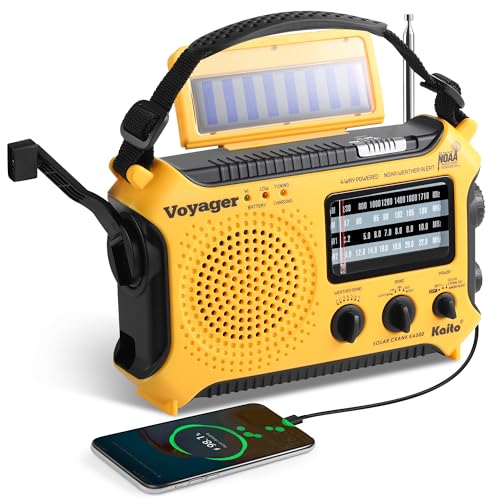
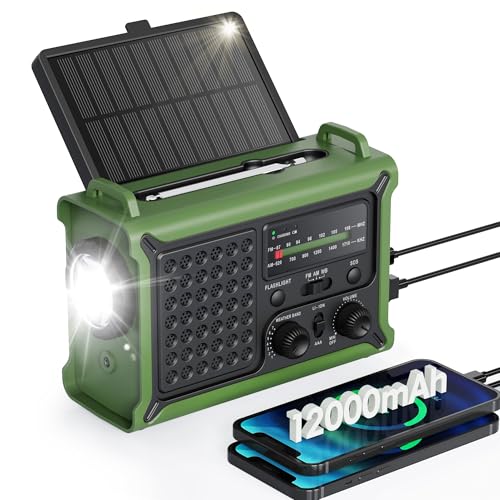
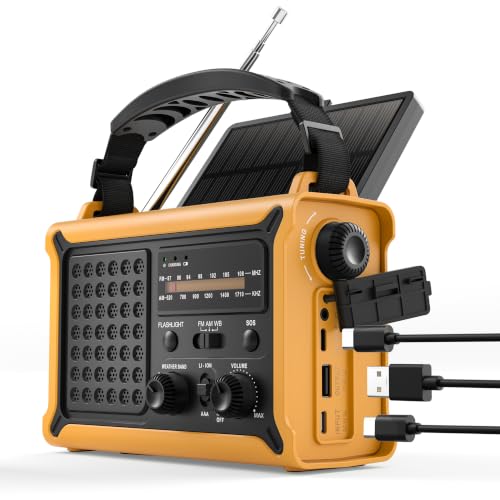
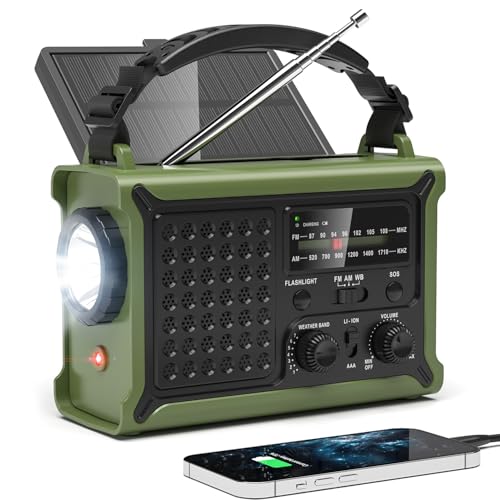
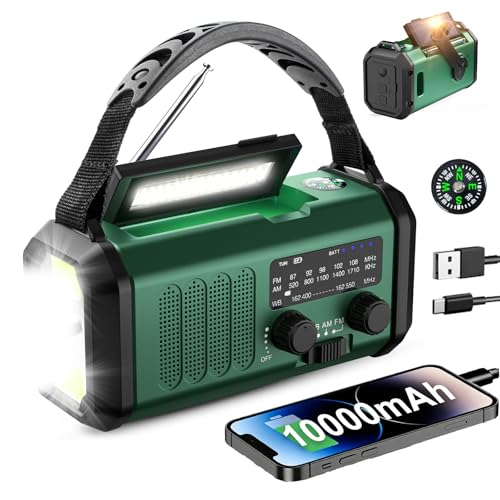
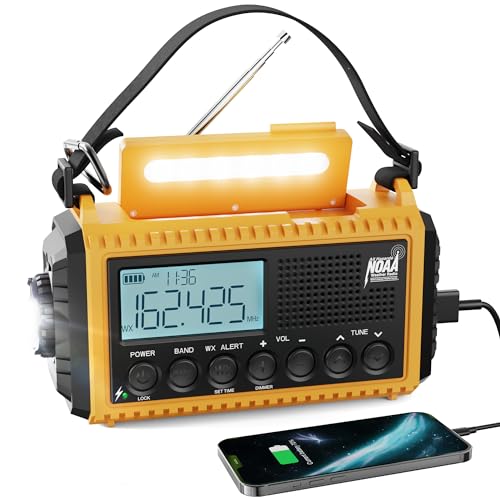
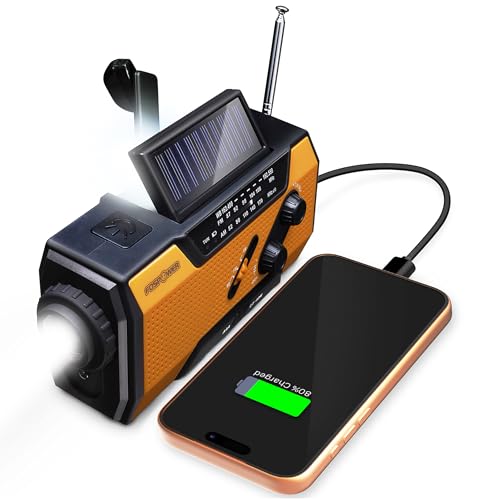
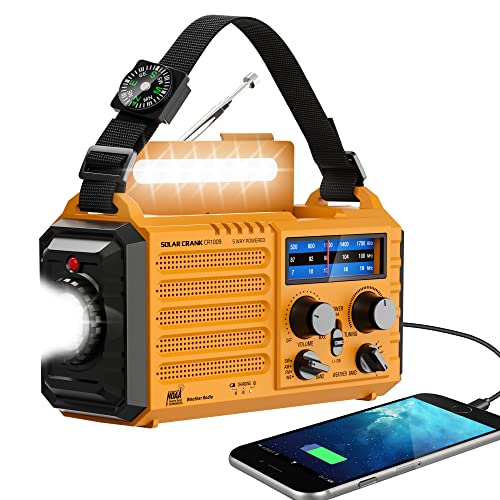
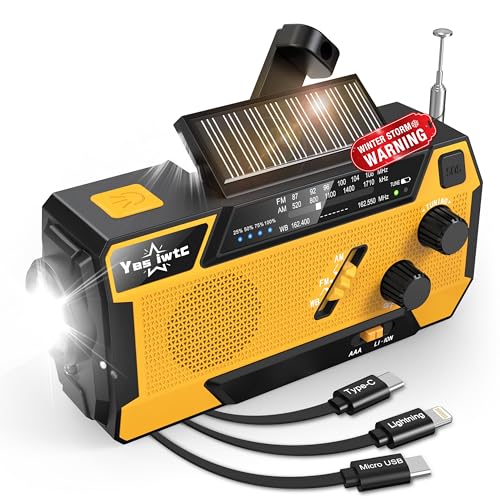
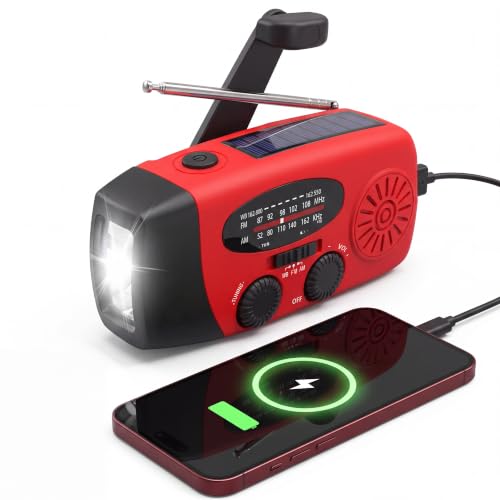
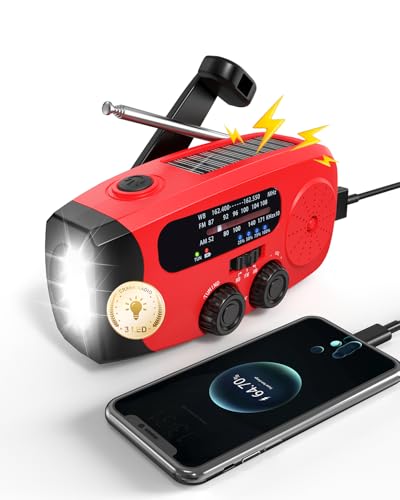
NOAA Weather Alerts and County-Specific Warnings
The single most important thing an emergency radio does is deliver accurate, timely weather alerts, so this is where evaluation should start. A radio that only picks up regular AM and FM stations is not built for this job, no matter how good its sound quality is.
Why All 7 NOAA Weather Channels Matter
NOAA Weather Radio broadcasts on seven dedicated frequencies between 162.400 and 162.550 MHz, and coverage varies by region, so a radio needs to scan all seven to reliably lock onto the strongest local signal. Some budget models advertise a vague "weather band" without actually tuning the full range, which can mean weaker reception or missed alerts depending on where you live. Before buying, confirm the listing specifically mentions all 7 NOAA channels rather than a generic weather band claim.
What SAME County Alerting Actually Does
Specific Area Message Encoding, usually shortened to SAME, lets a radio filter alerts down to the specific counties you choose instead of sounding an alarm for every warning broadcast across a wide region. Without SAME, a radio may blare an alert for a storm several counties away, and after enough false alarms, people start ignoring the radio entirely. A radio with SAME programming only activates for warnings that actually apply to your area, which makes the alert far more likely to get your attention when it matters. This is the feature that separates the best emergency radios from a generic AM/FM set that happens to include a weather band.
What Battery, Crank, and Solar Power Actually Deliver
Multiple power sources sound reassuring on a spec sheet, but each one behaves very differently in practice, and setting realistic expectations now avoids disappointment during an actual outage.
Internal Battery Life and Why It Fades Over Time
Most emergency radios rely on an internal rechargeable battery as the primary power source, and like any rechargeable battery, it gradually loses capacity, typically noticeable after two to three years of normal use. This decline happens slowly rather than all at once, so a radio that worked fine last season may run out faster than expected without any obvious warning sign. Testing the radio periodically, not just once at purchase, is the only way to catch this before you actually need it.
Hand Crank Power Is a Backup, Not a Main Source
Hand cranking generates power directly through physical effort, and it is genuinely useful when every other option has failed, but it should never be treated as a primary charging method. A minute or two of steady cranking typically buys a modest amount of radio runtime, and sustaining that effort for extended listening gets tiring fast. Think of the crank as a way to get enough power for a short weather update or an emergency call, not as a replacement for a charged battery.
Realistic Expectations for Solar Charging
A built-in solar panel is a genuinely useful backup, especially during a multi-day outage, but it charges slowly. An hour of direct, strong sunlight often produces only enough stored power for ten to twenty minutes of radio use, so solar works best as a way to slowly top off a battery over the course of a day rather than a quick recharge option. If you are relying on solar as your main plan, keep the radio somewhere it gets consistent direct light and check on its charge level regularly. For a household planning around a longer outage, a portable generator can cover far more than just a radio and is worth considering alongside it.
Phone Charging, Lights, and Alarm Features Worth Having
Beyond the core radio and alert functions, a few extra features consistently show up as genuinely useful rather than gimmicky additions.
USB Output Strong Enough to Actually Charge a Phone
Many emergency radios include a USB output, but the actual current they deliver varies widely, and a weak output can trickle-charge a phone so slowly it barely keeps pace with normal battery drain. Look for a stated output current rather than just the presence of a USB port, since that number is a better indicator of whether the radio can meaningfully charge a phone during an outage. If phone charging is a priority during longer outages, pairing the radio with one of the best portable chargers gives you a dedicated power bank instead of relying on the radio's limited internal battery.
Flashlight, Reading Light, and SOS Alarm
A built-in flashlight is one of the most frequently used features on these radios, often more than the radio function itself during a nighttime outage. A separate, softer reading or area light is a nice addition for setting up a room without draining the brighter flashlight beam. A loud SOS alarm function can also help signal for help or locate people in low visibility, similar in purpose to a dedicated survival whistle for situations where sound carries better than light.
Reception and Durability When You Actually Need It
Specs on a box only tell part of the story. How a radio actually performs indoors and holds up to rough handling matters just as much.
Indoor and Basement Reception
Reception weakens indoors, and it weakens further in a basement or interior room, which is exactly where people tend to shelter during severe weather. An extendable antenna generally improves reception more than a fixed short one, and placing the radio near a window when possible helps as well. If you plan to use the radio primarily in a below-ground shelter space, prioritize models with reviews specifically mentioning solid indoor or basement performance.
Water Resistance for Grab-and-Go Storage
An emergency radio often sits in a bag or bin for months at a time and then gets grabbed in a hurry during flooding, heavy rain, or general chaos. A water-resistant or IP-rated housing protects against splashes and light exposure, which matters more than it might seem when the radio is being used outside during active bad weather. It does not need to be fully waterproof for most households, but basic resistance to moisture is worth checking for.
Frequently Asked Questions
What is a SAME code on an emergency radio and why does it matter?
SAME, or Specific Area Message Encoding, lets you program a radio to alert only for warnings in your chosen counties instead of every warning broadcast across a wider region. This cuts down on false alarms and makes it far more likely you will actually pay attention when the radio does sound.
Do all emergency radios receive NOAA weather alerts automatically?
Not automatically in every case. Many models require you to select a NOAA channel or enable an alert mode, and only radios with SAME programming can filter those alerts down to your specific area. Check the manual or listing to confirm how alerts are activated on a given model.
How long will a hand crank radio run after cranking?
It varies by model, but a short cranking session typically provides a modest amount of runtime, enough for a brief weather update rather than extended listening. Hand cranking works best as a backup boost, not as your main power plan.
How long does it take to charge an emergency radio with solar power?
Solar charging is slow. An hour of strong, direct sunlight often produces only about ten to twenty minutes of usable radio time, so it works best as a gradual top-off over a full day rather than a fast recharge.
Can an emergency radio charge a phone during a power outage?
Many models include a USB output for this, but the amount of current they deliver varies a lot between models. Check the stated output current before assuming a radio can keep a phone reliably charged during a longer outage.
How long do emergency radio batteries typically last?
Internal rechargeable batteries generally hold up well for around two to three years of normal use before their capacity noticeably declines. The fade happens gradually, so periodic testing helps you catch reduced performance before an actual emergency.
Do emergency radios work well inside a basement or storm shelter?
Reception is typically weaker indoors and weaker still below ground, which is a real limitation given that basements are a common shelter spot. Extending the antenna fully and positioning the radio near a window or upper floor when possible helps improve signal strength.
Putting Together a Radio That Won't Let You Down
The most reliable choice among the best emergency radios is the one that covers all 7 NOAA channels, supports SAME county alerting, and gives you realistic backup power through battery, crank, and solar rather than relying on any single source. Extra features like a strong flashlight and a genuinely useful USB output round out a solid pick, but they should not come at the expense of core alert reliability. Test whatever radio you choose before you actually need it, not during the storm.