
Best Garden Rakes: A Buying Guide for Every Yard Task
Disclosure: We may earn a commission when you buy through links on this page, at no extra cost to you. As an Amazon Associate I earn from qualifying purchases. Learn more

<p>Garden rakes are an essential tool for any gardener, whether you’re a professional or a hobbyist.</p> <p>They are used to maintain and prepare garden beds, remove debris, level soil, and much more. </p> <p>With so many garden rakes available, choosing the right one for your needs can be overwhelming.</p> <p>In this article, we'll explore the different types of garden rakes, their uses, and how to choose the right one for your garden.</p>
If your shed already has a rake in it but you still end up fighting leaves, thatch, or clumpy soil every weekend, chances are it's the wrong tool for the job. Not every rake is built the same way, and picking one without thinking about tine material, head width, or handle length usually means more effort for less result. This guide walks through what actually separates a good rake from a frustrating one, so you can choose from the best garden rakes for your yard with a lot more confidence. You'll learn how the different types compare, which tine materials hold up best, how to size the handle to your height, and how to keep whatever you buy working well for years.
Match the Rake to the Job: Leaf, Bow, and Thatch Rakes Explained
Most homeowners assume one rake can handle every yard task, but garden rakes actually split into a few distinct categories, and each one is built for a different kind of work. Picking the right category first is the biggest factor in finding the best garden rakes for your own yard, since it narrows everything else down before you even look at materials.
Leaf Rakes for Clearing Debris
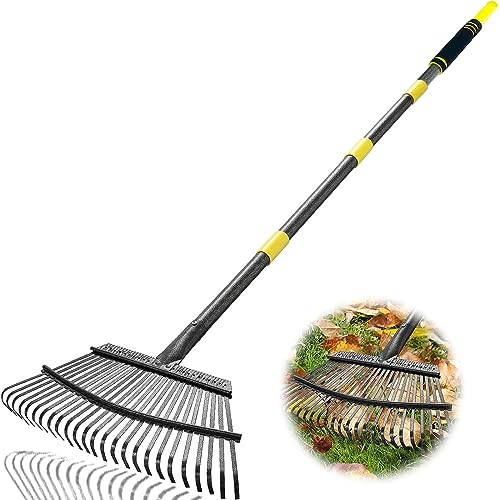
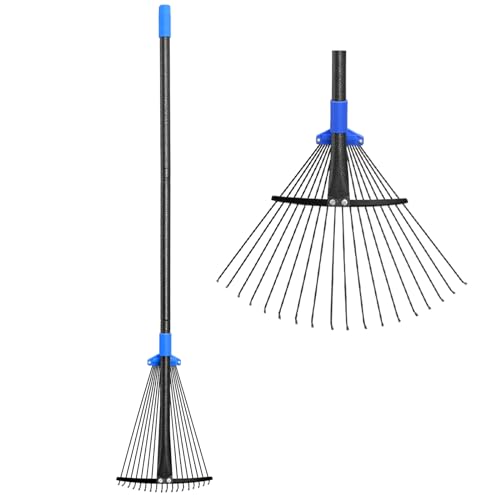
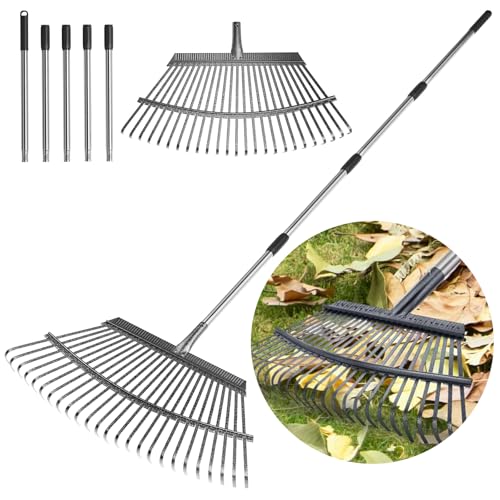
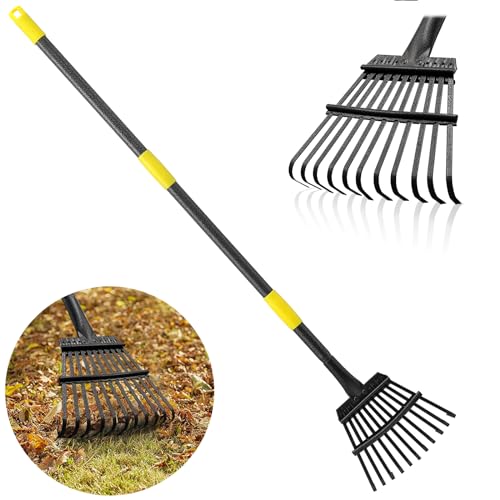
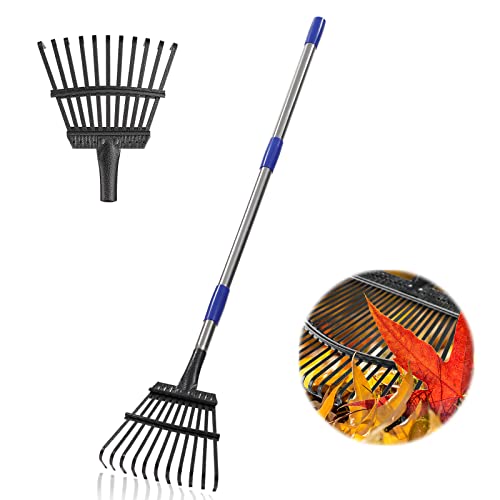
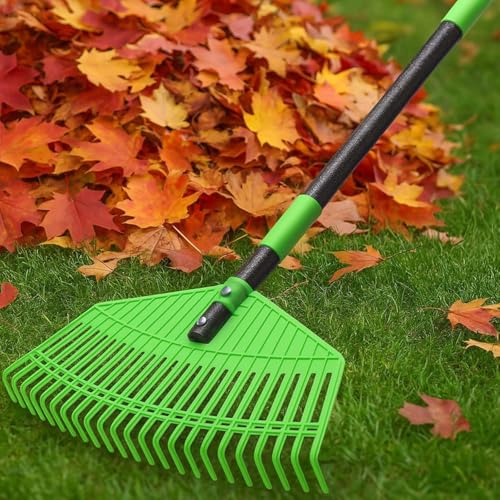
Leaf rakes, sometimes called fan rakes, have a wide, triangular head with dozens of thin, flexible tines. That flexibility lets them glide over grass and mulch to gather leaves, grass clippings, and other light debris without gouging the soil underneath. If your main job every fall is clearing a lawn full of leaves, this is the category to shop in. Some homeowners with large properties pair a leaf rake with a cordless leaf blower to speed up big cleanup days, using the blower to pile debris and the rake to finish the edges and beds.
Bow Rakes for Soil and Mulch Work
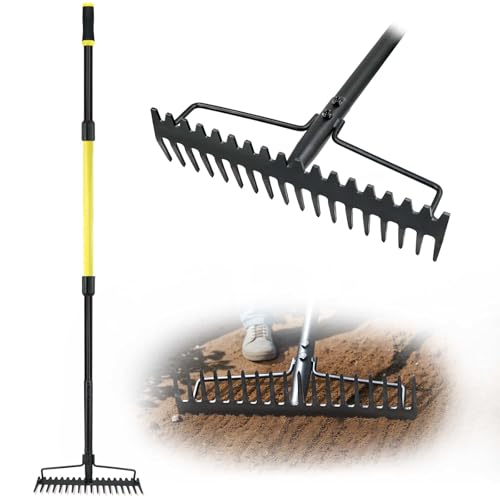
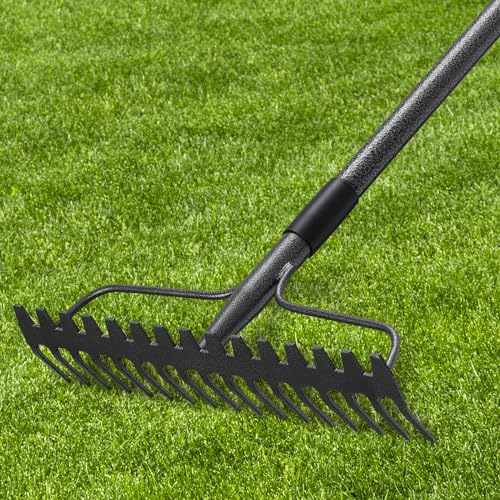
A bow rake, sometimes just called a garden rake, looks and behaves very differently. It has a short row of rigid metal tines mounted on a curved bow-shaped frame, which gives you the leverage to break up compacted dirt, level soil before planting, and spread mulch or gravel evenly. Where a leaf rake is about surface pickup, a bow rake is built for pushing, dragging, and smoothing. If you're prepping garden beds, this is the tool that does the heavy lifting.
Thatch Rakes for Lawn Renewal
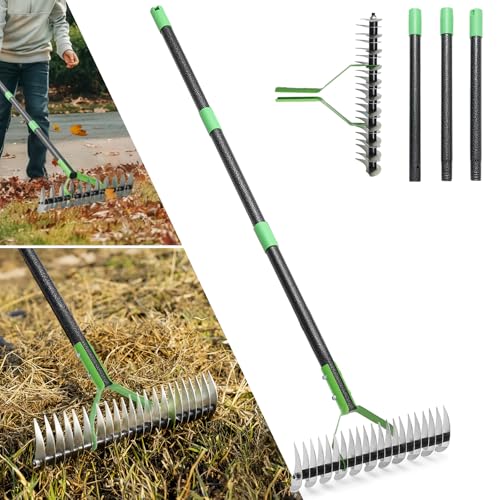
Thatch rakes look closer to a bow rake at first glance, but the tines are sharp, curved blades instead of straight tines. One side slices into the thin layer of dead grass and roots that builds up at the soil surface, while the other side pulls that loosened material up so you can collect it. This category is worth buying only if your lawn actually shows signs of a thick thatch layer, patchy growth, or water pooling on the surface instead of soaking in.
Tine Material and Count: What Actually Affects Performance
Once you know which category fits your needs, tine material and tine count are what separate the best garden rakes from ones that bend or snap within a season.
Steel Tines for Heavy-Duty Jobs
Steel tines are the most durable option and the standard choice for bow rakes and thatch rakes, since those tools need to push into soil or slice through turf without flexing. The tradeoff is weight. A steel-tined rake will feel heavier in your hands, which matters if you're working large areas or have any wrist or shoulder strain to consider.
Bamboo and Poly Tines for Delicate Beds
Bamboo and polypropylene tines show up mostly on leaf rakes, and for good reason. They're light, flexible, and gentle enough to work around perennials, newly seeded patches, or shallow-rooted plants without tearing them up. Bamboo in particular has a bit of natural give that steel doesn't, though it can turn brittle in very cold or very dry conditions, so it's better suited to moderate climates or seasonal storage indoors.
Why Tine Count and Spacing Matter
Leaf rakes typically carry 20 to 30 tines spread across a wide head, which is what lets them scoop large volumes of light debris in fewer passes. Bow rakes, by contrast, usually have far fewer tines, often somewhere around 10 to 16, spaced wider apart and built rigid rather than flexible. More tines packed tightly together isn't automatically better; it depends entirely on whether you need broad coverage or concentrated digging power, which is exactly why the best garden rakes for leaf cleanup look nothing like the best ones for bed prep.
Getting the Handle Length and Grip Right
Handle length affects your posture more than most people expect, and a mismatched handle is one of the fastest ways to end up with a sore back after an afternoon of yard work.
Fixed-Length vs Adjustable Handles
Fixed handles are simpler and generally sturdier since there's no locking mechanism to wear out over time. Adjustable or telescoping handles cost a bit more but let you fine-tune the length for the task at hand or share one rake comfortably between household members of different heights. If more than one person in your home will be using the same rake, the adjustable option usually pays for itself.
Matching Handle Height to Your Own Height
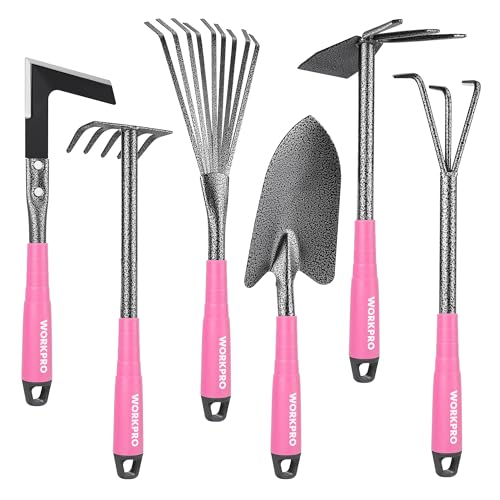
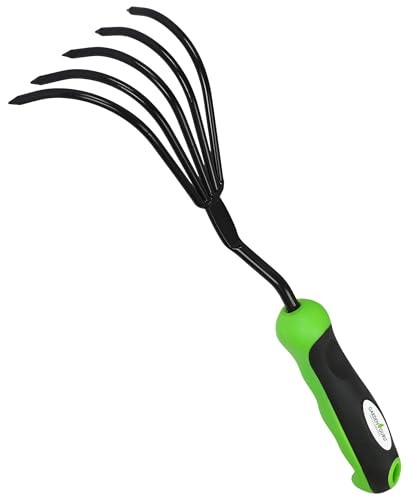
A good rule of thumb is choosing a handle that reaches somewhere between your chin and the top of your head when the rake head rests on the ground. Too short, and you'll be hunching over with every stroke. Too long, and you lose control and leverage. Anyone shopping for the best garden rakes suited to tight spaces, like raised beds or narrow side yards, should also look at shorter hand rake versions built specifically for close-in work.
Simple Care Habits That Make a Rake Last
Even the best garden rakes should last for many seasons, but only if they're stored and maintained properly. Steel tines are prone to rust if they're left outside wet or leaning against a damp wall, so a quick wipe-down and a dry storage spot go a long way. Bamboo and poly tines hold up better when they're kept out of direct summer sun for long stretches, since UV exposure is what makes them brittle faster than normal wear does. It's also worth checking the point where the head meets the handle every so often, since that joint is usually the first place a rake fails. For more general upkeep habits that apply across your whole tool collection, our guide to essential gardening hand tools covers cleaning and storage basics worth following.
Frequently Asked Questions
What is the difference between a leaf rake and a garden rake?
This is the question that trips up most first-time buyers of the best garden rakes. A leaf rake has a wide, flexible fan-shaped head built for gathering leaves and light debris off the surface. A garden rake, or bow rake, has a narrower row of rigid metal tines meant for breaking up soil, leveling beds, and spreading mulch.
How many tines should a garden rake have?
It depends on the type. Leaf rakes typically have 20 to 30 flexible tines for broad coverage, while bow rakes usually have 10 to 16 rigid tines built for digging and leveling rather than sweeping.
What tine material lasts the longest?
Steel holds up the longest under heavy or frequent use and resists snapping, though it needs to be kept dry to avoid rust. Bamboo and poly tines are lighter and gentler on plants but wear out faster with heavy use or prolonged sun exposure.
Do I need an adjustable handle rake?
Not always, but it helps if multiple people of different heights will share the same tool, or if you switch between tasks that call for different working angles. A single fixed-length handle sized to your own height works fine for most solo use.
What is a thatch rake used for?
A thatch rake removes the built-up layer of dead grass, roots, and organic debris sitting on top of the soil under your lawn. It's only necessary if your lawn shows patchy growth, spongy texture, or water that pools instead of draining in.
How do I keep a rake from rusting?
Wipe steel tines dry after use, especially if you've been working in wet soil or damp grass, and store the rake somewhere it won't sit in standing water or humidity. A light coat of oil on the metal before winter storage can add extra protection.
Making Your Decision
The right rake comes down to matching the tool to the task rather than grabbing whatever is already in the shed. Think about whether you're mostly clearing leaves, prepping soil, or renewing a tired lawn, then let tine material and handle length follow from there. Getting those basics right is really what separates the best garden rakes from the ones that end up forgotten in a corner after one season.