Best Espresso Machines Under $200: Buying Guide
Disclosure: We may earn a commission when you buy through links on this page, at no extra cost to you. As an Amazon Associate I earn from qualifying purchases. Learn more

You do not need to spend several hundred dollars to make real espresso at home. Plenty of machines under two hundred dollars use a genuine pump rather than a weak steam wand, and several well known brands sell reliable entry level models specifically at this price point.
The tradeoff at this budget is mostly in build materials, automation, and extra features rather than in the actual espresso itself. This guide covers what to look for in a budget espresso machine and highlights a few standout options across capsule, manual, and compact styles.




Pump Pressure and What It Actually Means
Nearly every machine in this price range advertises fifteen bars of pump pressure, which is well above the nine bars generally considered the minimum for proper espresso extraction. In practice, once a machine clears that nine bar threshold, additional pressure matters far less than grind consistency and tamping technique, so a fifteen bar pump on a budget machine is genuinely sufficient rather than a marketing gimmick you need to look past.
Capsule vs Ground Coffee
Capsule machines remove nearly all the guesswork from home espresso. You load a pod, press a button, and get a consistent shot every time, with no need to learn tamping pressure or grind size. The ongoing cost per cup is higher than ground coffee, and you are limited to whatever pod flavors and roasts the capsule system offers.
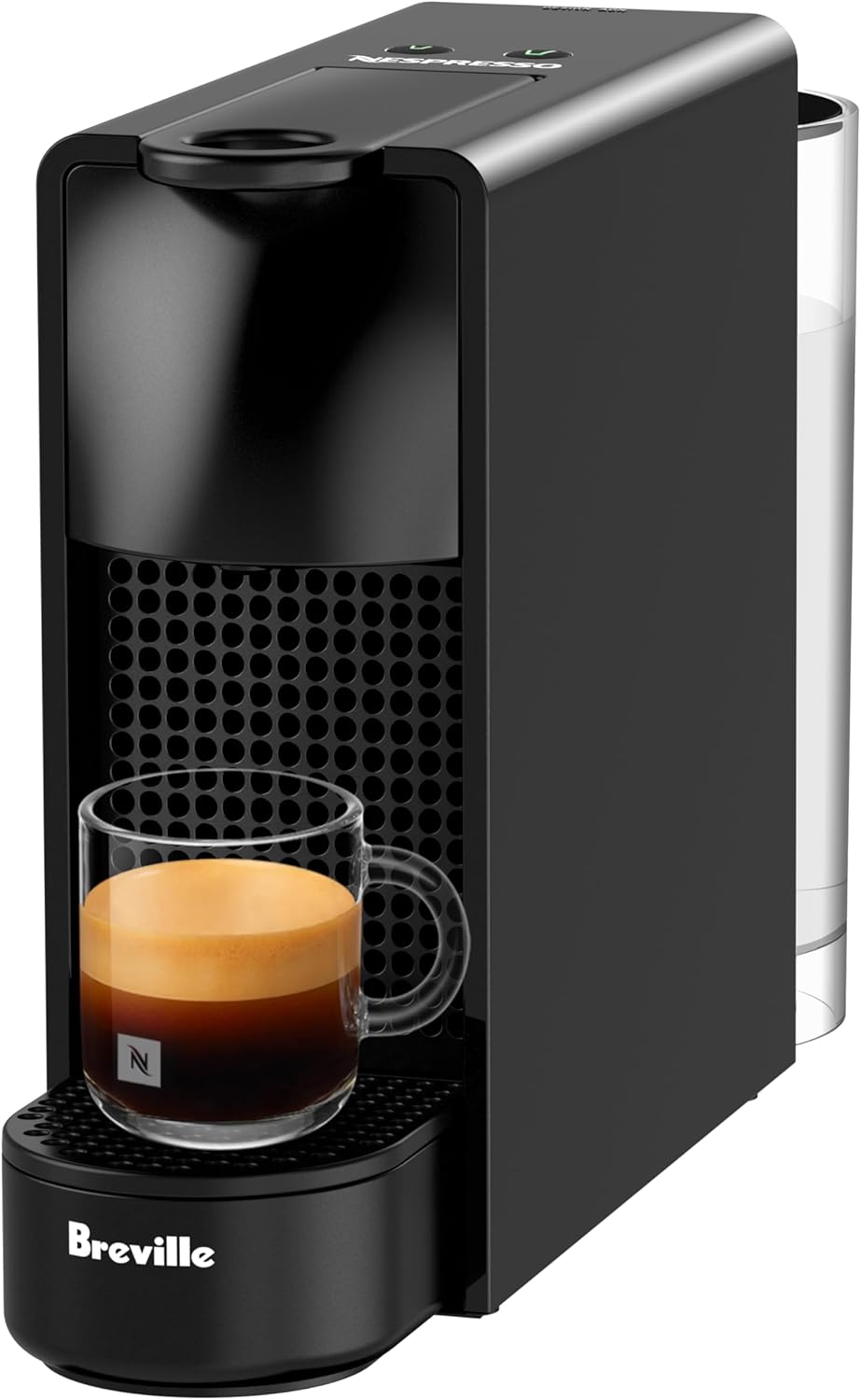
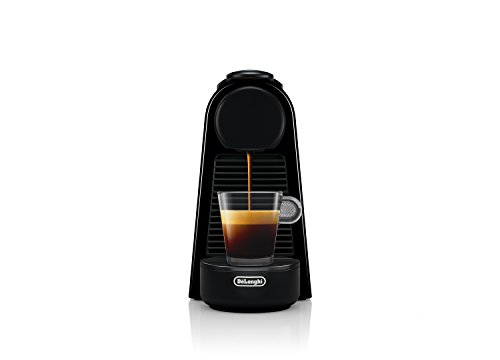
The Nespresso Essenza Mini is a good example of how far a compact capsule machine has come. It uses the same nineteen bar high pressure pump found in Nespresso's larger machines, heats up in under thirty seconds, and its footprint is small enough to fit on almost any counter without crowding other appliances. For anyone who wants espresso with essentially zero learning curve and does not mind paying a bit more per cup for that convenience, it remains one of the easiest entry points into home espresso.
Machines that use ground coffee and a portafilter cost less per cup over time and let you control grind size, dose, and tamping pressure directly, which means more room to improve your results but also more room to make a bad shot while you are learning. If you already grind your own beans for drip coffee, a portafilter machine is usually the better long term value.
Milk Frothing: Manual Wand vs Automatic
Most machines in this price range include a manual steam wand rather than an automatic frother, which means you control the milk yourself by hand rather than pressing a single button. A manual wand takes a bit of practice to get silky microfoam, but it also gives you more control over texture once you are comfortable with it, and it tends to be more durable long term since there are fewer moving parts to fail.

The Calphalon Compact Espresso Machine pairs a fifteen bar Italian pump with a built in milk frother in a genuinely slim body, aimed at small kitchens where counter space is limited. Thermoblock heating brings it up to temperature quickly compared to older boiler style designs, and the low pressure pre infusion step it uses before a full shot helps extract flavor more evenly from the grounds. It is a solid choice for anyone who wants a real portafilter machine without dedicating much counter space to it.
Footprint and Counter Space
Compact and slim body designs are common at this price point specifically because many buyers shopping under two hundred dollars are also working with smaller kitchens. If counter space is tight, prioritize the machine's actual footprint over any secondary features, since a machine that never gets used because it does not comfortably fit on the counter is not saving anyone money.
Maintenance at This Price Point
Budget espresso machines generally need more frequent manual cleaning than pricier automatic ones, since few include self cleaning cycles. Rinsing the portafilter and drip tray after each use, and descaling every one to two months depending on water hardness, keeps flow rate and temperature consistent over time. Skipping descaling is the single most common reason an otherwise fine budget machine starts producing weak or slow shots after a year or two of regular use.

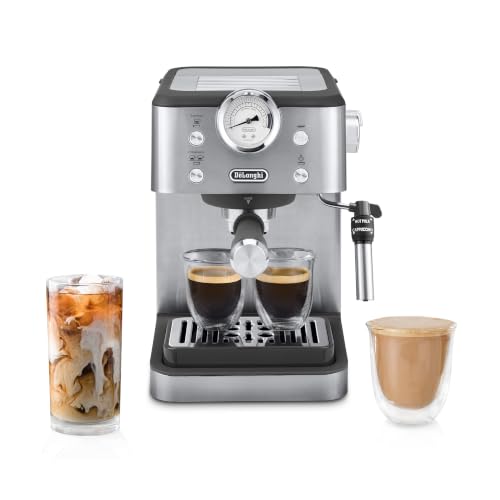
The De'Longhi Linea Classic sits toward the upper end of this budget with a chrome detailed pressure gauge that tracks extraction in real time, along with customizable one touch presets for single and double shots. For anyone who wants a machine that looks and feels closer to a genuine café setup, with the visual feedback and preset conveniences to match, it is a strong pick for making the most of a near two hundred dollar budget rather than the absolute minimum needed for real espresso.
Frequently Asked Questions
Is fifteen bar pressure enough for real espresso?
Yes. Nine bars is generally considered the minimum for proper extraction, so fifteen bar pumps common on budget machines are well above what is actually needed. Grind consistency and tamping matter more than pressure once a machine clears that threshold.
Are capsule machines worth it under two hundred dollars?
They are a strong option if convenience matters more than cost per cup, since capsule machines remove almost all the guesswork from pulling a shot. Ground coffee machines cost less to run over time but require more practice to get consistent results.
How often should a budget espresso machine be descaled?
Roughly every one to two months for most households, though this depends heavily on local water hardness. Regular descaling is one of the simplest ways to keep shot quality consistent over the life of the machine.
Final Thoughts
A genuinely good espresso machine under two hundred dollars is easy to find as long as you match the format, capsule or ground coffee, to how much control you actually want over the process. Capsule machines like the Essenza Mini offer near zero learning curve, compact portafilter machines like the Calphalon give more control in a small footprint, and simpler machines like the Mr Coffee Compact keep the core experience affordable for anyone testing whether home espresso is worth the investment.