
Best Battery Operated Thermostat 2026: Wiring, Types and Features
Disclosure: We may earn a commission when you buy through links on this page, at no extra cost to you. As an Amazon Associate I earn from qualifying purchases. Learn more

Best battery operated thermostat: compare system types, schedules and battery life before you choose.
A thermostat that runs on batteries solves a very common wiring problem: older homes often have only two wires behind the old unit, with no common wire to power a modern display. The best battery operated thermostat for your house is the one that matches your heating system first and your schedule habits second, so this guide starts with compatibility and then moves to features, batteries and placement.
The product table above lists battery powered models that suit typical single stage heating and cooling setups. Read the sections below to confirm your system type, decide how much programming you need, and avoid the mistakes that cause most returns. Use these checks whenever you compare the best battery operated thermostat options in the table.
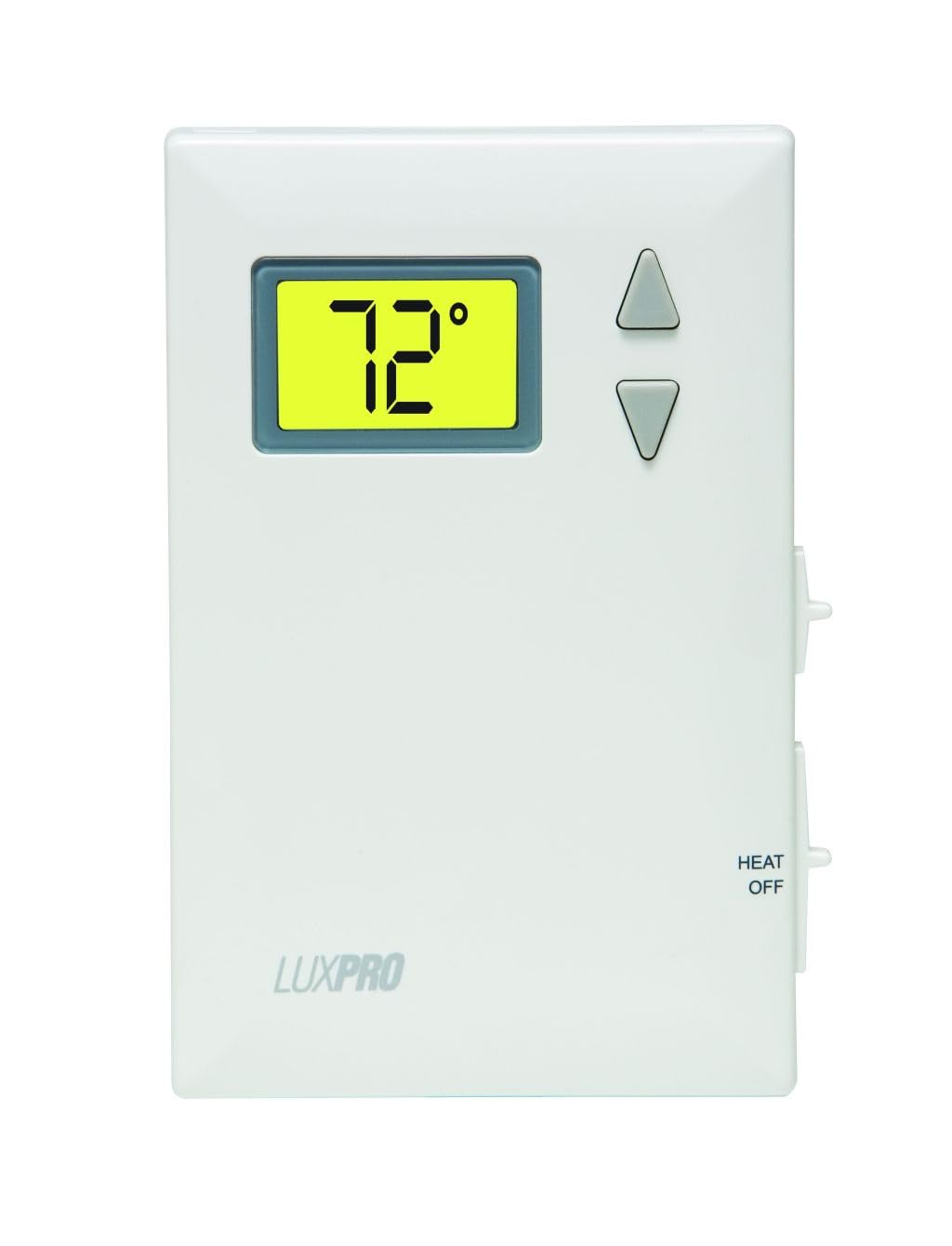

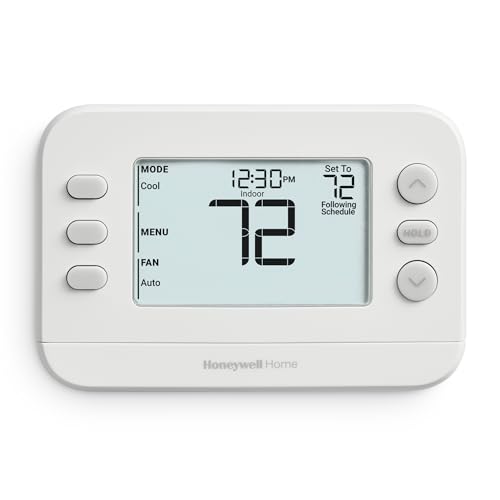

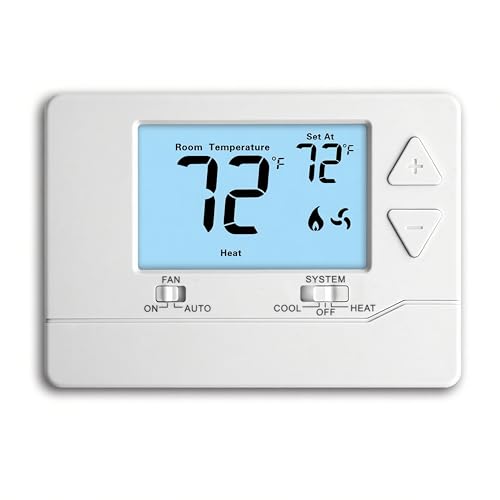

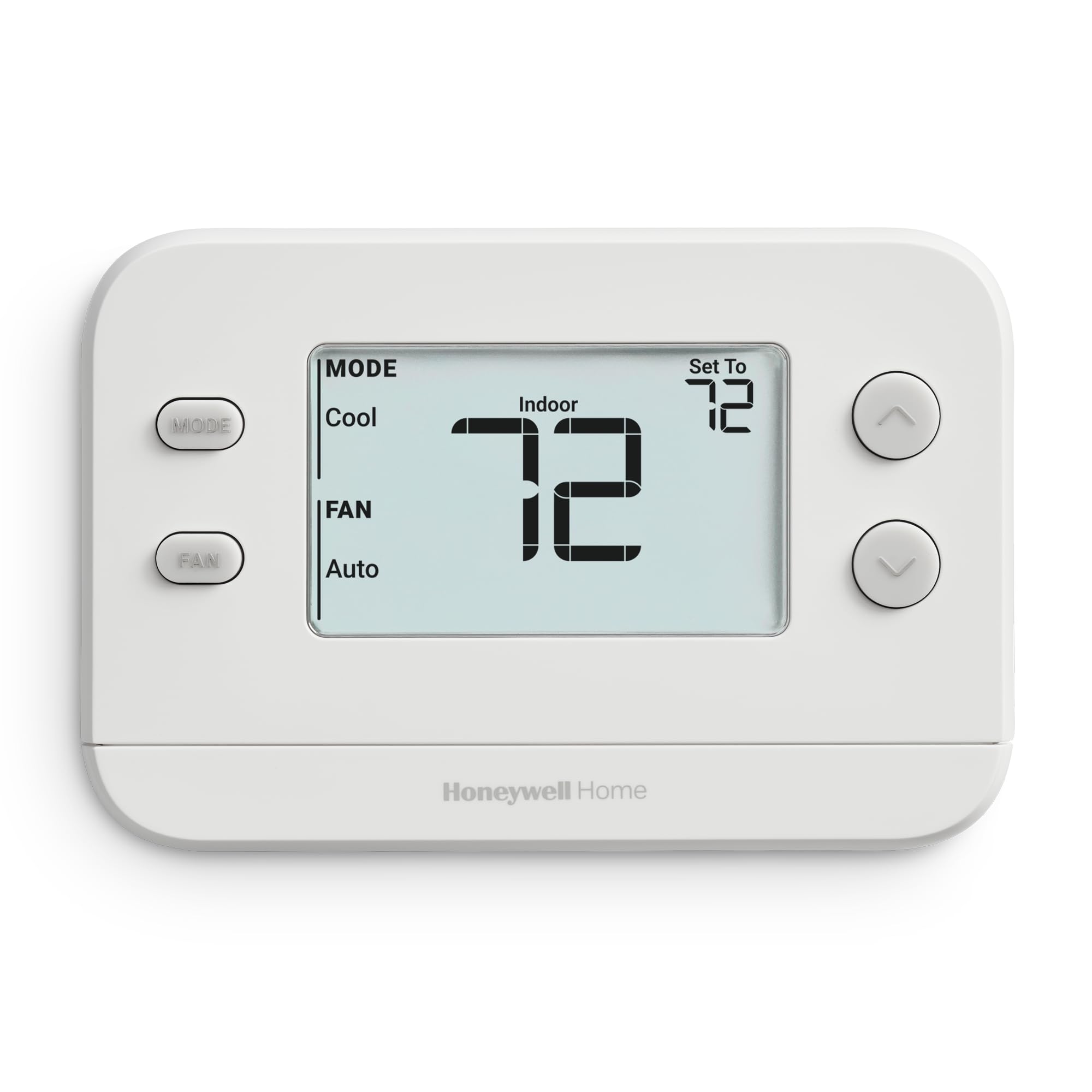

How a Battery Operated Thermostat Works
A battery operated thermostat uses two AA or AAA cells to run its screen and its internal clock. The cells do not heat or cool anything. The furnace or air conditioner still gets its power from the system itself, and the thermostat simply closes a low voltage circuit when the room needs heat or cooling. That is why a battery model can be installed on a system with only two to four wires.
Some models run on batteries alone, while others accept either batteries or 24 volt power from a common wire. The second kind is easier to live with, because batteries become a backup rather than a monthly chore. Fresh alkaline cells in a basic model commonly last about a year, but a backlit display or a wireless radio shortens that time, so always check the manual for the expected life.
Who Should Buy a Battery Operated Thermostat
Owners of older homes
Houses built before low voltage wiring became standard often lack a common wire. A battery model avoids opening walls to add one, which saves money and mess.
Renters and landlords
A simple model that swaps in at the same wall plate is quick to install and quick to reverse. Landlords often prefer a non programmable unit because tenants cannot create confusing schedules.
Owners of fireplaces and heat only systems
Gas fireplaces, wall heaters and in floor radiant systems frequently use a two wire, heat only thermostat. Look for a model that says heat only, since many standard units expect separate heating and cooling terminals.
Types of Battery Operated Thermostats
Non programmable models
These have a dial or simple up and down buttons. You set a temperature and the unit holds it. They are the cheapest and easiest option, and they suit people who are home most of the day or who prefer to adjust things by hand.
Programmable models
A 5-2 day or seven day schedule lowers the heat while you sleep or work and raises it before you return. Programmable units typically cost a little more but can trim energy use when the schedule fits your routine. Keep in mind that a schedule you never set up saves nothing.
Battery powered smart models
A few wifi thermostats can run on batteries when no common wire is present, usually by drawing small amounts of power from the heating circuit. They add phone control and learning features, but they are more sensitive to wiring details. If you want that route, read our guide to the best battery powered smart thermostat before choosing.
Key Features to Check
- System compatibility: confirm that the unit supports single stage heat and cool, heat only, or millivolt systems, whichever you have. Heat pumps, multi stage systems and electric baseboard heaters (line voltage) need different thermostats.
- Battery indicator: a low battery warning gives you time to replace cells before the heat stops responding.
- Display and backlight: large numbers help older users, while a backlight helps in dark hallways. A backlight does consume more battery.
- Swing and compressor delay: a separate heat and cool swing setting reduces short cycling, and a compressor delay protects an air conditioner from rapid restarts.
- Terminal block: a clear wiring diagram and universal subbase make a do it yourself install easier.
Installation and Safety Notes
Turn off power to the heating and cooling system at the breaker before touching any wires, and take a photo of the old wiring with each terminal label visible. Label the wires with the tape that comes in the box, then match each letter to the new terminal. Most single stage homes use R for power, W for heat, Y for cooling and G for the fan.
If your old thermostat has a line voltage label, thick wires, or a wire marked with a number higher than 24, stop and ask a licensed electrician. Mains voltage baseboard systems need a thermostat built for that load, and a low voltage battery model is not designed for it. When anything looks unfamiliar, hiring a qualified installer is cheaper than replacing a furnace control board.
Placement and Accuracy
Mount the thermostat on an interior wall about five feet above the floor, away from direct sun, supply vents, kitchens and exterior doors. A thermostat that sits in a draft or beside a lamp will misread the room and cycle the system too often. If the old unit left a patch of unpainted wall, use the included plate or a small wall cover to hide it.
After install, compare the display with a basic room thermometer placed nearby for an hour. Many digital models let you calibrate a degree or two. Accurate readings matter more than any extra feature, because the system only follows what the sensor reports.
Battery Care Tips
Use fresh alkaline batteries from the same pack, and replace both at once. Lithium cells last longer in cold hallways and garages, though they cost more. Write the replacement date on a small label inside the cover, or choose a day that is easy to remember such as a daylight saving change. If the display goes blank while the house is empty, the system may stop heating, which is a real risk for pipes in freezing weather.
Keep the sensor opening free of dust. A soft brush or a quick puff of air every season is enough. Never spray cleaner directly on the unit.
Common Mistakes to Avoid
- Buying a heat only unit for a house that also has air conditioning.
- Skipping the photo of the old wiring.
- Placing the unit on an exterior wall that gets afternoon sun.
- Ignoring the low battery icon until the house is cold.
- Choosing a programmable model and never setting the schedule.
Frequently Asked Questions
Can a battery operated thermostat work without a common wire?
Yes. Basic digital models are designed for exactly that case, and they use their cells to run the display. Check the product listing for the words battery powered, and confirm that your system has the terminals the thermostat expects.
How long do the batteries last?
Typical alkaline cells last about six to twelve months in a basic backlit model, and longer in a model without a backlight. The time depends on the display, the radio and how often the screen lights up.
Will it work with a heat pump?
Only if the listing says it supports heat pumps. Most basic battery models are meant for conventional single stage systems, and a heat pump needs a reversing valve terminal.
Is a programmable model worth the extra cost?
It is worth it when your daily routine is regular. If someone is home at all hours, a simple non programmable unit does the job and is easier to use.
Can I install it myself?
Most owners of low voltage systems can, with a screwdriver and a photo of the old wiring. Hire a professional if wiring looks unusual or if the system is not low voltage.
Final Thoughts
Match the system type, decide whether you want a schedule, and plan for battery changes before you order. The best battery operated thermostat is the one that fits your wiring, reads the room accurately and gives you plenty of warning before its cells run out. Compare the options in the product table with the checks in this guide, and for related reading see the guide to the best batteries for thermostat units.


