
Best Battery Operated Sump Pumps for 2026: What Actually Matters Before You Buy
Disclosure: We may earn a commission when you buy through links on this page, at no extra cost to you. As an Amazon Associate I earn from qualifying purchases. Learn more

Use a clear checklist to compare the best battery operated sump pumps by flow rate, battery runtime, alarms, and charger quality before storms hit.
A battery operated sump pump has one job: keep water moving when your main pump cannot, usually during a storm related power cut or a primary pump failure. If it fails then, the cost is not a ruined weekend project. It is a flooded basement, damaged flooring, and possibly a ruined furnace or water heater. This checklist for best battery operated sump pumps focuses on the specs that decide performance on that worst night.
Work through the criteria below, compare the product table against them, and be honest about your pit size, your water table, and how fast water enters during heavy rain. A pump that suits a quiet pit in a dry region can be far too small for a home where the main pump cycles every few minutes in spring.

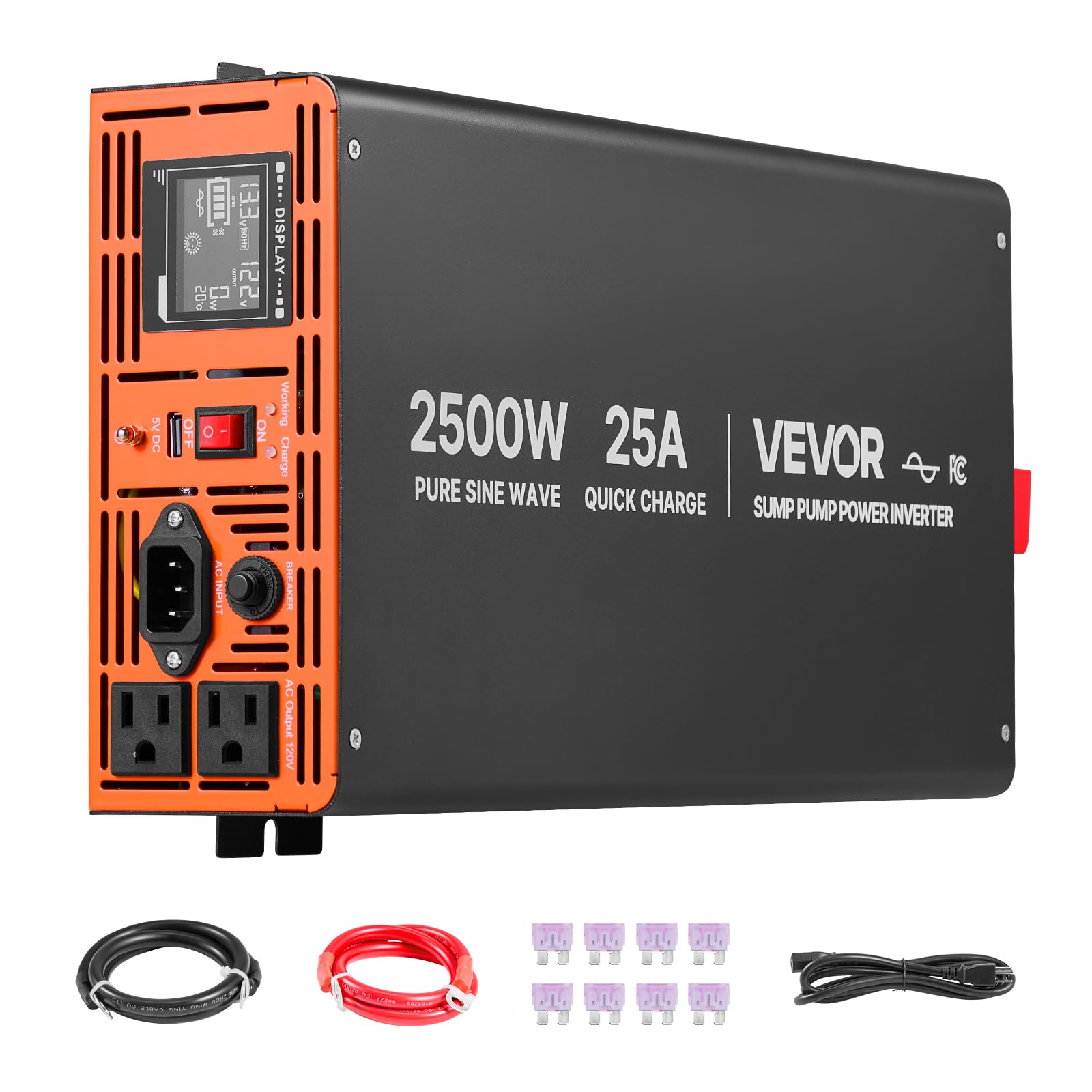
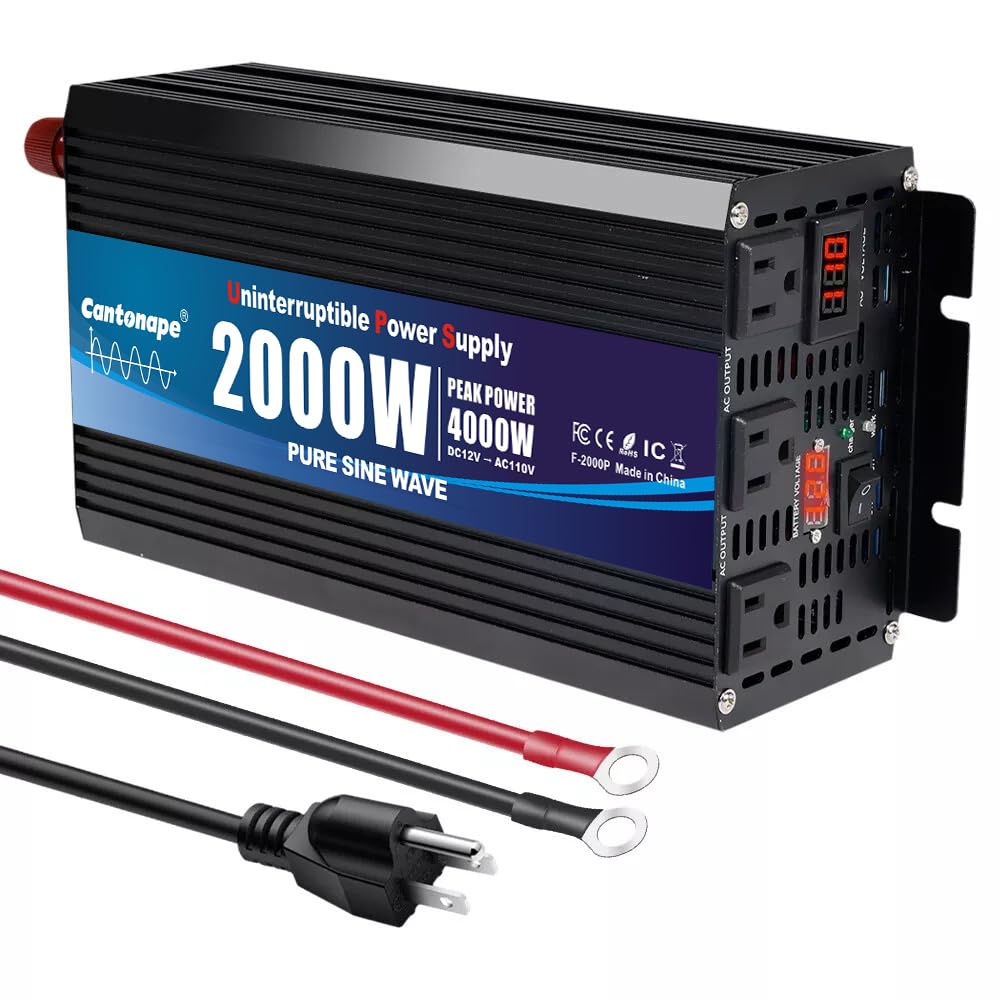
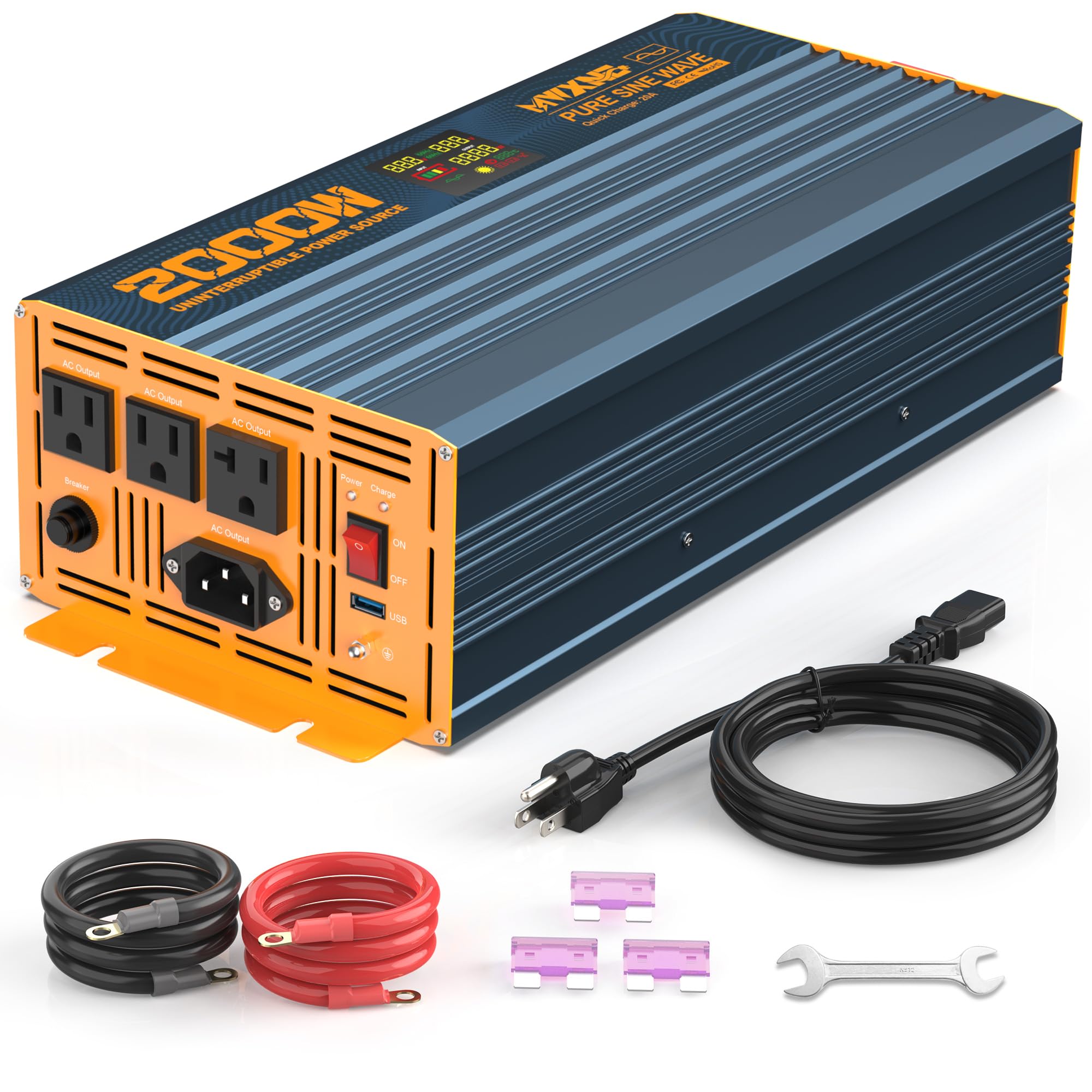
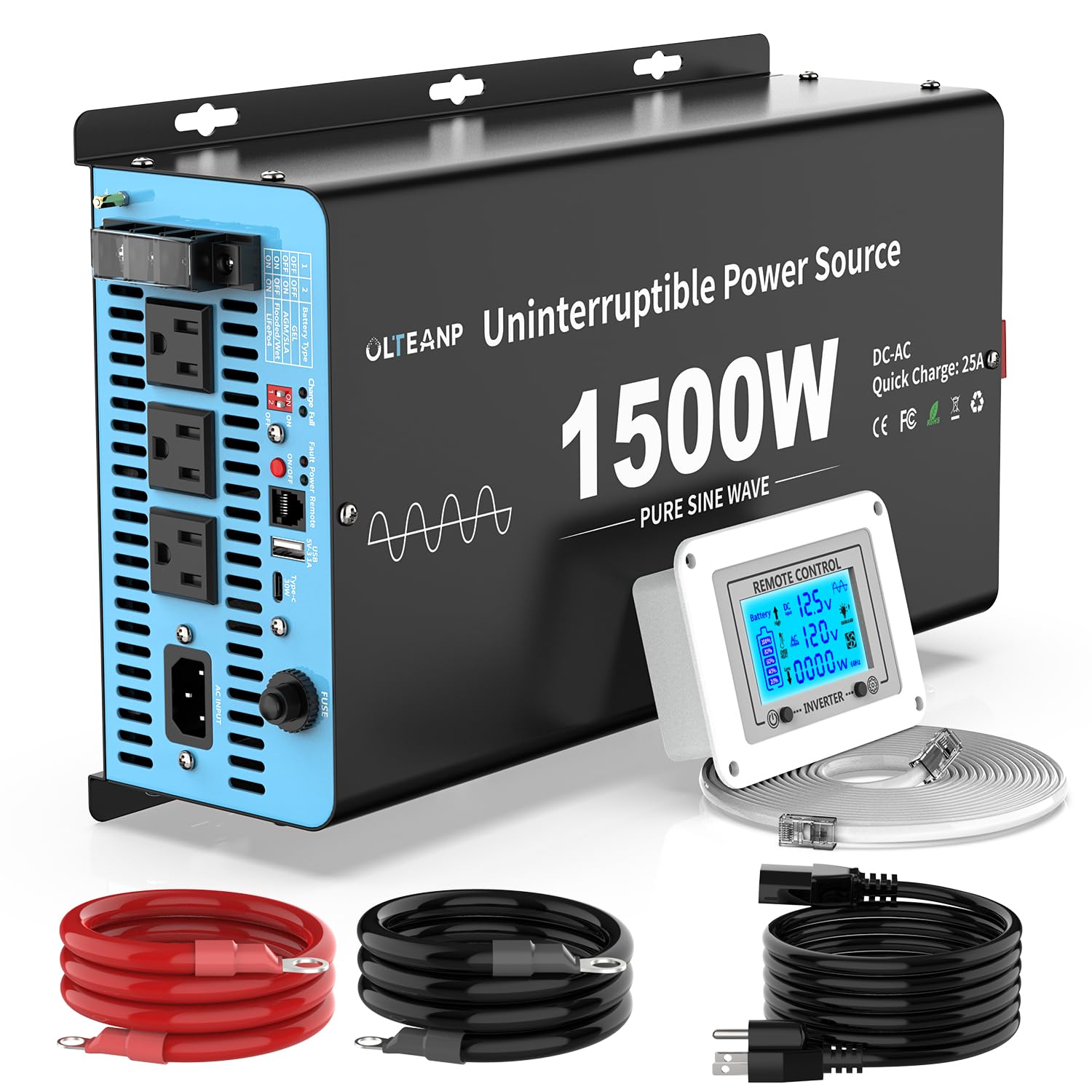
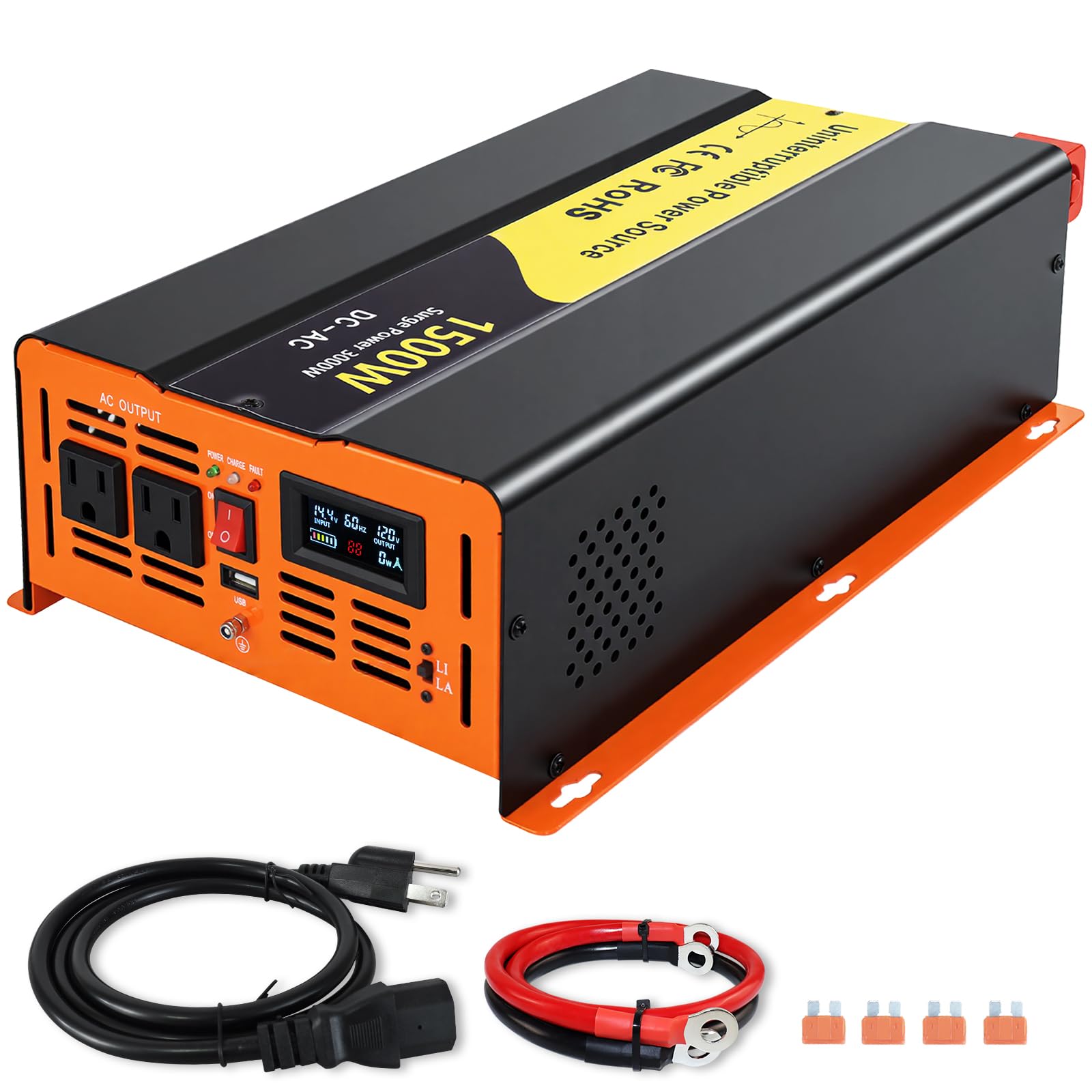


How to Evaluate Battery Operated Sump Pumps
The evaluation starts with water, not with marketing. A useful system moves enough gallons per hour at your actual lift height, runs long enough to outlast a typical outage, warns you early when something is wrong, and recharges its battery before the next storm. The six criteria below turn those needs into numbers and features you can check on any listing.
Battery System and Runtime
The battery is the heart of the system. Look for a stated runtime or a clear battery size in amp hours, plus whether the battery is included or sold separately, since that changes the true price a lot. A smart charger that maintains the battery without overcharging extends battery life and keeps the system ready for months of standby. Sealed batteries need less upkeep, while traditional deep cycle batteries may offer more capacity but need fluid checks. Ask how the system behaves after the outage ends: it should recharge promptly and report battery health rather than sitting partly flat and silent.
Warranty and Brand Support
Warranty terms reveal how much confidence the maker has in a product that sits idle until an emergency. Look for at least two to three years on the pump and controller, and check whether the battery itself carries any coverage, since batteries are often excluded. Confirm that replacement parts such as floats, chargers, and check valves are sold in the United States and that support can be reached by phone. For background on how backup systems are usually configured, see our guide to the best battery backup sump pumps before you commit to one design.
Control Features and Alarms
Controls decide whether you learn about trouble in minutes or after water is already on the floor. A good system alarms for high water, low battery, a failed pump, and a blown fuse, with a loud local alarm at minimum. Some systems add phone alerts through WiFi, which helps if you travel or the home is a rental or vacation property. The float switch matters just as much: a protected or dual float design reduces the hang ups that plague simple exposed floats. Test buttons and clear status lights make monthly checks fast, which means you will actually do them.
Safety Features
Safety here is electrical and practical. The system should plug into a grounded outlet, ideally with ground fault protection as local code requires, and battery cables should be secured so they cannot slip off or short against each other. Keep the battery in its case, ventilated as the maker directs, and never place the charger where pit water could reach it. If flooding risk in your area includes sewage backup, talk with a licensed plumber about backwater protection rather than expecting any sump pump to solve that problem. When in doubt about wiring or code, hire a licensed electrician for the outlet work.
Size, Handling, and Installation Fit
Unlike a handheld tool, a sump system lives in a pit, so fit matters more than weight. Measure your pit diameter and depth first, because a backup pump, its float, and the main pump must all move freely without tangling. Check whether the unit mounts beside the primary pump, hangs in the pit, or sits as a combined primary and backup unit that replaces your current pump. Combined units simplify plumbing but mean one housing does both jobs. Handling still matters during installation: batteries are heavy, so plan a clear path and a second pair of hands for lifting safely.
Capacity and Working Range
Capacity is stated in gallons per hour, but the honest number is flow at your lift height, called head. A pump rated high at zero feet may move far less water when lifting it eight or ten feet to the discharge line, which is the condition that counts. Compare flow figures at the same head height across models, and size the backup to handle a strong inflow, not an average drizzle. If your primary pump is large and cycles often, your backup needs to be close to that capacity. Our guide to the best quality sump pumps explains how build quality affects those ratings over years of service.
Three Setup Levels to Match
Use these three setup levels to match the systems in the product table to your home. Each level lists the specs to demand and the compromise to expect. If a listing cannot confirm the key specs for its setup level, treat that as a reason to move on.
Full Protection Setup
The full protection setup pairs strong flow at typical head height with a large battery, a smart maintaining charger, and full alarms for high water and low battery. It suits most homes with a finished basement, where the cost of one flood dwarfs the price gap between setup levels. Expect to pay about $250 to $450 for the unit, plus the battery if it is sold separately. The compromise is pit space and a higher upfront total. For most owners who have already flooded once, or who store valuable items downstairs, this setup is the sensible default.
Essentials Setup
The essentials setup keeps the essentials: honest flow figures, a reliable float, a maintaining charger, and at least a high water alarm, while dropping extras like phone alerts. Prices often land around $150 to $300 plus the battery. This setup suits unfinished basements, milder water tables, and homes where someone is usually present during storms to hear a local alarm. The compromise is runtime and notification range.
Heavy Use Setup
The heavy use setup is built for homes where water arrives fast: high flow at head, the largest battery capacity the pit allows, heavy duty switches, and alerts that reach your phone wherever you are. Expect about $450 to $800 once a large battery is included. This setup also suits rental properties and second homes that sit empty during storm season. The compromise is cost and installation effort, and some owners pair it with a second battery for extended outages.
Quick Buyer Checklist
Answer these questions before you buy. Any no answer points to a spec to upgrade or a measurement to take.
- Does the flow rating at your lift height match or beat your typical inflow during heavy rain?
- Is the battery included, and if not, have you added its full cost to the price?
- Will the pump, float, and main pump all fit and move freely inside your pit?
- Does the system alarm for high water and for a weak or disconnected battery?
- Does the charger maintain the battery automatically between storms?
- Can you get replacement floats, chargers, and batteries from United States sellers?
- Is there a grounded outlet in the right place, installed to local code?
- Do you have a monthly test habit planned, such as the first weekend of each month?
For a closer look at systems that sit beside your main pump, see our guide to the best backup sump pumps.
Red Flags to Watch For
Walk away from listings that show only a maximum flow figure with no flow at head height, since that hides the number that matters. Be wary of vague battery claims with no amp hour rating, no statement of whether a battery is included, and no charger details. Short warranties of a year or less on a product meant to guard your home for a decade are another warning sign. So are floats with no protection from pit walls, missing alarm functions, and a flood of glowing comments that never mention installation or upkeep.
How to Make Your Battery Operated Sump Pump Last Longer
Test the system monthly by lifting the float or adding water to the pit until the pump runs, then watch it empty and shut off cleanly. Keep the pit free of gravel, zip ties, and debris that can jam the float or the impeller. Check battery terminals for corrosion each season, confirm the charger shows a full and healthy battery, and replace the battery on the maker schedule rather than waiting for it to fail during a storm. Keep the discharge line clear and confirm the check valve holds, so pumped water does not flow back and force extra cycles.
Battery Operated Sump Pumps: Your Questions Answered
Should a battery pump be a backup or the only pump?
For most homes it should be a backup, because a plug in primary pump moves more water for as long as power lasts, and the battery unit then covers outages and primary failures. Battery only setups suit small pits, temporary drainage, or places with no reliable power, but runtime limits them. One point buyers miss is failure overlap: storms cause both heavy inflow and outages at once, which is exactly why the two pump arrangement exists.
How long will a battery sump pump run during an outage?
Runtime depends on battery size and how often the pump cycles, so honest answers are ranges rather than one number. A typical large battery may run the pump for several hours of actual pumping, which can stretch across a day or more of intermittent cycling in moderate rain. In a fast filling pit it may last only a few hours. After any long outage, check the battery state and let the charger fully restore it before you rely on the system again.
What size battery does a backup sump pump need?
Most systems are designed around a deep cycle battery, often in the range of about 75 to 120 amp hours, sized to the pump draw and the case the maker supplies. Bigger capacity buys runtime, not pumping speed. Always match the battery type to the charger: a charger set for one battery chemistry can shorten the life of another. If your maker offers a battery monitor, use it, because a battery can show full voltage on a simple gauge yet still hold far less capacity than when new.
What specs matter most for home protection?
Flow at your lift height, battery capacity, and alarm coverage matter most, in that order. Flow decides whether the pit level falls or rises during a storm, capacity decides how long that protection lasts without power, and alarms decide whether you hear about a problem in time to act. Switch reliability belongs on that list too: a pump with strong numbers and a float that sticks is a weak system. Choose proven switch designs over headline flow figures when you must trade.
Our Verdict
Buy for the worst night, not the average one. Match flow at head height to your real inflow, fund the largest sensible battery and a maintaining charger, and insist on alarms that warn you early. Then test the system monthly so the specs on paper stay true in the pit. Compare the product table with those tests, and the best battery operated sump pumps for your home will be the ones that keep working quietly while the storm does its worst outside.


