Best Door Weather Seal: How to Choose the Right One for Your Door
Disclosure: We may earn a commission when you buy through links on this page, at no extra cost to you. As an Amazon Associate I earn from qualifying purchases. Learn more

If you can feel a cold draft near your front door in winter or hear outside noise leaking through the frame, the seal around that door has probably worn out or was never matched to the gap in the first place. Finding the best door weather seal for your situation depends less on picking a "top" product and more on understanding what type of gap you're actually sealing. In this guide, you'll learn the main types of weatherstripping, how to match a seal to your door's gap, why installations fail, and what to expect from the investment.
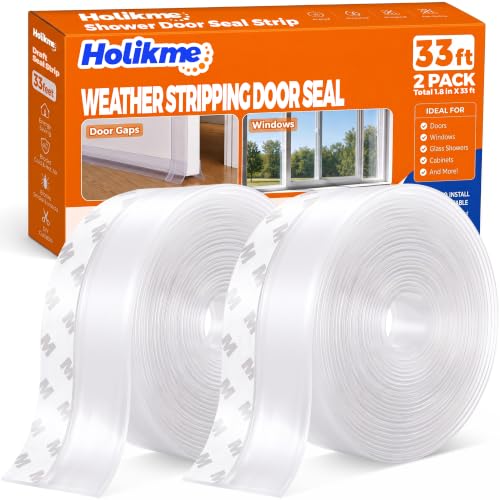
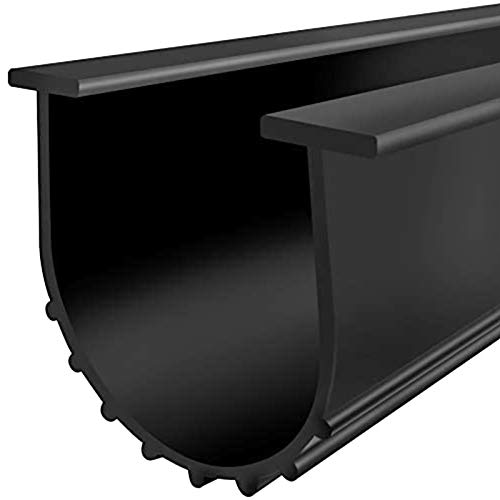
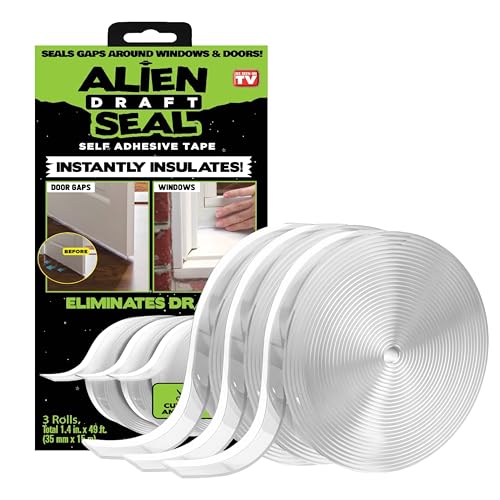

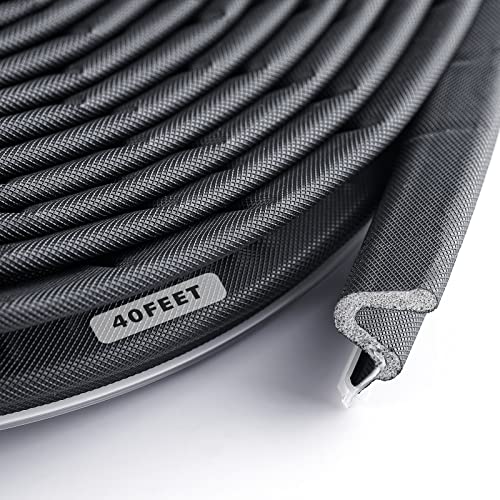
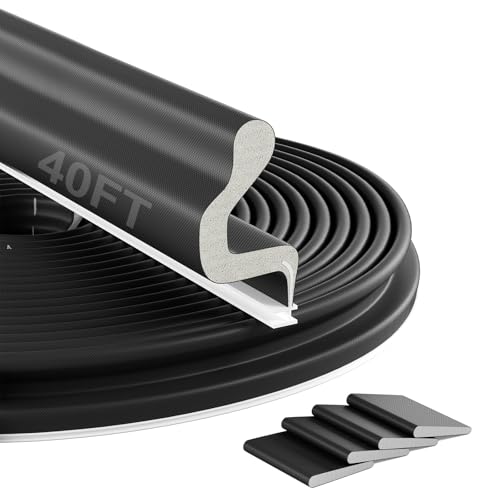
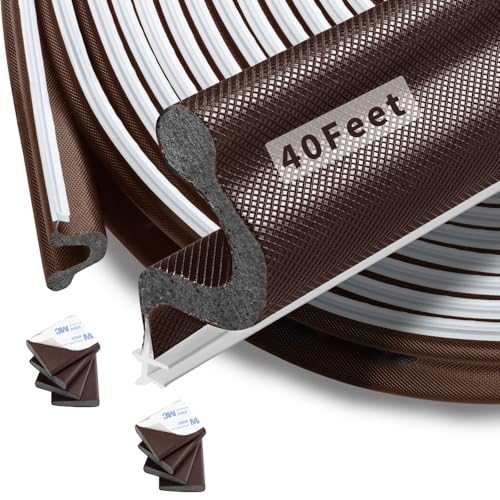
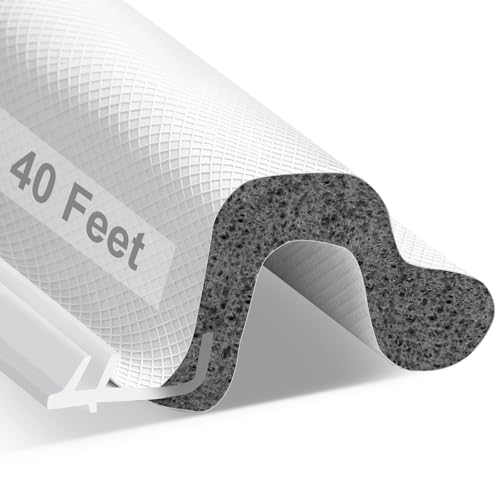
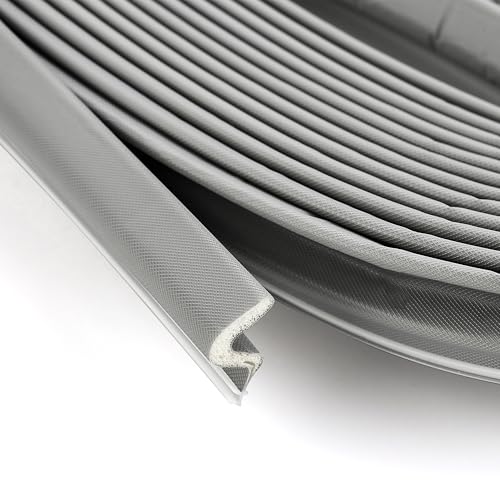
Types of Door Weather Seals
Weatherstripping isn't one product. It's a category of materials, each suited to a different kind of gap around a door. Knowing the differences helps you avoid buying something that looks similar but won't actually seal your specific problem spot.
Foam Tape and Felt Strips
Foam tape is a compressible, self-adhesive strip that presses into small, fairly uniform gaps. It's inexpensive and easy to cut to length, which makes it a common starting point for interior doors or minor drafts. Felt strips work similarly but compress less and wear out faster, so they tend to suit low-traffic doors rather than a frequently used exterior entry.
V-Strip (Tension Seal)
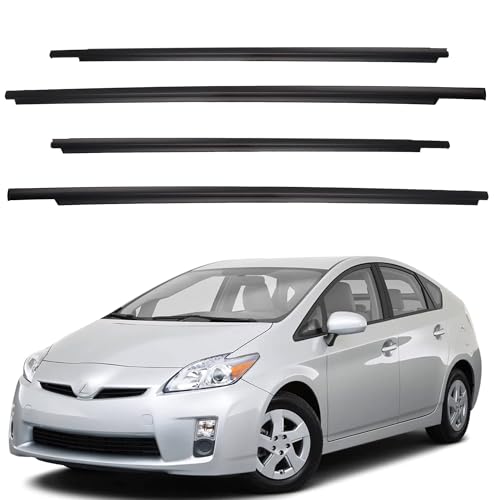
V-strip, sometimes called tension seal, is a folded strip of vinyl or metal that springs back into shape after the door presses against it. It's installed along the vertical edges of the frame, where the door meets the stop, and holds up well over time because it isn't relying on adhesive alone. The tradeoff is that it needs a fairly precise, straight installation line to seal evenly.
Tubular Rubber and Silicone Bulb Seals
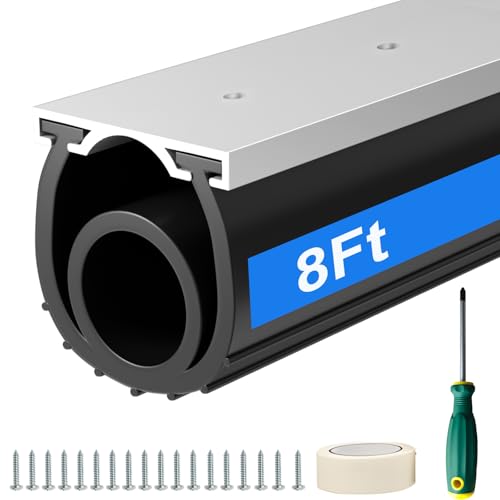
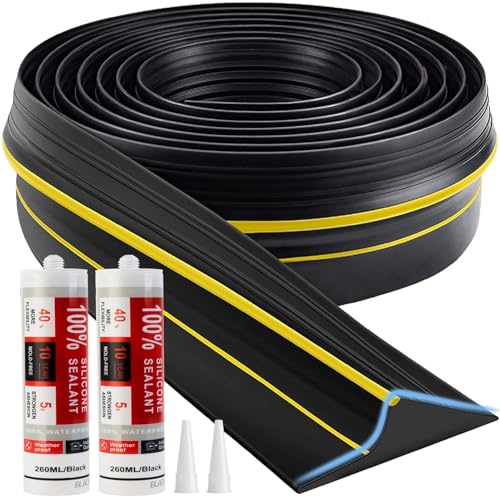
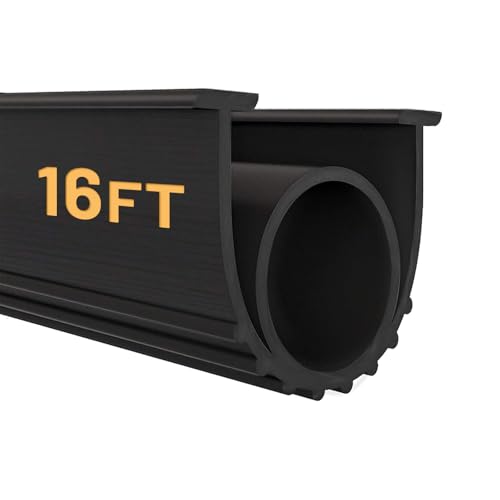
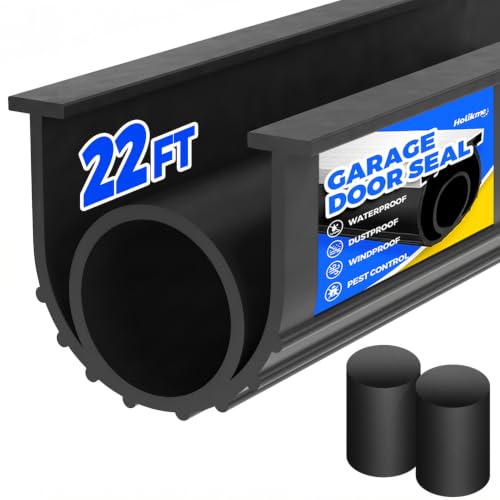
Tubular rubber and silicone bulb seals use a hollow, flexible tube that compresses when the door closes against it. These handle larger or slightly uneven gaps better than foam or felt because the tube flexes to fill the space rather than relying on a flat surface making full contact. They're a common choice for doors exposed to heavy weather, since rubber and silicone both hold up well across temperature swings.
Door Sweeps and Door Shoes
These seal the bottom of the door rather than the sides or top. A sweep is a strip of rubber, vinyl, or brush bristles attached to the base of the door that rides along the floor or threshold. A door shoe is a U-shaped piece that wraps around the bottom edge of the door itself, generally creating a tighter seal but requiring the door to come off its hinges to install correctly.
Matching the Seal to Your Door's Gap
The biggest reason weatherstripping underperforms isn't the material, it's a mismatch between the seal and the actual gap it needs to fill. A seal that's too thin won't make contact at all, and one that's too thick can keep the door from closing properly.
Measuring the Gap Before You Buy
Close the door and check the space between the door and the frame at a few points along each edge, not just one. A simple way to test is sliding a piece of paper or a thin card into the gap; if it slides through with no resistance anywhere along the edge, you have a good sense of the gap's width and where it's inconsistent.
Uniform vs. Irregular Gaps
If the gap is consistent all the way around, a firmer material like V-strip can work well and last longer. If the gap varies, which is common on older doors or frames that have shifted slightly over time, a compressible material such as foam or a bulb-style seal adapts better because it fills whatever space it meets rather than needing an exact, uniform fit.
Door Sweep vs. Door Bottom Seal: Clearing Up the Confusion
These terms get used almost interchangeably, and it causes real confusion when shopping. A door sweep attaches to the door and drags across the floor or threshold as it opens and closes. A door bottom seal, often called a door shoe, wraps around the bottom edge of the door itself and meets the threshold when the door is closed, sealing without dragging. Both do the same basic job, closing the gap under the door, but a door shoe typically seals more tightly and is less visible, while a sweep is simpler to install and replace. Neither one addresses the sides or top of the door, so most exterior doors need a bottom seal paired with separate weatherstripping around the frame rather than relying on just one product.
Why Weatherstripping Fails (And How to Stop It)
A lot of people install weatherstripping, still feel a draft, and assume the product didn't work. In most cases, the material was fine, the installation wasn't.
Wrong Placement on the Frame
Weatherstripping needs to sit exactly where the door meets the stop, not further back on the hinge side of the frame. Placed even slightly off, the door won't compress the seal at all when it closes.
Stretching the Material During Install
Pulling strip material tight while applying it feels natural, but it backfires. Stretched material contracts again within days or weeks, opening a gap that wasn't there when you first installed it. Let the strip sit at its natural length as you apply it.
Installing in Cold or Wet Conditions
Adhesive-backed seals need a clean, dry surface and a moderate temperature to bond properly. Applying tape in cold weather or onto a damp frame is one of the most common reasons a strip peels away within a season. If your climate makes that hard to avoid, look for a seal that mounts with screws or nails instead of adhesive alone.
What Weatherstripping Costs You (and Saves You)
Weatherstripping sits at the inexpensive end of home energy improvements, and the payoff can be significant. Sealing air leaks around doors and windows is commonly cited as reducing heating and cooling costs by 20% or more, since a drafty door forces your furnace or air conditioner to work harder just to maintain a steady indoor temperature. Better materials, like silicone bulb seals or door shoes, cost more upfront than basic foam tape but generally last longer and hold their seal better, which matters most on doors that see daily use.
If drafts persist even after your door is properly sealed, it's worth checking other common leak points too. An under-insulated attic loses heat through an entirely different path than a drafty door, so attic insulation and door sealing tend to work together rather than one solving the whole problem on its own.
Frequently Asked Questions
What material makes the best door weather seal?
There isn't one material that wins in every case. Foam and felt suit small, uniform gaps on low-traffic doors, V-strip holds up well on frames with a consistent, straight gap, and tubular rubber or silicone bulb seals handle larger or uneven gaps better on frequently used exterior doors.
How much can weatherstripping actually lower energy bills?
Sealing drafts around doors and windows is commonly associated with double-digit percentage reductions in heating and cooling costs, since your heating and cooling system no longer has to compensate for constant air leakage. The exact savings depend on how drafty the door was to begin with and your local climate.
Why is my door still drafty after adding a weather seal?
The most common causes are incorrect placement along the frame, stretching the material during installation, or applying adhesive-backed strips in cold or damp conditions. A door bottom that's uneven or a threshold that's worn down can also let air through even when the side and top seals are working correctly.
How often do door weather seals need to be replaced?
It varies by material and how often the door is used, but foam and felt tend to wear out fastest, sometimes within a year or two on a busy entry door, while rubber, silicone, and vinyl options typically last several years before they lose their shape or start cracking.
Can I install door weatherstripping myself?
Yes, most weatherstripping is designed for straightforward DIY installation with basic tools. Frame weatherstripping and door sweeps usually just require accurate measuring, clean surfaces, and careful placement. Door shoes are the exception, since they typically require removing the door from its hinges to fit properly.
Do I need both a door sweep and weatherstripping around the frame?
In most cases, yes. A sweep or door shoe only seals the bottom of the door, while separate weatherstripping handles the sides and top where the door meets the frame. Skipping either one usually just moves the draft to whichever spot was left unsealed.
Making Your Decision
Finding the best door weather seal for your situation comes down to matching material to gap size and getting the installation details right, not chasing a single "top-rated" product. Measure your door's gap honestly, choose a material suited to how consistent that gap is, and pay close attention to placement during installation. Get those basics right and a modest, inexpensive fix can meaningfully cut drafts, noise, and energy waste for years.