Best Attic Insulation: How to Choose the Right Type for Your Home
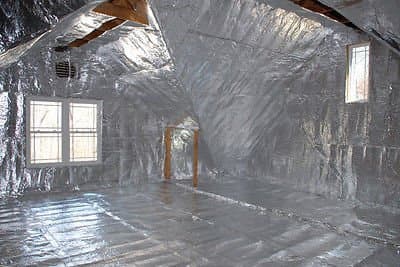
If your energy bills climb every winter and summer no matter what you do to your HVAC system, the attic is often the real culprit. Heat rises, and an under-insulated attic lets conditioned air escape, or lets outside heat pour in, faster than most homeowners realize. Finding the best attic insulation for your home means understanding a few basics: which material actually fits your attic's shape and access, how much R-value your climate calls for, and whether the job is realistic to tackle yourself. In this guide, you'll learn how the main insulation types compare, how much insulation is actually enough, why ventilation matters just as much as the insulation itself, and what to expect from either a DIY project or a professional installation.


Attic Insulation Types: Batts, Blown-In, and Spray Foam Compared
Most attics use one of three insulation approaches, and each one solves a slightly different problem. Choosing the best attic insulation option for your home usually comes down to your attic's layout, whether it has obstructions like wiring and ductwork, and how much of the work you want to do yourself.
Fiberglass Batts and Rolls
Batt insulation comes in pre-cut sections sized to fit between standard joist spacing, which makes it one of the more approachable options for a hands-on homeowner. It's widely available and reasonably priced, but it only performs as rated when it's installed without gaps, compression, or voids. In an attic with irregular framing, recessed lighting, or lots of wiring, batts are harder to fit tightly, and any gap becomes a direct path for heat loss.
Blown-In Fiberglass and Cellulose
Blown-in insulation, whether fiberglass or cellulose, is loose material distributed evenly across the attic floor with specialized equipment. Because it settles into irregular spaces and around obstructions, it typically covers more of the attic surface than batts do, which matters more for real-world performance than the R-value printed on the bag. Cellulose in particular is often praised for balancing coverage, cost, and comfort, since it's dense enough to resist air movement better than loose fiberglass.
Spray Foam Insulation
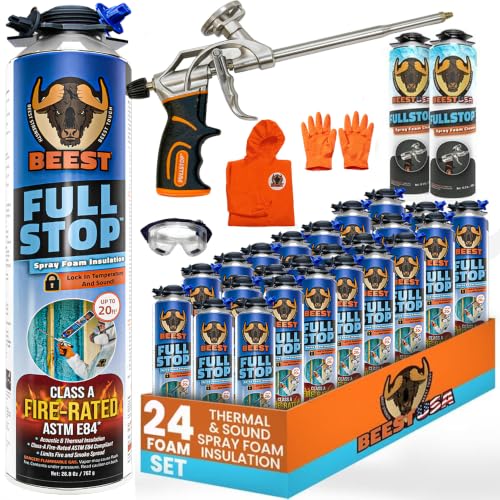
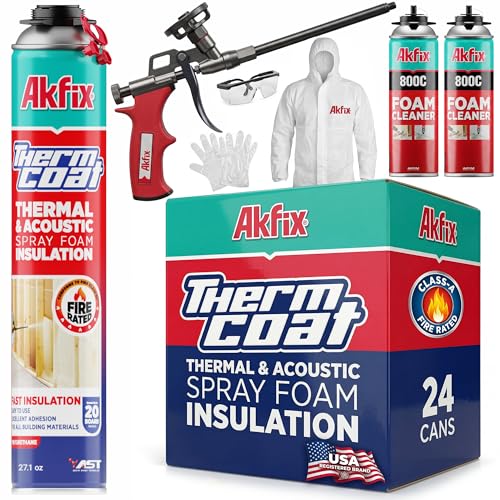
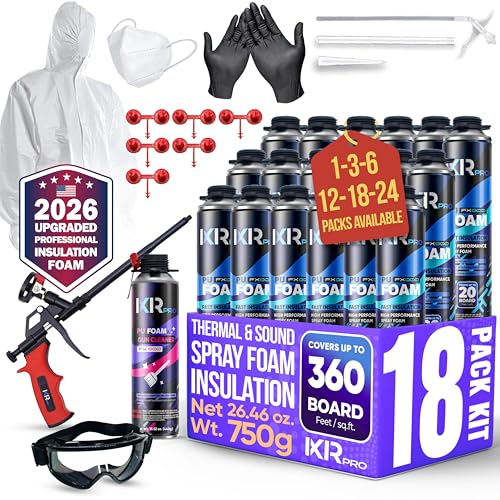
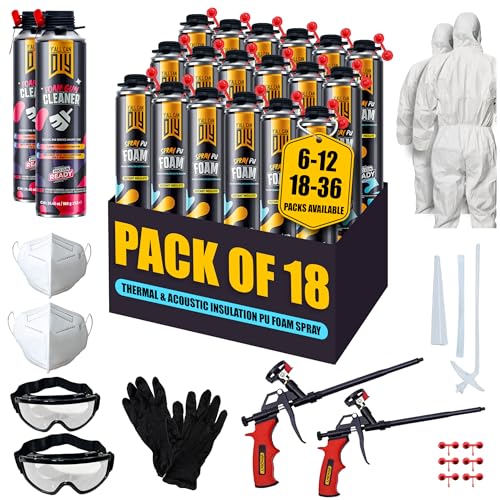
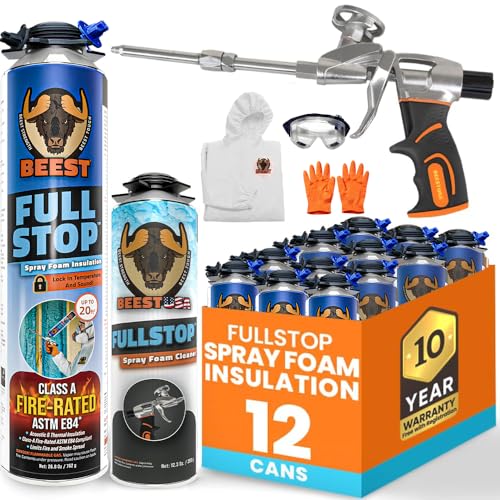
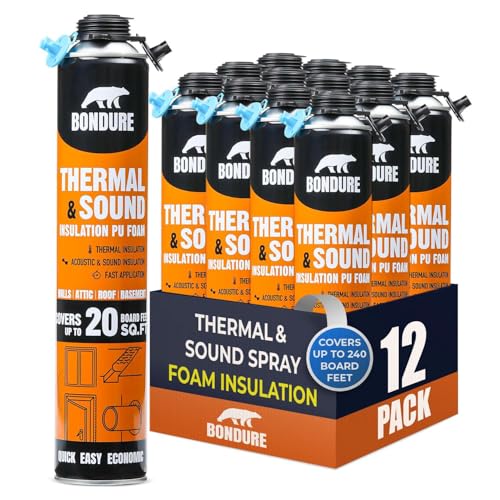
Spray foam delivers the highest R-value per inch of any common attic insulation material, and it doubles as an air seal since it expands to fill cracks and gaps as it cures. That performance comes at a higher price, and it's a job best left to a trained installer rather than a weekend project, since application requires specific equipment and safety precautions.
How Much R-Value Your Attic Actually Needs
Picking a material only solves half the equation. The other half is making sure you have enough of it, since even the best attic insulation underperforms badly when it's too thin for your climate.
What R-Value Measures and Why It Matters
R-value measures a material's resistance to heat flow. The higher the number, the better that layer resists heat moving through it in either direction, which is why attics in colder climates need a noticeably higher R-value than attics in mild ones. This is also why comparing insulation purely on price per bag or per roll can be misleading, since two products with very different R-values might look similar sitting next to each other on a shelf.
Matching R-Value to Your Climate Zone
Building science guidelines generally recommend attic insulation somewhere between R-30 and R-60 depending on where you live, with colder northern climates landing at the higher end of that range. As a rough physical guide, hitting the R-49 to R-60 range typically means somewhere around 14 to 20 inches of loose-fill fiberglass or cellulose, while spray foam can reach similar performance in roughly half that depth. Thin insulation during summer heat also means your air conditioning has to work harder to keep the house comfortable, which shows up directly on your cooling bill.
Signs Your Current Insulation Is Too Thin
If you can still clearly see the tops of your attic floor joists poking up through the insulation, that's usually a sign you're under the recommended depth and it's time to look into the best attic insulation upgrade for your climate. Other clues include rooms that are noticeably harder to heat or cool than the rest of the house, ice dams forming along the roof edge in winter, and energy bills that keep climbing even after you've ruled out an aging HVAC system.
Air Sealing and Ventilation: The Step Most Homeowners Skip
Insulation alone can't fully solve a leaky, poorly ventilated attic, and skipping this step is one of the most common reasons a fresh insulation job underperforms.
Why Air Sealing Should Come Before Insulating
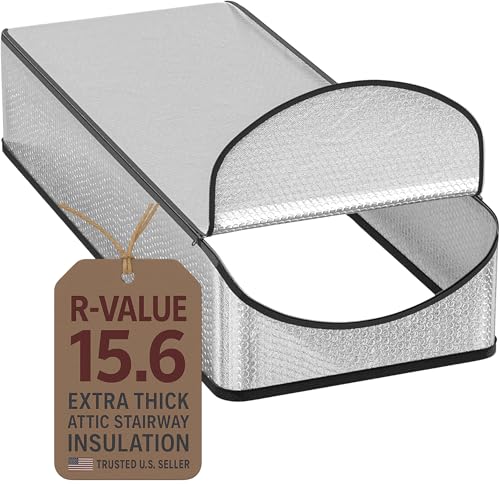
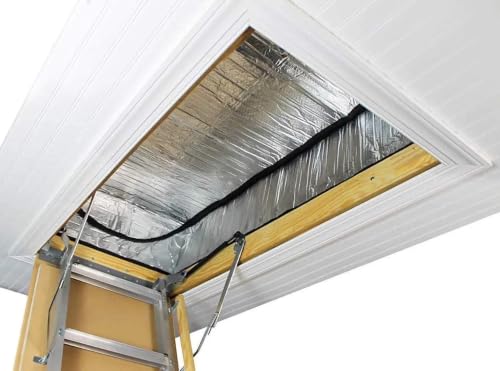
Warm, moist indoor air constantly tries to escape upward through gaps around recessed lights, plumbing chases, wiring penetrations, and the attic hatch itself. If those gaps aren't sealed first, insulation just sits on top of a leaky ceiling instead of fixing the underlying problem, and that escaping moisture can condense once it hits cold air near the roof deck. Sealing these gaps with caulk or expanding foam, using a caulking gun for the smaller penetrations, is a low-cost step that makes whatever insulation you add afterward far more effective.
Keeping Soffit and Ridge Vents Clear
Attics need continuous airflow from the soffit vents under the eaves up to the ridge or roof vents at the top, and it's easy to accidentally block that path when adding new insulation. Baffles installed at the eaves keep a clear air channel open so insulation doesn't spill over and choke off the intake vents. In hotter climates, some homeowners also add powered attic fans to move hot, humid air out faster, though proper passive ventilation should still be the foundation either way.
DIY Installation vs Hiring a Professional
Once you've settled on a material and target R-value, the next decision is who actually installs it, and that answer depends heavily on your attic's condition.
When a DIY Approach Makes Sense
Fiberglass batts and rolls are the most realistic DIY option for an attic that's open, accessible, and free of major obstructions. Expect it to take a full weekend for an average attic once you factor in inspecting the space, buying materials, and carefully fitting batts around joists without compressing them. Basic blown-in equipment is also available to rent, though achieving even coverage takes more practice than it looks.
When to Call a Professional
A professional installer makes more sense when your attic has limited access, existing insulation that needs to be removed first, signs of pest contamination, or complex framing that's hard to work around safely. Spray foam specifically should always be installed by a trained crew, since it involves specialized equipment and protective gear. A pro can also diagnose air sealing and ventilation issues at the same time, rather than treating insulation as a standalone fix.
What Attic Insulation Typically Costs
Budget is often the deciding factor in choosing the best attic insulation for a given project. Material and labor costs vary widely based on your attic's size, the insulation type you choose, and how much air sealing or prep work is needed first. Blown-in insulation tends to be the most budget-friendly option per square foot, while foam board and spray foam sit at the higher end because of the labor and equipment involved. Removing old, contaminated insulation before adding new material also adds to the total, so it's worth asking any contractor whether that's included in their quote. Because attic insulation directly affects how hard your furnace has to work through the colder months, many homeowners find the investment pays for itself over a few heating seasons through lower energy bills.
Frequently Asked Questions
What is the best type of insulation for an attic?
There's no single best attic insulation type for every home. Blown-in cellulose or fiberglass works well for irregular or obstructed attics, fiberglass batts suit open, accessible spaces on a budget, and spray foam offers the highest performance for homeowners willing to pay more and hire a professional.
How many inches of attic insulation do I need?
Most homes need somewhere between 10 and 20 inches, depending on the material and your climate zone. Colder regions generally call for the higher end of that range, while milder climates can get by with less.
Can you add new insulation over old insulation?
In most cases, yes, as long as the existing insulation is dry, clean, and free of mold or pest damage. If the old insulation is wet, compressed flat, or contaminated, it should be removed first so the new layer performs as expected.
Is blown-in or batt insulation better?
Blown-in insulation generally covers irregular spaces and obstructions more completely, which often makes it perform closer to its rated R-value in real conditions. Batts cost less and are easier to install yourself in an open, accessible attic, so the better choice depends on your attic's layout and your budget.
Does attic insulation cause mold or moisture problems?
Insulation itself doesn't cause moisture problems, but installing it without addressing air sealing and ventilation can make existing issues worse. Blocked soffit vents or unsealed air leaks from the living space are the usual culprits, not the insulation material itself.
How long does attic insulation last?
Fiberglass and cellulose insulation can last several decades if they stay dry and undisturbed, though they can settle and lose some effectiveness over time. Spray foam tends to hold its performance the longest since it doesn't compress or settle the way loose-fill materials can.
Getting Your Attic Insulation Right
Choosing the best attic insulation for your home comes down to matching the right material to your attic's layout, hitting the R-value your climate calls for, and making sure air sealing and ventilation are handled alongside it, not as an afterthought. Get those three pieces right, and the payoff shows up in lower energy bills and a more comfortable home in every season.