Best Dolby Atmos Soundbars for Immersive Home Theater Sound
Disclosure: We may earn a commission when you buy through links on this page, at no extra cost to you. As an Amazon Associate I earn from qualifying purchases. Learn more
Discover what actually makes a soundbar deliver true Dolby Atmos overhead sound, from channel configurations to room shape and connectivity.
Flat, front-facing audio makes even the biggest blockbuster feel small, no matter how sharp the picture looks. The best Dolby Atmos soundbars add height and depth to a movie's sound field, bouncing audio off the ceiling or routing it through dedicated speakers so effects genuinely feel like they're moving above and around you. This guide breaks down what actually separates a convincing object-based audio setup from a soundbar that lists Atmos on the box but barely delivers it in practice.

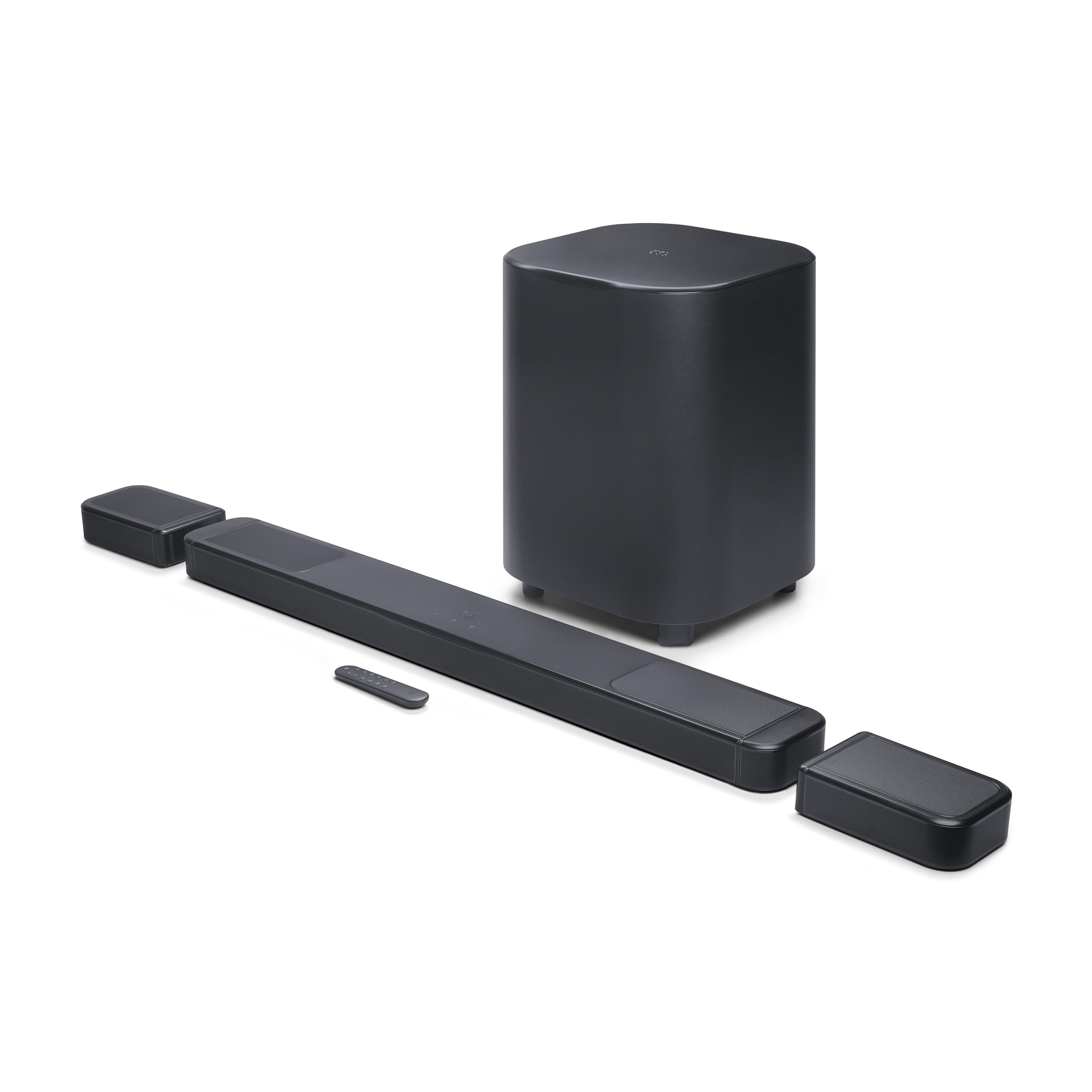

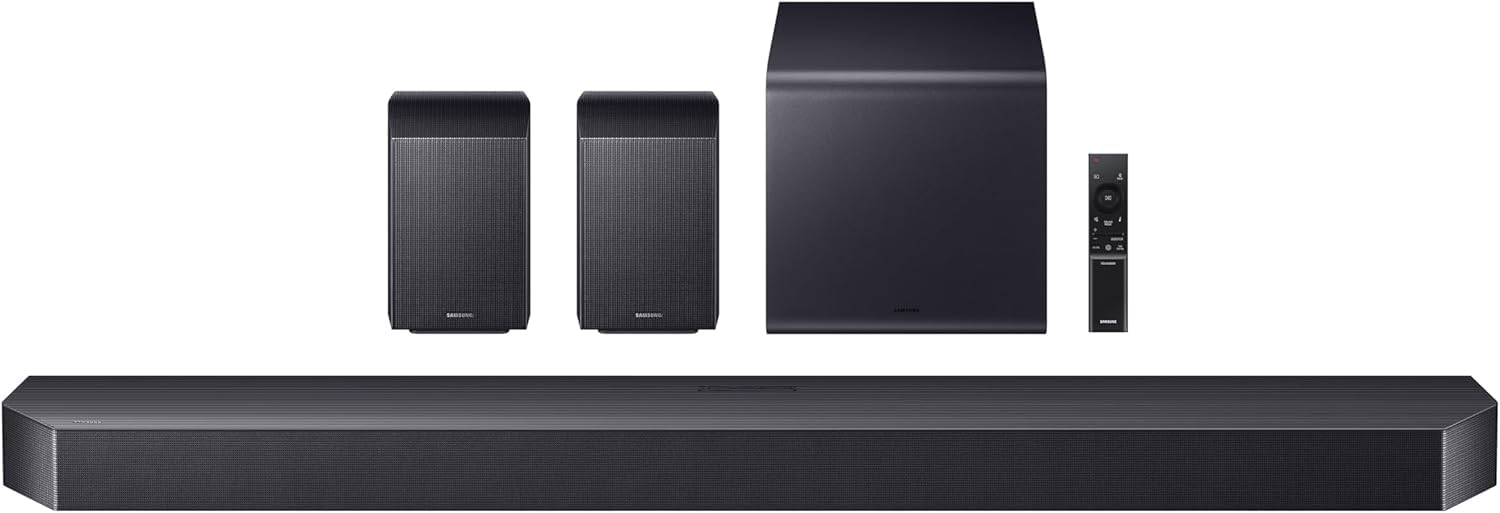


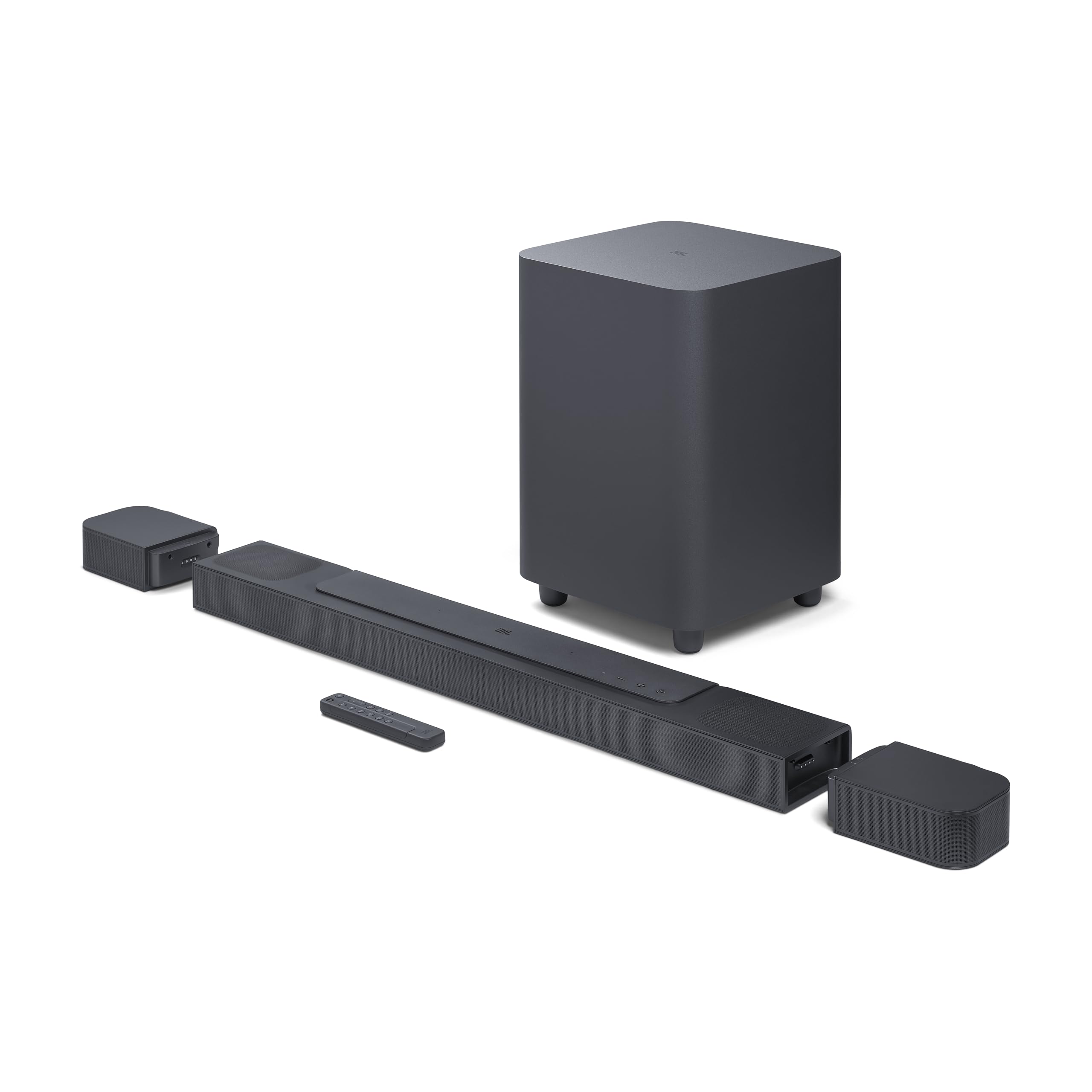


How Dolby Atmos Actually Works on a Soundbar
Traditional surround sound assigns audio to fixed channels like left, right, and center, while Dolby Atmos treats individual sounds as objects that can be placed anywhere in three-dimensional space, including overhead. A soundbar reproduces that height layer either through upward-firing drivers that bounce sound off the ceiling or through separate height speakers positioned near listening height, and the two approaches sound noticeably different depending on your room.
Object-based surround sound only works as intended when the source content is actually mixed in Atmos, which most major streaming platforms and 4K Blu-rays now support, though older content and basic cable broadcasts typically fall back to standard stereo or 5.1 audio.
Upward-Firing Drivers Versus Dedicated Height Speakers
Upward-firing drivers built into the main soundbar bounce sound off a flat ceiling to simulate overhead effects, which works well in standard rectangular rooms with ceilings roughly eight to ten feet high. This approach keeps the setup compact since there's nothing extra to place around the room, but it loses effectiveness in rooms with vaulted, angled, or unusually high ceilings.
Systems with dedicated height speakers, whether built into satellite rear speakers or separate modules, place drivers closer to ear level and angle them upward, delivering more consistent overhead cues regardless of ceiling shape. This setup takes more effort to position correctly but tends to hold up better in rooms where ceiling bounce simply isn't reliable.
Understanding Channel Configurations
Soundbar spec sheets list configurations like 3.1.2 or 5.1.4, and each number tells you something specific about the system's layout. The first number is the count of main channels, the second is the number of subwoofers, and the third is the number of height channels dedicated to overhead effects.
A 3.1.2 setup covers the basics with left, center, and right channels plus two height speakers, which suits smaller rooms and casual viewing well. Stepping up to 5.1.2 or higher adds dedicated rear surround channels, giving a noticeably wider and more enveloping sound field for anyone who watches movies or plays games regularly in a larger living room.
Room Shape and Ceiling Type Matter More Than Spec Sheets Suggest
A soundbar that performs beautifully in one living room can sound flat and directionless in another, purely because of ceiling height, material, and room shape. Reflective, flat, hard ceilings under about ten feet give upward-firing drivers the best chance to create a convincing overhead illusion.
Vaulted ceilings, exposed beams, acoustic tile, or open-concept layouts scatter or absorb that reflected sound, weakening the height effect considerably. Anyone with a challenging room layout generally gets more reliable results from a system using dedicated height speakers rather than relying entirely on ceiling bounce.
Wireless Subwoofers and Rear Speaker Expansion
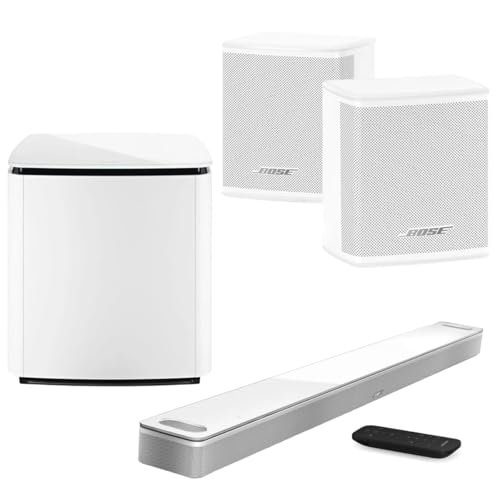
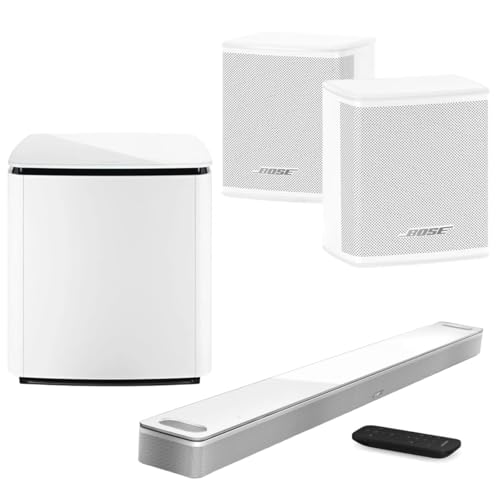
Most higher-end Atmos systems pair the main bar with a wireless subwoofer for low-end impact, freeing you from running a cable across the room to place it wherever bass response sounds best. Many systems also support add-on wireless rear speakers, which upgrade a front-heavy setup into genuine surround sound by placing audio behind the listening position rather than only in front of it.
Checking whether rear speakers and subwoofers can be added later, rather than requiring a full system purchase upfront, gives you room to build out a home theater setup gradually as budget allows.
Connectivity That Keeps Up With Modern Sources
A dedicated eARC connection through HDMI is the most reliable way to pass full, uncompressed Atmos audio from a TV to a soundbar, so checking for that port rather than relying solely on optical is worth the extra attention. Optical connections physically cannot carry the full Atmos bitstream, which limits playback to a compressed, less accurate version of the height and surround information.
Newer soundbars increasingly include HDMI 2.1 passthrough, supporting higher frame rates and resolutions for gaming consoles and 4K sources without creating a bottleneck between your TV and other devices.
Common Setup Mistakes That Flatten the Effect
Placing a soundbar inside a cabinet or behind a TV stand lip blocks upward-firing drivers from reaching the ceiling at all, which quietly kills the height effect before it has a chance to work. Keeping the top of the bar unobstructed, and roughly centered below the screen, gives the reflected sound a clear, even path upward.
Leaving the system on its default audio mode is another common oversight, since many soundbars ship with a general enhancement setting rather than a dedicated Atmos or cinema mode that actually prioritizes height and surround processing. Running the automatic room calibration feature included with most higher-end systems, usually through a included microphone or companion app, also helps the soundbar adjust output levels to your room's specific dimensions and furniture layout.
Frequently Asked Questions
Do I need a specific TV to use a Dolby Atmos soundbar?
The soundbar itself decodes Atmos audio, but your TV or source device needs to support passing an Atmos signal through, which is why an eARC-enabled HDMI connection matters more than the TV's own speakers.
Will regular TV shows sound better through an Atmos soundbar?
Content that isn't mixed in Atmos still benefits from a soundbar's improved clarity and bass over built-in TV speakers, though the overhead height effect only appears with Atmos-encoded source material.
Is a soundbar with upward-firing speakers enough, or do I need height speakers too?
Upward-firing drivers work well in typical rooms with flat, low ceilings, but rooms with vaulted or unusually shaped ceilings generally benefit more from dedicated height speakers.
How many height channels do I actually need?
Two height channels handle basic overhead effects well for smaller rooms, while four height channels create a more precise and enveloping sense of space in larger rooms or dedicated home theaters.
Can I add rear surround speakers later instead of buying them upfront?
Many Atmos soundbar systems support adding wireless rear speakers after the initial purchase, which lets you start with the main bar and subwoofer and expand the setup over time.
Does room size affect which configuration I should choose?
Yes, smaller rooms generally do well with simpler 3.1.2 setups, while larger or more open living rooms benefit from additional channels to fill the space evenly.
Is optical audio good enough for Dolby Atmos?
No, optical connections cannot carry the full Atmos bitstream, so an HDMI eARC connection is necessary to experience true, uncompressed object-based audio.
Bringing the Cinema Experience Home
Choosing among the best Dolby Atmos soundbars comes down to matching the system's speaker layout and connectivity to your room's actual shape and your viewing habits. A setup that sounds spectacular in a showroom can underperform at home if the ceiling, room size, or connections don't support it properly. Paying attention to these details before buying makes the difference between a soundbar that truly surrounds you and one that just sits there sounding louder.
Related reading: best soundbars under 200 and best 65 inch oled tv.