
Best Dish Scrubbers: How to Choose the Right One
Disclosure: We may earn a commission when you buy through links on this page, at no extra cost to you. As an Amazon Associate we earn from qualifying purchases. Learn more
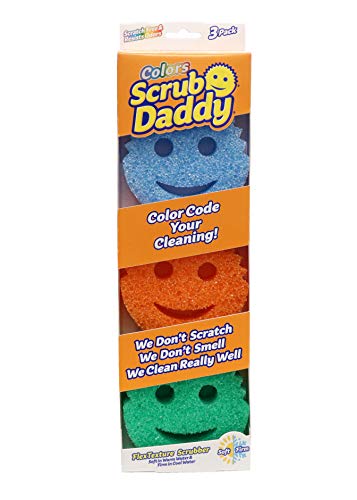
Your kitchen sink probably harbors more bacteria than your toilet handle, and the culprit is usually sitting right next to the faucet: a scrubber or sponge that has been trapping food particles and moisture for weeks. Picking the best dish scrubbers for your kitchen is not just about price or looks. It comes down to matching the material to your cookware, keeping odor and bacteria in check, and knowing when to toss the thing and start fresh. In this guide, you will learn the real differences between loofah, silicone, coconut fiber, and steel wool, how to avoid scratching your favorite pan, and how long a scrubber should realistically last before it becomes a liability.


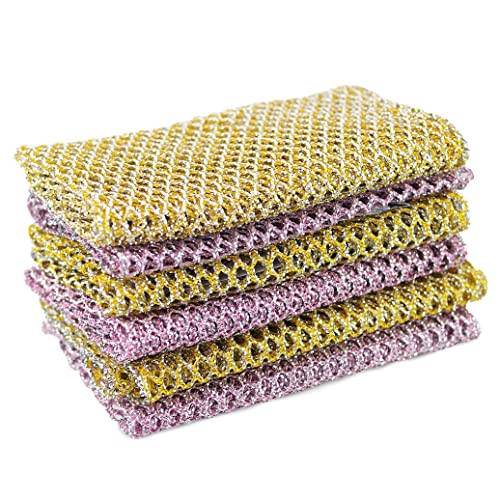

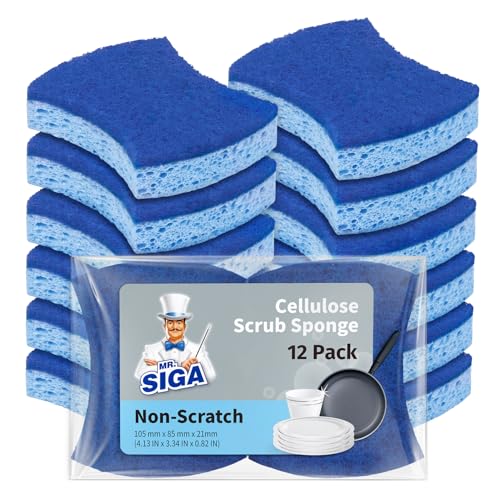
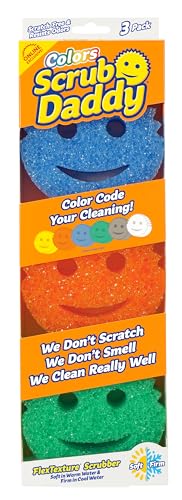


Types of Dish Scrubbers and What Each One Is Actually Good For
Dish scrubbers are not interchangeable. Each material behaves differently in water, wears out at a different rate, and suits a different kind of mess. Knowing the basic categories makes it much easier to shop with confidence instead of grabbing whatever is on the end cap at the store.
Most kitchens end up needing more than one type anyway. A search for the best dish scrubbers often turns up a single "winner," but in practice most households keep at least two on hand, one soft option for everyday plates and glasses, and one firmer option reserved for pots, pans, and baked-on messes.
Loofah and Plant-Fiber Scrubbers
Loofah comes from the fibrous interior of a gourd, and it is full of tiny channels that trap soap and water while gently lifting food residue. That texture makes it a favorite for glassware, ceramics, and everyday dishes that do not need heavy abrasion. Loofah also breaks down naturally, which appeals to anyone trying to cut back on plastic waste in the kitchen. It does compress and soften with use, so expect to replace it more often than a synthetic option. Pair one with a gentle dish soap built for everyday use and it will handle most routine cleanup without any risk of scratching.
Silicone Scrubbers
Silicone scrubbers use flexible nubs instead of fibers, and because the material is non-porous, it does not soak up water or food particles the way a sponge does. That makes it dry faster and resist smell longer, though it does not have the same wicking action as loofah, so it can feel less effective on baked-on grime. Most silicone scrubbers are dishwasher safe, which is a real advantage if you want one less thing to hand wash, and the flat handled versions also double as a gentle scrubber for produce.
Coconut Fiber and Walnut Scrubbers
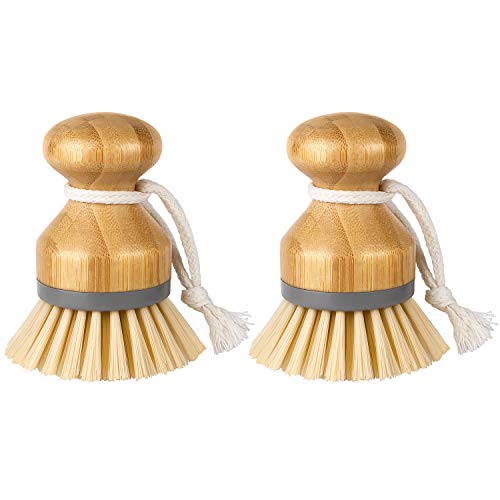
Made from coconut husks or crushed walnut shells, these scrubbers have a coarser texture that is genuinely good at cutting through grease and stuck-on food on pots and pans. They are sturdier than loofah and typically hold up for weeks of regular use. Most are safe on the top rack of a dishwasher, and like loofah, they are biodegradable when you are finally ready to replace them. The trade-off is a rougher feel in the hand, which some people prefer to pair with a scrubber that has a molded grip rather than a loose pad.
Steel Wool and Scouring Pads
Steel wool is the most aggressive option on this list, and it earns its reputation on cast iron, grill grates, and cookware that can take a beating. The fine metal fibers can nick bare skin, so many people keep a pair of dishwashing gloves nearby whenever they reach for a scouring pad. Steel wool should never touch nonstick, ceramic, or anodized aluminum surfaces, since it will strip the coating almost immediately, and it will also rust if it sits in a puddle of water between uses.
Bristle Brushes and Dish Wands
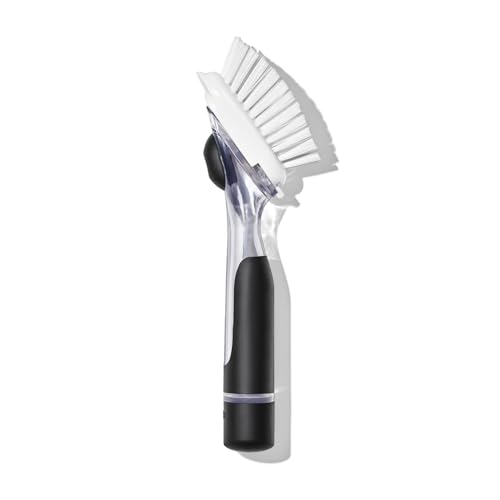
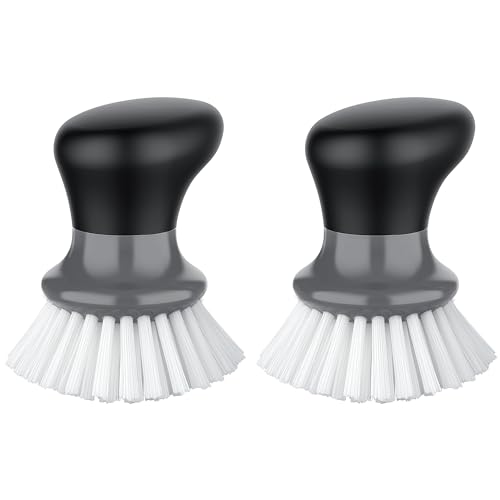
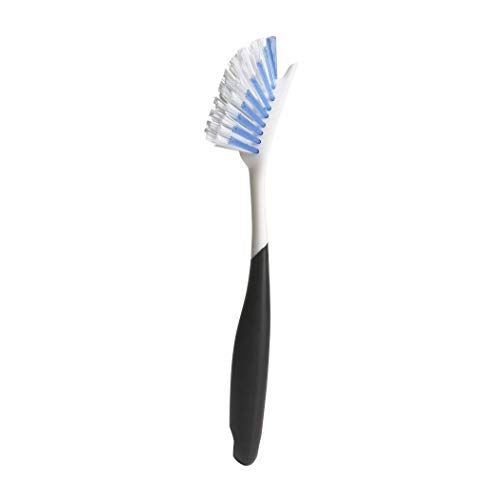
A handled brush or dish wand keeps your hands out of dirty water and gives you more leverage for scrubbing without pressing hard. Nylon or polypropylene bristles are firm enough for daily dishes without scratching most surfaces, and the long handle makes it easier to reach the bottom of tall bottles or cups. Many people keep a wand for everyday plates and a separate pad or brush on hand for pots and pans. Look for a brush with replaceable heads if you want to cut down on how much you throw away over a year.
Matching Scrubber Abrasiveness to Your Cookware
The single biggest mistake people make when shopping for a scrubber is buying one tool for every surface in the kitchen. The right choice depends far more on what you are cleaning than on brand or price.
Nonstick and Ceramic-Coated Pans
These surfaces call for the softest option you own. A silicone scrubber, a soft loofah, or a brush labeled non-scratch will lift residue without scraping the coating. Once that surface is damaged, food starts sticking again almost immediately, so it pays to be cautious even when a pan looks like it can take more pressure. If a pan has stubborn baked-on residue, soak it in warm soapy water for a few minutes before scrubbing rather than reaching for a harsher tool.
Stainless Steel and Cast Iron
Stainless steel can handle a firmer scrub, and cast iron practically demands one. Coconut fiber, a stiff bristle brush, or a scouring pad will cut through stuck-on food without much fuss. Just remember that steel wool strips the seasoning on cast iron, so a stiff brush or coarse fiber pad is usually the better long-term choice. For stainless pots with heavy scorching, a little baking soda alongside your scrubber will lift residue without needing to scrub harder than necessary.
Glassware and Delicate Dishes
Fine glassware, nonstick bakeware, and anything with a painted or printed finish deserves the gentlest scrubber you own. Loofah and soft silicone both work well here, since they clean effectively without the risk of fine scratches that dull glass over time. Hand painted or gold rimmed dishes are especially worth protecting, since even a mild abrasive pad can wear away decorative finishes faster than everyday plates.
Why Some Scrubbers Smell Bad Fast (and How to Avoid It)
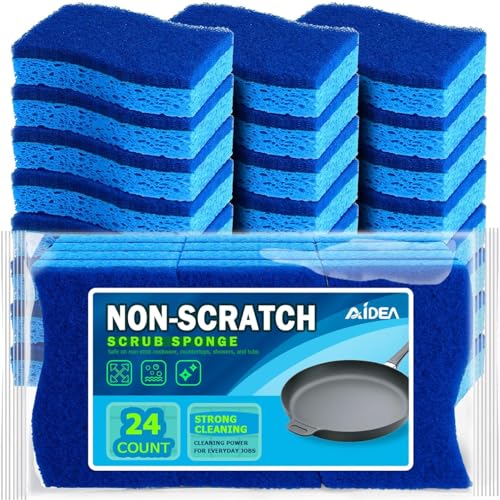
A musty smell developing within a week is one of the most common complaints about traditional sponges, and the reason comes down to material science rather than bad luck. Porous materials like cellulose sponges are full of microscopic holes that trap food particles and stay damp long after you set them down, creating an ideal environment for bacteria and mold. Non-porous options like silicone, and fast-drying fibers like coconut and loofah, do not hold onto moisture the same way, so they naturally resist that sour smell much longer.
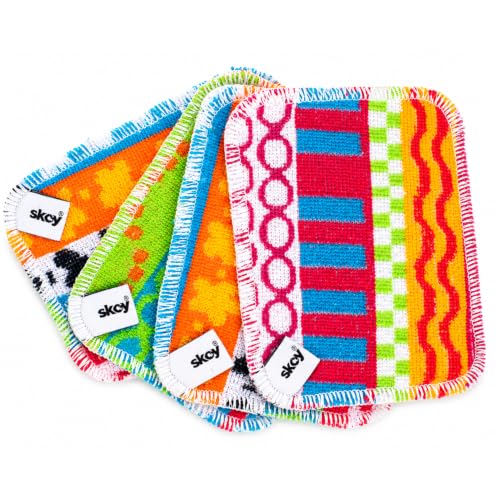
A few habits make an even bigger difference than the material itself. Always wring out and stand your scrubber upright so air can reach every side, rather than leaving it flat in a puddle at the bottom of the sink. Some people also rotate between a scrubber and a set of dishcloths so nothing stays wet and in use around the clock. Running a scrubber through the dishwasher's hot cycle, or microwaving a damp one for about a minute, kills the vast majority of odor-causing bacteria if you want a deeper reset between replacements.
How Long a Dish Scrubber Should Last Before You Toss It
There is no single universal answer, but most cleaning experts land somewhere between one and three weeks for a sponge used daily, or roughly every thirty uses if you want a simpler rule of thumb. Firmer tools like bristle brushes, silicone scrubbers, and coconut fiber pads last considerably longer, often a couple of months, since they are less prone to holding bacteria and less likely to physically fall apart.
Watch for practical warning signs rather than clock-watching alone. A sour smell that returns right after washing, visible fraying or flattened bristles, and food residue that will not rinse away are all signs it is time for a fresh one. Standing your scrubber somewhere it can fully air dry, ideally alongside a dish drying mat instead of a wet sink basin, will noticeably extend its useful life between replacements.
Frequently Asked Questions
What is the most hygienic dish scrubber?
Non-porous materials like silicone tend to be the most hygienic since they dry quickly and do not trap moisture the way sponges do. Coconut fiber and walnut scrubbers are a close second, drying fast while still offering real scrubbing power.
What dish scrubber won't scratch nonstick pans?
Look for silicone scrubbers, soft loofah, or any product specifically labeled non-scratch. Avoid steel wool and coarse scouring pads entirely on nonstick and ceramic-coated cookware.
How often should you replace a dish scrubber?
Sponges used daily generally need replacing every one to three weeks, or after about thirty uses. Firmer tools like bristle brushes and silicone scrubbers can often go a couple of months before they need swapping out.
Are silicone scrubbers better than sponges?
Silicone resists odor and bacteria far better because it is non-porous, and it usually lasts much longer. It is not always as effective on heavily baked-on food, so many households keep both on hand for different jobs.
Can you put a dish scrubber in the dishwasher?
Most silicone, coconut fiber, and bristle brush scrubbers are dishwasher safe on the top rack. Cellulose sponges and steel wool pads generally are not, so check the packaging before tossing one in.
What's the best eco-friendly dish scrubber material?
Loofah, coconut fiber, and walnut scrubbers are all biodegradable and made from renewable plant material, making them the top picks if reducing plastic waste is a priority.
Making Your Decision
There is no single best dish scrubbers pick that works for every kitchen. What matters is matching the material to your cookware, favoring options that dry quickly to keep bacteria at bay, and replacing the tool before it turns into a liability rather than a cleaning aid. Keep a soft option for nonstick pans, a firmer one for pots and cast iron, and you will get better results with less frustration every time you stand at the sink.