
Best Dish Soaps: A Buying Guide for Every Kitchen Sink
Disclosure: We may earn a commission when you buy through links on this page, at no extra cost to you. As an Amazon Associate we earn from qualifying purchases. Learn more
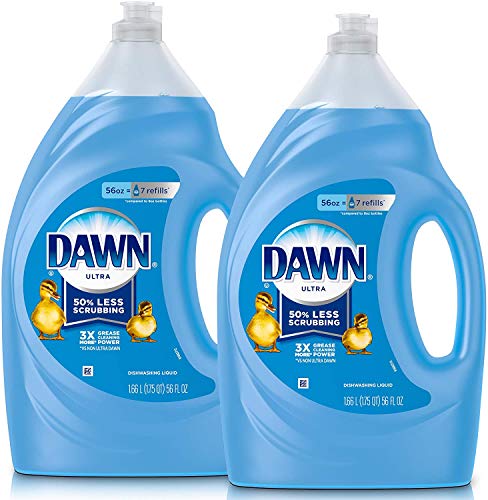
Your sink is full of last night's roasting pan, a stack of greasy plates, and a bottle of dish soap that either isn't cutting it or is leaving your hands red and raw by the time you're done. Picking the best dish soaps for your household comes down to a handful of real trade-offs: how well a formula lifts grease, how gentle it is on your skin, and whether the ingredients match what you want in your kitchen. This guide walks through what actually separates a great dish soap from a mediocre one, so you can shop with confidence instead of guessing at the shelf.

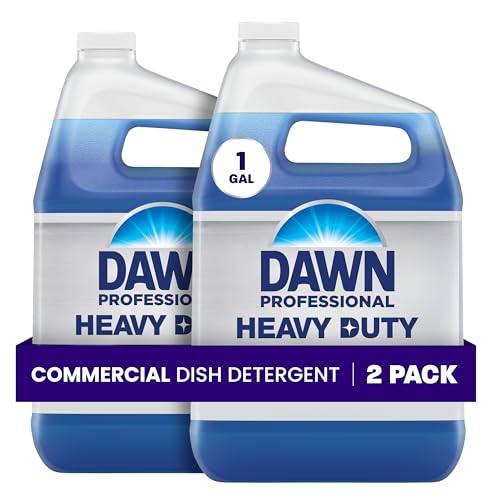
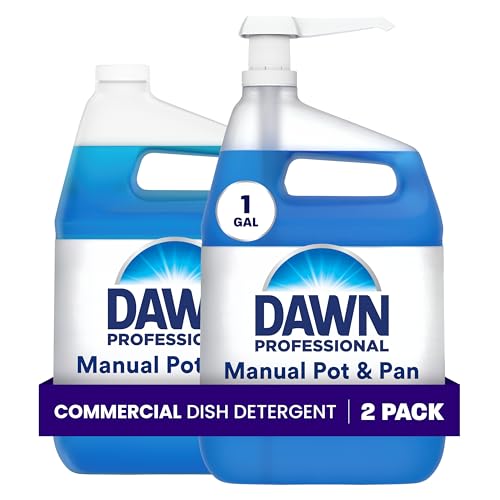
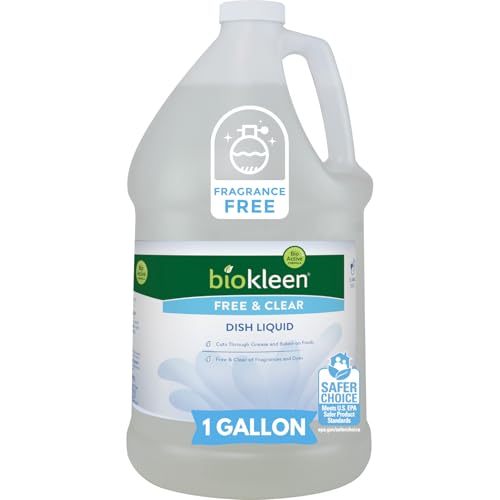
Grease-Cutting Power: What Actually Makes a Dish Soap Work
Grease-cutting ability is the single biggest reason people switch dish soaps, and it's the criterion every lab-tested review leads with. The good news is that grease-cutting performance isn't a mystery once you understand what's actually doing the work in the bottle. Among the best dish soaps on shelves right now, the strongest performers all share one thing: a formula built around a genuinely effective surfactant blend rather than a scent or a marketing claim.
The Surfactant Blend Matters More Than "Natural" vs "Synthetic"
The real engine behind any dish soap is its surfactant system, the cleaning agents that pull oil off a plate and keep it suspended in water instead of redepositing on your dishes. A common myth is that plant-based formulas are automatically weaker than conventional ones. In practice, both can perform well or poorly depending on the blend, the concentration, and how the formula rinses. A soap built around a single mild surfactant may lather beautifully but struggle with baked-on grease, while a well-formulated blend, plant-derived or not, can cut through a roasting pan with ease.
Signs a Formula Is Actually Cutting Through Grease
Watch how suds behave as you wash. A soap that keeps producing some lather even after several greasy items is generally doing its job; suds that vanish almost instantly on the first plate are a sign the formula is getting overwhelmed. Also pay attention to whether dishes feel slick or squeaky clean after rinsing. A residue-free rinse, even on glassware, is one of the clearest signs of a well-formulated grease-cutting dish soap. If you notice a filmy layer on glasses or silverware after they've dried, that's usually a rinsing or hard-water issue rather than a sign the soap itself is weak, so it's worth ruling that out before switching formulas. Once everything's rinsed, setting your dishes upside down on a good dish drying mat keeps water from pooling on the counter while they air dry.
Choosing a Formula That Won't Dry Out Your Hands
If you wash dishes by hand every day, the harshness of a soap matters just as much as how well it cleans. Frequent exposure to strong surfactants is one of the most common complaints from people who wash dishes without gloves, and it's a real reason to be selective rather than grabbing whatever's cheapest. The best dish soaps for daily hand-washing tend to balance cleaning power with a formula that doesn't leave your skin tight or cracked by the end of the week.
What to Check on the Label for Sensitive Skin
Look for formulas labeled hypoallergenic or "free and clear," which typically means no added dyes and no synthetic fragrance, two common irritants. A neutral pH is also worth checking, since highly alkaline formulas tend to strip the skin's natural oils faster. If your hands are already prone to dryness or eczema, pairing a gentler soap with rubber gloves during longer wash sessions, like after a big holiday meal, will do more for your skin than switching formulas alone.
Natural, Plant-Based, and Fragrance-Free: Reading the Label
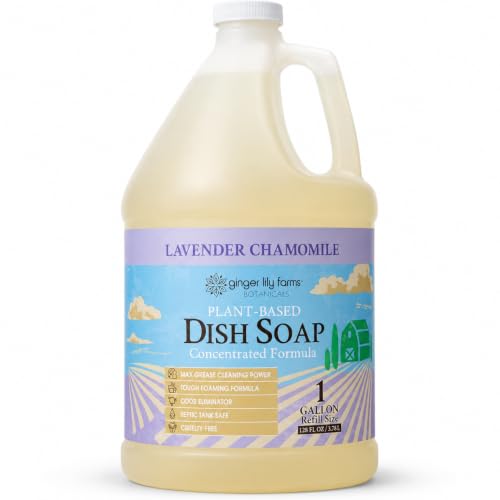
Plenty of shoppers now want a dish soap that skips synthetic fragrance, dyes, and certain harsh chemicals, whether for skin sensitivity, household air quality, or personal preference. Reading past the front-label marketing to the actual ingredient list is the only reliable way to know what you're getting, and it's usually the fastest way to spot the best dish soaps within a category rather than just the ones with the greenest-looking packaging.
Ingredients Worth Watching For
Sulfates like SLS and SLES are effective cleaners but can be harsher on skin at high concentrations, so formulas that use gentler plant-derived surfactants instead are worth a look if irritation is a concern. Phosphate-free is now standard across nearly every mainstream dish soap, but it's still worth confirming on the label if you're shopping secondhand or from a smaller brand. Essential oil-based scents are also generally easier on sensitive noses and lungs than synthetic fragrance blends, though "unscented" and "fragrance-free" aren't always the same thing, so check the ingredient list rather than the front label if that distinction matters to you. If you want a fully fragrance-free household lineup, a castile soap is another plant-based option worth comparing, since it's formulated for skin, dishes, and general household cleaning alike.
Is It Septic-Safe?
Most standard liquid dish soaps used in normal amounts are fine for septic systems, since they're biodegradable and don't contain phosphates. The bigger risk comes from antibacterial formulas, which can disrupt the bacteria your septic tank relies on to break down waste, and from simply overusing any detergent. If you also run a garbage disposal, be mindful of how much grease and food debris goes down the drain alongside your dish soap, since that combination affects septic and plumbing health more than the soap alone.
Getting the Most Out of Concentrated Formulas
Concentrated dish soaps often look expensive per bottle until you realize how little you actually need per wash. Understanding dilution is where most people either waste product or, less commonly, underuse it and wonder why their soap "doesn't work as well."
How Much to Actually Use
For a standard sink of warm water, a teaspoon or two of concentrated liquid is usually enough, far less than the generous squeeze most people are used to with diluted formulas. Check the cap or pump for dosing marks, since many concentrated bottles include a fill line for exactly this reason. Using far more than the label suggests doesn't clean any better; it mostly just means more rinsing and a bottle that empties faster than it should. If you mostly rely on a dishwasher for everyday loads and only hand-wash pots, pans, and delicate items, a smaller bottle of concentrated liquid dish soap will likely outlast a large bottle of a diluted one, even though the upfront price looks higher.
Frequently Asked Questions
What is the best dish soap for cutting grease?
Among the best dish soaps for grease, look for a formula with a well-balanced surfactant blend rather than judging by "natural" versus "synthetic" labeling alone. Soaps that keep producing suds through several greasy dishes and rinse clean without residue are generally the strongest grease-cutters.
Is natural dish soap as effective as regular dish soap?
Yes, when it's well-formulated. Plant-based surfactants can cut grease just as effectively as conventional ones; the difference comes down to the specific blend and concentration, not whether the ingredients are labeled natural.
What dish soap is best for sensitive skin?
Fragrance-free, dye-free, hypoallergenic formulas with a neutral pH tend to be gentlest, which is why they're usually recommended among the best dish soaps for reactive or dry skin. Pairing that kind of formula with rubber gloves for longer wash sessions offers the most protection for dry or irritated hands.
Is dish soap safe for septic systems?
Most standard, biodegradable dish soaps are safe for septic systems in normal amounts. Antibacterial formulas are the main exception, since they can harm the bacteria your septic tank needs to function properly.
Can you use dish soap in a dishwasher?
No. Regular liquid dish soap creates far too many suds for a dishwasher and can cause overflow and damage. Dishwashers require detergent specifically formulated for machine use, which behaves very differently from hand-washing liquid.
How much dish soap should you use per sink of water?
For a standard dish soap, a small squeeze is usually enough to build sufficient suds. Concentrated formulas need even less, often just a teaspoon or two, so check the label to avoid using more than necessary.
Does concentrated dish soap last longer?
Generally yes. Because you use a smaller amount per wash, a bottle of concentrated dish soap typically lasts through more sinkfuls than a same-sized bottle of a diluted formula, even though it can cost more upfront.
Making Your Decision
There's no single formula that's automatically the best dish soap for every household. Among the best dish soaps, the right pick depends on how much grease you're realistically dealing with, how your hands hold up to frequent washing, and whether ingredient transparency matters to you. Match the formula to those priorities, and you'll spend less time hunting for a replacement bottle every few weeks.