
Best Dishcloths for Kitchen: A Complete Buying Guide
Disclosure: We may earn a commission when you buy through links on this page, at no extra cost to you. As an Amazon Associate we earn from qualifying purchases. Learn more

A damp rag that smells sour by the next morning is one of the most common kitchen complaints there is, and it usually comes down to picking the wrong material in the first place. Not every cloth is built to dry fast, hold up to daily scrubbing, and rinse clean without leaving lint behind, and the differences between cotton, microfiber, and Swedish style cloths are bigger than most shoppers expect. This guide walks through what actually separates the best dishcloths for kitchen use from the ones that end up in the trash within two weeks, why odor keeps coming back no matter how often you wash them, and how many cloths you really need in rotation so you are never stuck reaching for a stinky one.
![Utopia Towels Blue Dish Towels [12 Pack - 15 x 25 in]...](https://images-na.ssl-images-amazon.com/images/I/41GnvDITdwL.jpg)


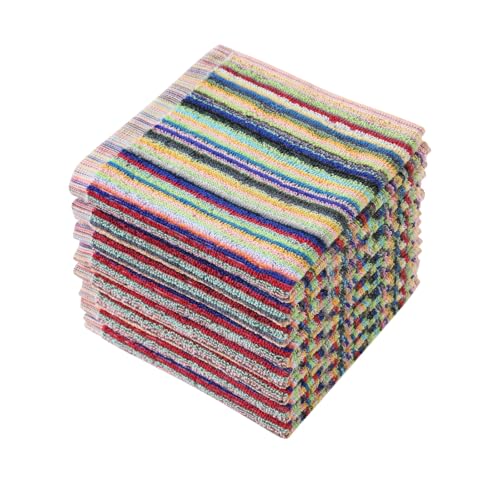
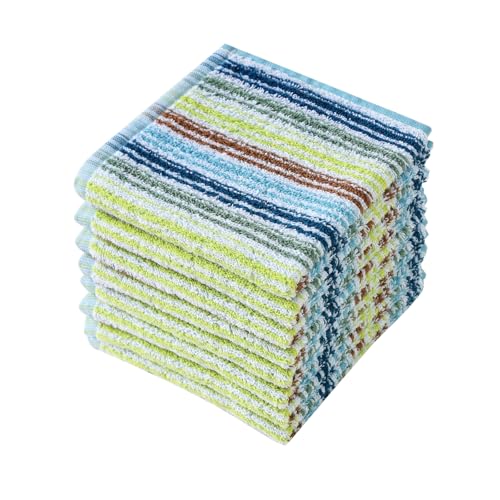
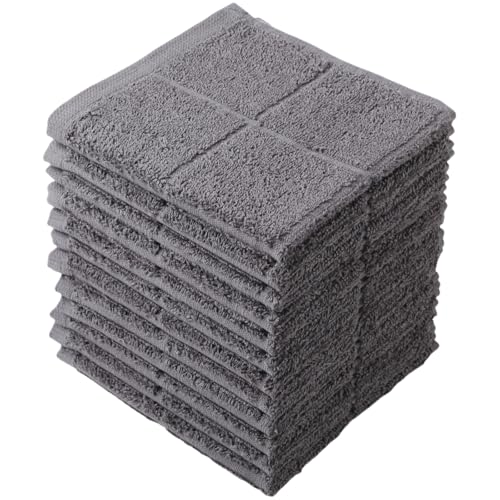
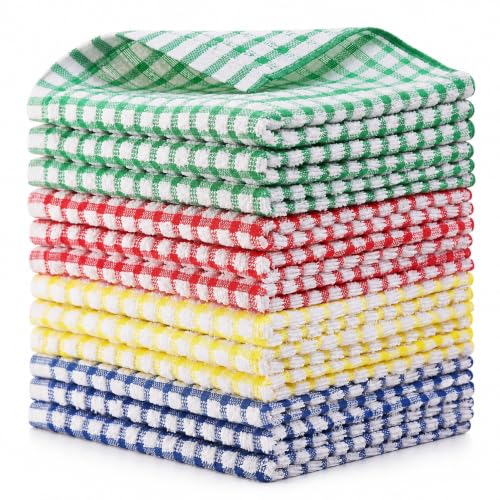
Material Matters: Cotton, Microfiber, and Swedish Dishcloths Compared
Almost every material decision comes down to one question: how fast does it dry? A cloth that stays damp for hours gives bacteria exactly the warm, moist environment they need to multiply, while a cloth that dries within thirty minutes never gets the chance. That single factor explains most of the performance gap between the three main types of dishcloths sold today, and it is the main thing that separates the best dishcloths for kitchen use from ones you will be tossing out in a few weeks.
Cotton Terry and Waffle Weave Cloths
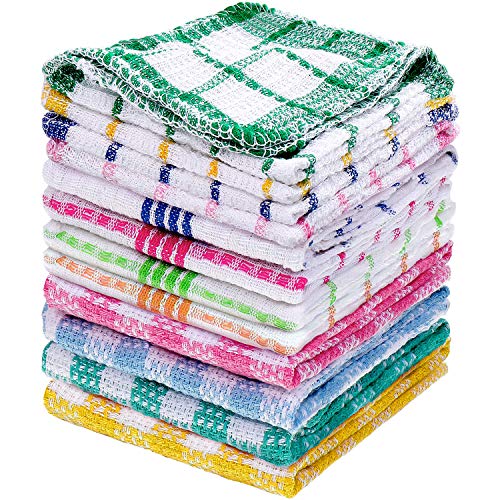
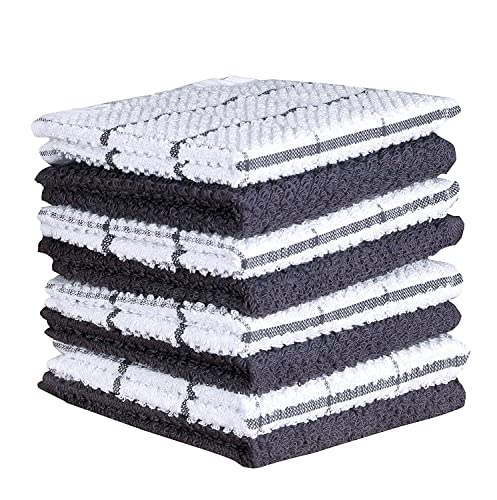
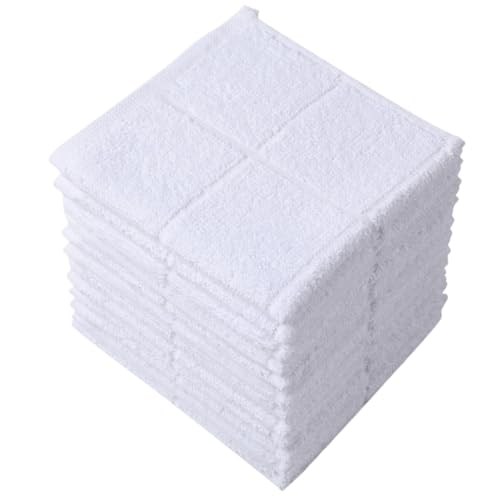
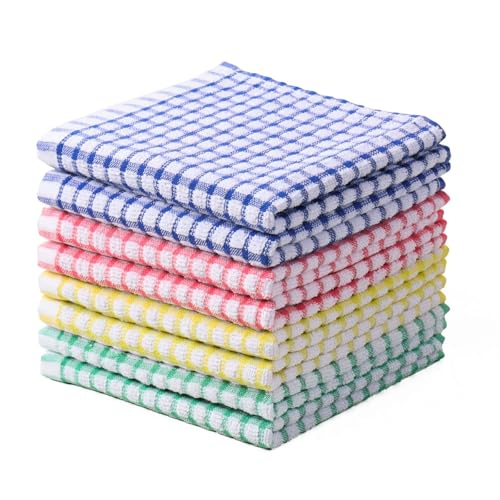
Cotton is the classic choice, and a waffle weave pattern in particular adds texture that scrubs stuck on food while still folding flat for storage. Cotton cloths are soft, machine washable with the rest of your laundry, and gentle enough for glassware and nonstick coatings. The tradeoff is drying time. Thick terry cotton can take two hours or more to dry completely, which is why it tends to develop odor fastest if it gets balled up wet in the sink. If you scrub a lot of greasy pans by hand, pairing a cotton cloth with a pair of dishwashing gloves keeps hot, soapy water off your skin while you work through a stack of dishes.
Microfiber Blends
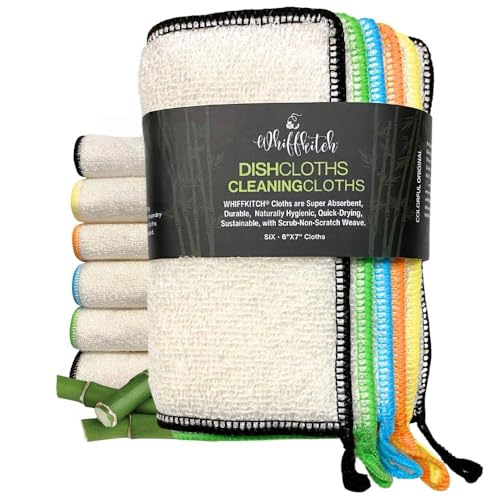
Microfiber cloths use much finer synthetic fibers than cotton, which gives them a larger surface area for grabbing grease and grime without needing much soap. They dry noticeably faster than cotton terry, which lowers the odor risk, but they also attract lint from cotton towels and clothing in the wash. Washing microfiber separately, ideally in a mesh laundry bag, keeps it performing well and prevents it from picking up fibers that end up smeared on your glassware later. For grease-heavy cooking, microfiber is often the top pick among the best dishcloths for kitchen tasks like wiping down stovetops and countertops.
Swedish Style Cellulose Cloths
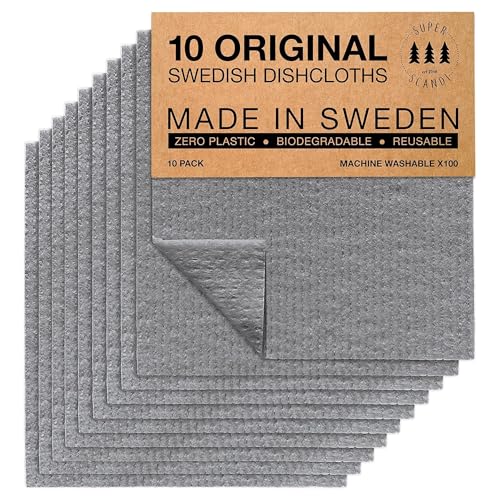
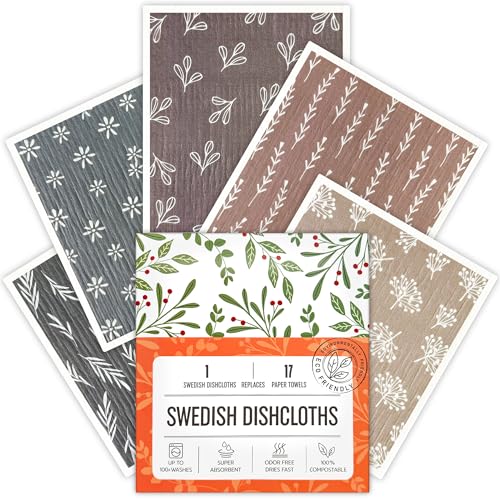
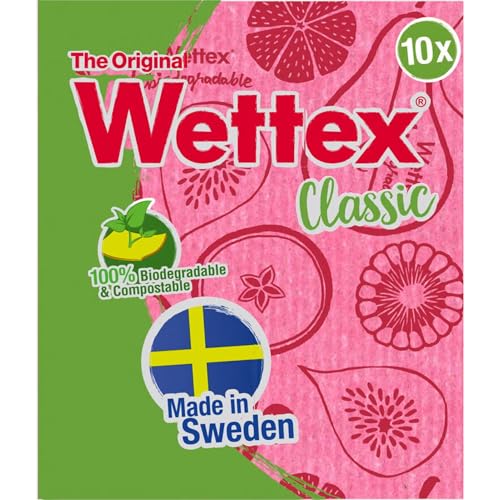
Swedish dishcloths are typically a blend of roughly seventy percent cellulose and thirty percent cotton, and they behave more like a sponge than a woven cloth. They can soak up an impressive amount of liquid relative to their size, dry in well under an hour, and hold up through dozens of machine wash cycles before they start to break down. Many households use them as a reusable substitute for paper towels at the counter, which fits naturally alongside other dish soap and cleaning habits people are trying to make less wasteful and more sustainable over time. That combination of absorbency and reusability is why they keep showing up on lists of the best dishcloths for kitchen shoppers who want to cut down on waste.
Why Your Dishcloth Keeps Smelling (and How to Stop It)
Food particles, warmth, and moisture are the three ingredients bacteria need to thrive, and a used dishcloth checks all three boxes by the time dinner is over. Rinsing a cloth under the tap removes visible debris, but it does not necessarily remove the bacteria hiding in the fibers, which is why a cloth can look clean and still smell off within a day.
The fix is less about scrubbing harder and more about changing habits. Wring the cloth out fully after every use instead of leaving it bunched up in a wet pile, rinse it with a bit of dish soap and hot water to cut through grease residue, and drape it somewhere it can breathe rather than folding it flat on a wet counter. If you are hunting for the best dishcloths for kitchen use and still fighting odor, the cloth itself may not be the problem. A cloth that gets a chance to dry between uses simply does not have time to build up the bacteria that cause that sour smell in the first place.
Washing and Drying Habits That Actually Extend Cloth Life
Even the best dishcloths for kitchen rotations will lose performance fast without the right wash routine. Most dishcloths can go straight into a regular laundry load, but a few small habits make a real difference in how long they last and how fresh they smell. Skip the fabric softener. It coats the fibers with a residue that blocks absorbency, which defeats the entire purpose of the cloth. Hot or warm water with a mild detergent is usually enough to lift grease and kill most odor causing bacteria.
Microfiber needs its own load, or at least a mesh bag, since it pulls lint off cotton items and vice versa. Bleach can be used occasionally on plain white cotton cloths, but it will break down cellulose based Swedish cloths faster and should generally be avoided on them. Once cloths come out of the wash, let them air out fully before folding them into a drawer. Draping a damp cloth over the edge of a dish drying mat next to the sink is an easy way to keep it exposed to air between washes instead of trapping moisture underneath dishes or cookware.
How Many Dishcloths You Actually Need in Rotation
One of the biggest reasons a household ends up with a smelly, overworked dishcloth is simply not owning enough of them. A single cloth that gets reused for several days straight never gets a real chance to dry out between uses, no matter how well it is made. Most kitchens do well with five to seven cloths in rotation, roughly one per day, so a fresh one is always ready while the previous day's cloth is washing and fully drying out.
Busy households that cook multiple meals a day, or homes with young kids and more spills, tend to go through cloths faster and may want closer to ten in rotation. Keeping a stash means you are less tempted to reach for the same damp rag twice, which ties directly back into smarter dishwashing routines that cut down on both water waste and the paper towels many people reach for instead. A well stocked rotation of the best dishcloths for kitchen use is one of the simplest upgrades you can make, and it matters just as much as which material you choose.
Frequently Asked Questions
What is the best material for a kitchen dishcloth?
There is no single best material for everyone. Cotton is soft and inexpensive but slower to dry, microfiber cuts grease well and dries faster, and Swedish style cellulose cloths combine high absorbency with quick drying and long-term durability.
Are Swedish dishcloths better than regular cotton dishcloths?
They are not strictly better, but they do outperform cotton on drying speed and absorbency, which lowers the odor risk. Cotton still wins on softness and price, so the right choice depends on what matters more to your household.
Why do dishcloths smell so bad so fast?
Warmth, moisture, and leftover food particles create ideal conditions for bacteria to multiply. A cloth that stays damp between uses will develop odor far faster than one that is wrung out and allowed to dry fully.
Can dishcloths go in the washing machine?
Yes, most cotton and microfiber dishcloths are machine washable. Avoid fabric softener since it reduces absorbency, and wash microfiber separately from lint-heavy fabrics to keep it performing well.
How often should you change your kitchen dishcloth?
Many households switch to a fresh cloth daily for hygiene, then retire the cloth itself once it stays damp longer than usual, feels thin, or keeps smelling even after washing, which typically happens after several months of regular use.
How many dishcloths should you own?
Five to seven is a reasonable starting point for most kitchens, giving you one for each day of the week while others are in the wash. Larger or busier households often keep closer to ten on hand.
Making Your Final Choice
Finding the best dishcloths for kitchen use comes down to matching material to how you actually use your kitchen. If you want something soft and familiar, cotton waffle weave is hard to beat. If grease cutting and quick drying matter more, microfiber earns its keep. If you want maximum absorbency with minimal laundry, a Swedish style cellulose cloth is worth trying. Whichever material you land on, keeping enough cloths in rotation and drying them properly between uses will do more for freshness than any single fabric choice on its own.