
Best Dish Drying Mats: How to Choose the Right One
Disclosure: We may earn a commission when you buy through links on this page, at no extra cost to you. As an Amazon Associate we earn from qualifying purchases. Learn more
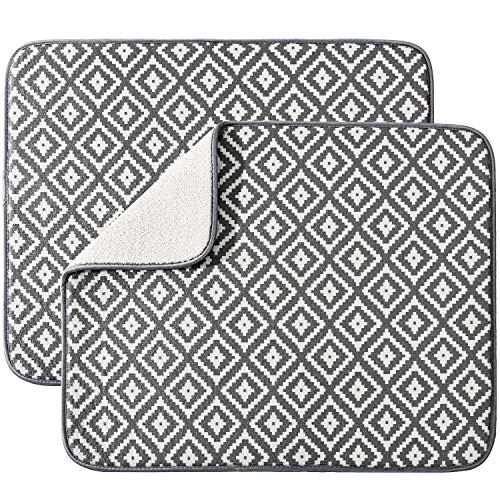
Your dish rack takes up half the counter, water pools under it, and it never quite matches the kitchen. If you have been eyeing a flatter, quieter alternative, you have probably started comparing the best dish drying mats and wondering whether they can really replace a rack without leaving you with soggy dishes or a musty smell. The short answer is that the right mat can absolutely do the job, but only if you pick the right material and size for how your household actually washes dishes. In this guide, you'll learn how mat materials differ, how to size one to your sink, how to keep it from growing mold, and when a rack still makes more sense.
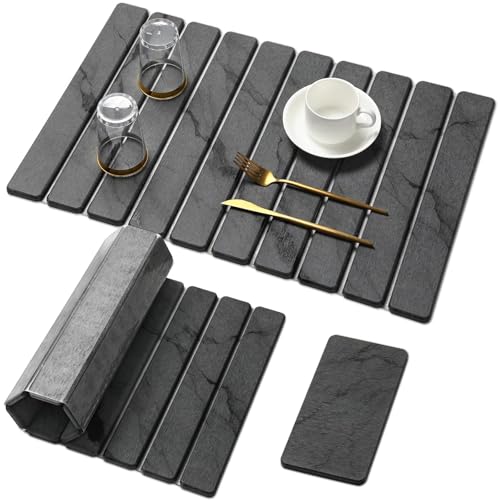
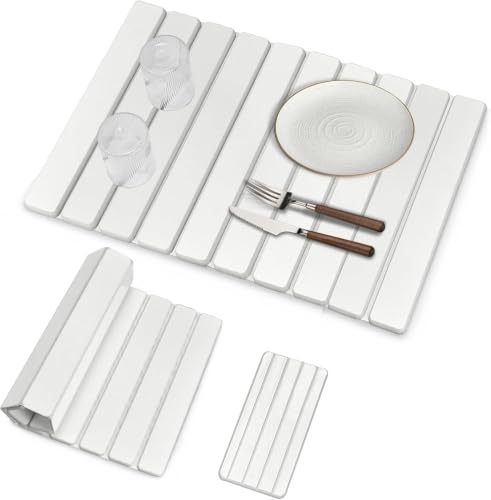
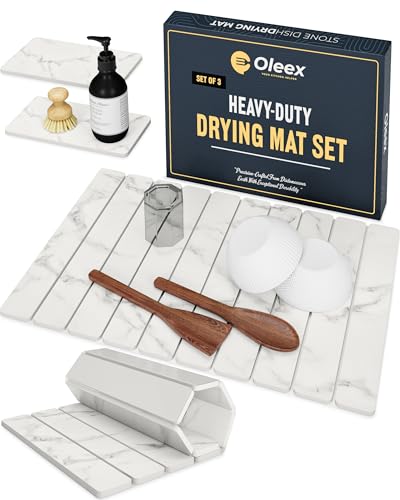
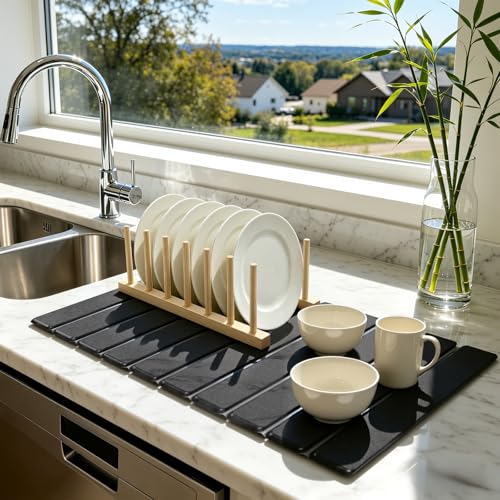
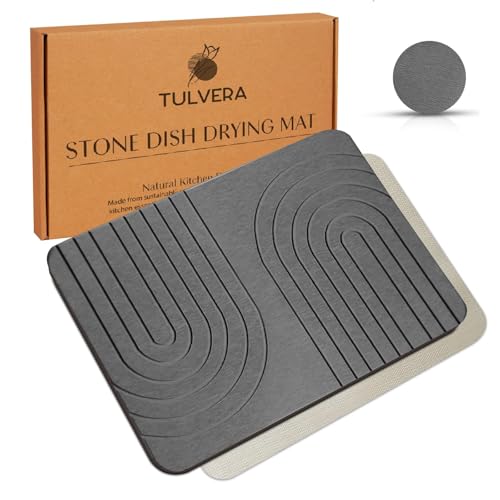
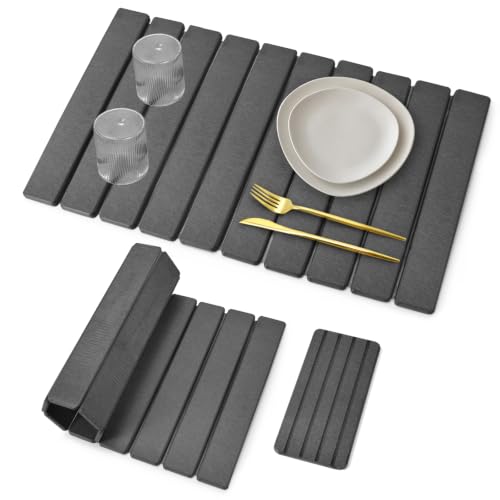
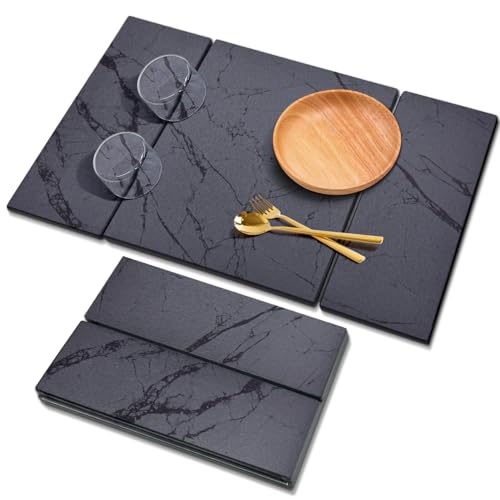
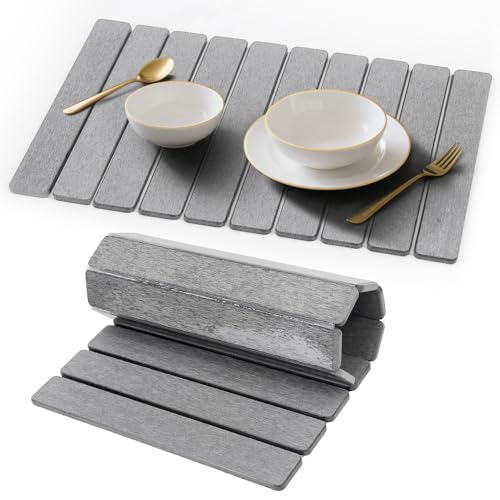
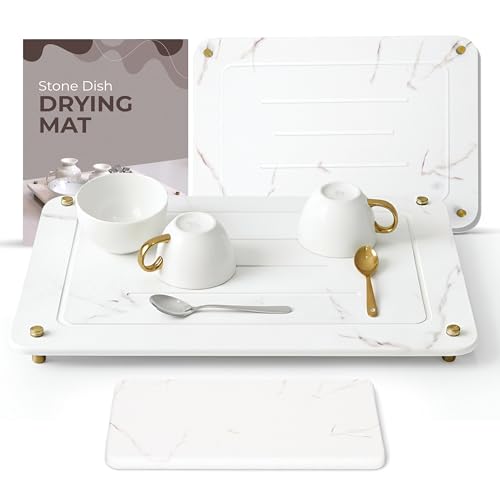
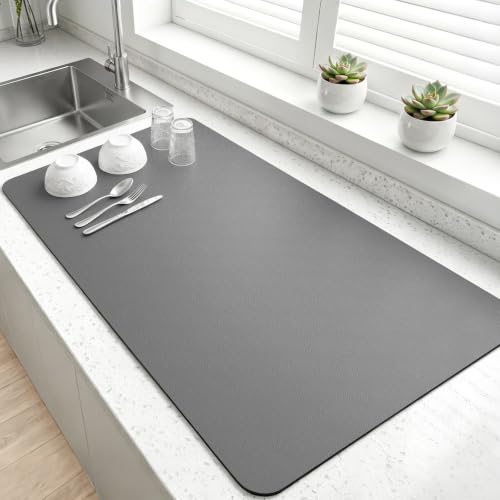
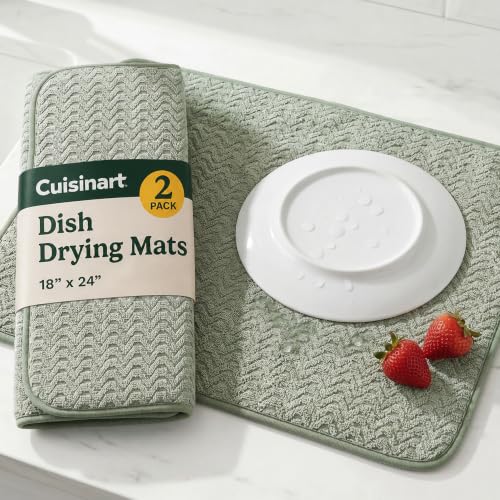
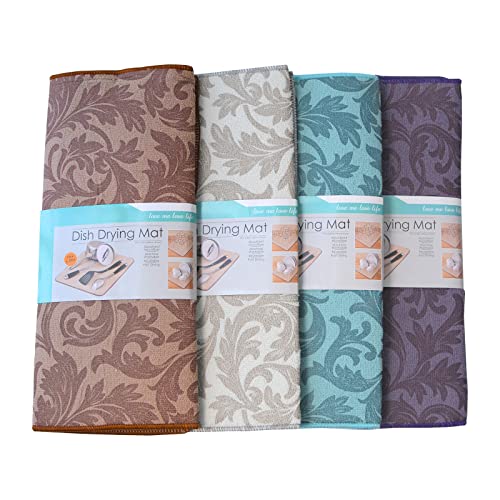
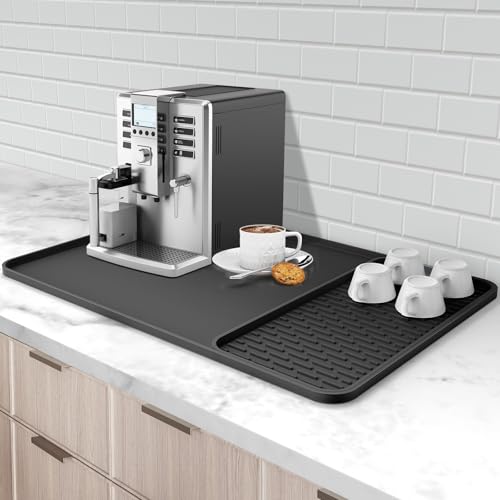

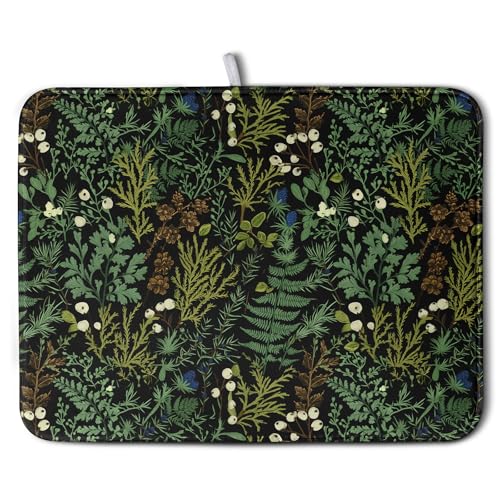
Material Comparison: Microfiber, Silicone, Stone, and Wool
Material is the single biggest factor that separates a great dish mat from one you will regret buying in a month. Most roundups of the best dish drying mats rank options primarily by material for this reason. Each option handles water, heat, and bacteria differently, so the "right" material really depends on how much you wash dishes and how much maintenance you are willing to do.
Microfiber
Microfiber mats are soft, cushiony, and extremely absorbent, often soaking up several times their own weight in water. That absorbency is also their weak point. Because the fibers hold onto moisture instead of letting it evaporate, microfiber needs to be tossed in the wash every few days or it starts to smell. If you already do laundry often and do not mind one more item in the load, microfiber is comfortable underfoot for glassware and easy on delicate items.
Silicone
Silicone mats do not absorb water at all. Instead, textured channels or raised bumps guide runoff toward a drain groove or the edge of the counter. Because the surface is non-porous, bacteria and mold have almost nothing to cling to, which makes silicone the easiest material to keep hygienic with just a quick wipe. The tradeoff is that water still has to go somewhere, so you may need to wipe the counter underneath after a big load, and silicone can feel firmer and less cushioned than fabric.
Stone and Diatomaceous Earth
Stone mats made from diatomaceous earth pull moisture into the material itself and release it quickly through evaporation, so the surface often feels dry to the touch within minutes. This makes them naturally resistant to standing water and the odor that comes with it. They are typically more rigid and heavier than fabric or silicone, and a few models are prone to chipping if dropped or if a heavy pot is set down hard.
Wool
Wool mats are a smaller category but appeal to buyers who want a natural material instead of plastic or synthetic fiber near their sink. Wool fibers are naturally resistant to mildew and can absorb a meaningful amount of moisture while still releasing it faster than cotton or standard microfiber. They tend to cost more and require gentler washing than synthetic options.
Sizing a Mat to Your Sink and Dish Load
A mat that is too small forces you into multiple drying batches, which defeats the point of switching away from a rack. Before buying, measure the counter space next to your sink and think honestly about how many dishes you typically wash in one go, since even the best dish drying mats feel undersized if you buy on looks alone.
- Small counters or light daily loads (a couple of place settings): a compact mat in the 16 by 18 inch range usually fits without crowding other counter activities.
- Standard family kitchens: an 18 by 24 inch mat gives enough surface for a full dish rack's worth of plates, bowls, and cups without hanging off the edge of the counter.
- Large loads or double-duty counters: consider two mats, or one mat plus a cutting board repurposed as a secondary drying surface, so oversized pots and lids have somewhere to sit.
Also check the thickness and backing. A thin mat without a grippy underside can slide when you set down a heavy pot, so look for a non-slip base if your counters are smooth stone or laminate.
Stopping Mold, Mildew, and Odor Before They Start
The biggest complaint about dish mats, especially fabric ones, is that they trap moisture against the counter and start to smell within days. That happens because a wet mat sitting flat creates a warm, damp microclimate that bacteria thrive in, whether or not the material itself resists mold.
Even the best dish drying mats will smell eventually without a little upkeep, but a few habits make a real difference no matter which material you choose. Stand the mat up or hang it over a faucet or towel bar between uses instead of leaving it flat on the counter, since airflow on both sides dries it far faster than air hitting only the top. Wipe or rinse it after each use rather than waiting for a deep clean, and give fabric mats a machine wash with warm water every few days. Vinegar diluted with water works well for spot-cleaning mild odor or mildew on any material, and you should skip bleach and fabric softener, which can break down silicone or leave residue on stone mats.
If odor keeps coming back no matter how often you wash it, that is usually a sign the material is not draining fast enough for your household's dish volume, and it may be worth switching to silicone or stone rather than fighting a losing battle with fabric. Pairing a good mat with smarter everyday dishwashing habits also cuts down on standing water in the first place, which means less moisture for mold to feed on.
Mat or Rack: When Each One Actually Makes Sense
Even among the best dish drying mats, a mat is not always the better choice, and being honest about your dish volume will save you a return or a drawer full of regret. Racks elevate dishes and let air move underneath and between items, so they generally dry a full load faster than a flat mat, where dishes sit closer together and moisture has fewer places to escape. If you regularly wash for a family of five or more, or you tend to let dishes pile up before tackling them, a rack's extra drainage and capacity will likely serve you better.
Where a mat wins is convenience and counter space. It rolls or folds away in seconds, works quietly, and does not leave a permanent fixture on your counter the way a rack does. For one or two people who wash a small number of dishes throughout the day, or anyone tight on counter space near the kitchen faucet, a mat covers daily needs without the bulk. Plenty of households land on a hybrid approach: a mat for everyday cups and plates, with a small folding rack kept in a cabinet for bigger loads after dinner parties or when running the dishwasher is not an option.
Frequently Asked Questions
What is the best material for a dish drying mat?
There is no single best material for everyone, which is why the best dish drying mats vary by household. Silicone is the easiest to keep hygienic since it barely absorbs water, stone and diatomaceous earth mats dry the fastest, and microfiber is the softest and cheapest but needs the most frequent washing.
Do dish drying mats get moldy?
They can, especially fabric mats left flat on the counter without airing out. Standing the mat up between uses and washing it regularly prevents most mold and mildew regardless of material.
Are silicone or microfiber dish mats better?
Silicone is generally more hygienic and easier to maintain long term, while microfiber is softer, more absorbent per use, and better for cushioning delicate glassware. Many people choose based on how often they are willing to wash the mat.
What size dish drying mat do I need?
Most households do well with an 18 by 24 inch mat, which fits a typical dish load. Smaller kitchens or light daily use can get away with a 16 by 18 inch mat instead.
Can you put hot pans on a dish drying mat?
It depends on the material. Silicone can typically handle direct heat from a hot pan, while microfiber, wool, and some stone mats are not rated for high heat and can scorch or warp.
How often should you wash a dish drying mat?
Fabric mats like microfiber generally need a wash every two to three days to avoid odor. Silicone and stone mats can go longer between washes since they hold onto far less moisture.
Is a dish drying mat better than a dish rack?
Not universally. Racks dry larger loads faster and keep dishes elevated, while mats save counter space and store away quickly. Among the best dish drying mats and racks, the better choice depends on how many dishes you wash at once.
Making Your Decision
Choosing among the best dish drying mats comes down to matching the material to how you actually use your kitchen. If hygiene and low maintenance matter most, silicone or stone will serve you better than fabric. If softness and price come first and you do not mind frequent washing, microfiber is a reasonable everyday choice. Whatever you pick, sizing it correctly and letting it air dry between uses will do more for odor control than the material alone.