
Best Dishwashing Gloves: A Complete Buying Guide
Disclosure: We may earn a commission when you buy through links on this page, at no extra cost to you. As an Amazon Associate we earn from qualifying purchases. Learn more
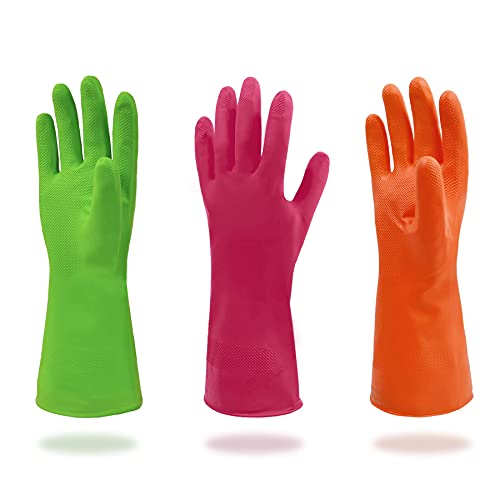
Your dishwashing gloves should disappear the moment you put them on, not fight you the whole time you're scrubbing a pot. If yours keep slipping off, trapping sweat, or letting hot water seep in around the wrist, the problem usually isn't your technique. It's the glove.
Picking the best dishwashing gloves for your kitchen comes down to a handful of details that rarely get explained clearly: which material actually suits your hands, how sizing works when standard small, medium, and large don't fit right, and what to do if your skin reacts to rubber. This guide walks through each of those decisions so you can land on a pair that holds up through daily use instead of ending up balled in a drawer after two weeks.


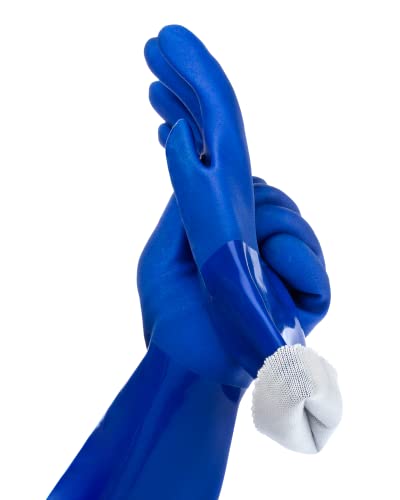
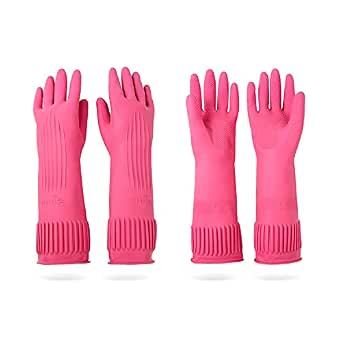
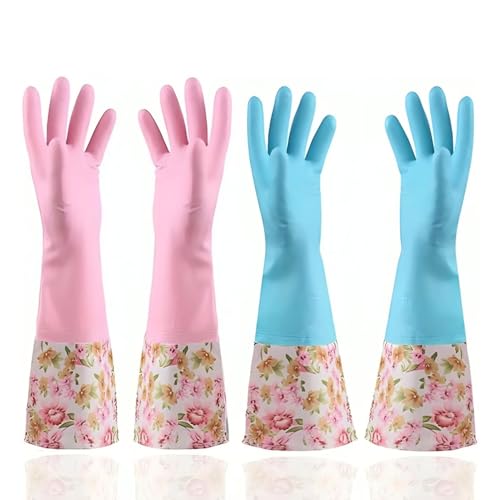
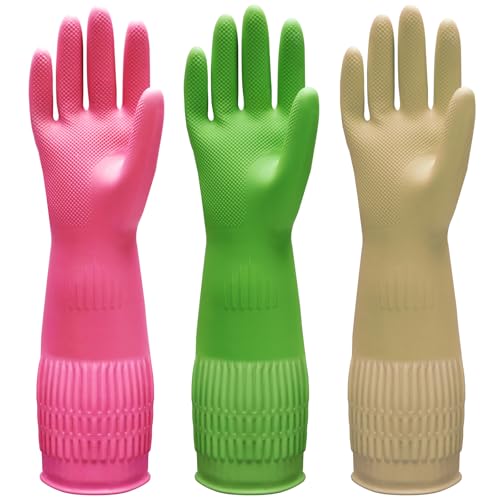
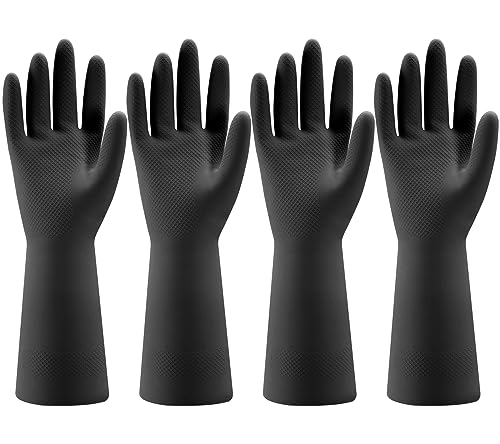
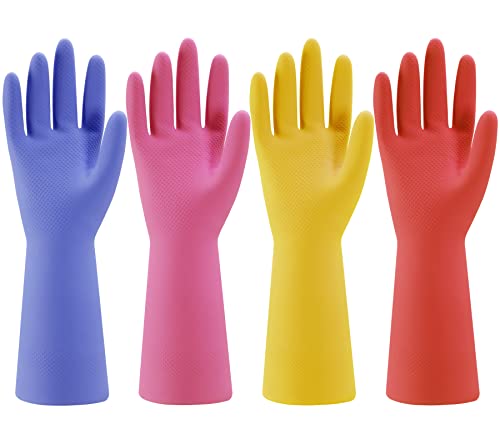
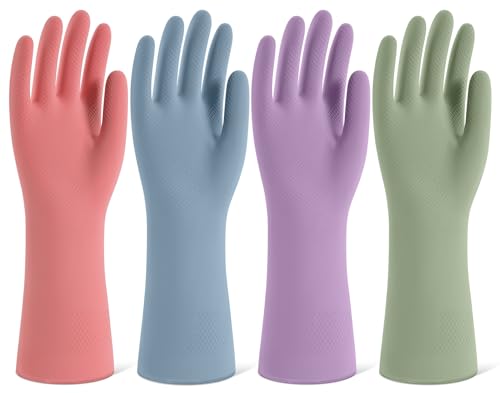
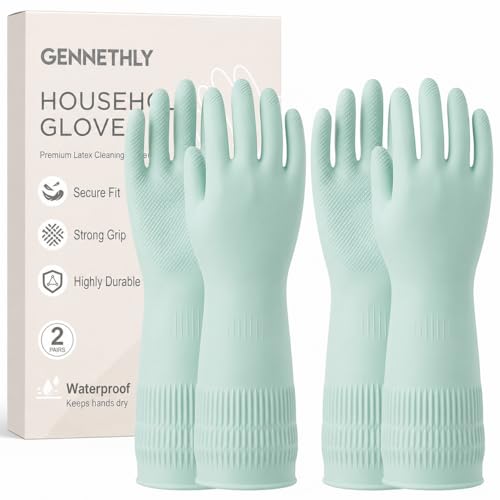
Material Matters: Picking Between Latex, Nitrile, and Silicone
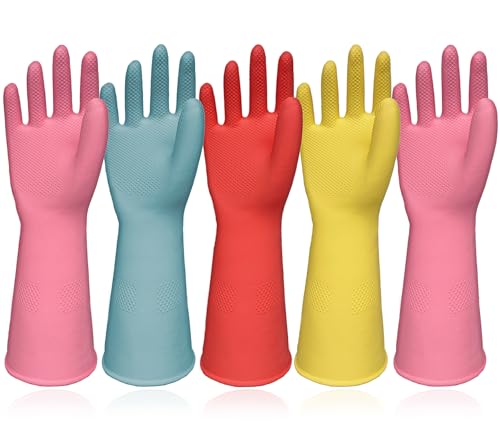
Material is the single biggest factor separating a glove you forget you're wearing from one you're constantly adjusting, and most complaints about finding the best dishwashing gloves trace back to a material mismatch rather than a bad brand. If you already run most loads through a dishwasher, gloves mainly come into play for pots, knives, and delicate items washed by hand, so it's worth matching the material to that lighter, more frequent use rather than assuming any rubber glove will do.
Latex Gloves: Soft Feel, but Not for Everyone
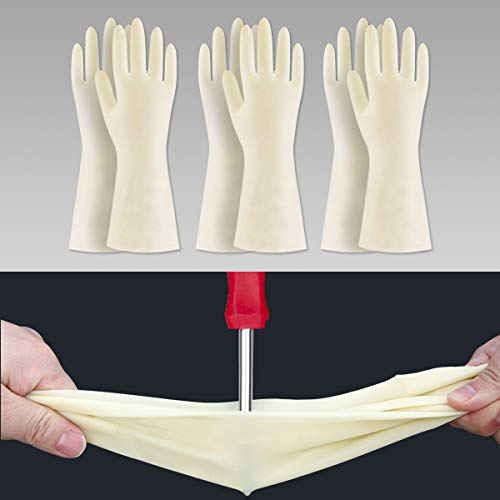
Latex offers the closest thing to bare-hand dexterity you'll get from a glove. It stretches to fit snugly, grips wet dishes well, and tends to cost less than other options. The downside is real for a meaningful share of shoppers: natural rubber latex can trigger allergic reactions ranging from mild itching to more serious symptoms, and repeated exposure can make sensitivity worse over time. If you've never had a reaction, latex is a reasonable default. If you have any history of rubber or balloon allergies, skip it entirely.
Nitrile Gloves: Built for Frequent, Heavy-Duty Use
Nitrile is a synthetic rubber that's naturally latex-free, which makes it the safer starting point if you're unsure about allergies. It also resists punctures, cuts, and harsh degreasers better than latex, so it holds up longer against steel wool, citrus-based cleaners, and daily scrubbing. The trade-off is a slightly stiffer feel, meaning less fine-motor sensitivity than latex offers when you're washing something delicate like stemware.
Silicone Gloves: Best for Heat and Easy Cleanup
Silicone gloves handle hot water and higher temperatures more comfortably than latex or nitrile, and they wipe clean or rinse off without absorbing odors the way flocked linings sometimes do. Many are dishwasher-safe themselves. They're bulkier and less flexible, though, so they suit heavy pot-and-pan duty better than intricate glassware. If you also need heat protection for grilling or oven tasks, dedicated oven and grill gloves are built for higher temperatures than any dishwashing glove is designed to handle, so don't expect one pair to do both jobs well.
Getting a Fit That Doesn't Slip Off Your Hands
Fit issues are one of the most common complaints among people who've tried several pairs, and they rarely get fixed by buying a different brand in the same size. The sizing itself is usually the problem.
Why Standard Sizing Doesn't Work for Everyone
Most dishwashing gloves are cut for an average hand shape, which leaves people with larger hands, longer fingers, or wider palms stuck between a size that's too tight and one that's too loose everywhere else. If a medium feels snug across the palm but the fingers bunch at the tips, size up rather than trying to stretch a smaller pair. A glove that's slightly loose is far more comfortable over time than one that pinches at the knuckles with every grip.
Cuff Length and Sleeve Coverage
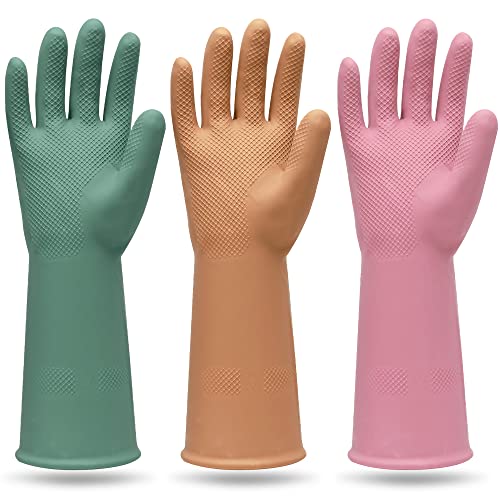
Standard gloves stop around the wrist, which is fine for shallow sinks but lets water run straight into your sleeves when you're reaching into a full basin or rinsing tall pots. Elbow-length or extended-cuff styles solve this and are worth the extra length if you regularly wash bulky cookware. A rolled or slightly flared cuff also helps water drip back into the sink instead of down your forearm.
Staying Comfortable Through Hot Water and Long Sessions
Washing dishes by hand instead of relying on a machine for every load is one of the simpler energy-saving dishwashing habits worth building, and it's a lot easier to stick with when your gloves don't leave your hands hot and clammy halfway through.
Why a Lining Makes the Biggest Difference
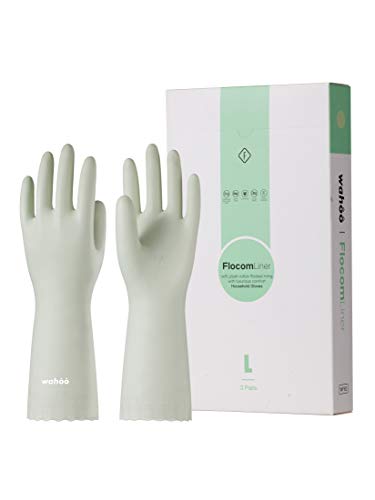
An unlined glove transmits heat almost directly to your skin, which is uncomfortable in hot water and makes the glove awkward to pull on and off when your hands are damp. A cotton or flocked lining solves both problems at once. It absorbs sweat, adds a layer of insulation against hot water, and lets the glove slide on and off smoothly instead of sticking to your skin. If you wash dishes for more than a few minutes at a stretch, a lined glove is worth the small price difference.
If You Have Sensitive Skin or Eczema
Wearing any glove for extended periods can trap heat and sweat against the skin, which sometimes aggravates eczema or contact dermatitis rather than protecting against it. Dermatologists commonly recommend a two-glove approach: a thin cotton glove underneath, with your waterproof dishwashing glove worn over it. This keeps moisture and cleaning chemicals off your skin while letting the cotton layer absorb sweat, and it's worth trying before assuming gloves themselves are the problem.
Keeping Gloves Odor-Free and Knowing When to Replace Them
A good pair of dishwashing gloves isn't meant to last forever, and pushing them past their useful life is where most of the complaints about smell and discomfort come from.
Signs It's Time for a New Pair
Cracks, thinning at the fingertips, a stiff or brittle feel, or a lining that stays damp long after use are all signs a glove has reached the end of its life. A musty or rubbery smell that doesn't go away after washing usually means moisture has been trapped inside the lining for a while, which is also a sign to replace rather than keep using.
Simple Habits That Extend Glove Life
Turning gloves inside out after each use lets the lining air dry fully instead of staying damp between the outer layer and your skin, which is one of the main causes of that lingering odor. The same habit that keeps a dish drying mat from developing a musty smell, letting it dry out completely between uses, works just as well for gloves. Hanging them over the edge of the sink or a hook, rather than balling them up in a cabinet, cuts down on trapped moisture significantly.
Frequently Asked Questions
Are latex or nitrile gloves better for washing dishes?
Latex offers better dexterity and a snugger fit, while nitrile is more puncture-resistant and naturally latex-free. If you have no history of rubber allergies, either works well; if you're unsure, nitrile is the safer default.
Can dishwashing gloves cause an allergic reaction?
Yes, natural rubber latex is a known allergen, and reactions can range from mild itching to more serious skin irritation. Nitrile and silicone gloves are latex-free alternatives if you have any history of sensitivity.
How often should you replace dishwashing gloves?
Most gloves last a few months with regular use, but replace them sooner if you notice cracks, thinning, a persistent odor, or reduced grip. Fit and comfort tend to decline noticeably before a glove actually tears.
Are dishwashing gloves safe to use with hot water?
Yes, as long as the material and lining are suited for it. Silicone and thicker, lined nitrile or latex gloves handle hot water more comfortably than thin, unlined styles, which transfer heat directly to your skin.
Do dishwashing gloves help or hurt eczema-prone skin?
They can help by keeping water and cleaning chemicals off your skin, but wearing them too long can trap sweat and irritate sensitive skin. A thin cotton glove worn underneath is a common fix recommended by dermatologists.
What size should I buy if my hands are larger than average?
Size up rather than forcing a standard medium or large to stretch. Look specifically for gloves marketed with roomier cuts or extended sizing, since many dishwashing gloves are cut narrower than general-purpose cleaning gloves.
Are silicone dishwashing gloves better than rubber ones?
Silicone handles heat and cleanup better and doesn't hold odors the way a lined rubber glove can, but it's bulkier and less flexible for detailed tasks like washing glassware. Which is "better" depends on what you're washing most often.
Finding the Right Fit for Your Routine
There's no single answer for the best dishwashing gloves, only the best match for your hands, your water temperature, and how sensitive your skin is. Start with material based on any allergy concerns, size up if standard cuts feel tight, and look for a lining if you wash dishes for more than a few minutes at a time. Getting those three details right does more for comfort than any other feature on the label.