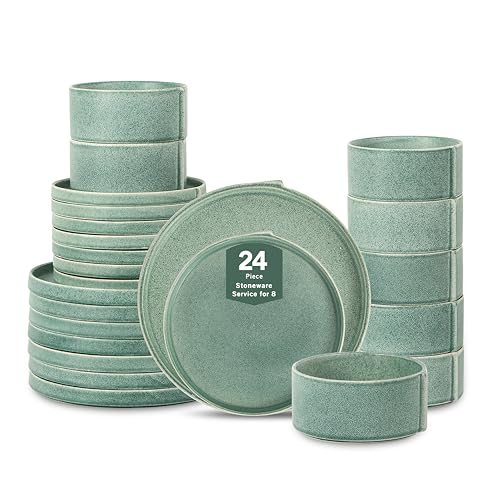
Best Dinnerware Sets: A Complete Buying Guide for Your Home
Disclosure: We may earn a commission when you buy through links on this page, at no extra cost to you. As an Amazon Associate I earn from qualifying purchases. Learn more
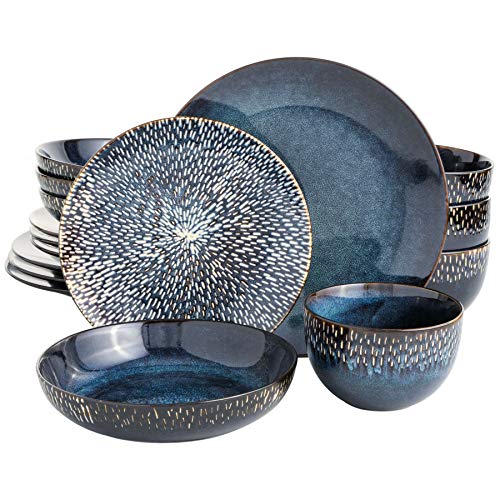
Setting the table shouldn't feel like a gamble. If you have ever pulled a bowl out of the cabinet only to find a hairline crack, or realized your "complete" set is missing a bread plate three years in, you already know that not all dishes are built the same. Finding the best dinnerware sets for your household comes down to a handful of choices: material, piece count, how the dishes hold up to daily washing, and where you actually plan to use them. This guide breaks down each of those decisions so you can shop with confidence instead of guessing based on a pretty photo online.
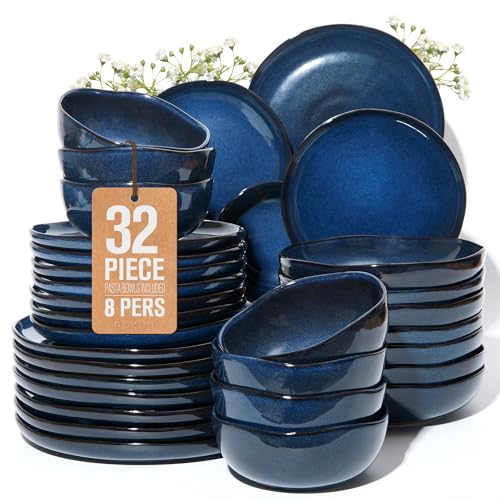
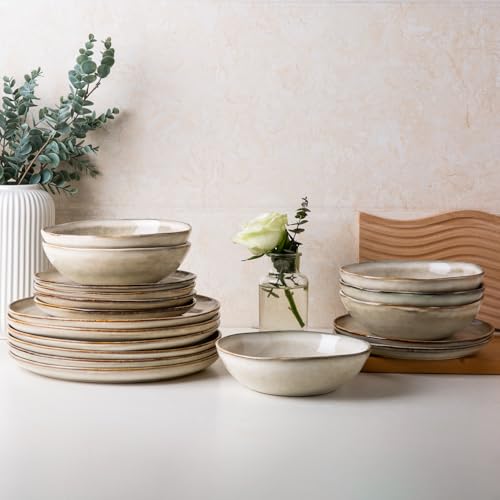
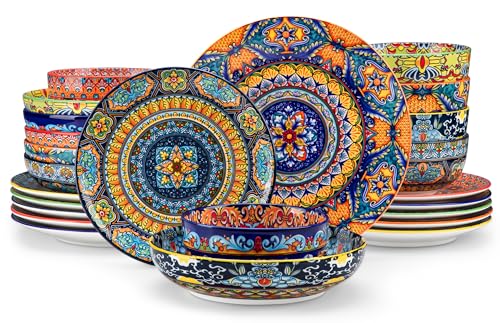
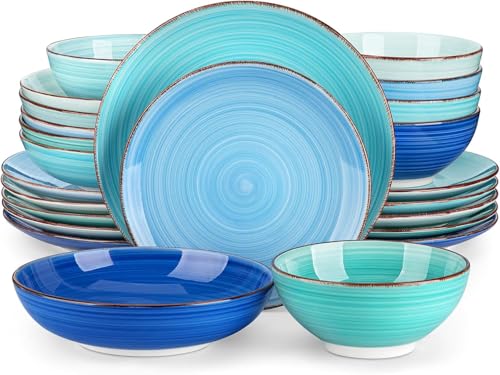
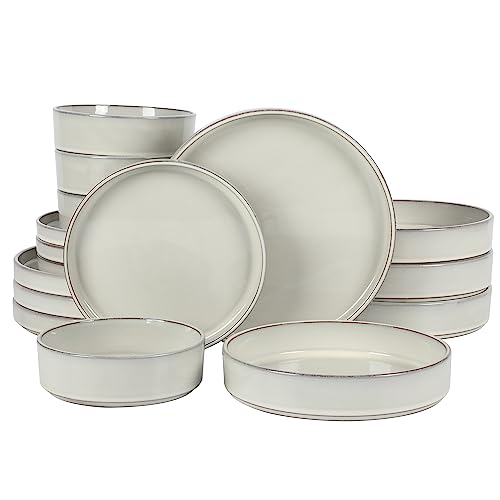
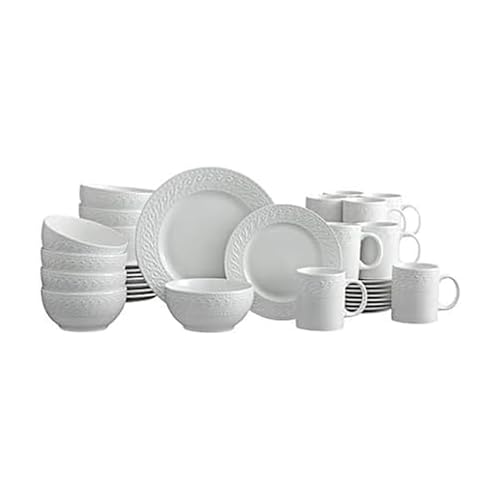
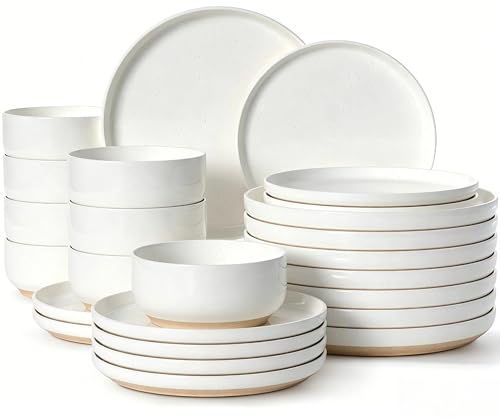
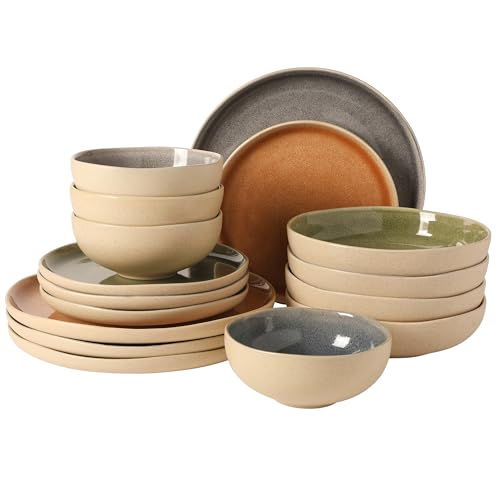
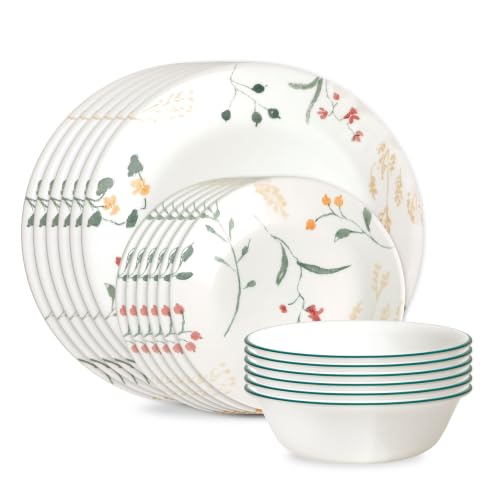
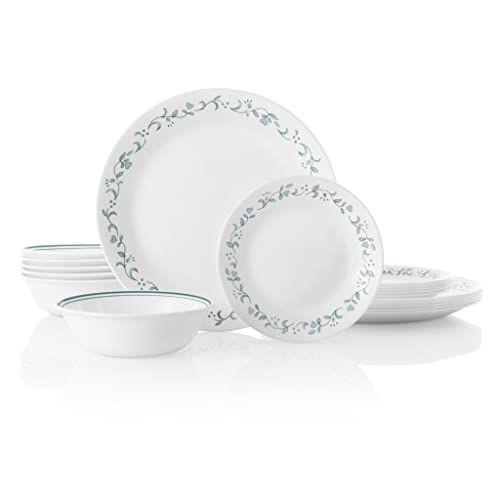
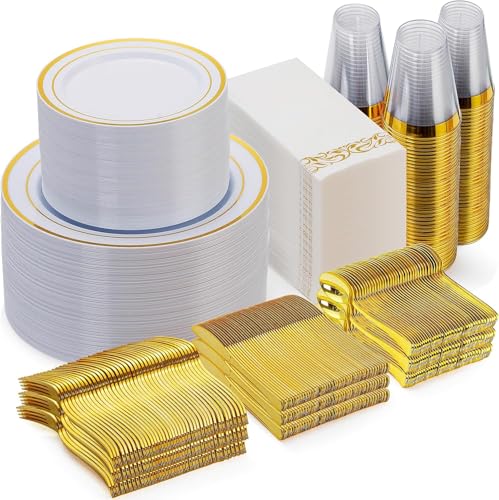

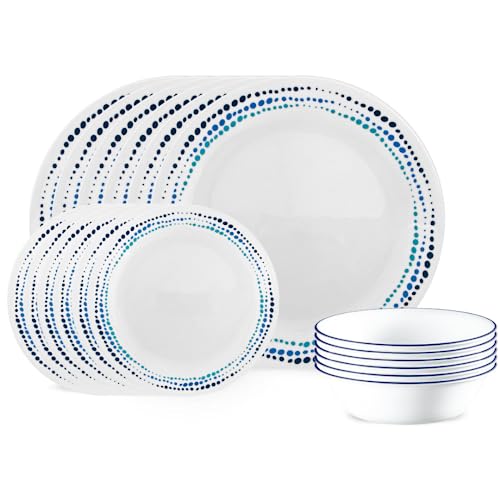
Getting the Material Right: Porcelain, Stoneware, Bone China, or Melamine
Material is the single biggest factor in how a set looks, feels, and survives daily use. Before comparing patterns or place setting counts, decide which material fits how you actually eat and entertain.
Porcelain and bone china for a refined look
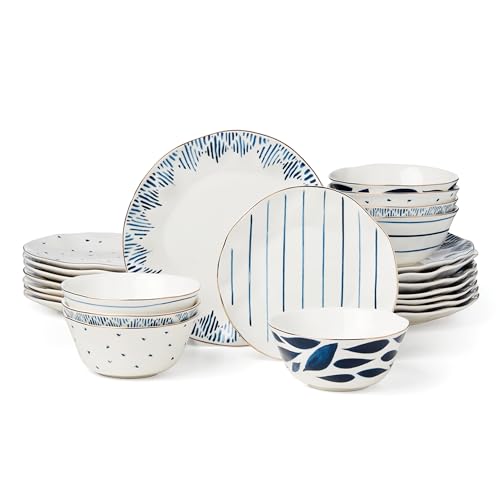
Porcelain dinnerware is fired at high temperatures, which gives it a smooth, non porous surface that resists stains and holds a glaze well over time. Bone china takes that a step further, adding bone ash to the clay mixture for extra strength in a thinner, lighter piece. Both options tend to look more formal and are often chosen for special occasions, though many porcelain lines are sturdy enough for everyday rotation too.
Stoneware and earthenware for everyday durability
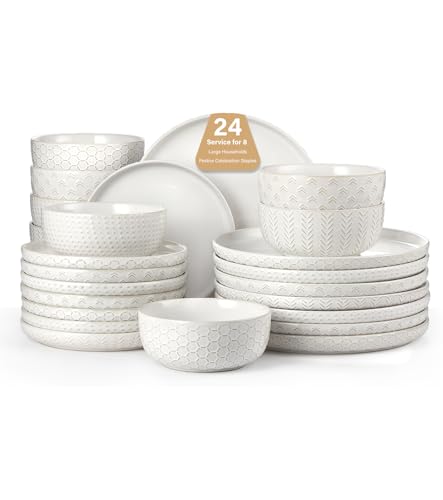
Stoneware dinnerware is denser and thicker than porcelain, which makes it a popular pick for households that want dishes that can take a bit of abuse. It has a more casual, textured look that suits weekday dinners as well as backyard gatherings. Earthenware sits at the more affordable end of the spectrum but is generally more porous and prone to chipping, so it works best for occasional use rather than a set that gets washed twice a day. If your kitchen already leans toward heavier, farmhouse style cookware, stoneware tends to match that aesthetic more naturally than a delicate porcelain pattern would.
Melamine for outdoor and casual settings
If you host on a patio, by a pool, or take dishes camping, melamine dinnerware is worth a look. It mimics the look of ceramic but will not shatter if it lands on concrete, and it's noticeably lighter to carry outside. The tradeoff is that melamine cannot go in the microwave and generally is not meant for a lifetime of use the way high fired ceramic is. Many of the same material tradeoffs come up when picking out mixing bowls for the kitchen, so it helps to think about material consistency across your dishware at the same time.
How Many Place Settings You Actually Need
A "place setting" usually refers to what one person needs for a meal, typically a dinner plate, a smaller plate, and a bowl, sometimes with a mug included. Sets are commonly sold in four, six, eight, or twelve place settings, and picking the right number matters more than people expect.
For a single person or a couple, a four piece setting is often plenty, especially with a few extra bowls or mugs added in. A household of three or four tends to do better with an eight place setting, since it means you are not stuck washing dishes mid-meal when something is already dirty. Families that host often, or larger households, usually land on twelve place settings, or two smaller sets that can be mixed for bigger gatherings. If you already lean toward buying in bulk for durability, it is worth applying the same logic used when shopping for flatware, since running short on forks and spoons is just as common as running short on plates.
Dishwasher and Microwave Safety: What "Safe" Really Means
Almost every listing claims to be dishwasher and microwave safe, but the fine print matters. High fired stoneware and porcelain generally hold up well to repeated dishwasher cycles, though the heat and detergent used in some machines can wear down a glaze faster than others. If you run your dishwasher on a sanitizing or high-heat setting regularly, it is worth checking whether the manufacturer specifically tested the set for that cycle rather than a standard wash.
Microwave safety works differently. Dishes with metallic trim, like a gold or platinum rim, should never go in the microwave, and melamine should be kept out entirely regardless of what the packaging implies about heat resistance. If reheating leftovers in a microwave oven is part of your daily routine, stick to plain glazed stoneware or porcelain without decorative metal accents.
Chipping and cracking are the most common complaints people have after a year or two of ownership. Thin rims look elegant but chip more easily than rounded edges, stacking plates too high in the cabinet puts stress on the bottom pieces, and moving a hot dish straight into cold water can cause a crack from thermal shock. None of these issues mean the dinnerware is defective, they are simply part of how ceramic behaves under everyday handling.
Indoor Elegance or Outdoor Toughness: Matching Dinnerware to Where You'll Use It
Where you plan to use a set should shape the material and style you choose just as much as the look you like. A set meant to stay indoors on a dining table can lean into thinner porcelain or bone china, since it will rarely face drops onto hard surfaces. A set meant for the patio, the pool deck, or a camping trip is a different story entirely, and that is where melamine or a heavier, chip resistant stoneware earns its keep.
Some households solve this by keeping two smaller collections rather than one large set: something more refined for indoor meals and guests, and something tougher for outdoor or casual use. It is a practical way to get the durability you need without giving up the look you want for everyday dinners at the table. Climate plays a role too. Homes that entertain outdoors for most of the year often get more use out of a dedicated outdoor set than a household that only eats on the patio a few weekends a season, so it is worth being honest about how often that second collection would actually leave the cabinet.
Open Stock or Boxed Set: Planning for Replacements
A boxed set is convenient and usually the better value upfront, but it locks you into a fixed number of each piece. Open stock dinnerware, sold as individual plates, bowls, or mugs in a matching pattern, lets you buy exactly the mix you use most and replace a single broken piece without repurchasing an entire collection.
Before buying, check whether the pattern you like is sold open stock and whether the manufacturer is likely to keep producing it. A set from a smaller or discontinued line can be difficult to add to later, which matters if breakage happens down the road, and it usually does. This is one of the easiest details to overlook when comparing best dinnerware sets side by side, since it rarely shows up in the initial photos or price tag.
Frequently Asked Questions
How many place settings do I need for a dinnerware set?
Most singles or couples do fine with four place settings, while a family of three or four is usually better served by eight. Households that entertain often should look at twelve, or two smaller sets that can be combined.
What's the difference between porcelain and stoneware dinnerware?
Porcelain is fired at a higher temperature, giving it a smoother, thinner, more refined finish. Stoneware is denser and thicker, which makes it more resistant to everyday bumps but generally less formal in appearance.
Can melamine dinnerware go in the microwave?
No. Melamine is not microwave safe and can warp or release compounds when heated. It is best reserved for outdoor dining, poolside use, or travel rather than reheating food.
What is included in one dinnerware place setting?
A standard place setting typically includes a dinner plate, a smaller salad or side plate, and a bowl. Some sets also include a mug, while formal collections may add extra pieces like a bread plate.
Why do dinnerware sets chip or crack so easily?
Thin rims, stacking dishes too high, and sudden temperature changes are the most common causes. High fired ceramics resist this better than earthenware, but no dinnerware is fully immune to careless handling.
Is it better to buy open stock or a full boxed set?
A boxed set is usually the better value to start with, while open stock is worth it if you want a specific mix of pieces or plan to replace broken items without buying a whole new collection.
Making Your Final Decision
There is no single set that works for every household, and that's the point. The best dinnerware sets are the ones that match how you actually cook, host, and clean up, not just what looks best in a product photo. Start with material, settle on the right number of place settings for your household, and confirm the practical details like dishwasher habits and open stock availability before you commit.