Best Material for Mixing Bowls: A Complete Buying Guide
Disclosure: We may earn a commission when you buy through links on this page, at no extra cost to you. As an Amazon Associate I earn from qualifying purchases. Learn more

Reaching for a mixing bowl seems like the least important decision in a kitchen, until the glass one cracks in the microwave, or the plastic one holds onto garlic smell for a week no matter how many times you wash it. The best material for mixing bowls really does depend on what you cook most, how you store your cookware, and whether you reach for the dishwasher or the sink after dinner. Stainless steel, glass, ceramic, and plastic all behave differently under heat, impact, and years of daily use. Some nest into a tidy stack that fits one shelf; others take up space on their own. This guide breaks down how each material performs in a real kitchen, so your next set matches the way you actually cook.


Stainless Steel, Glass, Ceramic, and Plastic: How Each Material Performs
Every mixing bowl material makes a trade-off between weight, durability, and heat tolerance. Knowing those trade-offs upfront saves you from buying a set that looks great but fights you during actual prep.
Stainless Steel
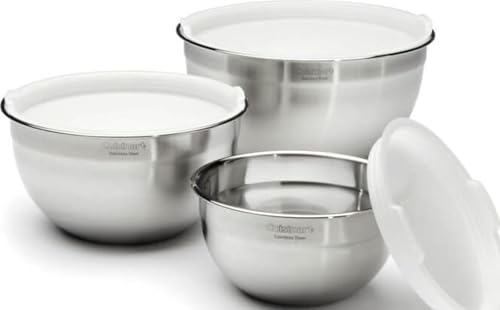
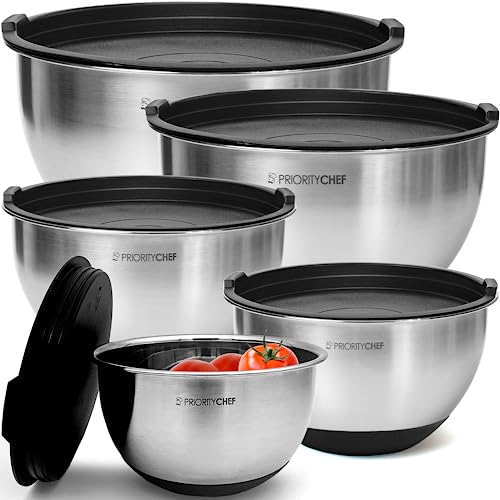
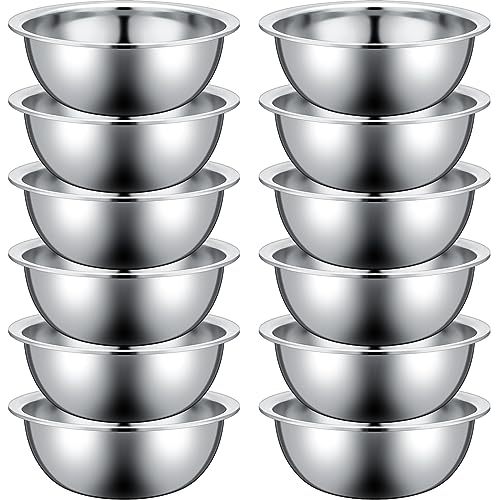
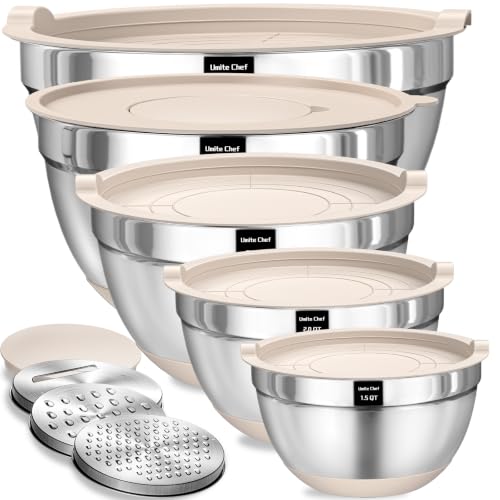
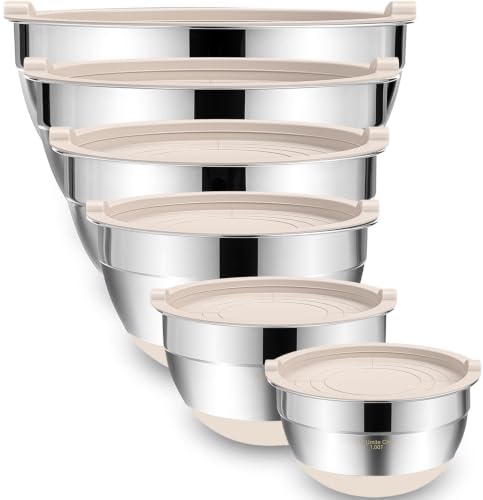
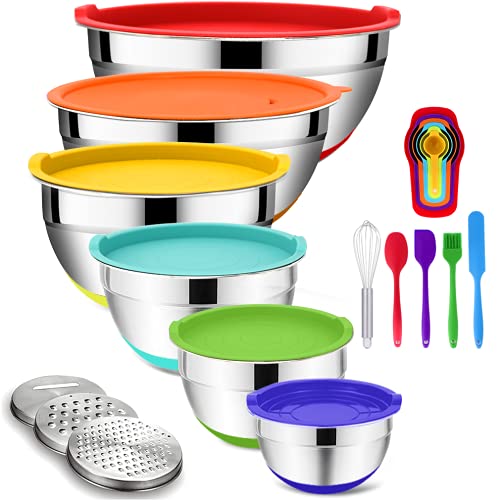
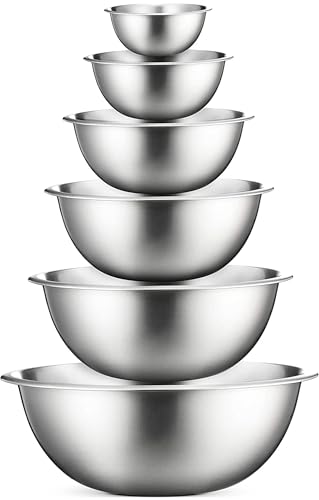
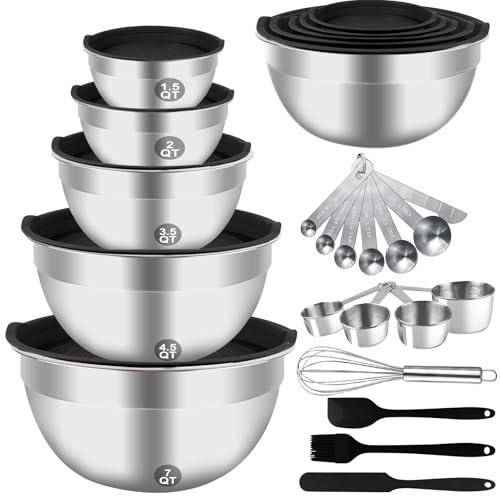
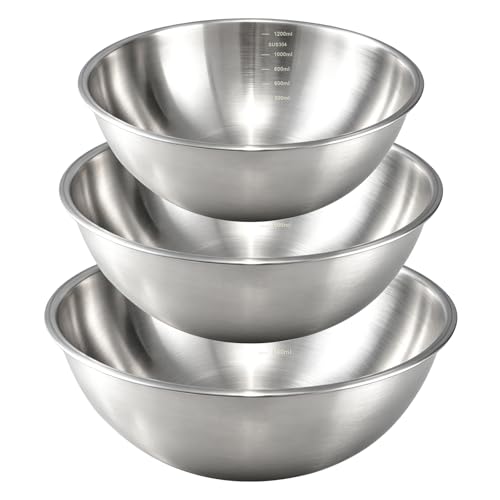
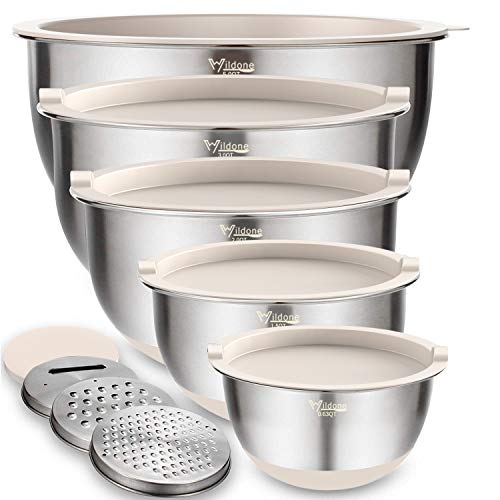
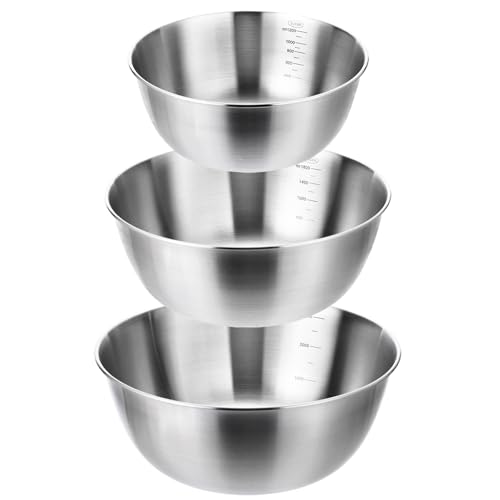
Stainless steel bowls are light, nearly impossible to shatter, and stay cool enough to handle even when you have just poured in something warm. They will not absorb odors or stain from tomato sauce or turmeric. The tradeoff is that they scratch over years of whisking and can dent if dropped on a hard floor.
Glass
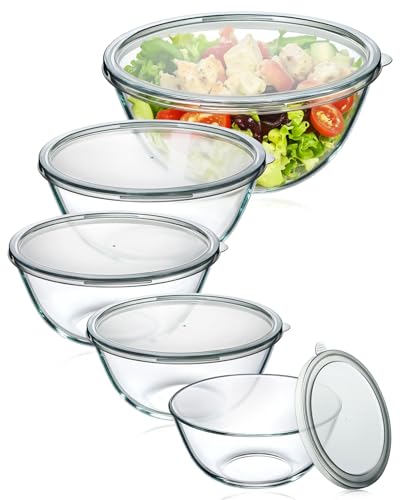
Glass bowls are heavy enough to stay put on a countertop and are safe in the microwave, which makes them useful for melting butter or softening ingredients before you fold them into a batter. They show every fingerprint and can chip along the rim, and a sudden temperature swing can crack them.
Ceramic
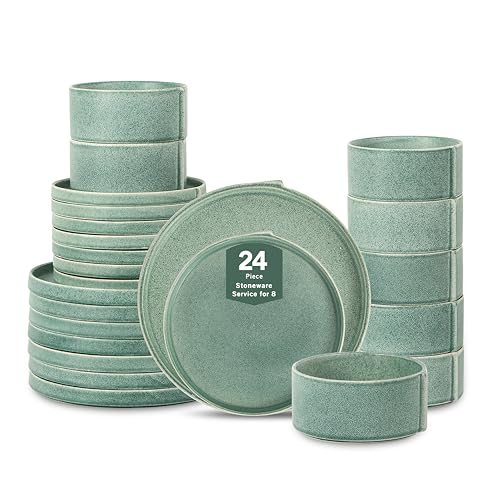
Ceramic bowls bring color and a finished look to a table, and most are oven and microwave safe within reasonable limits. They are the heaviest option pound for pound and the least forgiving if one slips out of wet hands onto tile.
Plastic and Melamine
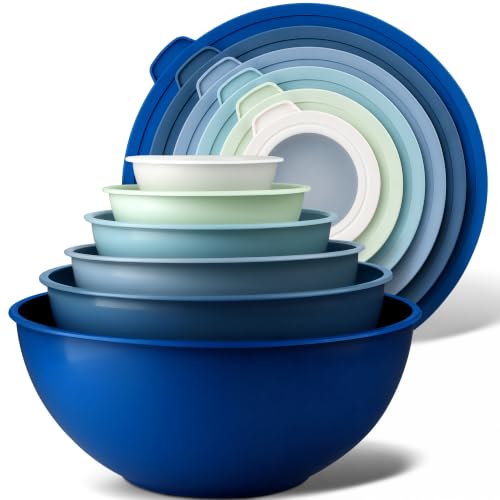
Plastic bowls are the lightest and cheapest to replace, which makes them a natural fit for kids' baking projects or camping kitchens. Over time they can scratch, stain from beets or curry, and hold onto smells even after a wash, so they age faster than the other three materials.
Matching the Bowl to the Task: Whisking, Microwaving, and Marinating
The right choice often changes depending on what is actually happening in the bowl. Whipping egg whites or cream calls for a bowl that will not hold grease, which is why many bakers reach for stainless steel or glass rather than plastic, since plastic can trap a thin film of oil from previous use that keeps whites from reaching full volume. Softening butter, melting chocolate, or proofing dough with a quick zap in the microwave calls for glass or ceramic, since metal cannot go in a microwave at all.
Marinating meat or fish overnight works best in a nonreactive bowl, so glass, ceramic, and stainless steel are all safe choices, while certain plastics can pick up acidic flavors from citrus or vinegar marinades over repeated use. If you are deciding on the best material for mixing bowls for a specific recipe, think about whether it will touch heat, hold a raw batter, or need to go straight into an oven, since that single detail usually narrows the choice quickly.
Nesting Sets and Cabinet Space: Which Materials Stack Best
Storage is where material choice quietly matters just as much as performance at the counter. Stainless steel bowls nest almost flush against each other because the walls are thin, so a full set of six can slide into the space one large bowl would otherwise take. Plastic sets are designed the same way and are often the lightest to lift out of a low cabinet.
Glass and ceramic bowls rarely nest as tightly because their walls are thicker and their rims are less uniform between sizes. A glass set usually needs a dedicated shelf or a cabinet with enough vertical clearance for the tallest bowl to sit upright. If cabinet space is tight in your kitchen, that single detail can matter more than how the bowl looks on a shelf, and it is worth measuring your available shelf height before choosing a ceramic or glass set with a lid included.
Grip and Stability: Why the Base Matters During One-Handed Mixing
A bowl that slides across the counter while you whisk with one hand is a daily annoyance, and material plays a real role here. Stainless steel and plastic bowls are often fitted with a silicone or rubber ring on the base specifically because the material itself is too light or too smooth to stay put under vigorous stirring. That rubber base grips a countertop even when your other hand is busy cracking eggs or holding a measuring cup.
Glass and ceramic bowls rely more on their own weight for stability, which works well on a flat counter but less well on a textured surface like a wooden cutting board. If you bake often and need a bowl to hold steady while kneading or beating batter, a heavier ceramic bowl or a rubber-bottomed steel bowl will outperform a lightweight plastic one every time, and pairing either with a good set of kitchen prep tools makes one-handed mixing far less of a wrestling match.
Everyday Durability: Dishwasher Habits, Staining, and Long-Term Wear
How you clean a bowl day to day affects how long it stays looking new. Stainless steel handles the dishwasher without complaint for years and resists the staining that comes from tomato-based sauces or bright spices like turmeric. Glass and most ceramic bowls are dishwasher safe as well, though repeated cycles can dull a glossy ceramic glaze over time.
Plastic is the material most likely to show its age. Dishwasher heat can warp thin plastic bowls, and porous surfaces pick up stains and smells that no amount of scrubbing fully removes. If your kitchen already leans on stainless steel cookware for pots and pans, matching mixing bowls in the same material keeps cleanup habits consistent and avoids adding a fragile piece to an otherwise sturdy lineup.
Frequently Asked Questions
Which material is best for everyday baking?
Stainless steel is the most practical everyday choice for baking because it is lightweight, unbreakable, and does not react with acidic ingredients like buttermilk or citrus zest used in most batters.
Can glass mixing bowls go in the oven?
Most tempered glass bowls are oven safe up to a moderate temperature, but always check the base for an oven-safe marking first, since sudden temperature changes can still cause cracking.
Do ceramic mixing bowls chip easily?
Ceramic bowls can chip along the rim if knocked against a faucet or another dish, though a well-glazed, thicker ceramic bowl holds up better than a thin decorative one.
Why do some mixing bowls have rubber bottoms?
A rubber or silicone base keeps a bowl anchored to the counter during whisking or kneading, which matters most with lightweight plastic or thin stainless steel bowls that would otherwise slide.
Is plastic safe for mixing raw meat or marinades?
Food-grade plastic is safe, but it can absorb odors and pick up staining from acidic marinades over time, so many cooks prefer glass or stainless steel for raw proteins.
What size mixing bowl set do most kitchens need?
A nesting set that spans roughly one and a half quarts up to five quarts covers most everyday tasks, from whisking a single egg to tossing a large salad or proofing dough.
Do mixing bowl materials affect how food tastes?
Nonreactive materials like glass, ceramic, and stainless steel will not affect flavor, while certain plastics can impart a faint taste over time, especially with strongly acidic or oily ingredients.
Picking the Right Set for How You Actually Cook
There is no single winner among stainless steel, glass, ceramic, and plastic, only a better fit for your kitchen habits. Weigh how often you microwave, how much cabinet space you have, and how rough your daily routine is on cookware before deciding on the best material for mixing bowls for your own counter. Most well-stocked kitchens end up with two materials rather than one, using each for what it does best.