Best Detachable Shower Head: A Complete Buying Guide
Disclosure: We may earn a commission when you buy through links on this page, at no extra cost to you. As an Amazon Associate I earn from qualifying purchases. Learn more
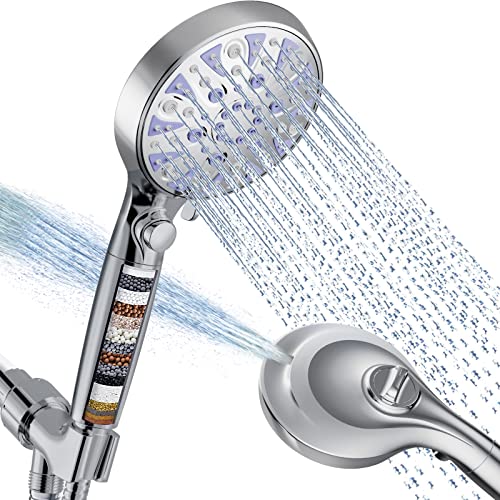
Shopping for the best detachable shower head? Learn hose length, spray settings, and mounting basics before picking the right one for your bathroom.
Trying to rinse a squirming toddler or a nervous dog under a shower head that's bolted to the ceiling never quite works. You end up angling their whole body under the spray or hauling out a plastic cup instead. A detachable shower head solves that problem by popping off its wall bracket and going wherever you point it, on a flexible hose instead of a fixed arm. Finding the best detachable shower head for your bathroom mostly comes down to matching hose length, spray settings, and mount style to how your household actually showers. This guide walks through what to check before buying, where a handheld model earns its keep over a fixed one, and how to keep it working well once it's installed.
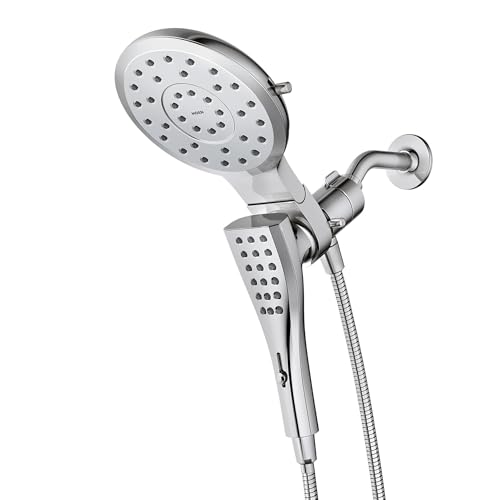
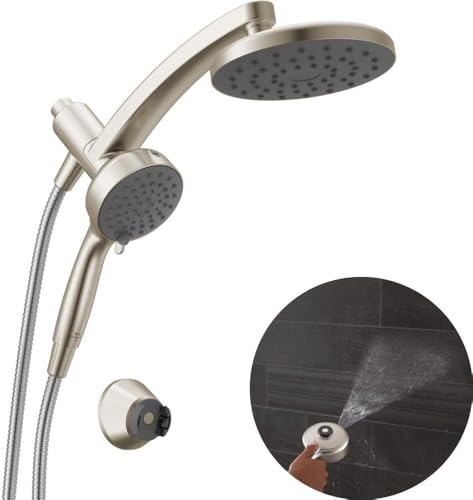


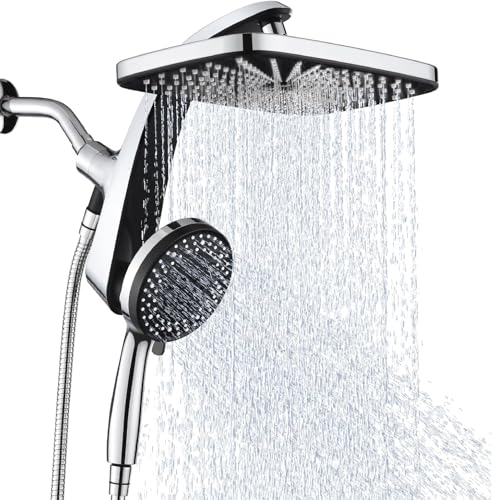
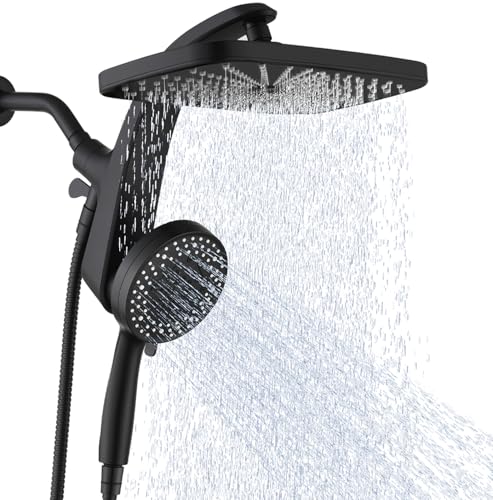
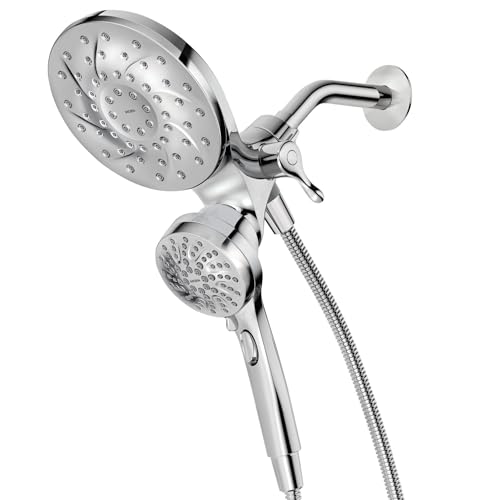

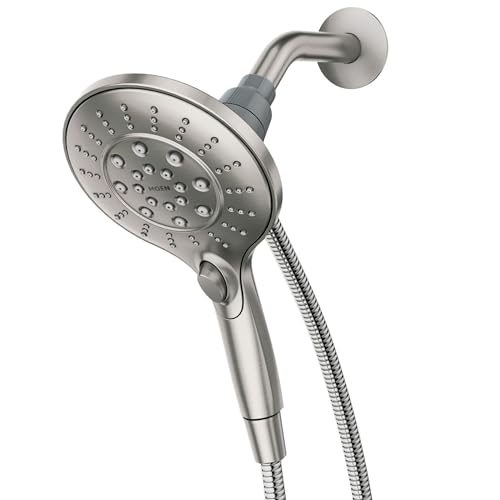
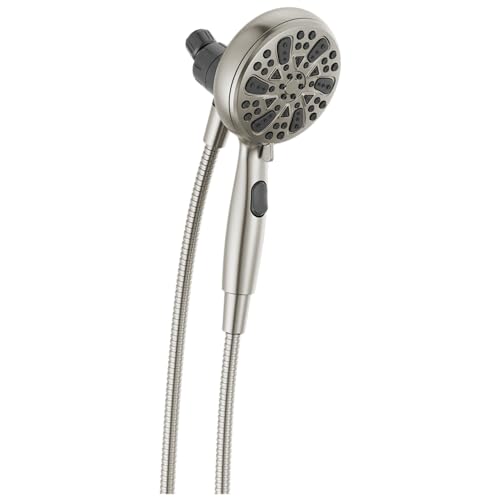
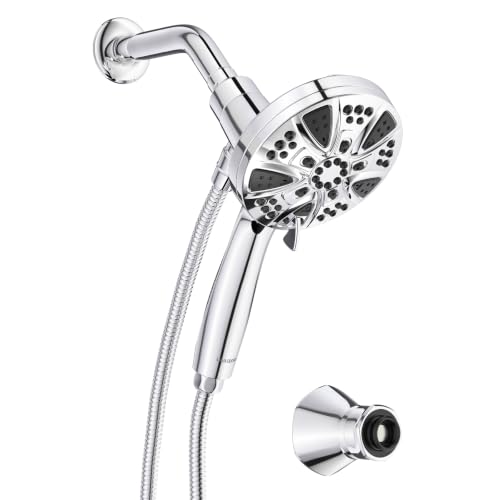
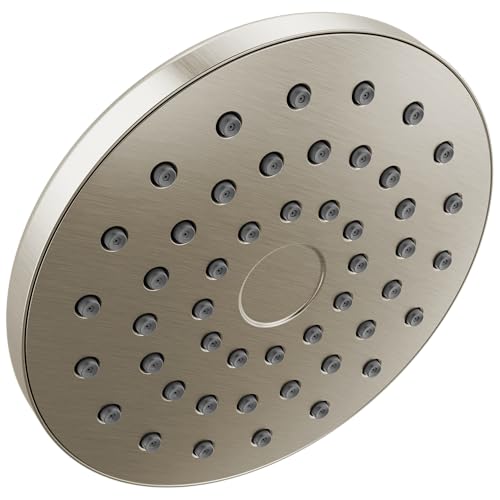


Hose, Spray Settings, and Water Pressure to Check First
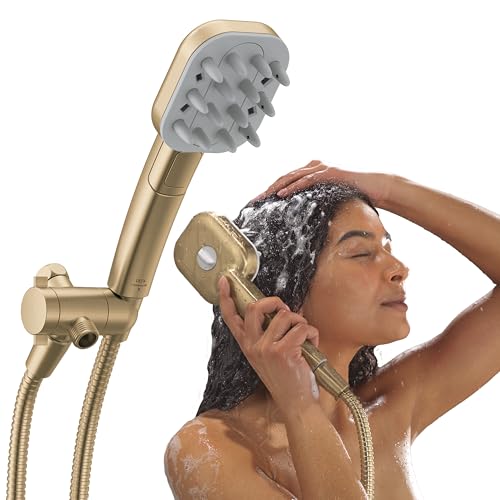
A detachable shower head is really two parts working together, the head itself and the hose that connects it to the wall. Both matter more here than they do with a one-piece fixed head, since the hose is the part most likely to wear out or frustrate you day to day.
Hose Length and Material
Most hoses run somewhere between five and seven feet, which covers washing hair, rinsing a tub, or reaching a shower bench without much slack. Households washing kids or pets in a separate tub sometimes want the longer end of that range, or even longer, so the head can reach past the shower stall entirely. Stainless steel hoses hold up better over time than plastic or rubber-coated ones, resisting kinks and cracking where the connector meets the head. A braided steel exterior over an inner rubber core tends to be the sweet spot between flexibility and durability.
Spray Pattern Options
Basic models offer a single stream, but most detachable heads on the market now include several settings, such as a wider rain-style spray, a focused rinse for washing shampoo out quickly, and a pulsating massage mode. A pause or mist setting is worth looking for too, since it lets you shut off the main flow while lathering up without touching the shower valve. More settings usually means a larger control dial or button cluster on the head itself, so it's worth thinking about how easy those controls are to operate one-handed or with wet, soapy fingers.
Water Pressure, Flow Rate, and WaterSense
Flow rate is capped at 2.5 gallons per minute under federal standards, though many newer heads run lower to save water without a noticeable drop in feel. Look for a WaterSense label if water use matters to you, since those models are independently tested to perform well at a reduced flow rate rather than just throttling the water down. If your home already runs on low pressure, a detachable head with a narrower nozzle pattern or a dedicated high-pressure setting will feel stronger than a wide rain-style spray at the same flow rate.
Why People Choose a Handheld Head Over a Fixed One
A fixed or ceiling-mounted shower head, like a rain-style or LED model, delivers a steady overhead flow and stays put once it's installed. A detachable shower head trades some of that hands-free simplicity for control, and for a lot of households, that trade is worth making.
Washing Kids and Pets Without a Fight
Bath time gets a lot easier when you can aim the spray exactly where it needs to go instead of coaxing a toddler under an overhead stream or wrestling a dog into position. A handheld head with a gentle spray setting rinses shampoo out of hair or fur in seconds, and a longer hose means you can work from outside the tub if space is tight.
Easier Bathing for Limited Mobility
For anyone who showers seated, whether that's on a shower chair or a waterproof shower bench, a fixed overhead head often ends up spraying the wrong area entirely. Being able to hold the head and direct water where it's needed makes a real difference for older adults or anyone managing limited hand strength or balance. Large buttons and a non-slip grip matter more here than spray count or finish.
Cleaning the Shower Stall Itself
A detachable head does double duty as a rinsing tool for the walls, floor, and glass door after a deep clean. Trying to hose down a shower stall with a fixed head means standing under the spray yourself; with a handheld model, you just point and rinse. If you're weighing which style suits your bathroom overall, it's worth comparing a detachable model against a fixed overhead style before deciding, since the two serve fairly different needs even though they look similar on a spec sheet.
Mounting and Installing One Yourself
Bracket and Slide-Bar Options
A basic detachable kit comes with a fixed cradle that mounts at one height on the wall. A slide-bar version lets you raise or lower the bracket to fit different users in the same household, which is worth the small extra cost if more than one person showers there regularly. Magnetic docking brackets are a newer option that guide the head back into place automatically, which is a small thing but noticeably more convenient for one-handed docking than snapping it into a rigid clip.
What the Swap Actually Involves
Replacing a fixed head with a detachable one is a straightforward swap in most bathrooms, since the kit connects to the same standard shower arm threading. You'll typically need an adjustable wrench and a roll of plumber's tape, and the whole job usually takes under an hour, no plumber required. Wrap the threads on the shower arm, thread on the mounting bracket, connect the hose to both the bracket and the head, and run the water briefly to check every connection for drips before calling it done.
Keeping the Hose and Head Working Long-Term
Preventing Hose Kinks and Leaks
The hose is the part most likely to give you trouble down the road. Letting it hang naturally instead of coiling it tightly around the bracket reduces stress on the fittings, and positioning the bracket so the hose doesn't twist against the slide bar helps it last longer. Leaks usually show up first at the connection points, so a quick check every few months for drips at either end catches problems before they get worse.
Clearing Mineral Buildup from the Nozzle
In areas with hard water, mineral deposits collect in the small nozzle holes over months of use, and spray patterns start to weaken or spray sideways. Soaking the head in a vinegar solution for an hour or so, then scrubbing the nozzles gently with an old toothbrush, usually restores full pressure without needing to replace anything. Rubber or silicone nozzles that you can wipe clean with a finger tend to resist buildup better than rigid metal ones.
Frequently Asked Questions
What is the difference between a handheld and a fixed shower head?
A fixed head is permanently mounted and delivers water from one set position, while a handheld or detachable head connects through a flexible hose and can be lifted out of its bracket and aimed by hand. Fixed heads are simpler and typically cheaper; handheld heads offer more control and reach.
Do handheld shower heads reduce water pressure?
Not inherently. Pressure depends on the flow rate and nozzle design, not whether the head is fixed or handheld. A detachable head with a high-pressure setting can feel stronger than a fixed head with a wide rain-style spray, even at the same GPM rating.
How long should a handheld shower head hose be?
Five to seven feet covers most standard bathrooms. Households washing kids or pets outside the shower stall, or anyone who wants to reach a shower bench comfortably, may prefer a hose closer to seven or eight feet.
Can I install a handheld shower head myself?
Yes, in most cases. The kit connects to the same standard threaded shower arm a fixed head uses, and installation typically takes under an hour with just an adjustable wrench and plumber's tape.
Are handheld shower heads good for washing pets?
Yes. A gentle spray setting combined with a hose long enough to reach outside the tub makes rinsing a dog or cat far easier than trying to position them under a fixed overhead stream.
Is a handheld shower head better for elderly or disabled users?
Often, yes. Being able to direct water precisely while seated on a shower bench or chair is a meaningful advantage over a fixed head, and models with large buttons and a non-slip grip add extra ease of use.
How do I stop the hose from kinking?
Let it hang in a loose, natural curve rather than coiling it tightly, and position the mounting bracket so the hose doesn't twist against the slide bar when you dock the head. A braided stainless steel hose also resists kinking better than plastic or rubber-only designs.
Making the Right Call for Your Bathroom
The best detachable shower head for you comes down to how your household actually uses the shower, not just spray count or finish color. If kids, pets, or mobility are part of the picture, the control a handheld model offers usually outweighs the simplicity of a fixed head. Check hose length and material first, then let spray settings and mount style narrow the field from there.