Best Waterproof Shower Bench (2026 Buying Guide)
Disclosure: We may earn a commission when you buy through links on this page, at no extra cost to you. As an Amazon Associate I earn from qualifying purchases. Learn more
A shower bench solves a few different problems depending on who's using it — a stable seat for shaving legs or washing feet, a safer option for anyone with balance or mobility concerns, or simply somewhere to set a foot while reaching lower areas without slipping. What actually matters in a shower bench comes down to material, weight capacity, and whether it's designed to live permanently wet without warping, molding, or corroding.
This guide covers the real differences between teak, HDPE plastic, bamboo, and aluminum shower seating, plus the weight rating and non-slip details that matter more than they might seem from product photos alone.

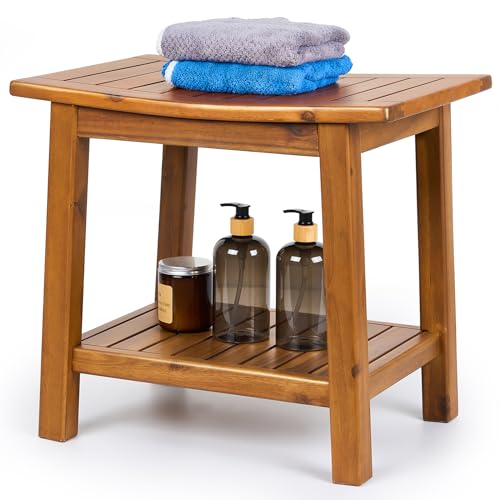
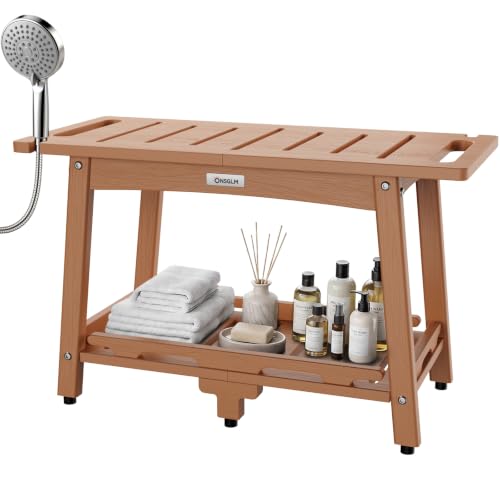
Material Comparison: Teak vs. HDPE/HIPS Plastic vs. Bamboo vs. Aluminum
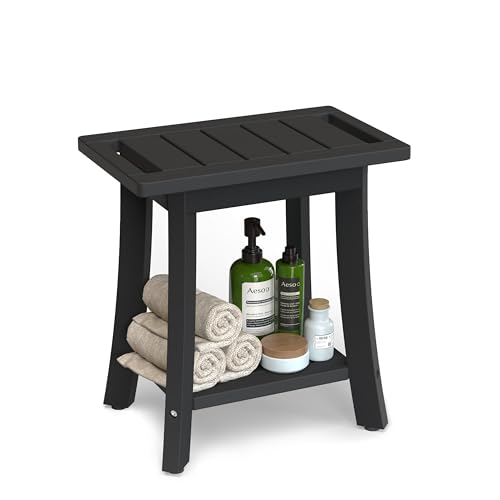
Teak is naturally water-resistant thanks to its high natural oil content, which is why it's the traditional choice for outdoor and marine furniture as well as shower benches — it doesn't need sealing and actually performs better with regular water exposure rather than drying out. HDPE and HIPS plastic (high-density and high-impact polystyrene) are fully non-porous, so they never absorb water, never need any maintenance, and typically cost less than teak. Bamboo is a lighter-weight, budget-friendly option, but it's technically a grass rather than a hardwood — quality varies more between brands, and cheaper bamboo benches are more prone to swelling or splitting over years of daily wet exposure than teak. Aluminum is rustproof and very lightweight, a good fit if you want to move the bench in and out of the shower rather than leaving it in place permanently.

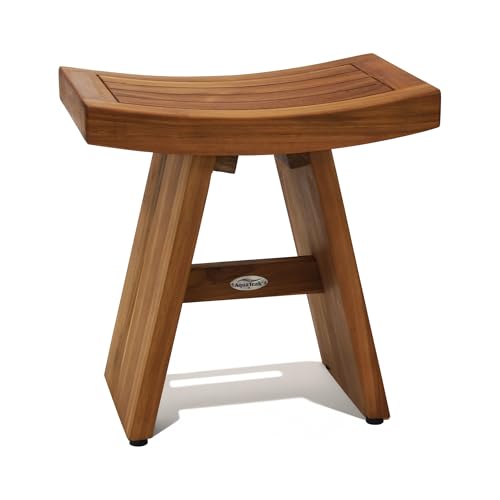
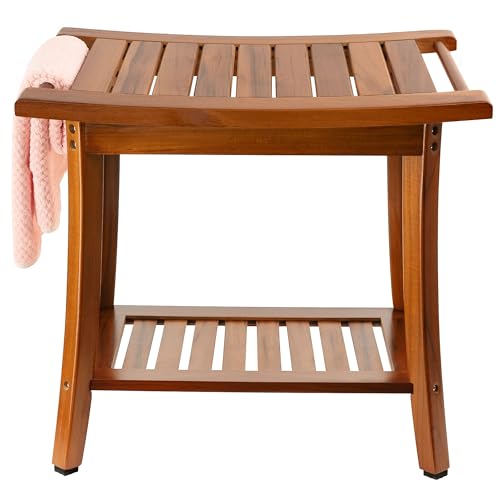
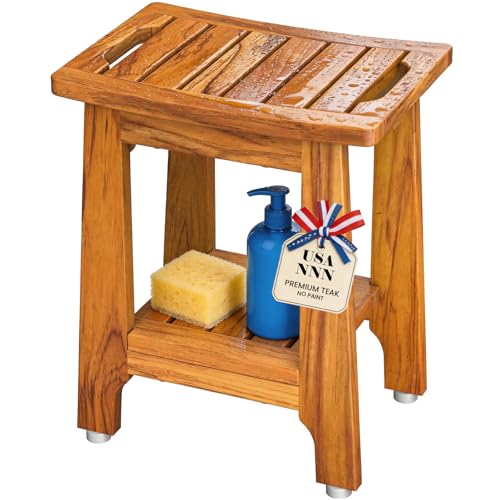
The AquaTeak Original 18" Asia Teak Shower Bench is one of the most established names specifically in teak bath products, and it shows in the review volume — thousands of buyers have used this exact bench long enough to report back on how it holds up over years of daily wet use, which is harder to gauge from a newer or generic listing.
Weight Capacity and Stability
Weight ratings on shower benches range widely, roughly 250-400+ lbs depending on the model and material — always check the specific rating rather than assuming, especially for anyone who needs it for mobility support rather than just convenience. Wider stance/footprint benches (and especially ones with four legs rather than a narrower design) tend to feel noticeably more stable when sitting down or standing up, which matters more in a wet, slippery environment than it would on dry ground.

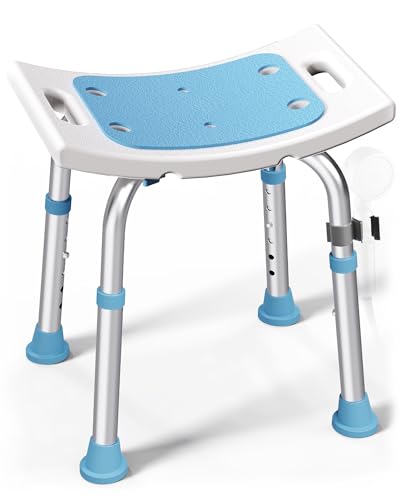
The HOMLAND Shower Chair is rated for 400 lbs and has adjustable height legs, which makes it a solid pick specifically for accessibility use — being able to match the seat height to the user rather than a fixed one-size height is a meaningful comfort and safety difference for anyone using it regularly rather than occasionally.
Non-Slip Feet and Floor Protection
Nearly every shower bench in this category advertises non-slip feet, but the actual grip quality varies — rubber or silicone-tipped feet generally grip better on wet tile or fiberglass than hard plastic feet. This matters for two reasons: it keeps the bench from sliding while you're using it, and it protects your shower floor finish from scratching, which is a real concern on natural stone or softer tile surfaces over repeated use.
Corner vs. Straight Bench Footprint
Corner-style benches tuck into an unused shower corner, which is the better choice for smaller shower stalls where floor space is tight. Straight benches (running along one wall) generally offer a slightly larger seating surface and can double more comfortably as a place to set shower products or a towel, but need more linear wall space to fit without blocking the shower's main standing area.

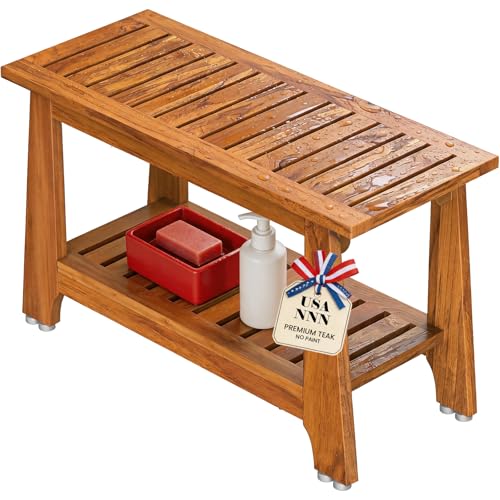
The NNN 30" Commercial Teak Shower Bench is built for exactly the scenario where standard-size benches fall short — it's rated for higher weight capacity and comes with 8 non-slip leveling feet, making it a better fit for larger showers, shared bathrooms with heavier daily use, or anyone who simply wants a longer, more substantial seating surface than a compact stool provides.
Storage Shelves and Add-On Features
Many mid-range benches include a small shelf or slatted top tier for holding shampoo, soap, or a razor within reach while seated — genuinely useful if your shower doesn't already have a built-in niche or caddy. Handles built into the sides of the bench also help with stability getting up and down, which is a small but meaningful feature for anyone using it for balance support rather than just convenience.
Maintenance by Material
Teak benefits from an occasional light oiling (teak oil, applied every few months to a year depending on use) to maintain its natural silver-gray weathering or original golden tone, though it will function fine even without any maintenance at all — the oiling is purely cosmetic. HDPE and aluminum benches need essentially no maintenance beyond an occasional wipe-down. Bamboo benches should be checked periodically for any swelling or separation at joints, since lower-quality bamboo is the material most prone to wear from constant wet exposure over time.
Assembly and Seat Height
Most shower benches ship either fully assembled or with minimal tool-free assembly (a few legs that snap or screw into the seat), typically taking under 15 minutes. Standard seat heights run around 17-19 inches, close to a typical chair height, which works well for most adults sitting to shave or wash. If the bench needs to match a specific wheelchair transfer height or accommodate a taller or shorter user, look specifically for an adjustable-leg model rather than a fixed height, since the height difference between models is usually only an inch or two and isn't always adjustable after purchase.
FAQs
Is teak actually better than plastic for a shower bench?
Both hold up well to constant water exposure. Teak has a more natural, higher-end look and requires occasional oiling if you want to maintain its original color (purely cosmetic, not structural). HDPE plastic needs zero maintenance and is typically less expensive. Neither is objectively "better" — it comes down to look preference and maintenance tolerance.
Can a shower bench get moldy?
Non-porous materials (HDPE, HIPS, aluminum) essentially can't grow mold on the material itself, though grime can still build up on the surface without cleaning. Teak's natural oils give it strong mold resistance, but lower-quality wood benches (especially cheap bamboo) are more susceptible if not properly sealed or maintained.
What weight capacity should I look for?
For general convenience use, 250-300 lbs covers most buyers comfortably. If the bench is for mobility support, medical use, or a larger user, prioritize 400+ lb rated models and check for a wider stance and rubber non-slip feet specifically, since stability matters as much as the raw weight number.
Do I need a corner or straight bench?
Measure your shower's usable floor space first. Corner benches work better in smaller or standard-size shower stalls; straight benches need more linear wall space but offer a larger seat and sometimes double as extra shelf space.
Conclusion
For most bathrooms, a teak bench in the 18-20" range covers the combination of durability, stability, and looks that most buyers want. If low maintenance matters more than the natural-wood look, HDPE plastic performs just as well functionally for a lower price. And if the bench needs to support mobility or accessibility needs specifically, prioritize weight rating, non-slip feet, and adjustable height over material or style — those are the details that actually affect safety day to day.