Best Rain Shower Heads of 2026: The Ultimate Buying Guide for a Spa-Like Shower at Home
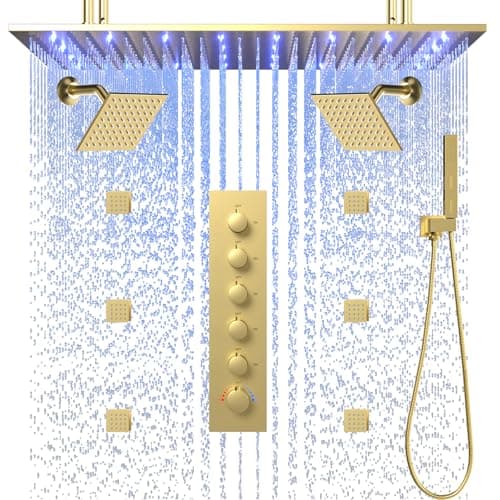
There's a reason rain shower heads have become one of the most searched bathroom upgrades in the U.S. market: nothing else transforms your daily shower into a spa-like ritual quite as quickly or as affordably. Whether you're doing a full bathroom remodel or simply swapping out your existing showerhead, upgrading to a rainfall shower head is one of the highest-impact, lowest-effort home improvements you can make.
But with hundreds of options across wildly different price points, sizes, materials, and mounting styles, choosing the right one takes more than a quick Amazon scroll. This guide covers everything you need: what rain shower heads actually are, how they work, what separates a great one from a disappointing one, top brands to trust, and exactly what to look for based on your bathroom, your plumbing, and your preferences.
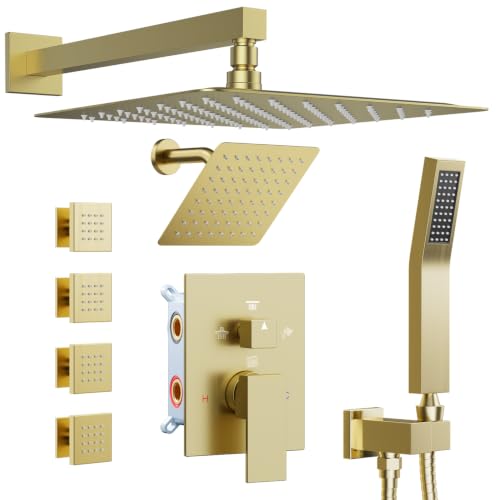
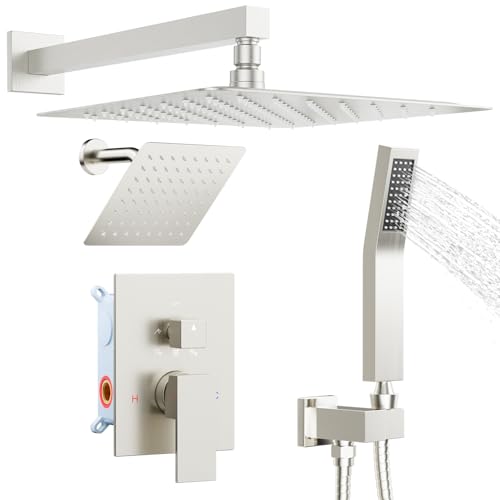
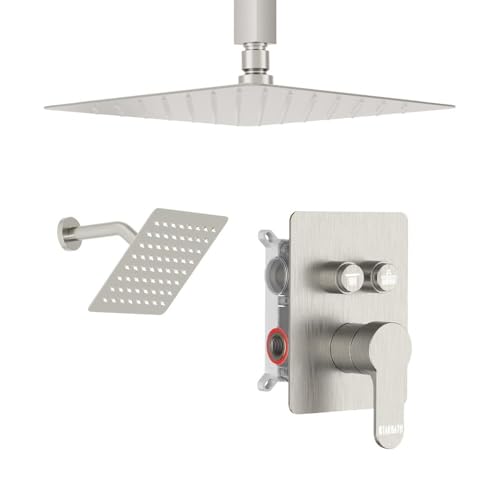
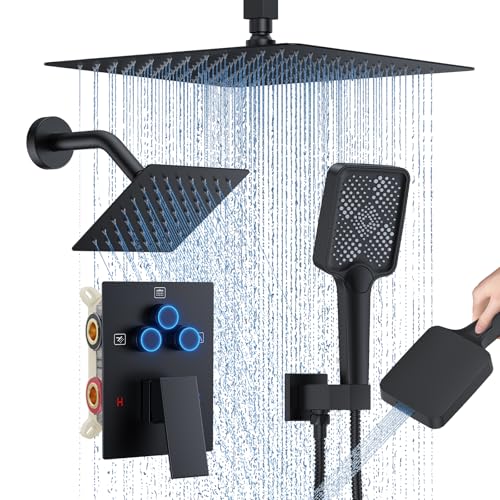
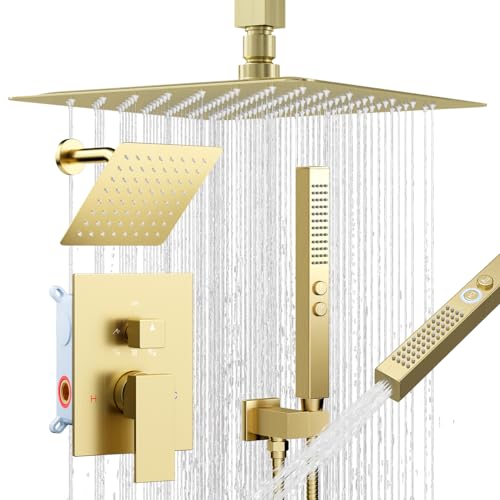

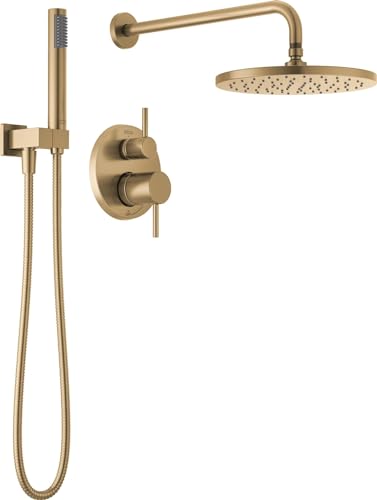
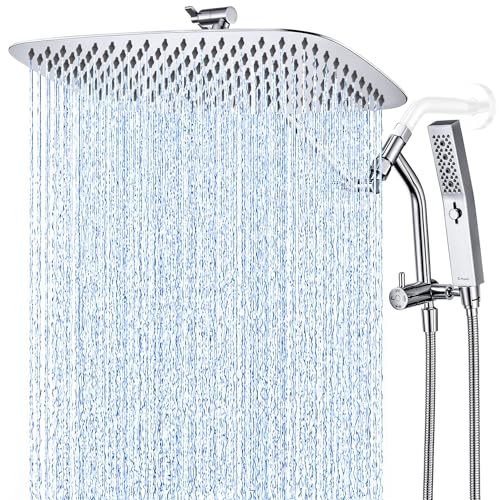

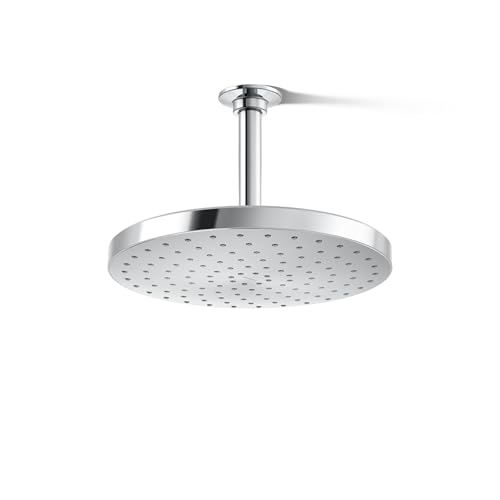

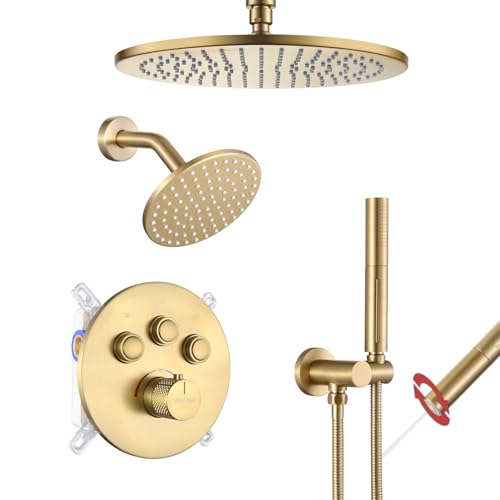

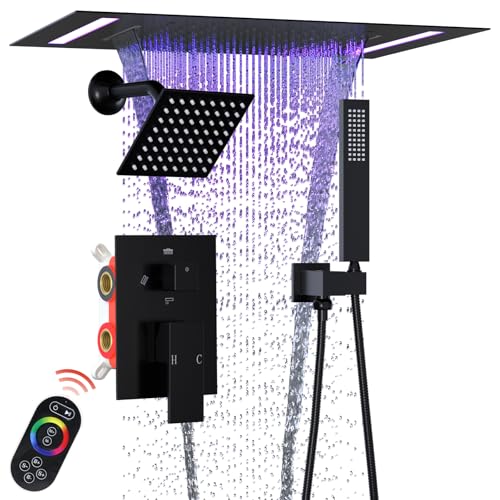

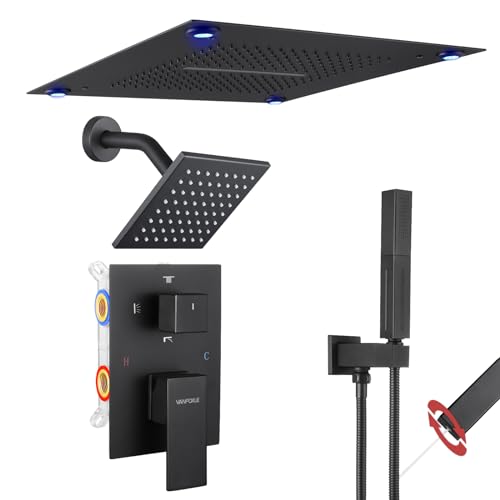
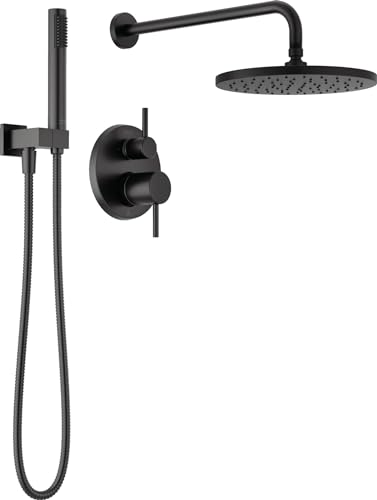
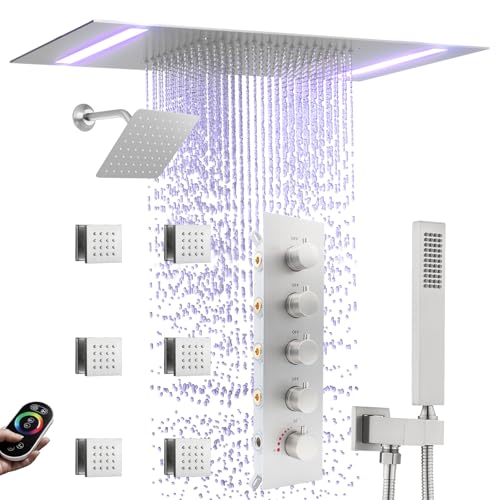
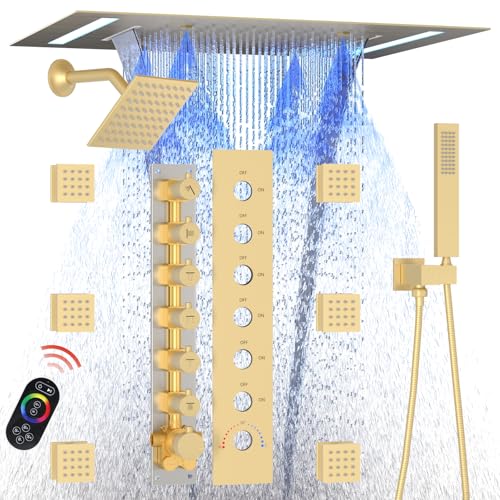
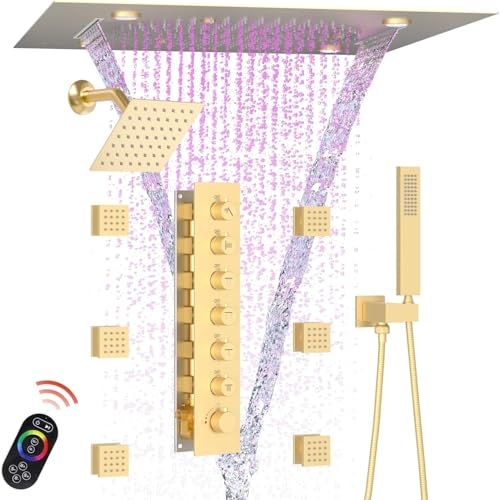
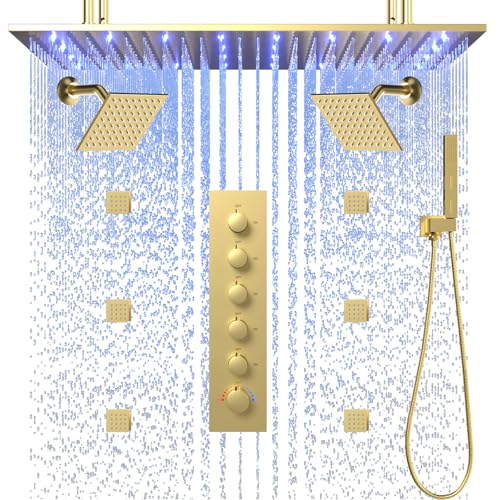
What Is a Rain Shower Head and How Is It Different from a Standard Showerhead?
A rain shower head (also called a rainfall shower head or overhead shower head) is a wide-diameter fixture typically 8 to 12 inches designed to distribute water evenly across a large surface area, simulating the sensation of natural rainfall falling straight down on your body.
This is fundamentally different from a standard fixed showerhead in three key ways:
Diameter and Coverage Standard showerheads measure 3 to 5 inches in diameter. Rain shower heads range from 6 to 20+ inches; the larger the face, the broader the coverage. A quality 10-inch rain shower head produces full shoulder-to-shoulder coverage that a traditional head simply cannot replicate.
Water Distribution Pattern Standard showerheads direct water in a focused, angled stream. Rain shower heads distribute water through dozens or hundreds of evenly spaced nozzles across their entire face, creating a gentle, uniform "curtain" of water that falls downward, not outward.
Pressure Feel vs. Pressure Force Rain shower heads use the same GPM (gallons per minute) as standard heads, but spread that water across a much larger area. The result is a lower-pressure-per-square-inch sensation that feels immersive and relaxing rather than forceful. If you want high-pressure hydrotherapy, a rain shower head alone may not satisfy, but for the feeling of standing under a warm summer rain, nothing else compares.
Why Rain Shower Heads Have Exploded in Popularity
The U.S. rainfall showerhead market has grown steadily as American homeowners prioritize bathroom upgrades that deliver the spa aesthetic without a five-figure renovation bill. A few key trends have accelerated this:
The "Home Spa" Movement. Post-pandemic, U.S. homeowners invested heavily in making their homes feel like retreats. Rain shower heads, especially ceiling-mounted models with polished chrome or matte black finishes, deliver an immediate visual and experiential upgrade that feels significantly more luxurious than the fixture price suggests.
Water Efficiency Standards Modern rainfall shower heads are significantly more water-efficient than their predecessors. Most new models deliver 2.0–2.5 GPM (the U.S. federal maximum), while WaterSense-certified models operate at 2.0 GPM or less. States including California, Washington, Colorado, and Vermont enforce stricter limits of 1.8–2.0 GPM. Many homeowners are surprised to find that a properly designed low-flow rain shower head feels more satisfying than older high-flow models. The even distribution creates a better sensory experience per gallon.
Easy DIY Installation: Wall-mounted rain shower heads install on standard ½-inch NPT threads, the same connection used by every conventional showerhead. For most homeowners, switching from a standard head to a wall-mounted rainfall head is a 15-minute job requiring only an adjustable wrench.
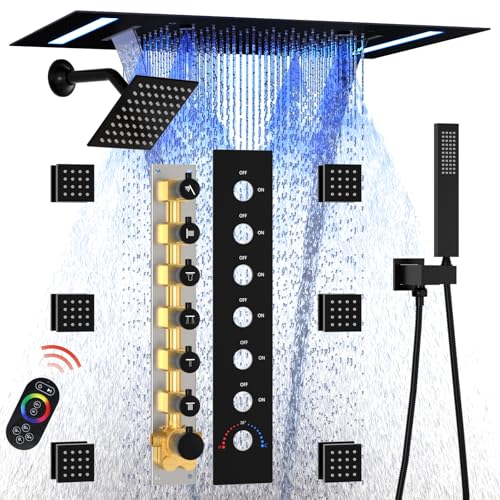
Types of Rain Shower Heads: Which Style Is Right for You?
Understanding the different mounting and design configurations is the most important decision you'll make before purchasing.
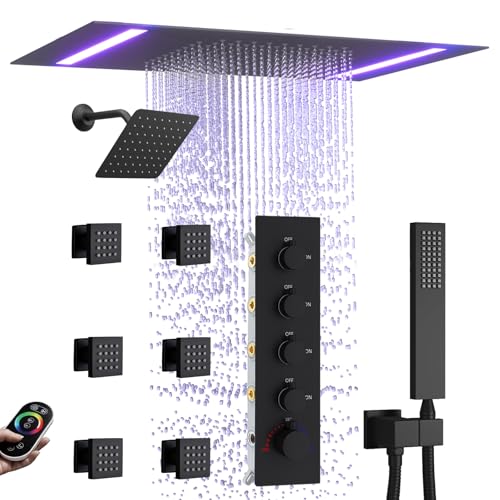
1. Wall-Mounted Rain Shower Heads
The most common and DIY-friendly option. A wall-mounted rain shower head attaches to your existing shower arm or to an extended S-shaped or gooseneck arm that positions the head farther from the wall for a more overhead-style flow.
Pros:
- Installs directly on existing plumbing, no contractor needed
- Most affordable entry point for rainfall experience
- Compatible with virtually every shower configuration
- Easy to combine with a handheld attachment
Cons:
- Water falls at a slight angle (not perfectly vertical), which reduces the "authentic rainfall" sensation compared to ceiling-mounted
- Large-diameter heads (12"+) perform less optimally on wall mounts due to the angled spray
- Extended arms (gooseneck/S-arm) may cause some water to miss the shower floor in smaller enclosures
Best size for wall mounting: 8–10 inches. Heads larger than 12 inches are better suited to ceiling installation.
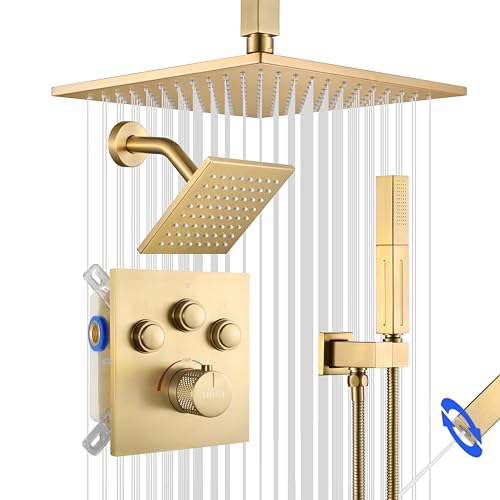
2. Ceiling-Mounted Rain Shower Heads
The most immersive and visually dramatic option. Ceiling-mounted heads are positioned directly overhead so water falls straight down exactly like natural rain. This is the configuration you see in luxury hotels and high-end spa showers.
Pros:
- Most authentic rainfall experience water falls perfectly vertical
- Maximally immersive full-body coverage
- Cleanest aesthetic, no visible shower arm
- Works well with larger diameter heads (12–16 inches)
Cons:
- Requires plumbing to run through the ceiling, typically a professional installation job
- Best suited for new construction or full bathroom remodels
- Higher upfront cost due to installation labor
- Not practical as a simple upgrade in existing bathrooms without replumbing
Best for: New shower builds, complete bathroom remodels, or homeowners who already have ceiling plumbing in place.
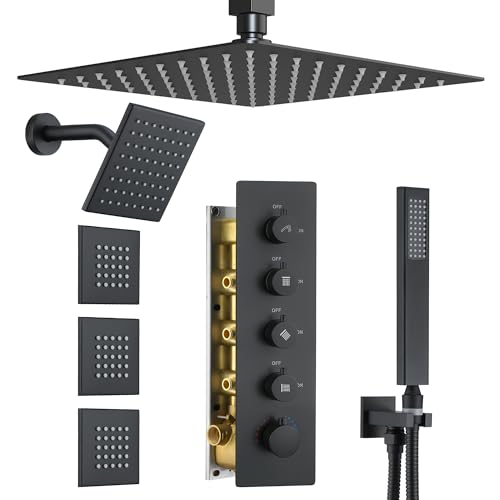
3. Dual/Combo Rain Shower Head Systems
A dual system pairs a fixed rainfall head (ceiling or wall-mounted) with a handheld unit on a separate hose and holder. This is increasingly the most popular configuration among U.S. buyers because it combines the relaxation of rainfall with the practicality of a handheld useful for rinsing, bathing children or pets, and cleaning the shower itself.
Pros:
- Best versatility, relaxing rainfall, and targeted spray
- Handheld adds accessibility for all users
- Great for families with varied preferences
- Can be retrofitted without ceiling work
Cons:
- Slightly higher cost than a single head
- Requires a diverter valve to switch between heads
- Metal-body dual systems cost significantly more than plastic-chrome versions
What to look for in a dual system: An all-metal construction on both heads (not plastic-chrome), a minimum 60-inch hose length, and a magnetic or secure cradle dock for the handheld.
4. Fixed Overhead Rain Shower Heads (Single Function)
Many ceiling-mounted rain shower heads feature a single spray mode, pure rainfall. This simplicity is by design: the focus is entirely on coverage and relaxation, not pressure variety. If you love the feel of rain but don't need adjustability, a single-function ceiling head is an elegant, low-maintenance choice.
Rain Shower Head Size Guide: What Diameter Do You Actually Need?
Size is one of the most misunderstood aspects of choosing a rain shower head. Bigger isn't always better — the right size depends on your shower dimensions, water pressure, and personal preference.
| Head Diameter | Coverage | Best For | Notes |
|---|---|---|---|
| 6–8 inches | Moderate | Small showers, compact bathrooms, budget upgrades | Good pressure retention; works well on wall mounts |
| 8–10 inches | Good | Most standard U.S. showers | The sweet spot for wall mounts; ideal pressure/coverage balance |
| 10–12 inches | Excellent | Mid-size to large showers | Requires adequate water pressure (40+ PSI) |
| 12–16 inches | Full-body | Large walk-in showers | Best on ceiling mounts; wall mount performance suffers at this size |
| 16–20+ inches | Hotel/spa scale | Custom showers, high-end renovations | Requires professional installation; needs high-flow plumbing |
The most common recommendation from independent testers and plumbing experts: 8–10 inches for wall-mounted installations, and 10–14 inches for ceiling-mounted setups. This range delivers full coverage without creating water pressure problems in homes with standard residential plumbing.
Understanding Water Pressure and Flow Rate for Rain Shower Heads
Getting your water pressure and flow rate right is critical. Unlike standard showerheads, rain shower heads are especially sensitive to pressure because their wider face distributes water across a much larger area.
PSI (Water Pressure)
Most homes operate between 40 and 80 PSI at the showerhead. Rain shower heads perform best within this range. If your home's water pressure is below 40 PSI, a very large rainfall head may produce a disappointing trickle. Look for models with pressure-compensating or air-injection nozzle technology, which can enhance the perceived pressure experience even at lower PSI.
GPM (Flow Rate)
- 2.5 GPM — Federal maximum; provides the fullest, most immersive rainfall experience
- 2.0–2.5 GPM — Ideal for most rain shower heads; delivers strong coverage
- 1.8 GPM — WaterSense-certified; required in California, Washington, and Colorado; still highly satisfying in well-designed heads
- 1.5 GPM or less — Low-flow; suitable for water-restricted regions; choose models specifically designed for low-pressure performance
Important Note on Low-Pressure Homes
If you have low water pressure (below 40 PSI), consider these strategies before purchasing a large rain head:
- Choose a smaller diameter head (8 inches or less), as pressure is better preserved over a smaller face
- Look for heads with internal pressure-boost technology or air-injection nozzles
- Avoid large ceiling-mount heads, which rely on gravity and sufficient flow to create good coverage
Key Features to Look for in the Best Rain Shower Heads
Material and Build Quality
Solid Metal (Stainless Steel or Brass): The gold standard. Solid metal construction resists rust, corrosion, and the cracking that affects plastic-chrome models over time. Heavier, more premium feel. Typically found in the $60–$200+ price range.
ABS Plastic with Chrome Finish: The most common material at entry-level price points. Quality varies enormously; cheap ABS plastic will feel hollow and lightweight. Better-quality ABS models from reputable brands (Delta, Moen, Kohler) offer reasonable durability. Look for "BPA-free" labeling.
Full Chrome or Brushed Nickel Metal Exterior: A chrome or brushed nickel exterior finish doesn't guarantee a metal body; many "chrome" showerheads are plastic with a chrome-plated coating. When in doubt, check the product description for "solid metal" or "stainless steel" construction.
Nozzle Design: Self-Cleaning Silicone Nozzles
Mineral buildup from hard water is the primary long-term maintenance issue with rain shower heads. The wide face and dozens of small nozzles create many points where limescale can accumulate and reduce spray performance.
Self-cleaning silicone nozzles (sometimes called "rub-clean jets") solve this problem. The flexible silicone tips allow you to wipe away mineral deposits with a finger or cloth, no tools, no soaking, no descaler products. If you live in an area with hard water (the majority of U.S. cities), self-cleaning nozzles are not optional; they're essential.
Spray Settings
Rain shower heads vary in how many spray modes they offer:
- Single-function (rainfall only): Most ceiling-mounted heads and many premium models. Simplicity and clean aesthetics.
- Multi-function (2–3 settings): Most popular category. Typically includes rainfall, focused jet, and a combination of massage modes. Allows you to switch from relaxation to rinse mode.
- Multi-function (4–6 settings): Common in combo handheld+overhead systems. Settings may include rain, massage, mist, rinse, water-saving pause, and combination modes.
For most buyers, 2–3 spray modes are the sweet spot; more settings add complexity without meaningful everyday benefit.
Finish Options
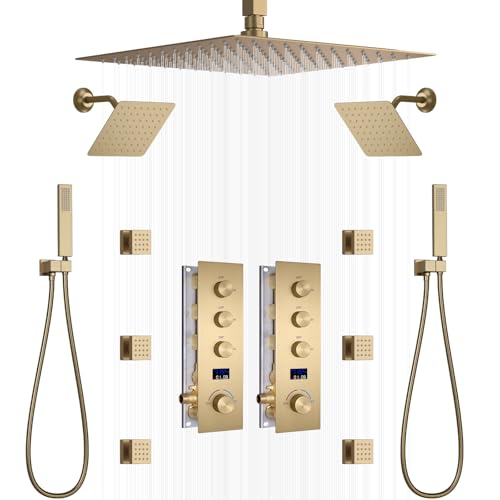
Rain shower heads are available in a wide range of finishes to match your bathroom hardware. The most common U.S. options:
- Polished Chrome — the classic, easiest to find across all brands
- Matte Black — increasingly popular, modern aesthetic, shows water spots more readily
- Brushed Nickel — warm, mid-tone finish; hides fingerprints well
- Oil-Rubbed Bronze — traditional/rustic look; best for transitional or farmhouse bathrooms
- Brushed Gold / Champagne Bronze — premium, statement finish for luxury bathrooms
Match your rain shower head finish to your existing faucet hardware, towel bars, and drain cover for a cohesive look.
Arm Length and Positioning
If you're wall-mounting, the existing shower arm that came with your home may position the head too close to the wall for a true overhead feel. Extension arms solve this:
- Standard wall arm (3–5 inches): Basic positioning; head sits close to the wall and angles downward
- S-arm / gooseneck arm (8–15 inches): Extends the head away from the wall for a more overhead position
- Ceiling-drop arm: Drops from a ceiling junction down to the desired position; requires ceiling plumbing
Most quality rain shower head packages include a compatible arm, but check the specs; some sell the head only, requiring a separate arm purchase.
Top Brands for Rain Shower Heads in 2026
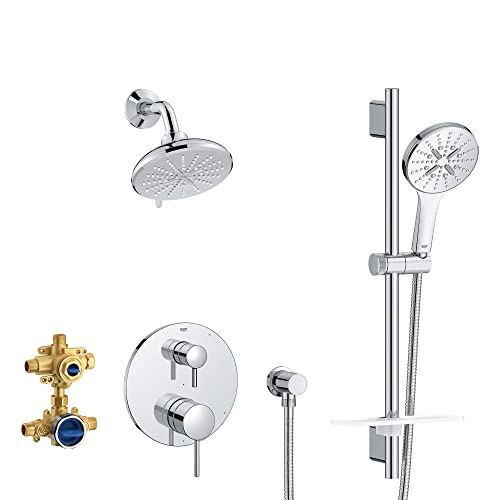
Grohe
Consistently rated the top brand for premium rain shower heads by Bob Vila, Good Housekeeping, and multiple independent testing panels in 2026. The Grohe Euphoria 260 series earns the highest overall scores for build quality, spray performance, and versatility. Available in 8-inch and 10-inch sizes with both standard (2.5 GPM) and water-efficient (1.75 GPM) versions. Ceiling and wall mount compatible.
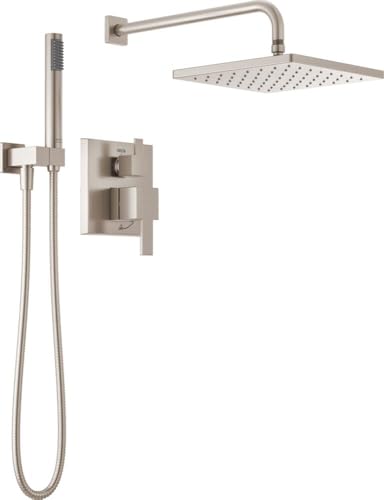
Delta
One of America's most trusted shower hardware brands. Delta's rain shower heads are notable for their magnetic handheld docking systems, wide range of spray settings (up to five modes), and broad finish selection. Strong mid-range value quality construction at accessible price points.
Moen
Another American fixture staple. Moen's Attract Magnetix and rain shower lines offer solid performance with wide retail availability. Known for consistent warranty support and easy part replacement through their Vanguard program.
Kohler
Premium American brand. Kohler's Forté and Awaken rain shower lines offer refined aesthetics and solid multi-function performance. Available in a particularly wide range of finishes, including the distinctive Vibrant Brushed Moderne Brass and Polished Gold options.
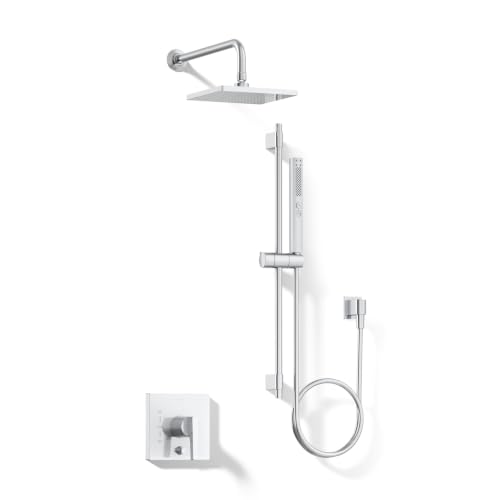
HammerHead Showers
Known specifically for all-solid-metal construction a genuine differentiator in a category dominated by plastic-chrome bodies. HammerHead's dual shower systems are notable for providing full metal construction on both the rain head and handheld unit. Strong choice for buyers prioritizing longevity and build quality over brand recognition.
SparkPod
The go-to recommendation for budget-conscious buyers. SparkPod's rainfall heads consistently outperform their price point in independent tests, earning praise for even water distribution, easy installation, and solid spray performance at under $40. Self-cleaning nozzles included. Available in multiple finishes, including a wide range of color options that no major brand offers.
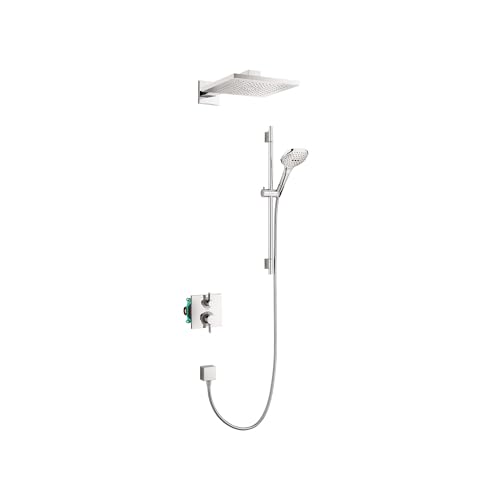
Hansgrohe
German-engineered premium brand (parent company to Grohe). Hansgrohe's Raindance series is the benchmark for luxury rainfall performance, with precision engineering, air-injection nozzle technology, and hotel-grade build quality. The premium of the premium tier.
Speakman
An often-underrated American brand with 100+ years of heritage. Speakman's Hotel Collection and Reaction rain shower heads are known for excellent pressure performance, especially in the low-flow category. Their Anystream adjustable spray technology is widely praised.
Rain Shower Head vs. Standard Showerhead: Which Is Right for You?
| Rain Shower Head | Standard Showerhead | |
|---|---|---|
| Water Feel | Gentle, immersive, full-body | Focused, directed, adjustable pressure |
| Coverage | Full body / shoulder-to-shoulder | Targeted area |
| Relaxation | ⭐⭐⭐⭐⭐ | ⭐⭐⭐ |
| Hair Rinsing Efficiency | May need a handheld companion | Excellent |
| Water Pressure Feel | Lower (gentle rainfall) | Higher (focused stream) |
| Installation Complexity | Wall: Easy / Ceiling: Complex | Easy |
| Price Range | $25–$500+ | $15–$300+ |
| Best For | Relaxation, luxury feel, full-body soaking | Efficiency, high pressure, hair rinsing |
The verdict: Rain shower heads and standard heads aren't mutually exclusive. The most popular setup among U.S. homeowners in 2026 is a dual system: a rain head for the immersive daily shower experience, paired with a handheld for targeted rinsing, cleaning, and practical tasks.
Ceiling Mount vs. Wall Mount: Which Should You Choose?
| Ceiling Mount | Wall Mount | |
|---|---|---|
| Rainfall Experience | ⭐⭐⭐⭐⭐ Most authentic | ⭐⭐⭐⭐ Very good |
| Installation Difficulty | High (typically requires professional) | Low (DIY-friendly) |
| Best Head Size | 10–16 inches | 8–10 inches |
| Aesthetic | Cleaner, more minimal | More visible hardware |
| Ideal For | New construction / remodels | Existing showers/upgrades |
| Cost | Higher (labor + fixtures) | Lower (fixture only) |
Installation Guide: What You Need to Know Before You Buy
Wall-Mounted Installation (DIY)
Most wall-mounted rain shower heads connect directly to your existing shower arm using standard ½-inch NPT threading. Installation typically involves:
- Remove the existing showerhead (turn counterclockwise)
- Clean the threads on the shower arm
- Apply plumber's tape (Teflon tape) to the shower arm threads
- Thread on the new rainfall head by hand, then snug with an adjustable wrench
- Turn on the water and check for leaks
Total time: 15–20 minutes. No plumber required.
If you're adding an extended S-arm or gooseneck arm for better overhead positioning, the process is the same; just add the arm to the wall connection first, then attach the head to the arm's end.
Ceiling-Mounted Installation (Professional)
True ceiling-mount installations require running new plumbing through the ceiling to a dedicated overhead connection point. This is typically done during:
- New shower/bathroom construction
- Complete bathroom remodels
- Shower enclosure replacements
If your bathroom already has a ceiling plumbing stub-out from a prior renovation, ceiling-mount installation becomes a much simpler task. Otherwise, budget for professional plumbing work in addition to the fixture cost.
How to Maintain Your Rain Shower Head
Rain shower heads are low-maintenance fixtures, but a few simple habits will keep them performing at their best for years.
Regular Wipe-Down After showers, a quick wipe with a dry cloth prevents water spots and soap scum from building up on the head's face, especially important for matte black and brushed gold finishes that show deposits more readily.
Monthly Nozzle Cleaning: If your model has self-cleaning silicone nozzles, simply rub your thumb across the nozzle face while the shower is running. Mineral deposits will flake off instantly. Do this monthly if you have moderately hard water; weekly if you have very hard water.
Deep Cleaning for Hard Water Buildup. For heads without self-cleaning nozzles or for more thorough mineral removal:
- Fill a plastic bag with white vinegar
- Secure the bag over the showerhead so the face is fully submerged
- Leave for 1–2 hours (or overnight for heavy buildup)
- Remove the bag and run the shower to flush the loosened deposits
- Scrub remaining deposits with an old toothbrush
This process is safe for chrome, brushed nickel, and most finishes. Avoid vinegar on oil-rubbed bronze it can strip the finish. Use a dedicated fixture cleaner instead.
Filter Considerations If you live in an area with notably hard water or high chlorine content, consider adding an inline shower filter between your shower arm and the rainfall head. These attach without tools and can significantly reduce mineral buildup inside the head while also improving water quality for skin and hair.
Rain Shower Head Price Guide: What to Expect at Each Budget
Under $40 — Budget/Entry Level
Solid entry point for first-time buyers or renters wanting to test the rainfall experience. Expect ABS plastic construction, chrome or limited finish options, and basic single or dual spray modes. Performance at this tier can be surprisingly good from brands like SparkPod, which independent testers consistently rate above their price point.
Best use case: Secondary bathrooms, rentals, first-time rainfall upgrade.
$40–$100 — Mid-Range
The sweet spot for most buyers. At this price, you'll find better-quality ABS or entry-level metal construction, more finish options, improved nozzle design (including self-cleaning silicone), and more reliable spray patterns. Brands like Delta, Moen, and Kohler offer strong options in this range.
Best use case: Primary bathroom upgrades without a premium budget.
$100–$200 — Upper Mid-Range / Premium Value
Solid metal construction becomes more common here. Dual shower systems (rain + handheld) from quality brands. Better finish durability. Wider size options. The HammerHead all-metal dual system sits in this range and consistently earns praise for build quality.
Best use case: Primary bathroom renovation where longevity and performance matter.
$200–$500+ — Premium / Luxury
The Grohe Euphoria 260, Hansgrohe Raindance, and Speakman Reaction series live here. Expect precision engineering, durable metal or high-grade composite construction, advanced spray technology (air injection, pressure balancing), and wide finish selections. Most top-rated models from independent testing panels in 2026 fall in the $150–$300 range.
Best use case: Master bath upgrades, design-focused renovation, long-term investment.
Frequently Asked Questions
Do rain shower heads work with low water pressure? They can, but with caveats. Smaller-diameter heads (6–8 inches) perform better under low pressure because they don't spread water as thinly. Look for models with air-injection or pressure-compensating nozzle technology, which enriches the water stream for a more satisfying feel at lower flow rates. Avoid very large heads (12+ inches) if your home's water pressure is below 40 PSI.
Are rain shower heads water-efficient? Many are. WaterSense-certified rain shower heads operate at 2.0 GPM or less, and the even distribution pattern of a rain head often creates a more satisfying perceived experience per gallon than a standard head at the same flow rate. Because rain showers feel immersive, users often spend less time in the shower than they do trying to achieve full coverage with a standard head.
Can I install a rain shower head myself? Wall-mounted versions: yes, easily. It's the same installation as any showerhead, hand-tighten onto existing ½-inch NPT threads, snug with a wrench, done. Ceiling-mounted versions typically require a plumber if your ceiling doesn't already have plumbing stub-outs.
What size rain shower head should I get? For wall mounts: 8–10 inches is the best balance of coverage and pressure performance. For ceiling mounts, 10–14 inches delivers the most immersive experience. Anything larger than 12 inches on a wall mount will produce a noticeably gentler (lower-pressure) spray.
How do I prevent mineral buildup on my rain shower head? Choose a model with self-cleaning silicone nozzles, they're the best defense against hard water buildup. Supplement with a monthly vinegar soak if needed. An inline shower filter can also reduce mineral deposits significantly.
Are rain shower heads good for washing hair? They can be, though the gentle, wide-distribution flow takes longer to thoroughly rinse thick or long hair than a focused standard head. Many users pair a rain head with a handheld attachment for efficient hair rinsing, getting the relaxation of rainfall for the body and the focused rinse of a handheld for hair.
What's the best rain shower head brand in 2026? Grohe's Euphoria 260 earns the top overall rating across multiple independent testing panels in 2026, including Bob Vila and Good Housekeeping. For value, SparkPod consistently outperforms its budget price point. For all-metal durability, HammerHead Showers is the standout. For U.S. brand familiarity, Delta and Moen offer reliable mid-range options with strong retail support.
Final Thoughts: Making the Right Choice
The best rain shower head for you comes down to three core decisions:
1. Mount style: Wall-mount if you want an easy DIY upgrade. Ceiling-mount if you're renovating and want the most authentic experience.
2. Size: 8–10 inches for wall mounts; 10–14 inches for ceiling mounts. Bigger isn't better if your plumbing can't support it.
3. Budget and build: Spend at least $50 to get a head start with decent materials and self-cleaning nozzles. Spend $150–$300 if you want a fixture that will last a decade and perform like a hotel shower every morning.
A quality rain shower head is one of the few home upgrades that delivers a genuinely better daily experience, not just a visual one. Once you've stood under a properly sized, well-pressured rainfall head in a hot shower, going back to a standard showerhead feels like a step backward.
Note: Flow rate regulations vary by state. Confirm your state's maximum GPM requirements before purchasing. California, Colorado, Washington, and Vermont currently enforce stricter limits than the federal 2.5 GPM standard.