Best Cuisinart Toaster: A Complete Kitchen Buying Guide
Disclosure: We may earn a commission when you buy through links on this page, at no extra cost to you. As an Amazon Associate we earn from qualifying purchases. Learn more
Cuisinart has been a fixture on kitchen counters for decades, and its toaster lineup is one of the few in this price range that shows up consistently in independent testing rather than just marketing copy. If you've already decided to stick with the brand, the real question isn't whether Cuisinart makes a good toaster, it's which one in the lineup actually fits your kitchen. Slot count, control style, and a handful of Cuisinart-specific features separate a toaster you'll use daily from one that ends up back in the box. This guide walks through what makes the lineup worth considering, which features are genuinely useful, and what real owners say goes wrong so you can shop with fewer surprises.


Why Cuisinart Stands Out in a Crowded Toaster Market
Independent testing labs that run toasters through dozens of consecutive cycles keep landing on the same conclusion: Cuisinart's browning results are unusually consistent slice to slice, even on models priced well below premium competitors. One budget model in recent testing finished consecutive white-bread rounds in roughly two minutes with proper crisping, ranking closer to the top of the field despite sitting at the bottom of the price range. That price-to-performance ratio, paired with a three-year limited warranty that's longer than what many budget brands offer, is the main reason Cuisinart keeps showing up on best-of lists rather than just brand-loyalty lists. None of that means every model is a hit, but it does explain why the toaster is worth a closer look before you default to whatever brand happens to be cheapest at the store.
Matching Slot Count and Width to Your Household
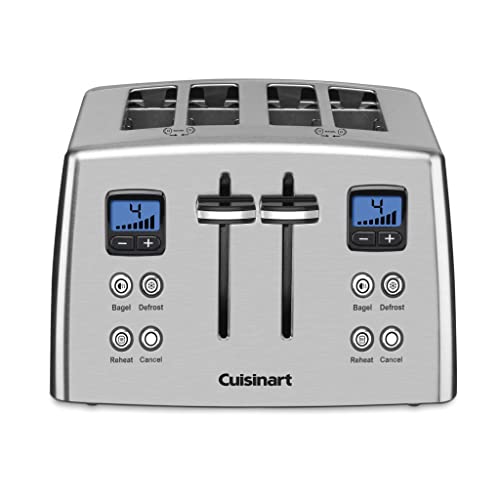
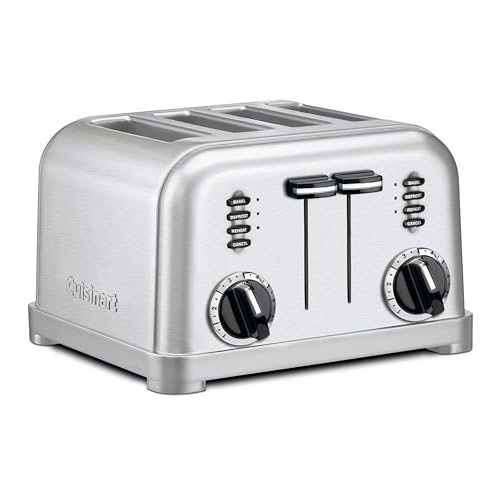
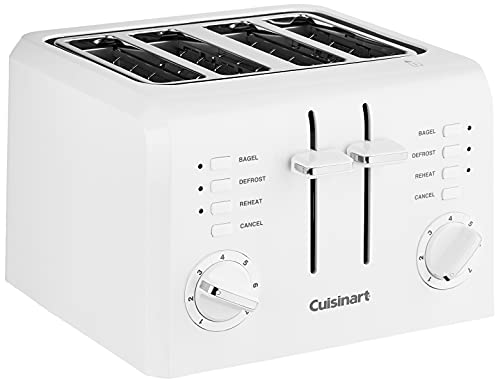
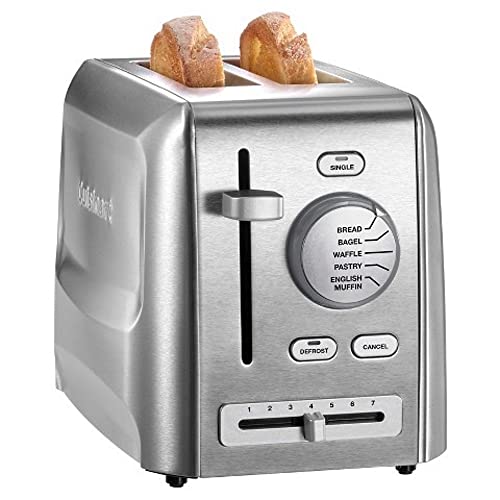
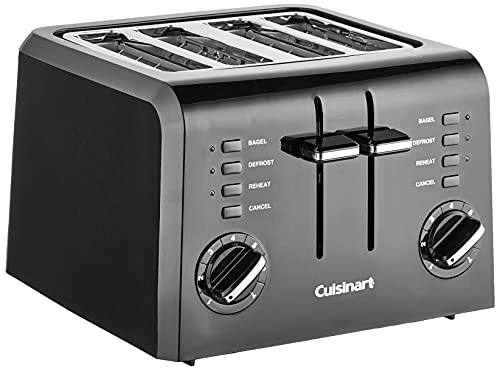
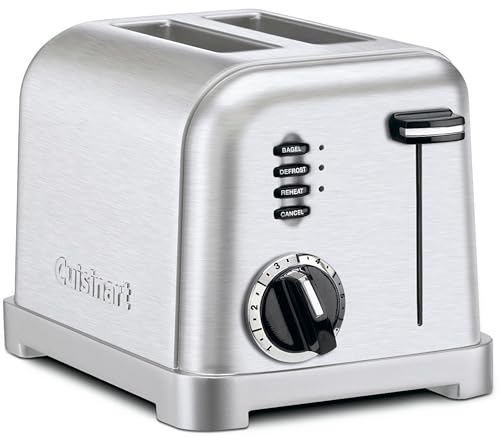
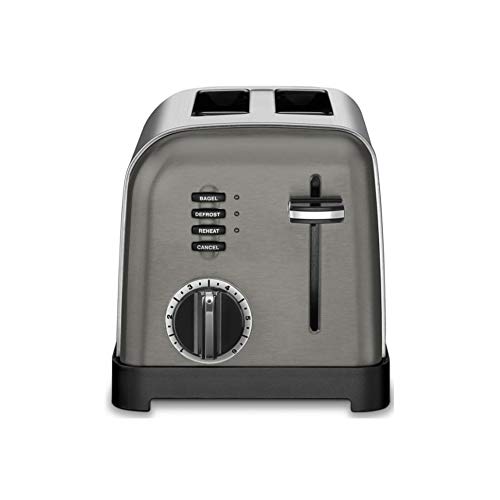
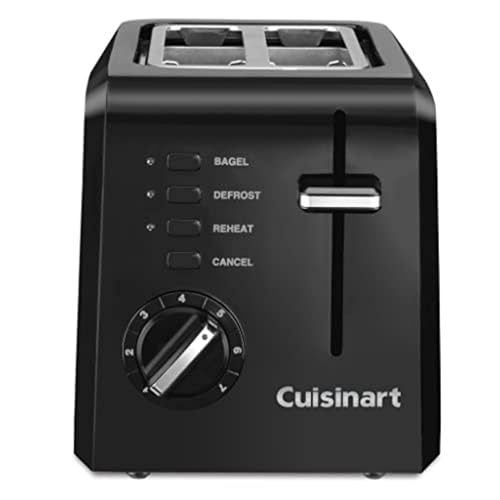
The Cuisinart lineup splits fairly cleanly by slot count, and getting this part right matters more than any single feature. The Metal Classic line, sold in both 2-slice and 4-slice versions, keeps a compact footprint around seven inches deep, which makes the 2-slice version a strong fit for smaller kitchens or single-person households that don't want a toaster eating up counter space. The 4-Slice Compact model goes a step further with independent controls on each toasting chamber, so one side can run a light setting while the other runs dark, without either side compromising for the sake of the other. That's a genuinely useful detail for households where people disagree about how toasted their bread should be.
Slot width is the other half of the equation and it's easy to overlook until you're standing in the kitchen trying to force a bagel half into a slot built for sandwich bread. Wider slots handle bagels, frozen waffles, and thick artisan slices without jamming, while narrow slots on cheaper models tend to produce uneven browning on anything thicker than standard loaf bread. If you're weighing Cuisinart against another brand's leverless design, it's worth comparing how a model like the KitchenAid toaster handles slot width and bread capacity, since the differences between brands show up more in these practical details than in the spec sheet.
MemorySet, Digital Countdowns, and Other Signature Features
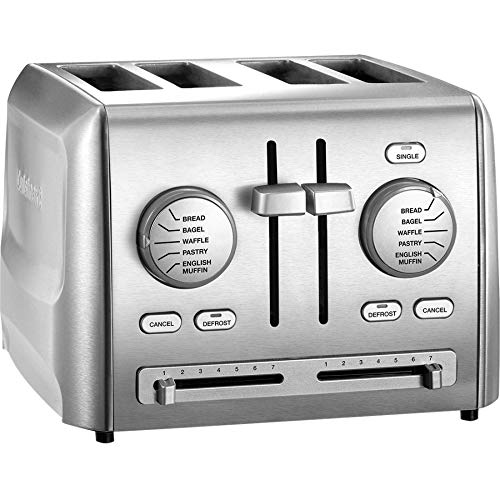
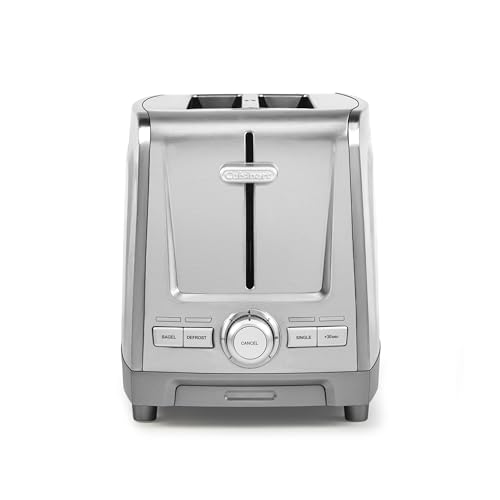
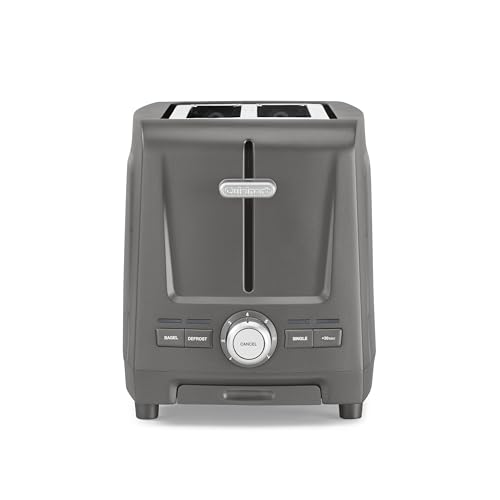
Where Cuisinart separates itself from generic toasters is in the digital models. The CPT-720 style toasters include a large countdown display, seven bread-type presets covering everything from white bread to gluten-free and English muffins, and a MemorySet button that saves a household member's preferred shade and bread type so they don't have to redial it every morning. That last feature matters more than it sounds in a house with more than one person toasting bread, since it removes the guesswork of remembering someone else's settings. Some models in the lineup also skip the mechanical lever entirely in favor of a motorized, touch-to-toast carriage, which appeals to buyers who want a sleeker look but adds a moving part that a simple lever doesn't have. Defrost and single-slice options round out the digital models, letting you toast bread straight from the freezer or run a single piece without wasting a full cycle's worth of energy on an empty slot.
What Cuisinart Owners Say Goes Wrong (And How to Avoid It)
Reading through owner feedback on forums and retailer review sections turns up a fairly consistent pattern, and it's worth knowing before you buy rather than after. The most common complaint is a shade dial that feels loose or doesn't reliably click into a setting, sometimes described as swiveling with no real stops. A smaller number of owners report that the shade setting seems to have little effect on actual toast darkness, with a low setting producing results close to a high one. Digital models occasionally draw complaints about a faint electric hissing sound whenever the display is lit, which is usually harmless but startles first-time owners who aren't expecting it. A handful of long-term owners also report toasting power weakening gradually after a year or two of regular use, or a handle developing a crack.
None of this points to a broken product line so much as normal quality-control variance in any mass-produced appliance. One recurring theme sums it up well: Cuisinart toasters tend to be reliable workhorses or occasional duds, with little middle ground. The practical takeaway is to test the shade dial and run a cycle or two right after unboxing, register the warranty immediately, and keep the receipt, since most issues surface within the first few weeks if they're going to happen at all.
Keeping Your Cuisinart Toaster Running Like New
Several of the complaints above trace back to one avoidable habit: letting crumbs build up inside the unit. A clogged crumb tray restricts airflow around the heating elements and is one of the most common causes of the uneven, inconsistent browning owners report, so sliding the tray out and emptying it weekly goes a long way toward preventing that exact problem. Let the toaster cool for a minute or two between back-to-back cycles rather than running it continuously, since consecutive cycles without a break can cause later slices to darken faster than the first batch. Wipe the housing down with a damp cloth instead of submerging any part of it, and if you're weighing a digital model against a dial version specifically because of the reliability chatter above, know that simpler mechanical models generally have fewer parts that can develop the quirks owners describe.
Frequently Asked Questions
Is a Cuisinart toaster worth buying over cheaper generic brands?
In independent testing, Cuisinart models have consistently outperformed their price point on browning evenness and cycle speed, and the three-year warranty covers more than most budget competitors offer. Quality-control variance exists, as it does with most mass-produced appliances, but the overall track record supports the price.
Should I get a 2-slice or 4-slice Cuisinart toaster?
A 2-slice model, especially from the compact Metal Classic line, suits singles, couples, or tight kitchens. A 4-slice model with independent dual controls is worth the extra counter space if you regularly toast for more than two people or want different shade settings running at once.
What does the MemorySet feature actually do?
MemorySet lets you save a preferred bread type and shade setting so you can recall it later at the touch of a button, instead of adjusting the dial or preset each time. It's most useful in households where multiple people share the same toaster but want different results.
Why does my Cuisinart toaster brown unevenly?
A clogged crumb tray restricting airflow is the most common cause, followed by running several cycles back to back without letting the unit cool. If cleaning the tray doesn't fix it, a loose shade dial or a fault in the heating element is the more likely culprit.
What should I do if my Cuisinart toaster has a defective shade dial or timer?
Test it thoroughly within the first few days of ownership and register the warranty right away, since this is the most commonly reported defect and typically surfaces early. Most retailers and Cuisinart directly will replace a unit with a confirmed dial or timer fault under the three-year limited warranty.
Is a Cuisinart toaster different from a Cuisinart toaster oven?
Yes. A standard toaster only toasts bread, bagels, and similar items, while a toaster oven adds baking, broiling, and reheating, and some models add air frying. If you're deciding between the two, it's worth comparing a standard toaster against a Cuisinart air fryer toaster oven before you buy, since the toaster oven category solves a different problem than a simple pop-up model. Households that already run a Cuisinart coffee maker often end up sticking with the brand for the toaster too, mainly for the matching countertop look and the shared warranty experience.
There's no single best model in the lineup, only the one that matches how your household actually eats breakfast. Weigh slot count and width against your kitchen size, decide whether MemorySet and a digital countdown are worth the extra cost over a simple dial, and keep the crumb tray clean from day one. Do that, and the odds tip firmly in favor of landing a toaster that lasts.