Best Cordless Snow Shovel: A Complete Buying Guide
Disclosure: We may earn a commission when you buy through links on this page, at no extra cost to you. As an Amazon Associate I earn from qualifying purchases. Learn more

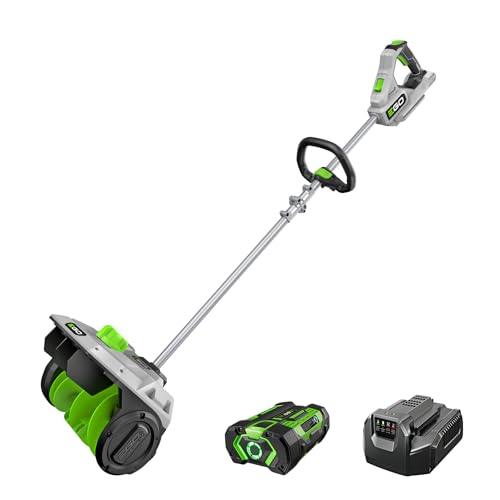
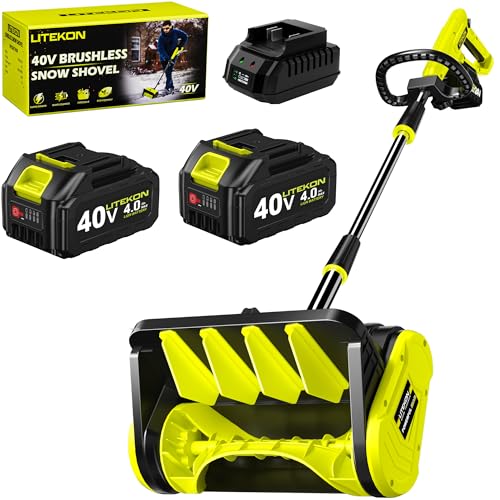
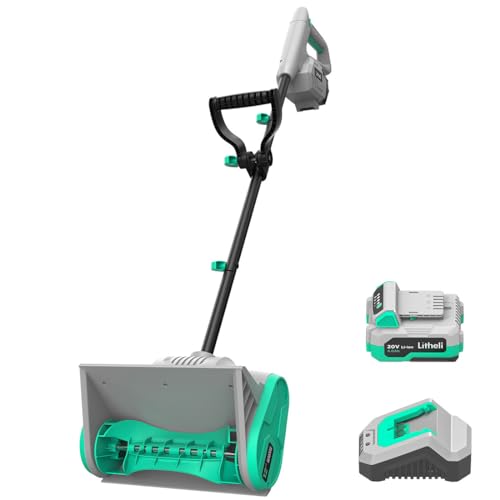
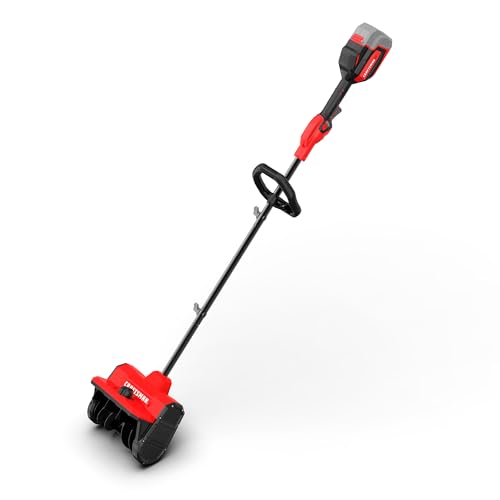
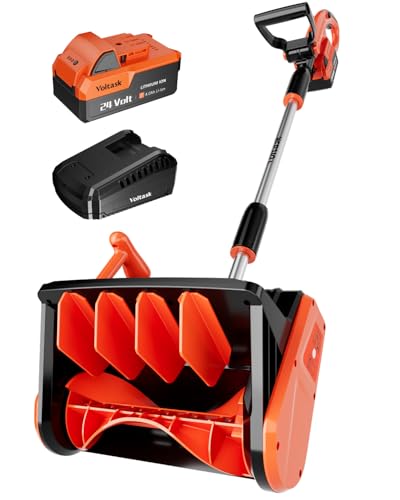
A snowfall alert pops up on your phone and your first thought isn't excitement, it's your aching lower back from last winter's shoveling. A cordless snow shovel promises relief from that dread, but it's worth being clear about what this tool actually is before you shop. This is a small, handheld, battery-powered clearing tool you push along the ground, not a wheeled snow blower. Think of it as a scaled-down single-stage thrower without wheels, built for light dustings on driveways, walkways, and steps rather than heavy accumulation across a big yard. Picking the best cordless snow shovel for your situation comes down to a handful of specs that decide how much snow it can move and how long it will run. This guide walks through what those specs mean, when the tool fits your climate, and when you're better off with something bigger.
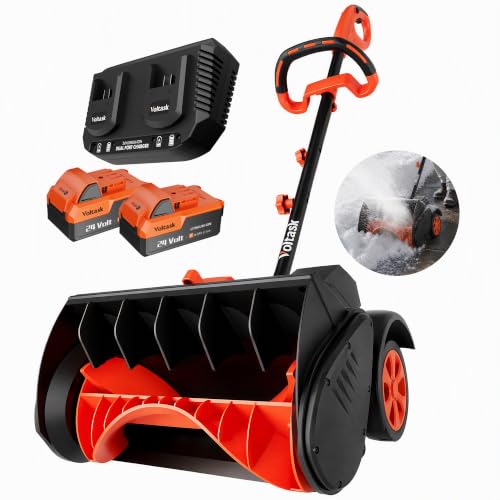
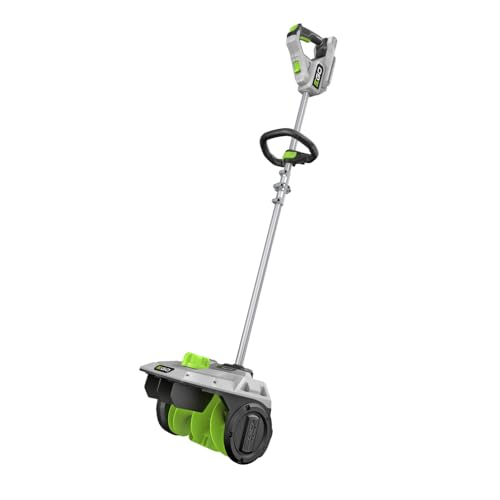
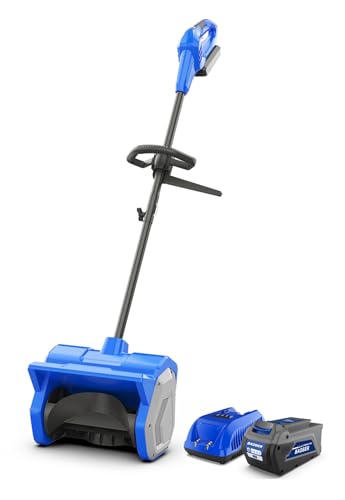
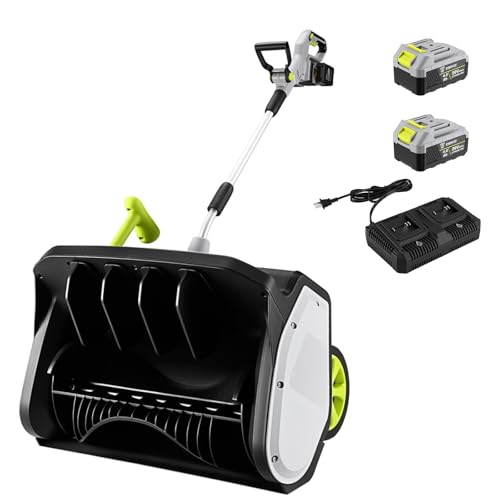

Power, Runtime, and Clearing Width: The Specs That Actually Matter
Every listing throws numbers at you: volts, amp-hours, inches of clearing width. Understanding what each one controls makes comparing models far less confusing.
Voltage and Amp-Hours Determine How Long You Can Run It
Voltage affects how much force the motor can put behind the auger, while amp-hours (Ah) tell you how much energy the battery stores before it needs a recharge. A common pairing is a 20V to 24V motor with a 4Ah battery, which usually delivers somewhere between 15 and 25 minutes of continuous use. Higher-voltage platforms in the 40V to 80V range can stretch that closer to 45 minutes, which matters more than it sounds like once you're partway down a long walkway with a dead battery in your hands.
Clearing Width and Depth Decide How Many Passes You'll Make
Most models clear a path somewhere between 10 and 13 inches wide and handle 6 to 8 inches of depth in a single pass. A narrower path means more back-and-forth trips across the same driveway, so measure your typical walkway or steps and picture how many passes a given width would actually take. Throw distance matters too, since a model that only tosses snow 10 feet tends to pile it right back where you'll walk, while 15 to 20 feet with an adjustable chute keeps the mess away from doors and parked cars.
Weight and Handle Design Affect How Your Back Feels Afterward
The whole appeal of a cordless snow shovel is sparing your back, so weight and balance deserve real attention. Lighter models sit around 9 to 13 pounds, while heavier, higher-capacity units can push past 20 pounds, which changes how the tool feels after twenty minutes of steady pushing. Look for an adjustable handle height so you're not hunching over, and a grip that stays comfortable in gloved, cold hands. A solid pair of leather work gloves also goes a long way toward keeping your grip secure on a cold metal or plastic handle.
Matching a Cordless Snow Shovel to Your Driveway and Snowfall
The single biggest source of buyer disappointment with this category is mismatched expectations, so it's worth being honest about what these tools can and can't do before you commit.
How Much Snow It Can Realistically Handle
Cordless snow shovels are built for fresh, light-to-moderate snow up to about 6 to 8 inches deep. Beyond that depth, the auger tends to bog down or ride over the top of the snow instead of clearing it cleanly. If your area regularly sees storms that dump a foot or more overnight, even the best cordless snow shovel will leave you finishing the job by hand.
Surfaces Where It Performs Best
These machines work best on flat, paved surfaces like concrete driveways, sidewalks, and porch steps, where the auger can ride smoothly along the ground. Gravel driveways are a poor match, since the auger can pick up loose stones and fling them along with the snow. If your property has gravel paths, a traditional push shovel or a wheeled machine set to ride above the surface is the safer choice.
When Your Climate Calls for Something Bigger
If you live somewhere that regularly gets buried under heavy, wet snow or lake-effect storms, a handheld cordless model will spend most of the season underpowered for the job. That's the point where stepping up to a full battery powered snow blower starts to make more sense, since those machines are built with wheels, wider augers, and more torque for sustained, deeper clearing.
Cordless Snow Shovel vs a Full-Size Snow Blower
It's easy to see "cordless" and "snow" in a product name and assume every option in that space does the same job. It doesn't, and knowing the difference upfront saves you from buying the wrong tool entirely.
What a Cordless Snow Shovel Is Actually Built For
A cordless snow shovel is a compact, wheel-free tool you guide by hand, closer in size and weight to a manual shovel than to a machine. It shines on short driveways, walkways, steps, and patios that see light, frequent snowfall, and it stores easily in a closet or small garage corner without needing dedicated shed space.
When a Snow Blower Makes More Sense
A snow blower rides on wheels, clears a much wider path in one pass, and is built to push through deeper, heavier snow without stalling. If your driveway is long, your region gets frequent heavy storms, or you're tired of a tool that can't keep up, a gas powered snow blower or a larger electric model will simply move more snow with less strain on you. The cordless shovel isn't a lesser version of that machine, it's a different tool for a smaller, lighter job.
Cold-Weather Battery Care and Getting Reliable Runtime
Battery performance is where a lot of first-time buyers get caught off guard, since the conditions this tool is used in are exactly the conditions that hurt lithium-ion batteries most.
Why Cold Temperatures Cut Into Battery Capacity
Lithium-ion batteries slow down chemically as temperatures drop, which can noticeably shorten runtime once you're working below freezing. Some batteries also won't charge properly if they've gotten too cold, which catches owners off guard when they grab a battery straight from an unheated garage.
Storage, Charging, and Whether a Spare Battery Is Worth It
Keep batteries indoors at room temperature between storms rather than leaving them in the tool overnight in the cold. Bringing a battery inside to warm up for half an hour before use can noticeably improve both runtime and clearing power. If your driveway regularly takes longer to clear than one charge allows, a second battery lets you swap in fresh power in seconds instead of waiting hours for a recharge mid-storm.
Frequently Asked Questions
What is the difference between a cordless snow shovel and a snow blower?
A cordless snow shovel is a small, handheld, wheel-free tool built for light snow on driveways and walkways. A snow blower is a larger, wheeled machine designed to clear wider paths and deeper, heavier snow with far less physical effort.
How much snow can a cordless snow shovel actually clear?
Most models handle fresh snow up to about 6 to 8 inches deep in a single pass. Beyond that depth, performance drops off quickly and you'll likely need to make multiple passes or finish by hand.
How long does the battery last on a cordless snow shovel?
Runtime typically ranges from 15 to 45 minutes depending on the voltage and amp-hour rating of the battery. Colder temperatures and heavier, wetter snow both reduce usable runtime.
How much do cordless snow shovels weigh?
Most models weigh between 9 and 20 pounds, with lighter units closer to 9 to 13 pounds. Weight affects how comfortable the tool feels to push during longer clearing sessions.
Does cold weather affect a cordless snow shovel's battery?
Yes. Lithium-ion batteries lose capacity in freezing temperatures and some won't charge at all if they've gotten too cold. Storing batteries indoors and warming them before use helps offset the loss.
Can a cordless snow shovel handle wet or icy snow?
Not well. These tools are designed for light, fresh snow, and wet, heavy, or icy accumulation tends to overwhelm the motor and auger. A traditional shovel or a full-size snow blower handles those conditions more reliably.
Making Your Decision
The best cordless snow shovel for your home comes down to matching runtime, clearing width, and weight to your actual driveway and typical snowfall, not just picking the model with the biggest battery number. If you deal with short, frequent, light snowfalls, this tool can genuinely save your back all winter. If your region regularly buries you in deep or heavy snow, be honest with yourself about needing a bigger machine instead.