
Best Gas Powered Snow Blower: A Complete Buying Guide
Disclosure: We may earn a commission when you buy through links on this page, at no extra cost to you. As an Amazon Associate I earn from qualifying purchases. Learn more

Shoveling a driveway after a heavy overnight storm gets old fast, especially when your back reminds you about it for days afterward. A reliable machine can turn that dreaded morning chore into a fifteen minute task, but only if you pick the right one. Finding the best gas powered snow blower for your property means weighing engine power, clearing width, and terrain against your budget and storage space. This guide walks you through what actually matters when shopping for a gas powered snow blower, the different types available, how to keep one running for years, and the mistakes that trip up first time buyers.

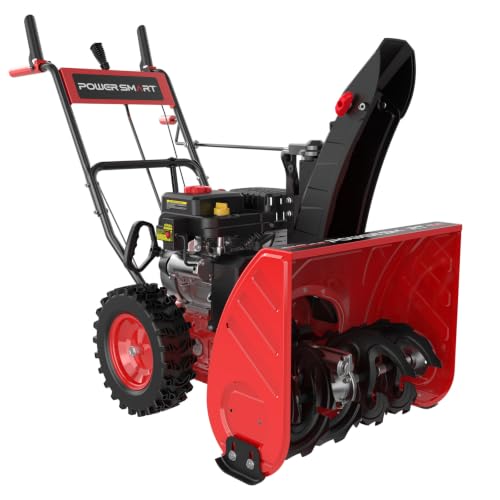
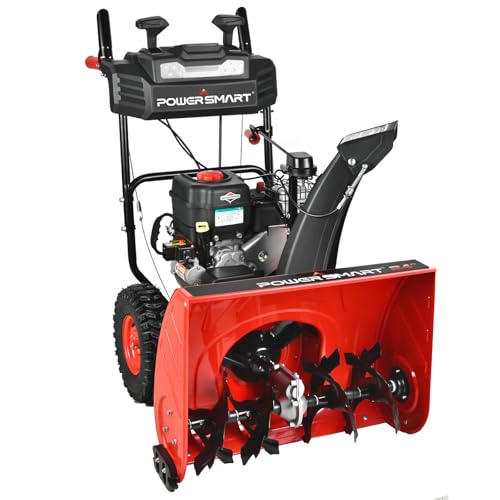
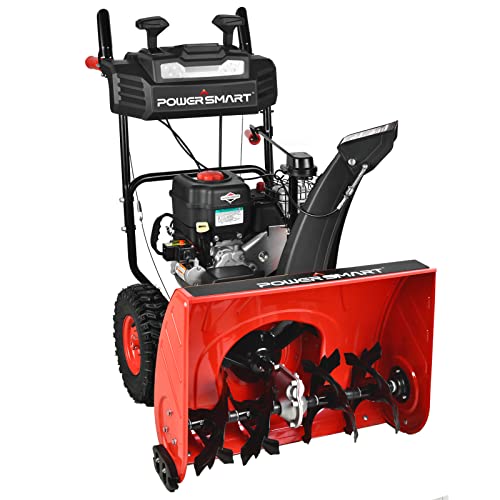
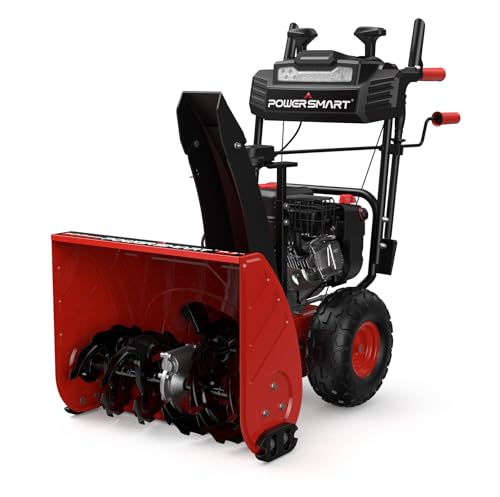
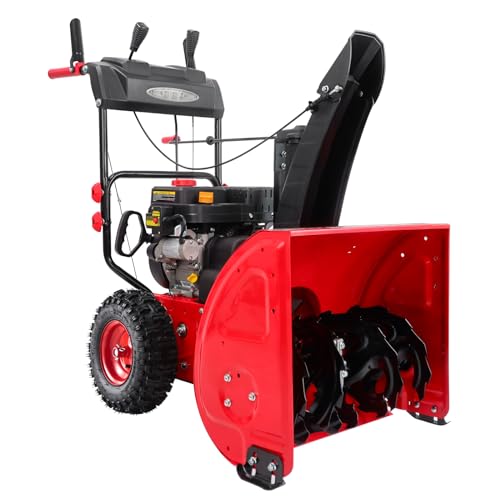
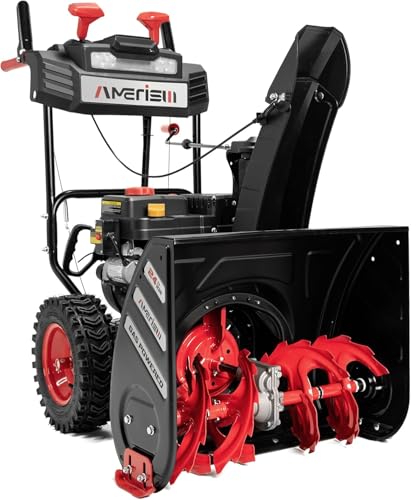
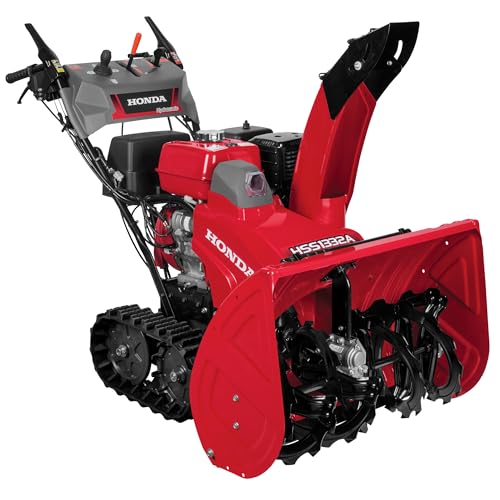
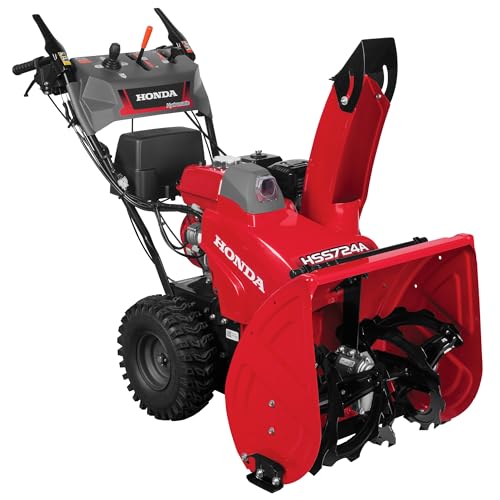
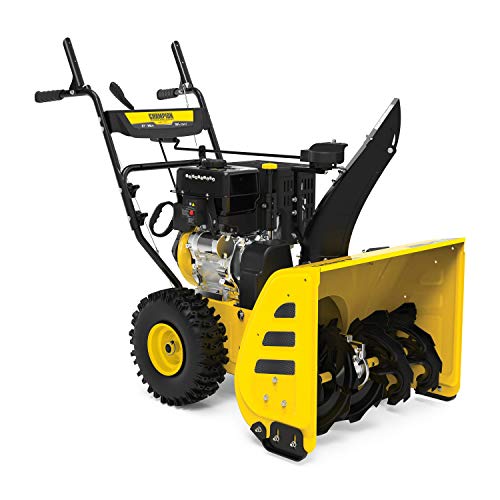
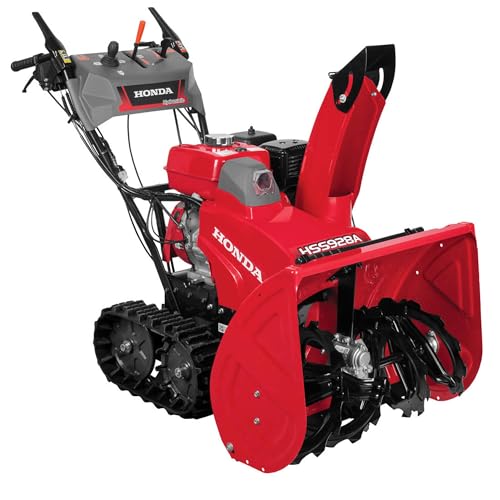
What to Look for in a Gas Powered Snow Blower
Not every yard needs the same machine, so before you compare specs it helps to think about your driveway length, average snowfall, and how much storage space you actually have in the garage or shed. The features below are the ones that matter most when choosing a gas powered snow blower, and they will affect both performance and price.
Clearing Width and Depth
Clearing width determines how many passes you need to finish a driveway, and clearing depth determines how deep a snowfall the machine can handle in a single pass. A narrow machine works fine for a short walkway, but a long driveway usually calls for a wider intake to save time. Check the rated clearing depth against the average snowfall in your region so the auger does not choke on the heaviest storms.
Number of Stages
Gas snow blowers come in single-stage, two-stage, and three-stage designs, and the stage count affects how the machine ingests and throws snow. More stages generally mean more power and better performance on wet, heavy, or icy snow. We cover the differences between each type in more detail below.
Engine Size and Power
Engine displacement, measured in cubic centimeters, gives you a rough idea of how much muscle a machine has behind its auger and impeller. A larger engine chews through wet or compacted snow more easily and throws it farther, which matters if you are clearing near a car or a walkway. Smaller engines are lighter and easier to maneuver but can bog down in heavy, waterlogged snow.
Traction: Wheels vs. Tracks
Wheeled models are lighter, cheaper, and easier to store, and they work well on flat, paved surfaces. Track driven machines grip better on hills, gravel, and icy or uneven ground, which makes them a better fit for rural properties or sloped driveways. A self-propelled model, wheeled or tracked, saves your arms and back on long runs.
Starting System and Extra Features
Electric start takes the guesswork out of cold mornings and saves your shoulder from repeated pull cord attempts. Look for extras like heated handgrips, a headlight for early morning or evening clearing, and a remote chute control so you can adjust the throw direction without stopping to walk around the machine. These features add convenience rather than raw clearing power, but they make repeated use far more comfortable.
Types of Gas Snow Blowers Explained
Understanding the three main categories helps you match a machine to your climate and surface type rather than just picking the biggest one you can afford.
Single-Stage Snow Blowers
A single-stage machine uses one auger that both scoops and throws the snow in a single motion. These units are lightweight, affordable, and easy to store, making them a solid choice for light to moderate snowfall on paved driveways and walkways. They are not designed for gravel surfaces, since the auger makes direct contact with the ground.
Two-Stage Snow Blowers
A two-stage snow blower uses an auger to pull snow in and a separate impeller to fling it through the chute, which means the auger never touches the ground directly. This design handles deeper, heavier snow and works on gravel or uneven surfaces without kicking up loose stones. Most midsize and larger properties are well served by a two-stage machine.
Three-Stage Snow Blowers
Three-stage models add an accelerator that breaks up compacted or icy snow before it reaches the impeller, boosting both intake speed and throwing distance. They are built for regions with frequent heavy snowfall or the dense, slushy piles left behind by plows at the end of a driveway. The added power comes with a higher price tag and a bulkier frame, so they suit larger properties more than small city lots.
How to Maintain a Gas Snow Blower Properly
Regular maintenance keeps a snow blower starting on the first pull and prevents costly repairs mid-season. Change the oil at the interval listed in your owner's manual, and check it before the first storm of the season since a machine that sits idle all summer can develop condensation issues. Replace the spark plug annually and inspect the drive belt and auger belt for cracks or glazing, since a snapped belt can leave you stranded during a storm.
Fuel matters more than most owners realize. Using ethanol-free fuel or adding a fuel stabilizer before storage helps prevent gummed up carburetors, which is one of the most common reasons a gas snow blower refuses to start. Keep spare shear pins on hand, since these are designed to break before they damage the auger gearbox if the machine hits a hidden obstacle like a curb or a rock.
At the end of the season, run the engine until the fuel tank is empty or add stabilizer to what remains, then store the machine somewhere dry. A quick wipe down to remove road salt and moisture also helps prevent rust on the auger housing and chute over the offseason.
Common Mistakes to Avoid
- Waiting until snow is packed down by foot traffic or car tires before clearing it, which makes the job much harder on the machine.
- Skipping the pre-season tune-up and discovering a dead battery or stale fuel during the first storm.
- Buying a single-stage machine for a gravel driveway, which can pull loose stones into the auger.
- Overloading a small engine by trying to clear snow that is deeper than its rated capacity in one pass.
- Ignoring the shear pins and running the auger against ice or debris until something breaks.
- Storing the machine with old fuel still in the tank, which leads to hard starts the following winter.
Frequently Asked Questions
What size gas snow blower do I need for my driveway?
A short, flat driveway usually only needs a single-stage machine with a narrower clearing width. A longer driveway or one that sees heavy regional snowfall generally calls for a two-stage or three-stage model with a wider intake and more engine power.
What is the difference between a single-stage and two-stage snow blower?
A single-stage unit uses one auger to scoop and throw snow at once and works best on paved surfaces with light to moderate snowfall. A two-stage unit adds a separate impeller, handles deeper and heavier snow, and can be used safely on gravel.
How much horsepower do I need for a gas snow blower?
Light, dry snow on a small area can be handled by a smaller engine, while wet, heavy snow or a large property needs more displacement to keep the auger and impeller from bogging down. Check the engine size alongside the clearing width rather than looking at horsepower alone.
Are gas snow blowers better than electric ones?
Gas models generally offer more power, longer run times, and better performance in deep or heavy snow since they are not limited by a battery charge or a cord's reach. Electric models are quieter and require less maintenance, but they tend to fall short during major storms or on large properties.
How often should you change the oil in a gas snow blower?
Most manufacturers recommend an oil change every 25 to 50 hours of use, or at least once per season for typical residential use. Check your owner's manual for the exact interval, since it can vary by engine size.
Can you leave gas in a snow blower over the summer?
Leaving untreated gas in the tank over the offseason can cause it to break down and gum up the carburetor. Either run the tank dry before storage or add a fuel stabilizer so the engine starts easily when winter returns.
How long do gas snow blowers typically last?
With regular maintenance, a well-built gas snow blower can last ten years or more. Skipping oil changes, ignoring belt wear, and storing the machine with old fuel in the tank are the most common reasons a unit dies early.
Final Thoughts
Picking the right machine comes down to matching the stage count, engine size, and traction system to your driveway, climate, and storage space rather than chasing the biggest model on the shelf. A little routine maintenance, from fresh oil to properly stored fuel, goes a long way toward keeping any unit reliable for years. Take stock of your typical snowfall and surface type first, then use the criteria above to narrow down the right fit. With the right machine and a bit of seasonal upkeep, clearing snow becomes a quick task instead of a dreaded one.


