Best Corded Electric Snow Blower: A Complete Buying Guide
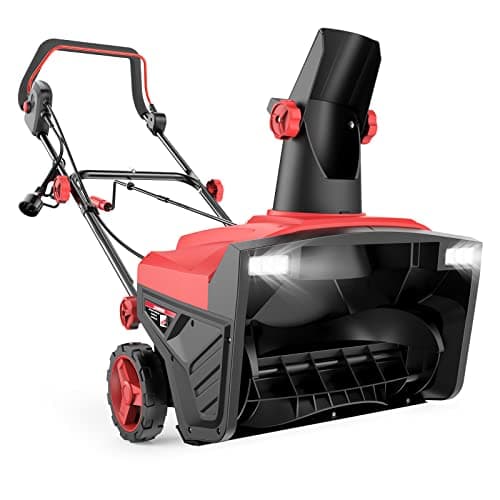
Pulling a cold gas engine to life before sunrise gets old fast, and not everyone wants to manage batteries, chargers, and runtime math just to clear a short driveway. A corded electric snow blower skips both problems. Plug it in, flip the switch, and it runs at full power for as long as you keep working, with no fuel, no charge cycles, and none of the guesswork that comes with a battery pack losing capacity in the cold. The catch is that a cord ties you to an outlet, which changes how far you can go and how you plan the job. This guide walks through what actually matters when shopping for a corded electric snow blower, from motor power and extension cord safety to figuring out whether your driveway is even a good fit for one.
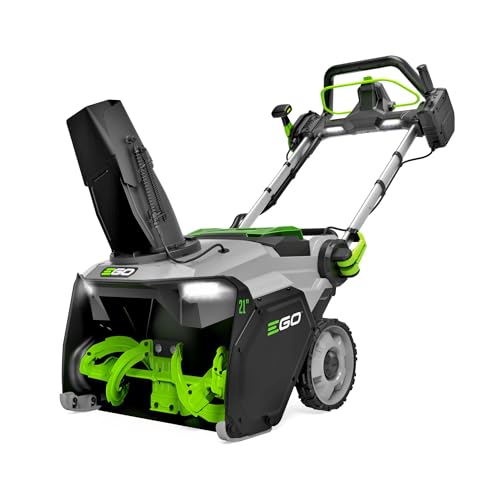
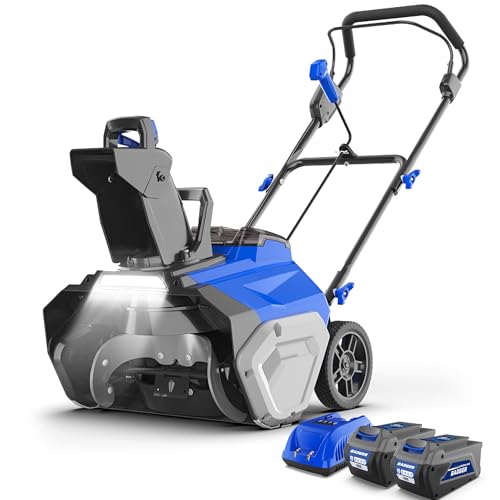
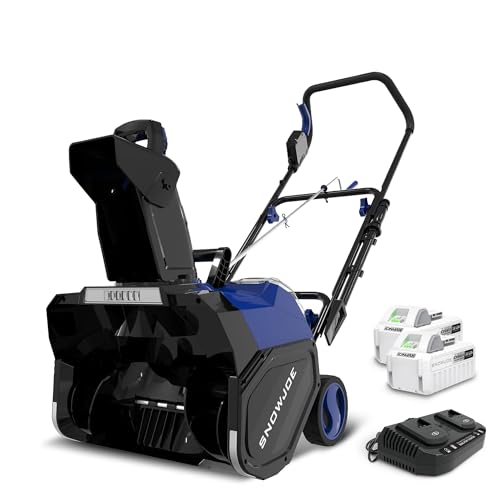
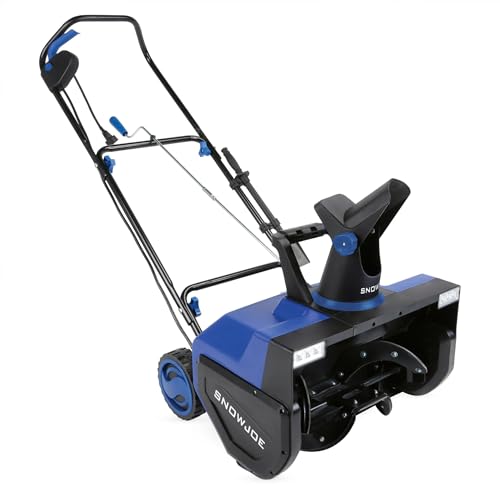
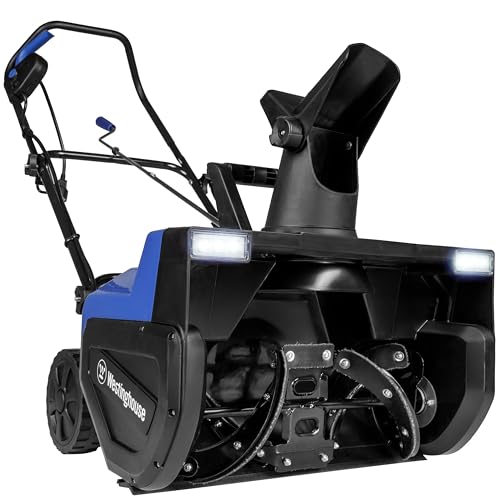


Motor Power, Amperage, and What a Single Auger Can Handle
Every corded model draws its power straight from your home's electrical system, so the motor's amperage rating is the first number worth understanding before anything else.
Why 12 to 15 Amps Is the Sweet Spot for Corded Models
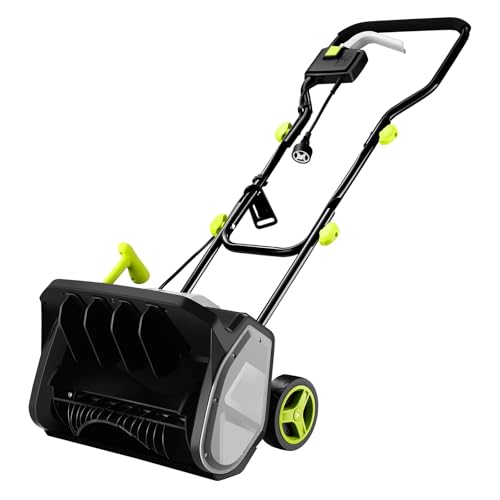
Most corded electric snow blowers fall between 12 and 15 amps, which is close to the practical ceiling for a standard 120-volt household circuit. A higher amp draw generally means a stronger motor and faster auger speed, but it also means the machine is pulling close to what a typical circuit can safely deliver. Check the amperage against your circuit's rating before you buy, especially if the outlet you plan to use also powers other equipment.
Single-Stage Design and Its Real-World Limits
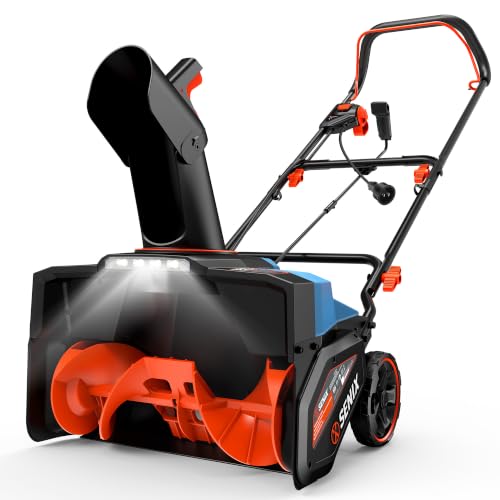
Nearly every corded electric snow blower on the market uses a single-stage design, where one auger both scoops and throws the snow in one motion. That keeps the machine light and simple, but it also means performance drops off fast once snow gets deep, wet, or compacted by a plow. If your area regularly sees heavy or wet accumulation, it's worth comparing a corded model against a single-stage snow blower built for gas power, since the auger design carries different tradeoffs depending on what's driving it.
Clearing Width and Depth Ratings vs Your Actual Snowfall
Manufacturers list a clearing width, usually 12 to 18 inches, and a maximum snow depth the machine is rated to handle in a single pass. Compare those numbers against your typical storm totals rather than the worst storm you can remember. A machine rated for 8 inches of snow will struggle if you wait until 12 inches has piled up, so plan to clear more often in a heavy winter rather than expecting one pass to handle everything.
Extension Cords, Outdoor Outlets, and GFCI Protection
This is the part of buying a corded electric snow blower that has nothing to do with the machine itself and everything to do with how you set it up, and it's also where most of the real safety concerns live.
Picking the Right Gauge and Length
Cord gauge matters more than most people expect. A cord that's too thin causes voltage to drop over distance, which can make the motor run weaker and hotter than it should. As a rule, a 14-gauge outdoor extension cord works fine for runs up to about 50 feet, while anything longer calls for a heavier 12-gauge cord to keep the voltage stable. Always confirm the cord is rated for outdoor use and matches or exceeds the amperage printed on the machine.
Why a GFCI Outlet Isn't Optional
You're running electricity through wet snow, slush, and sometimes standing water near the base of the machine, which is exactly the kind of situation a ground fault circuit interrupter exists to protect against. Plug into a GFCI-protected outdoor outlet every time, and if your garage or exterior outlets weren't built with one, a portable inline GFCI adapter is a cheap fix. Skipping this step is one of the few genuine safety risks with an otherwise low-maintenance machine.
Cord Management While You Work
Running over your own cord is a common complaint with corded machines, and it's usually a habit problem rather than a design flaw. Work in a pattern that keeps the cord behind you or off to the side rather than directly in your path, and loop the slack over your shoulder instead of letting it drag through the snow. A brightly colored cord also makes it easier to spot against white snow, which helps you avoid it without thinking about it constantly.
Matching a Corded Blower to Your Driveway and Yard Layout
The single biggest factor in whether a corded electric snow blower works well for you has nothing to do with snow, and everything to do with how far your driveway sits from a power source.
How Far You Can Realistically Reach From an Outlet
Between the cord that ships with most machines and a reasonable extension cord, you can typically cover 75 to 100 feet from an outlet before voltage drop becomes a real concern. Walk your driveway and measure the distance from your closest exterior outlet to the far end before you assume a corded model will reach. If the answer is no, you're either looking at a longer cord run than is safe or a different power source entirely.
Short Driveways, Walkways, and Small Lots Are the Sweet Spot
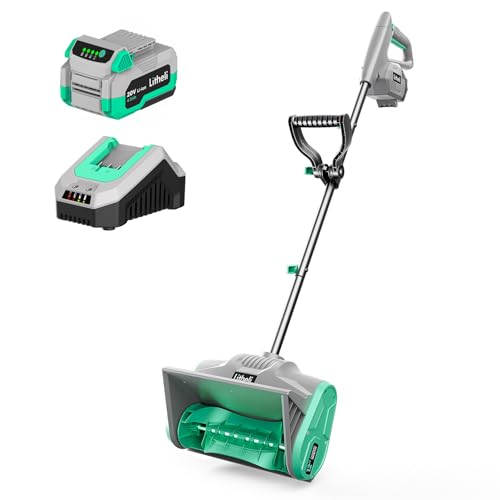
Corded models are at their best on short to mid-length driveways, sidewalks, and townhome-sized lots where an outlet is always within reach. For a small patio, a short walkway, or a single-car driveway with light snowfall, you might not need a full snow blower at all. A cordless snow shovel can clear those same tight spaces without any cord to manage, though it trades power for portability the way a corded blower trades portability for unlimited runtime.
Corded Electric vs Battery and Gas: Where It Actually Fits
Every power source for a snow blower asks you to give something up, and understanding what a corded model gives up compared to the alternatives makes the decision much easier.
Against a battery-powered machine, a corded model wins on runtime since it never needs a recharge and never loses power in cold temperatures the way lithium-ion batteries can. What you trade away is mobility. A battery powered snow blower can go anywhere on your property without a cord to plan around, which matters more on a large or oddly shaped lot. Against a gas machine, a corded blower is quieter, needs no oil changes or fuel, and starts instantly in cold weather, but it can't match the raw power or unlimited range of a gas powered snow blower on a long driveway buried under heavy, wet snow. If your property is small enough to stay within cord range and your snowfall stays mostly light to moderate, a corded electric snow blower usually ends up being the simplest, lowest-maintenance choice of the three.
Frequently Asked Questions
Do I need a special outlet for a corded electric snow blower?
You need a grounded, GFCI-protected outdoor outlet rated for the machine's amperage. A standard interior outlet without GFCI protection isn't safe for outdoor use in wet or snowy conditions.
What gauge extension cord should I use?
A 14-gauge outdoor-rated cord handles runs up to about 50 feet. For longer distances, step up to a 12-gauge cord to prevent voltage drop and keep the motor running at full strength.
Can a corded electric snow blower handle heavy or wet snow?
Most corded models are single-stage machines built for light to moderate snowfall. Heavy, wet, or compacted snow will slow them down significantly compared to a two-stage gas machine.
How far away from an outlet can I use it?
Most setups comfortably reach 75 to 100 feet between the machine's built-in cord and a properly rated extension cord. Beyond that, voltage drop starts to affect performance.
Is a corded snow blower safer than a battery model in wet snow?
Neither is inherently unsafe when used correctly, but a corded model requires extra care around GFCI protection and cord condition since it stays connected to household power the entire time it's running.
Do corded electric snow blowers need much maintenance?
Very little. There's no oil to change and no fuel system to maintain, so upkeep is mostly limited to checking the cord for damage and keeping the auger clear of debris.
What's the main difference between corded and battery powered snow blowers?
A corded model runs on unlimited power as long as it's plugged in but is limited by cord length, while a battery model runs anywhere on your property but is limited by charge time and cold-weather performance.
Weighing the Tradeoffs
A corded electric snow blower makes the most sense for anyone with a driveway or walkway close enough to an outlet, light to moderate snowfall, and a preference for simple, low-maintenance equipment over raw power. Get the amperage, cord gauge, and GFCI setup right and it becomes one of the easiest tools in the garage to rely on every winter. If your property doesn't fit that profile, the battery and gas comparisons above should make it easy to see which direction makes more sense instead.