
Best Commercial Ice Cream Maker for Home Use (2026)
Disclosure: We may earn a commission when you buy through links on this page, at no extra cost to you. As an Amazon Associate I earn from qualifying purchases. Learn more

Compare compressor, large batch and soft serve designs to find the best commercial ice cream maker for your household, counter space and budget.
A house that hosts summer birthdays, team dinners, and weekend guests can empty a small home machine in one evening, and then everyone waits while the bowl warms up and needs chilling all over again. That is the gap a best commercial ice cream maker is meant to close. It gives you larger batches, repeat runs on the same day, and parts built for frequent use, all without renting a shop unit that belongs in a cafe.
This guide helps you choose by room, household size, and budget rather than by raw output alone. Work through the comparison table below, then use the checklist that follows to match capacity, type, power, and upkeep to the way your home actually serves dessert.
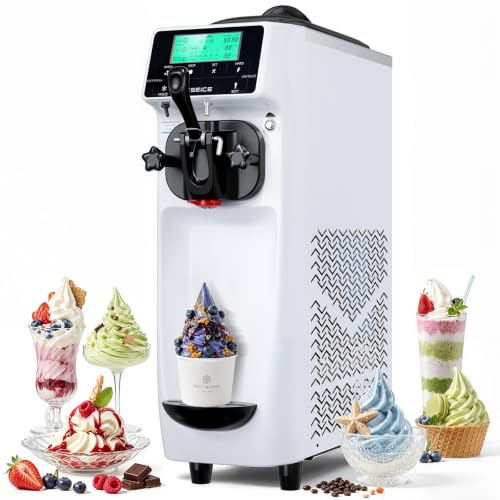


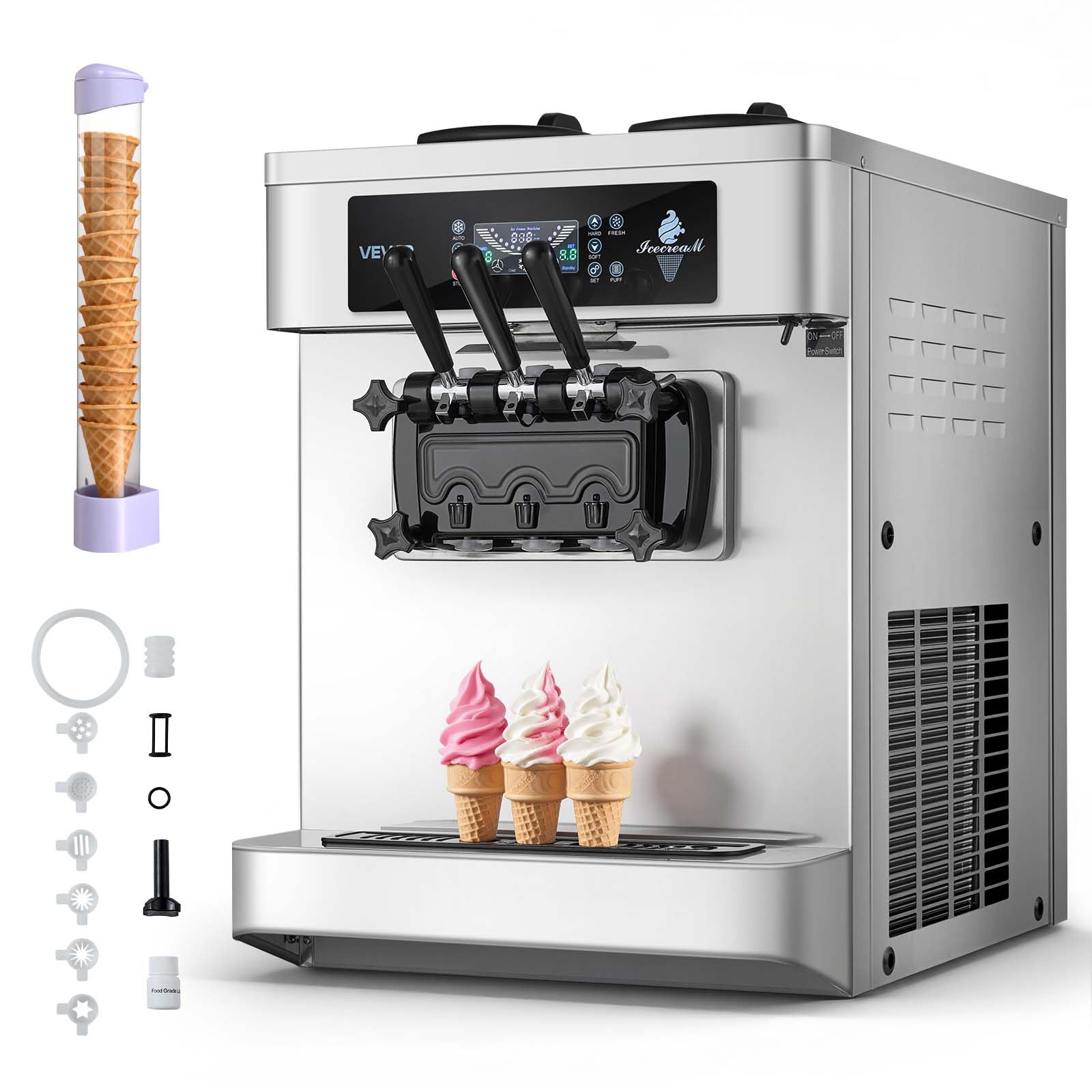
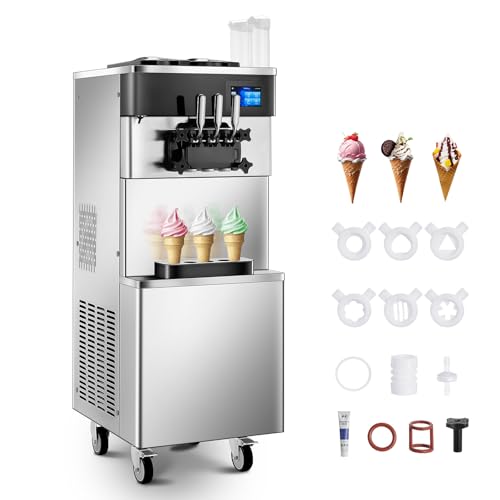

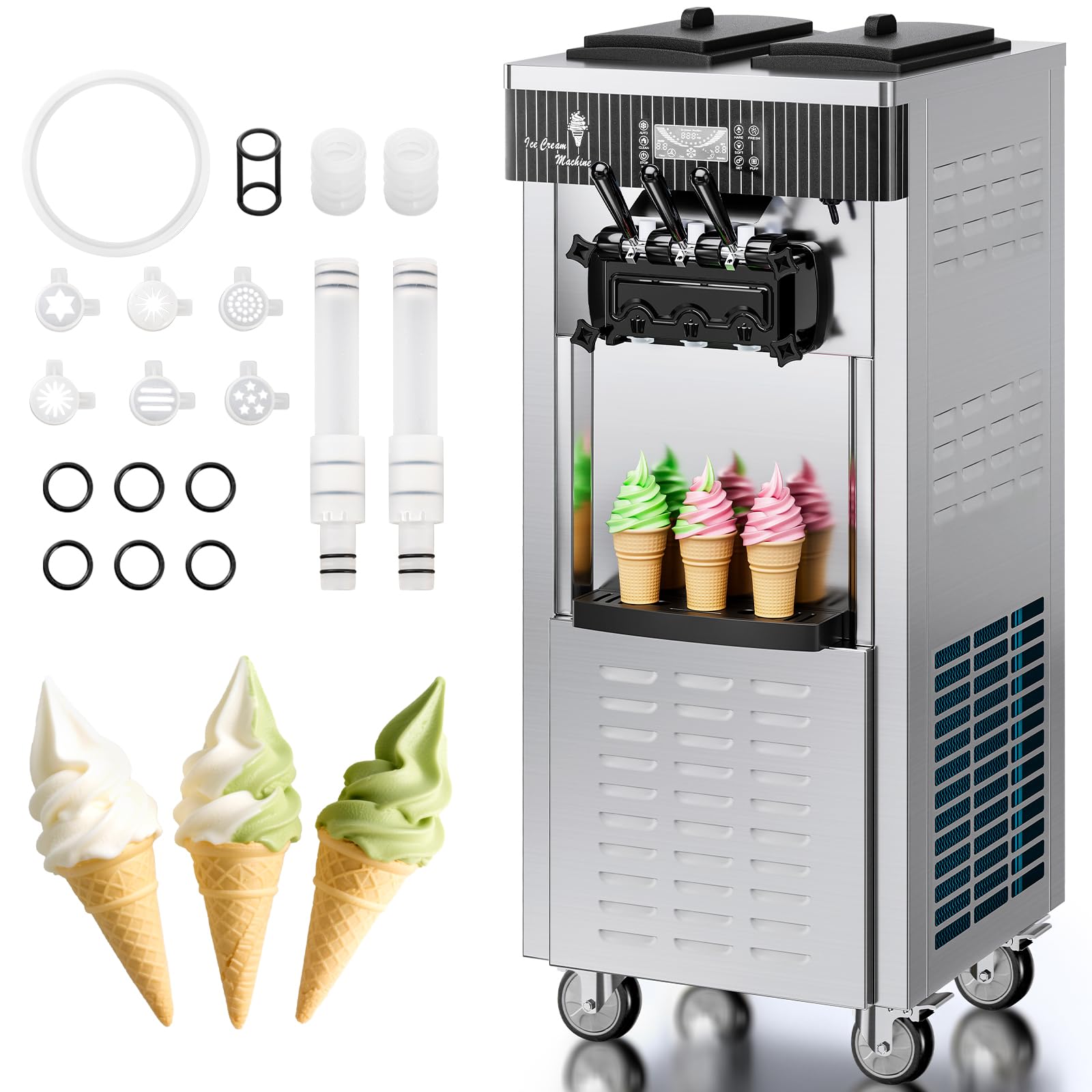


Quick Answer: Three Types That Fit Real Homes
Most homes do well with a countertop compressor model in the 1.5 to 2 quart range, since it freezes on its own, repeats batches, and still stores in a normal kitchen. Homes that serve crowds often should look at larger compressor units with a removable bucket and a stronger motor. If your household dreams in swirls rather than scoops, a dedicated soft serve design is the third path.
The sections below match the type to your space and guest list.
Before You Buy: A Quick Checklist for Choosing an Ice Cream Maker
Commercial on the box can mean anything from a sturdy home unit to a true shop machine, so judge the details rather than the label.
Size: Match It to Your Space
Capacity is stated per batch, so translate quarts into servings before you fall for a big number. One quart yields about eight small scoops, which suits a family dessert with a little left over. A 2 quart model covers a dinner party without a second run, while 4 to 6 quart units make sense for reunions and fundraisers. Bigger is not free, though, since a larger bucket needs more mix and more freezer room for leftovers.
Which Type Fits Your Routine
Compressor models chill the mix themselves and can start a fresh batch as soon as the last one is out, which suits homes that serve in waves. Freezer bowl models cost less, but the bowl needs many hours of chilling before each use, so output stops when guests do not. Soft serve designs dispense as they churn and please kids at parties, yet they limit you to one texture. Manual styles are charming for a porch afternoon, but the effort grows old fast at commercial volumes.
Wattage, Power and Energy Use
Wattage tells you how hard the motor and compressor can work, and commercial designs draw more than basic home units because they freeze larger, denser mixes. A stronger draw matters when you add fruit, candy, or a thick custard base that resists the dasher. It also matters for your circuit, since a machine sharing an outlet with a coffee maker and a microwave can trip a breaker mid batch. Run it on a circuit with room to spare, and expect a modest bump in energy use on heavy serving days.
Safety Features and Certifications
Look for a UL or ETL listing, which means the electrical design passed review by a recognized safety standards body. A lid that pauses the dasher when opened keeps fingers and spoons out of moving parts, and a motor that shuts off when a mix grows too thick protects the drive from strain. Stable feet matter more than you would think once a full bucket starts turning. If you plan to sell what you make, ask your local health office what certification your area requires first.
Counter Space and Dimensions
Measure the counter before you order, including the height under your cabinets, since many compressor units are taller than they look in photos. Leave a few inches of open air around the vents, because a compressor that cannot shed heat will freeze slowly and work harder than it should. Weight counts too. A unit you must haul from a pantry for every use will get used less, so homes short on counter room should favor a smaller model they can leave out.
Realistic Budget Ranges
Expect basic freezer bowl models at about $50 to $100, sturdy home compressor units at about $200 to $500, and larger commercial designs at about $500 to $1,500 or more. Each step up buys output, duty cycle, and parts that tolerate daily runs rather than better flavor, since flavor comes from your base recipe. Set aside a little of the budget for extra buckets and storage tubs as well.
Types Compared: How Commercial Designs Differ
These three broad types cover nearly every home that shops in this category. Compare them on rhythm of use, not on a single headline spec.
Countertop Compressor Models for Steady Family Use
This is the type most homes should start with. The built in cooling system removes the planning step that freezer bowls demand, so you can decide on dessert at lunch and serve it at dinner. Output suits families and modest parties, and the footprint stays within what a normal counter can give up. Our guide to the best ice cream maker shows how output and cost change as you move up a class.
Larger Compressor Units for Crowds and Repeat Batches
When a household regularly feeds twenty or more people, a larger compressor unit earns its room. Bigger buckets, stronger motors, and duty cycles built for back to back runs keep a serving line moving at reunions and holiday gatherings. The trade off is honest: more weight, more noise, more mix to buy, and a bigger wash up afterward. Our roundup of the best compressor ice cream maker options compares capacity claims across this class.
Soft Serve Designs for Parties and Young Guests
Soft serve machines trade firm scoops for instant dispensing, and for some homes that trade is the whole point. Kids can serve themselves, toppings stay at a side station, and nobody waits for a hard freeze after churning. The limits are texture range and trickier cleaning around the dispensing parts. If that format sounds right for your parties, see our guide to the best soft serve ice cream maker for the details that matter there.
Our Selection Process for Commercial Ice Cream Makers
We compare designs on capacity, freezing performance, ease of use, cleaning, noise, safety, and warranty, using maker specifications and patterns in verified buyer reviews. Fit carries extra weight: how much counter a unit claims, how a household works through a batch, and what owning the machine costs after the first summer.
What We Like and What We Do Not Like About Commercial Machines
The strengths are real. Commercial designs repeat batches without a long reset, hold texture well through a long serving window, and use parts that tolerate frequent washing.
- What we like: steady output across a whole event, parts built for daily use in season, and no advance bowl chilling on compressor designs.
- What we like: larger batches mean one base recipe can cover a party, with mix ins varied per serving rather than per batch.
- What we do not like: size, weight, and noise all rise with output, and a shop grade unit can overwhelm a small kitchen.
- What we do not like: more parts and tighter seals mean cleaning takes longer, and skipping it invites stale flavors and worn gaskets.
Standard home machines still win for small households that make a quart now and then. They cost less, store easily, and ask little of your counters.
Common Buying Mistakes to Avoid
- Buying output you will rarely use. A 6 quart bucket sounds generous until every batch leaves you storing tubs of leftovers your family never finishes.
- Ignoring the vent clearance. A compressor pushed tight against a wall freezes slowly, so the machine gets blamed for a layout problem.
- Forgetting the cost of mix. Large batches use large amounts of cream and sugar, and the grocery bill can surprise you more than the power bill.
- Skipping the warranty terms. Frequent use wears seals and drives, so a short warranty on a hard working machine is a real cost, not fine print.
- Assuming commercial means sellable. Selling food to the public brings local rules on equipment and handling that home use never triggers.
Cost of Ownership and Care
Running costs stay modest for most homes. Electricity for an afternoon of churning is minor next to the cream, milk, and flavorings that fill the bucket. Replacement seals, lids, and dashers are the wear items to budget for, so confirm that parts for your type are sold before you buy rather than after a gasket tears in July.
Care is mostly rhythm. Wash the bucket, dasher, and lid right after serving, dry every part fully before storage so seals stay supple, and wipe the housing with a damp cloth. Once a month in heavy season, inspect the gasket for cracks and clear dust from the vents. Our page asking is an ice cream maker worth it walks through the break even math, while our instructions on how to use an ice cream maker cover the first batch.
Your Questions, Answered
What is the most reliable ice cream maker brand?
No single brand wins for every home, and reliability tracks the type more than the badge. Simpler designs with fewer moving parts and strong warranty support tend to serve longest, while complex dispensing systems add failure points. Before buying, check that the maker sells replacement seals and dashers for your market and that service is reachable in your area.
How do you clean an ice cream maker?
Start as soon as serving ends, since dried base clings hard to a cold bucket. Wash removable parts in warm soapy water, use a bottle brush around the dispensing path on soft serve designs, and rinse well so no soap flavor carries into the next batch. A brief soak in warm water with a splash of white vinegar lifts mineral film from hard water. Never immerse the motor housing, and let every part air dry fully before reassembly.
Is an ice cream maker worth it for a home that entertains often?
It can be, once your serving count passes the point where store tubs feel limiting. Homes that host monthly gatherings gain control over flavors, sweetness, and ingredients for guests with allergies, and the per serving cost drops as batch size grows. The honest catch is storage and habit: a machine used twice a year rarely repays its counter space, however good the results taste in July.
How long does a commercial ice cream maker last?
A well kept unit often serves for many years of home use, since commercial parts are built for far more runs than a household will ever ask of them. Seals and gaskets usually age out first, followed by drive parts on heavily used machines. Storing the bucket dry, avoiding metal tools that scar the lining, and replacing a worn gasket early all stretch the working life considerably.
Are commercial ice cream makers worth it for small households?
For one or two people, usually not in the larger sizes. The batches are bigger than a small household can finish while the texture is at its best, and the machine claims counter room every day of the year. A modest compressor model can still make sense if you entertain often or sell at a small market stall, but small homes that mostly serve themselves will be happier a class down.
What is the best commercial ice cream maker?
The right answer depends on your serving pattern, which is why this guide compares types instead of crowning one unit. Frequent hosts need repeat batch capacity and a strong duty cycle, party homes may value soft serve dispensing, and everyone needs a footprint their kitchen can spare. Match those things first, and your short list gets much shorter.
Final Thoughts
Choosing a best commercial ice cream maker comes down to honest math about your home: how many people you serve, how often you serve them, and how much counter you can give up all year. Use the product table above to compare the types side by side, favor the smallest design that covers your biggest regular gathering, and plan for cleaning and parts from day one. Do that, and the machine stops being a summer novelty and becomes the easiest dessert decision in the house.


