
Best Compression Socks for Steel Toe Boots in 2026: Which Type Is Right for You?
Disclosure: We may earn a commission when you buy through links on this page, at no extra cost to you. As an Amazon Associate I earn from qualifying purchases. Learn more

Choose the best compression socks for steel toe boots with this guide to compression levels, calf fit, cushioning, boot compatibility, and safe daily wear.
Long shifts on concrete are hard on legs, and steel toe boots add their own problems: a rigid toe cap that rubs, tall shafts that trap heat, and very little room for a thick sock. Compression socks promise relief for tired, achy calves, but the wrong pair bunches at the ankle, squeezes the toes, or slides down by lunch. Choosing the best compression socks for steel toe boots means matching compression level, length, and cushioning to your boots and your workday.
This guide compares the main types, explains the sizing and safety checks that matter, and flags the warning signs that mean you should talk to a clinician before wearing compression at all. Start with the product table, then work through the type notes.
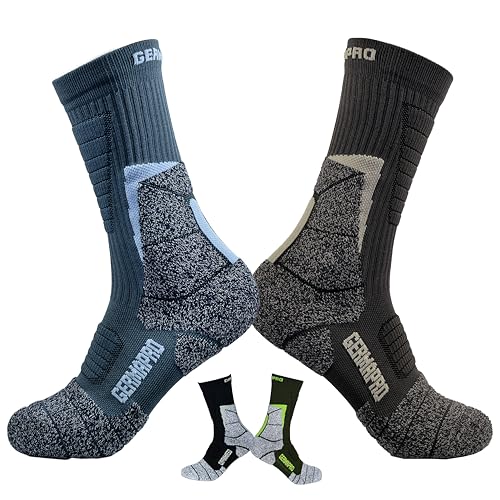
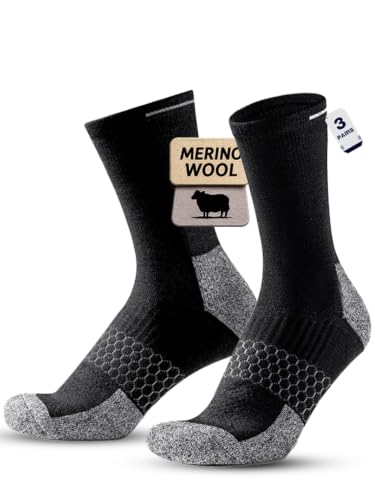


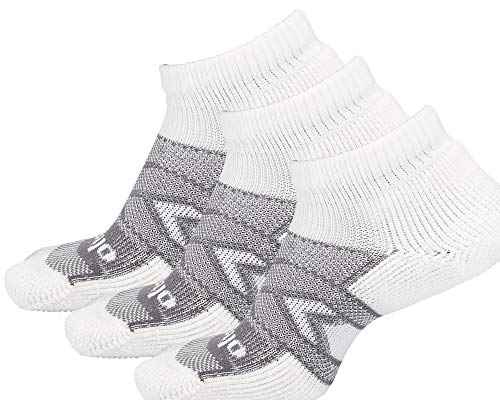
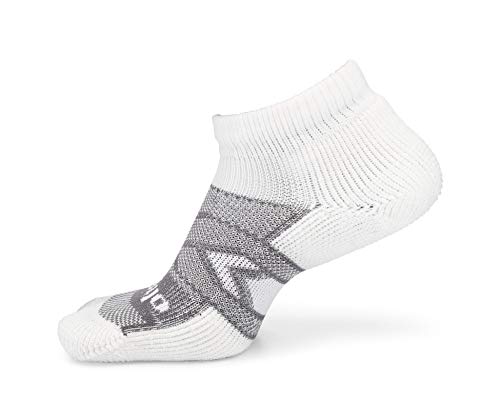


Types of Compression Socks Compared
Compression socks for work boots fall into three practical families. All use graduated pressure, snugger at the ankle and looser up the calf, for a snug, supportive feel through the lower leg. Where they differ is length, padding, and how much room they demand inside a boot, and those differences decide which type fits your shift.
Graduated Knee High Models
Knee high models are the standard choice for all day standing and walking. Full calf coverage gives the graduated pressure its full path to work on, and the tall cuff stays up inside a boot shaft better than shorter styles. Quality versions publish a pressure range, most often 15 to 20 mmHg for everyday work use, and a size chart based on calf measurement rather than shoe size alone. The downsides are heat in summer and a firmer squeeze that takes a few days to get used to. If your boots have tall shafts and your job keeps you on your feet for eight hours or more, start here.
Crew and Mid Calf Models
Crew length compression socks stop below the calf muscle, which makes them cooler, cheaper, and easier to put on. They suit shorter boots, warmer workplaces, and people who find full knee highs claustrophobic. The trade off is real: with less calf covered, the circulation support is partial, and the cuff can roll or dig in if it lands on the widest part of your calf. Expect prices around $12 to $25 per pair, often sold in multi packs. Choose this type when heat is your main enemy or as a gentler first step before committing to full length compression.
Cushioned Heavy Duty Work Models
Work focused models add padding under the heel and forefoot, reinforced toes and heels, and moisture managing yarns, all on top of graduated compression. They are built for the inside of a safety boot: the cushion blunts pressure from hard insoles, and the reinforced toe survives friction against the cap. Prices run around $18 to $35 per pair. The catch is bulk. A heavily cushioned sock plus a snug boot can crowd the toe box, so this type works best when your boots have a little spare room. For general boot sock context, our guide to the best socks for steel toe boots covers non compression options and when they may suit you better.
Graduated Knee High Models vs Crew Models: Which Should You Choose?
Compare five points. Coverage: knee highs support the whole calf, crew models only the lower leg. Heat: crew models win in hot warehouses and summer outdoor work. Stay up power: knee highs anchor under the knee and rarely slide, while crew cuffs can wander on muscular calves. Boot fit: both work in most boots, but knee highs add a layer along the shin that can matter in lace to toe styles. Price: crew multi packs cost less per pair, though knee highs usually last longer per pair because the longer cuff distributes stress. If leg fatigue by end of shift is your main complaint, knee highs answer it better; if overheating is, start with crew length. Our guide to the best work socks for steel toe boots compares lengths across regular work socks as well.
How to Choose the Best Compression Socks for Steel Toe Boots
Compression Level and Measured Fit
Pressure is rated in mmHg. For general workday fatigue, 15 to 20 mmHg is the usual over the counter range; 20 to 30 mmHg is firmer and is often used when a clinician advises stronger support. Higher is not automatically better, and firmer socks are harder to put on and less forgiving of sizing errors. Measure your calf at its widest point in the morning, when legs are least swollen, and match that number to the maker size chart rather than guessing from shoe size. A sock that fits your foot but not your calf will either slide or squeeze, and both defeat the purpose.
Features That Matter for Steel Toe Boots
Steel toe boots change what a sock must do. The toe seam should be flat or placed away from the top of your toes, because the rigid cap presses seams into skin for a whole shift. The foot portion needs abrasion resistance at the toes and heel, where boot interiors rub hardest. Cushioning underfoot helps on concrete, but keep it moderate if your boots fit snugly. Arch support bands can reduce midfoot ache, yet overly tight bands cause cramping on long shifts. In cold yards and unheated sites, insulation joins the list, and our guide to the best winter socks for steel toe boots explains how warmth and thickness trade off inside a safety boot.
Comfort and Safety Features
Comfort features worth wanting include a wide, soft cuff that holds without cutting in, breathable mesh panels along the calf, and yarns that move sweat away from skin. Safety deserves equal weight. Compression is not right for everyone: people with peripheral arterial disease, severe diabetes related circulation problems, skin infections, or open wounds on the leg should not start compression without medical advice. Stop wearing the socks and seek care if you notice numbness, tingling that does not fade, skin turning pale or blue, new pain, or swelling that gets worse instead of better. When in doubt, ask a clinician before you buy, not after a bad shift.
Warranty and Customer Support
Socks are wear items, so judge support by sizing help and exchange policy rather than long warranties. Good makers publish clear calf measurement charts, answer fit questions, and allow exchanges when a first pair is the wrong size, which is common with compression. Some offer a satisfaction window of 30 days or more. Keep packaging until you have worn a pair for a full shift, because a sock that feels fine at home can still fail at hour six. If a brand hides its mmHg rating or its size chart, that silence is information too: move on to a brand that publishes both.
Care and Daily Practicality
Compression socks are harder to put on than regular socks, and technique matters. Turn the sock inside out to the heel, place your foot, then unroll it up the leg without yanking, smoothing wrinkles as you go, because folds create pressure ridges. Own at least two or three pairs so a clean pair is always ready; rotation also lets the elastic rest a day between wears, which extends its working life. Fit varies subtly between makers, so once you find a size that works, note it. Our guide to the best men's work socks for steel toe boots adds sizing notes for larger calves and feet.
How to Make Your Compression Socks Last Longer
- Wash gently and often. Wash after each wear in cool water, since sweat and skin oils break down elastic fibers over time.
- Air dry away from heat. Dryers and radiators shorten elastic life; hang pairs indoors and they will keep their squeeze far longer.
- Rotate at least three pairs. A rest day between wears lets fibers recover, so rotation stretches the life of every pair you own.
- Trim toenails and check boot interiors. Rough nails and worn boot linings snag knit fabric and start runs that ruin a pair early.
- Replace on a schedule. With daily wear, most compression socks lose meaningful pressure after about three to six months; mark purchase dates on the packaging.
Compression Socks: Your Questions Answered
What features matter most in compression socks for steel toe boots?
A published mmHg rating, calf based sizing, a flat toe seam, and moderate underfoot cushion matter most. Together they decide whether the sock supports your legs without creating new pressure points inside a rigid boot. Breathable yarns rank close behind for anyone working in heat. Skip novelty features and spend on fit: a correctly sized 15 to 20 mmHg pair worn all shift beats a stronger pair you pull off at midday.
Do I need a prescription for compression socks?
Most 15 to 20 mmHg socks are sold over the counter without a prescription, and many 20 to 30 mmHg options are as well. A prescription or a clinician fitting matters when you have a diagnosed circulation condition, a history of blood clots, or significant leg swelling, because the right pressure and length depend on your situation. Pharmacists and medical supply staff can measure your legs in store, which removes much of the sizing guesswork.
How tight should compression socks feel?
They should feel firmly snug, tightest at the ankle, and never painful. Your toes should wiggle freely, and the cuff should not leave a deep groove or cause the leg below it to swell. Tingling, numbness, or color change in your feet means the pair is too tight, the wrong size, or wrong for you: take it off and reassess. Many new wearers adapt over three or four shifts, starting with a few hours and building up to a full day.
Can I wear compression socks for a full shift in steel toe boots?
Yes, most people can wear them for a full shift once fit is right, and all day wear is their intended use. Put them on in the morning before swelling builds, and remove them after your shift rather than sleeping in them, unless a clinician tells you otherwise. Check your feet at breaks during the first week: look for seam marks that stay red, blistering at the toes, or hot spots from boot friction, and adjust size or cushioning if you find them.
When should I talk to a doctor instead of just buying socks?
Talk to a doctor first if one leg swells much more than the other, if you have calf pain with warmth or redness, a past blood clot, heart failure, or poor circulation in your feet. Those signs can point to conditions that compression could worsen or that need treatment in their own right. Sudden one sided swelling with chest pain or breathlessness is an emergency, not a shopping question. A clinician can also confirm the pressure level that is safe for you.
Wrapping Up
Match the type to your shift first, knee high for full support, crew for heat, cushioned work models for hard floors, then confirm calf based sizing and a sensible mmHg level before price. Check your shortlist against the product table above, and you will find the best compression socks for steel toe boots for your workday. Talk with your clinician about your personal needs, especially if you have any circulation condition, before making compression part of your daily routine.


