Best Disinfectant Wipes Made Simple: A Clear Buying Guide (2026)
Disclosure: We may earn a commission when you buy through links on this page, at no extra cost to you. As an Amazon Associate I earn from qualifying purchases. Learn more

Disinfectant wipes explained: EPA registration, contact time, formulas and safe use, with Clorox, Lysol and Seventh Generation.
Disinfectant wipes are one of the quickest ways to clean and disinfect the surfaces people touch most: doorknobs, light switches, faucets, counters, phones and remote controls. Shelves are full of brands, scents, sizes and formulas, from bleach free multi surface wipes to plant based thymol wipes and professional strength options. This first time buyer's guide to the best disinfectant wipes explains the basics, the specs that matter in plain English and how to use wipes safely and effectively.
Always read the product label. It lists which germs the wipe is registered to kill, which surfaces it suits and how long the surface must stay wet to disinfect. Following those directions matters more than which brand you choose.




Disinfectant Wipes 101: The Basics
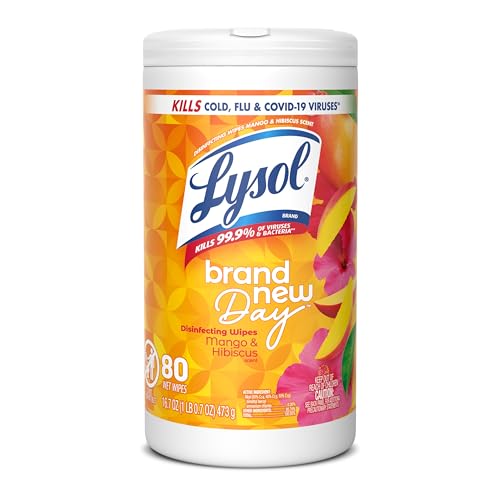
Disinfectant wipes are pre moistened towelettes soaked in a cleaning and disinfecting solution. In the United States, products that claim to kill germs on surfaces must be registered with the EPA, and the label shows an EPA registration number. Wipes from Clorox, Lysol, Seventh Generation and PDI in the product table carry these registrations.
A few terms help. Cleaning removes dirt and some germs. Sanitizing lowers the number of germs to a safer level, and some wipes, like Lysol, list that they sanitize hard, non porous surfaces in 10 seconds. Disinfecting kills a higher percentage of listed germs but usually requires the surface to stay visibly wet for a longer contact time, often several minutes.
Contact times vary by product and germ, so check each label.
Most household wipes are made for hard, non porous surfaces such as sealed counters, plastic, glass and metal. Some list uses on soft surfaces or electronics. Wipes are convenient for touch ups, but they are not a replacement for washing hands or deep cleaning heavy grime.
Key Specs of the Best Disinfectant Wipes, Explained in Plain English
Effectiveness on the Specific Mess
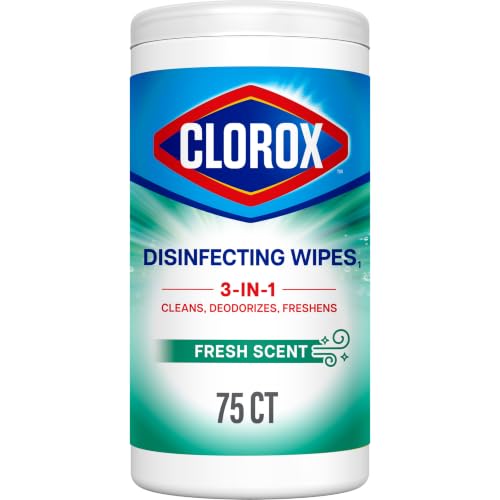
Different wipes target different needs. Everyday multi surface wipes, like Clorox Disinfecting Wipes and Lysol Disinfecting Wipes, handle kitchen counters, bathroom sinks, toilet exteriors and high touch spots.
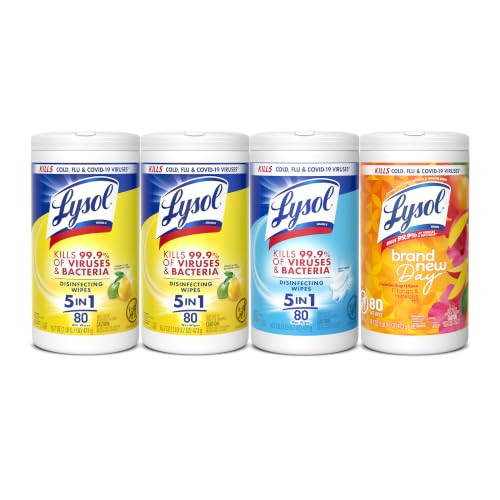
Lysol says its wipes kill 99.9% of viruses and bacteria when used as directed and also help remove common allergens like dust mite debris and pet dander. Professional wipes like PDI Super Sani-Cloth are made for healthcare and facility settings. For greasy messes, wipe off heavy grime first, then disinfect with a fresh wipe.
Format: Canisters, Travel Packs and Bulk
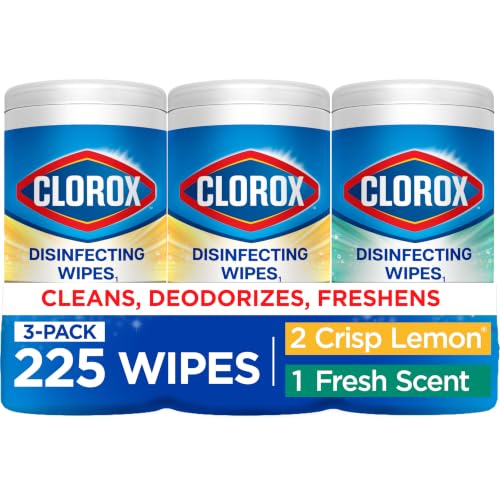
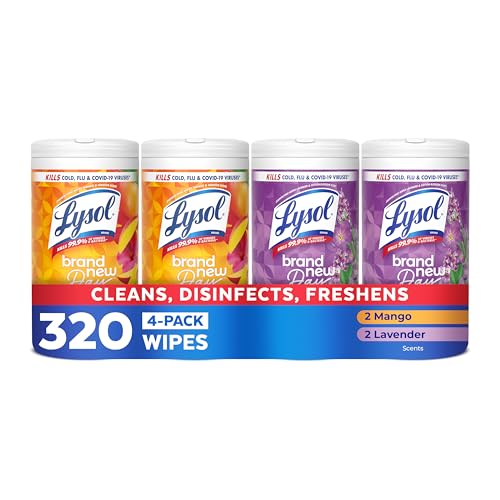
Canisters of 70 to 160 wipes suit kitchens and bathrooms. Multi packs, like the Clorox 3 pack variety canisters and Lysol 4 packs, lower the cost per wipe and let you keep one in each room.
Travel packs, like Clorox To Go packs, slip into bags and cars. Professional canisters, like PDI's 160 count, suit offices, classrooms and caregivers. Keep lids tightly closed so wipes do not dry out.
Scent and Fragrance Free Options
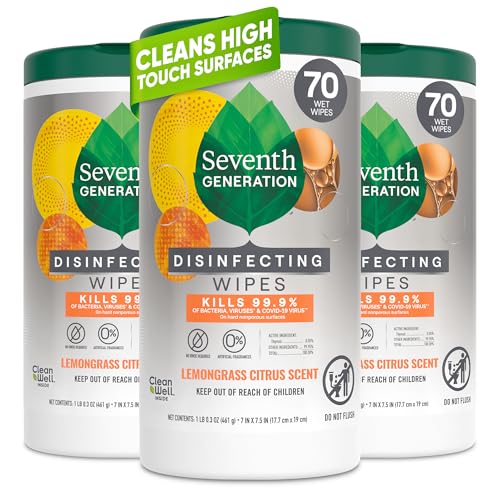
Scents range from fresh and lemon to mango, linen and lavender. Clorox describes its wipes as killing germs without smelling like it. Seventh Generation uses a lemongrass citrus scent made with essential oils and botanical extracts. If you or family members are sensitive to fragrance, look for unscented or lightly scented versions and ventilate rooms while cleaning.
Ingredients and Safety
Many popular wipes, like Clorox Disinfecting Wipes and Lysol Disinfecting Wipes, are bleach free; Lysol notes its formula is made without bleach or ammonia. Seventh Generation uses thymol, a component of thyme oil, as its active ingredient and states no rinse is required even on food contact surfaces and children's toys. Other wipes may require rinsing food contact surfaces with water after use, so check the label. Keep all wipes out of reach of children, do not use them on skin unless the label allows and wear gloves for long cleaning sessions.
Cost per Use and Value
Single canisters of 70 to 80 wipes cost around $4.50 to $8.50, while 3 and 4 packs cost around $13 to $20, bringing the price per wipe down. Professional canisters cost around $14 for 160 wipes. Travel packs cost more per wipe but add convenience. To save money, use wipes for touch ups and high touch surfaces, and use spray cleaners with reusable cloths for big jobs.
Eco Friendly Choices
Disinfectant wipes are single use, so consider how often you need them. Plant based options like Seventh Generation and CloroxPro EcoClean, a bleach free professional wipe, appeal to buyers who prefer different active ingredients. Never flush disinfectant wipes, since they can clog plumbing; throw them in the trash.
Brand Overview
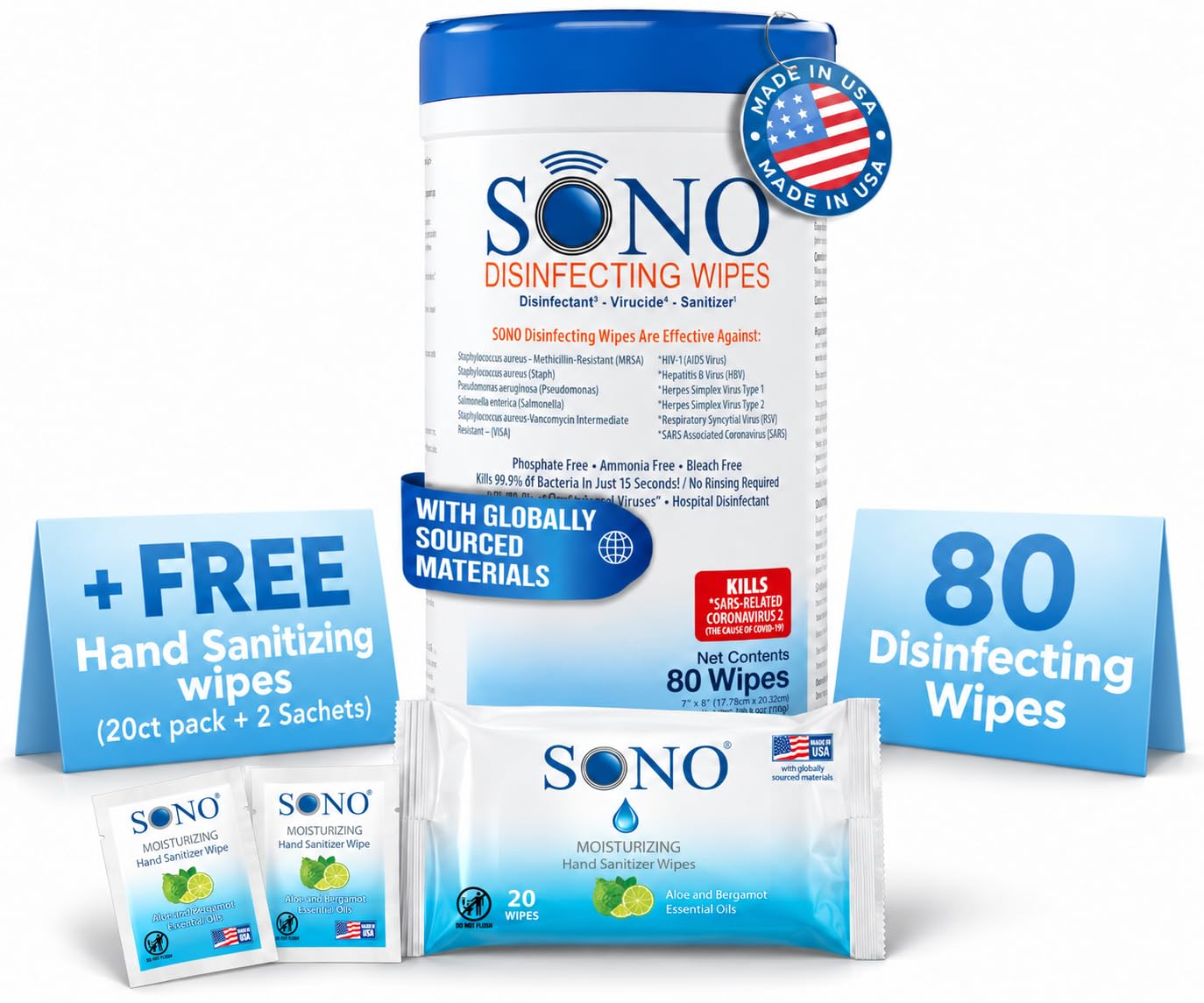
Clorox offers bleach free multi surface wipes in several scents, variety packs and travel packs, plus the CloroxPro EcoClean line for professional use. Lysol offers multi surface wipes in scents like lemon, mango, linen and lavender in single canisters and 4 packs, with listed uses on kitchen, bathroom and electronic surfaces. Seventh Generation focuses on plant based thymol wipes with a lemongrass citrus scent. PDI Super Sani-Cloth wipes are made for professional and healthcare settings, and SONO markets alcohol free, bleach free wipes for home, school and office.
Surface Compatibility
Check that the wipe suits your surfaces. Lysol lists kitchen and bathroom surfaces and electronics such as phones, tablets, keyboards and remote controls. Avoid using disinfectant wipes on unsealed wood, natural stone that can etch, or delicate finishes unless the label allows. Try a small hidden spot on unfamiliar surfaces before cleaning the whole area.
Wipe Size, Thickness and Moisture
Wipe size and thickness affect how much area one wipe can cover before drying out. Thicker, more textured wipes scrub better and hold more solution, which helps keep surfaces wet for the full contact time. Lysol describes its wipes as stronger than a paper towel for lifting soap scum and grease. Larger professional wipes cover more area per sheet, which suits classrooms and offices. If a wipe feels dry when you pull it out, close the lid more tightly or store the canister upside down for a few minutes so the liquid redistributes.
Where to Use Wipes Around the Home
Focus wipes on high touch spots: kitchen counters after raw meat, cutting board areas, refrigerator and microwave handles, faucet handles, toilet flush handles and seats, doorknobs, light switches, stair rails, remote controls, game controllers and car steering wheels. Keep a canister in the kitchen, each bathroom and the entryway so it is easy to reach. Travel packs help in the car, at the gym and when traveling with kids.
Rookie Mistakes to Avoid
- Wiping and drying immediately. Surfaces must stay wet for the full contact time on the label to disinfect.
- Using one wipe for the whole house. A wipe that dries out stops working and can spread germs; use fresh wipes as needed.
- Skipping cleaning first. Heavy dirt and grease block disinfectants; wipe away grime before disinfecting.
- Flushing wipes. Even if they look like toilet wipes, disinfectant wipes belong in the trash.
- Using on skin or food. Disinfectant wipes are for surfaces, not hands, babies' skin or produce.
Getting Started: Setup and First Use
- Read the label. Note the contact time, surfaces and whether food contact surfaces need a rinse.
- Pull from the center. Thread the first wipe through the lid, then close it tightly.
- Clean visible dirt first. Use one wipe to remove debris and another to disinfect.
- Keep the surface wet. Use enough wipes so the surface stays visibly wet for the full contact time.
- Let it air dry. Rinse food contact surfaces if the label requires it.
Frequently Asked Questions
How often should I use disinfectant wipes?
Use them on high touch surfaces regularly, such as daily or a few times a week during cold and flu season or when someone at home is sick. Clean kitchen counters after preparing raw meat. For everyday dust and light messes, regular cleaning with soap and water is usually enough.
Is it safe to use disinfectant wipes around kids and pets?
Disinfectant wipes are safe when used as directed. Keep canisters out of reach of children and pets, let surfaces dry before kids or pets touch them and rinse food contact surfaces or toys if the label requires. Seventh Generation states no rinse is required on food contact surfaces and children's toys when used as directed.
What should never be mixed together?
Never mix bleach based products with ammonia, vinegar or other acids, since this can create harmful gases. Do not use different disinfectants on the same surface at the same time. Use one product, follow its label and rinse or let it dry before switching products.
Are natural disinfectant wipes as effective?
Plant based wipes, like Seventh Generation's thymol wipes, are EPA registered disinfectants when used as directed, and they list kill claims such as 99.99% of bacteria and viruses. Contact times and germ lists differ from other wipes, so compare labels for the germs you care about.
Can I use disinfectant wipes on electronics?
Some wipes, like Lysol Disinfecting Wipes, list use on smartphones, tablets, keyboards and remote controls. Turn devices off, squeeze out excess liquid and avoid getting moisture into openings. Check your device maker's cleaning guidance too.
Do disinfectant wipes expire?
Yes. Most canisters list an expiration or manufacture date, and wipes can dry out once opened. Store canisters closed, upright and away from heat, and use opened packs within a few months for best results. Replace wipes that feel dry.
Are disinfectant wipes the same as baby wipes?
No. Baby wipes and hand wipes are made for skin, while disinfectant wipes are made for hard surfaces and can irritate skin. Never use disinfectant wipes on babies, faces or hands unless the label specifically allows it.
Final Thoughts
Three things matter most: an EPA registered wipe that fits your surfaces, following the label's contact time and choosing a scent and formula that suit your household. Clorox and Lysol multi surface wipes are reliable everyday choices, Seventh Generation suits buyers who prefer a plant based active ingredient and PDI Super Sani-Cloth fits professional settings. For deeper cleaning, see our bathroom cleaner, shower cleaner and odor eliminators guides, then check the product table above to choose the best disinfectant wipes for your home.