
Best Compression Leggings: A First Time Buyer's Guide for 2026
Disclosure: We may earn a commission when you buy through links on this page, at no extra cost to you. As an Amazon Associate I earn from qualifying purchases. Learn more

The best compression leggings explained: fabric, fit, waistbands and support for first time buyers.
Compression leggings hug your legs with snug, stretchy fabric that supports muscles, smooths your shape and stays put through squats, runs and yoga flows. Many people wear them for workouts, others for long days on their feet or as a warm base layer in winter. But fit, fabric, waistband design and compression level vary widely, and the wrong pair can roll down, turn see through or feel too tight. This guide to the best compression leggings is written for first time buyers, explaining the terms in plain English, comparing options and helping you avoid rookie mistakes.
We cover the basics, the key specs, rookie mistakes, setup and first use and answers to common questions. Every product in the table above is sold new on Amazon US. Athletic compression leggings are not medical compression garments: if you have circulation problems, swelling, varicose veins, diabetes or a history of blood clots, talk to a doctor about properly sized medical compression measured in mmHg, and remove any garment that causes numbness, tingling or pain.




Compression Leggings 101: The Basics
Compression leggings are tight fitting tights made from stretch fabrics like nylon or polyester blended with spandex. The snug fit applies gentle pressure to your legs, which many people find supportive during exercise and comfortable for recovery. Unlike regular yoga pants, compression leggings use firmer fabric and tighter fits.
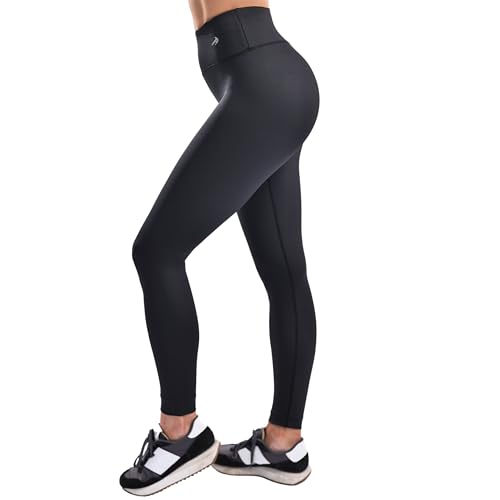
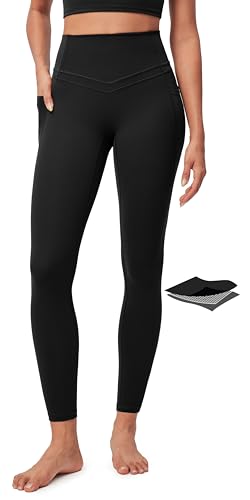
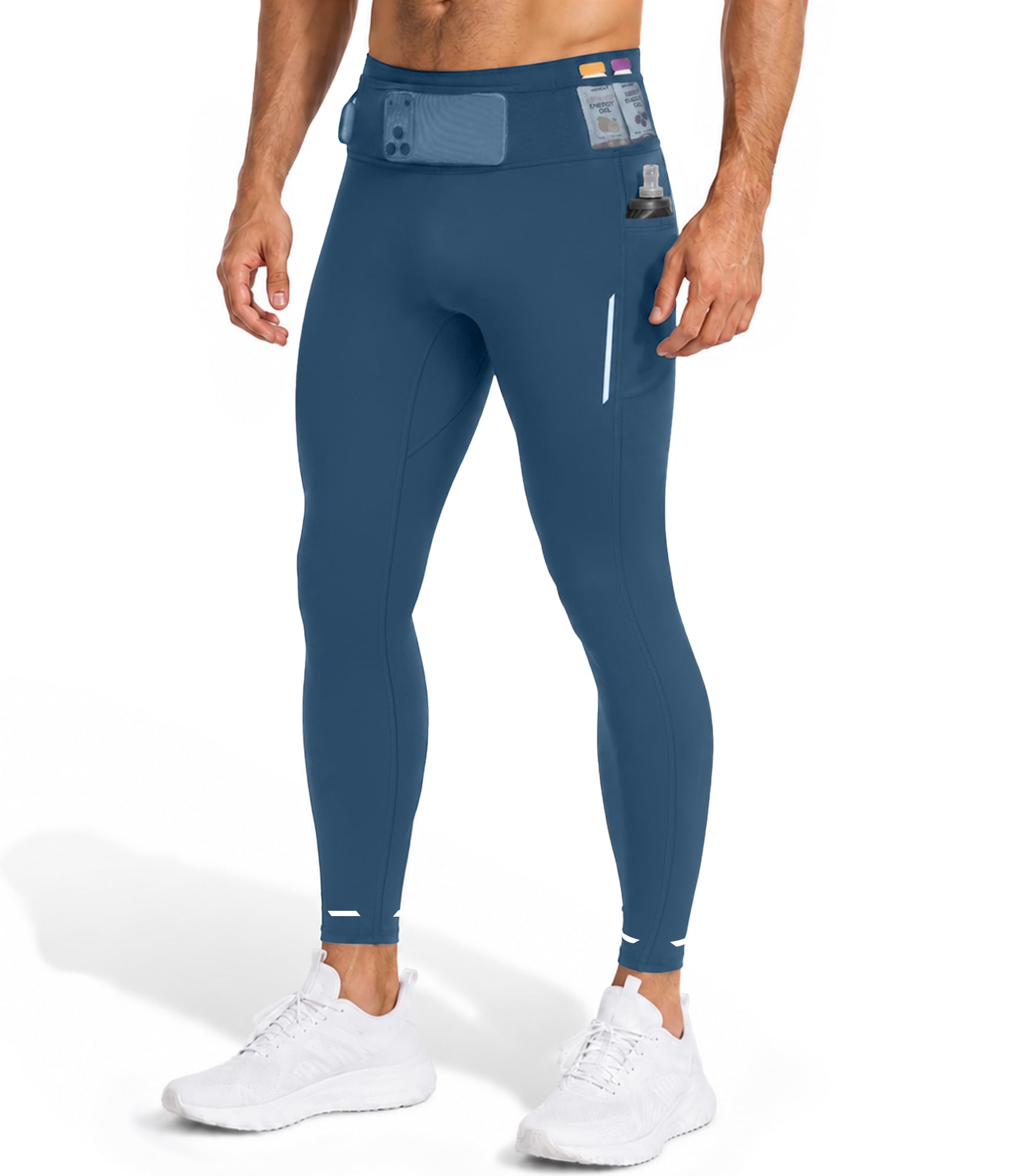
Options include women's high waisted leggings with tummy control, like CompressionZ, IUGA and Fabletics, men's compression tights for running and training, like Runhit, technical support tights with targeted support panels, like CW-X Stabilyx, thermal fleece lined tights for cold weather and padded cycling tights.
Prices range from around $20 for basic tights to around $125 for technical support tights.
The best compression leggings for you depend on your main activity. Runners and cyclists want moisture wicking fabric and secure waistbands, lifters want squat proof coverage and people wearing them all day want comfort and pockets.
Many people use them as everyday wear too.
Key Specs Explained in Plain English
The key specs are fabric, fit and sizing, breathability, stretch, specialty features and weather protection. Here is what each means.
Fit and fabric matter most, followed by waistband design and special features like pockets or thermal lining.
Read product descriptions carefully, since compression level is rarely listed as a number for athletic leggings. Words like light, moderate and maximum compression give a rough idea of how firm a pair will feel.
Fabric and Material
Most compression leggings blend nylon or polyester with spandex or Lycra. IUGA lists PowerTight fabric of 69% nylon and 31% spandex, which gives strong stretch and recovery. CW-X uses an 80% nylon and 20% Lycra support web with 80% Coolmax and 20% Lycra body fabric. Thicker fabrics, like IUGA's, give more coverage and a firmer feel, while thinner fabrics feel lighter in heat.
Higher spandex content usually means firmer compression and better shape recovery. Brushed or peached fabrics feel softer against skin, while slick, technical fabrics glide and dry faster.
Recycled fabrics are becoming more common for shoppers who want lower impact activewear.
Choose fabric based on your main workout.
Fit and Sizing
Compression leggings should feel snug but not painful. CompressionZ suggests sizing up for a more relaxed feel if you are new to compression, while keeping shaping benefits. Check size charts carefully, since brands vary. High waistbands, like CompressionZ's wide high rise band and IUGA's sandwich mesh waistband, stay in place during bends and squats.
Inseam length matters too. Full length leggings cover the ankle, while 7/8 and capri lengths stop above it and can be cooler in summer. Petite and tall sizes help leggings sit correctly.
Men's compression tights are cut differently, with more room in the seat and often a supportive front panel. Runhit, for example, sells men's running tights for workouts and gym use, while men's compression pants with zip pockets add storage for runners.
Read customer size notes on the listing page.
Breathability and Moisture Wicking
Moisture wicking fabrics pull sweat away from skin to keep you comfortable. CompressionZ lists breathable, sweat wicking stretch fabric, and CW-X uses Coolmax fabric designed to keep the body cool and dry. Mesh panels add ventilation in hot weather.
Dark colors and thicker fabrics hide sweat better, which some people prefer for intense workouts.
Quick dry fabrics also help when layering under shorts for basketball, soccer or hiking.
Flatlock stitching keeps seams from rubbing when you sweat.
Stretch, Coverage and Freedom of Movement
Four way stretch lets you squat, lunge and stretch without restriction. Squat proof, non see through fabric matters for gym use; CompressionZ says its fabric stays opaque wash after wash. Flat seams, like CW-X's, reduce chafing, and IUGA's no front seam design creates a smooth look.
A gusseted crotch, a diamond shaped panel in the seam, improves movement and reduces strain on seams during deep squats.
Yoga and Pilates fans often prefer softer, buttery fabrics with moderate compression, while runners and lifters may prefer firmer, more technical fabrics.
Bend forward in good light to check opacity before wearing a new pair to class.
Specialty Features: Support, Pockets and Padding
Technical tights, like CW-X Stabilyx, use support webs to target knees and core muscles, and CW-X lists UPF 50+ sun protection. Side pockets, like IUGA's, hold a phone and keys. Padded cycling tights add a chamois for long rides.
Fabletics markets its Define legging as maximum compression with a high waisted fit, which suits people who want strong shaping.
Matching sets, like SUUKSESS's two piece workout sets with a built in bra tank, simplify outfits for the gym.
Padded cycling tights, like the men's winter cycling pants with padding and UV protection at around $42, add comfort for long rides.
Pockets should hold a phone securely.
Weather Protection
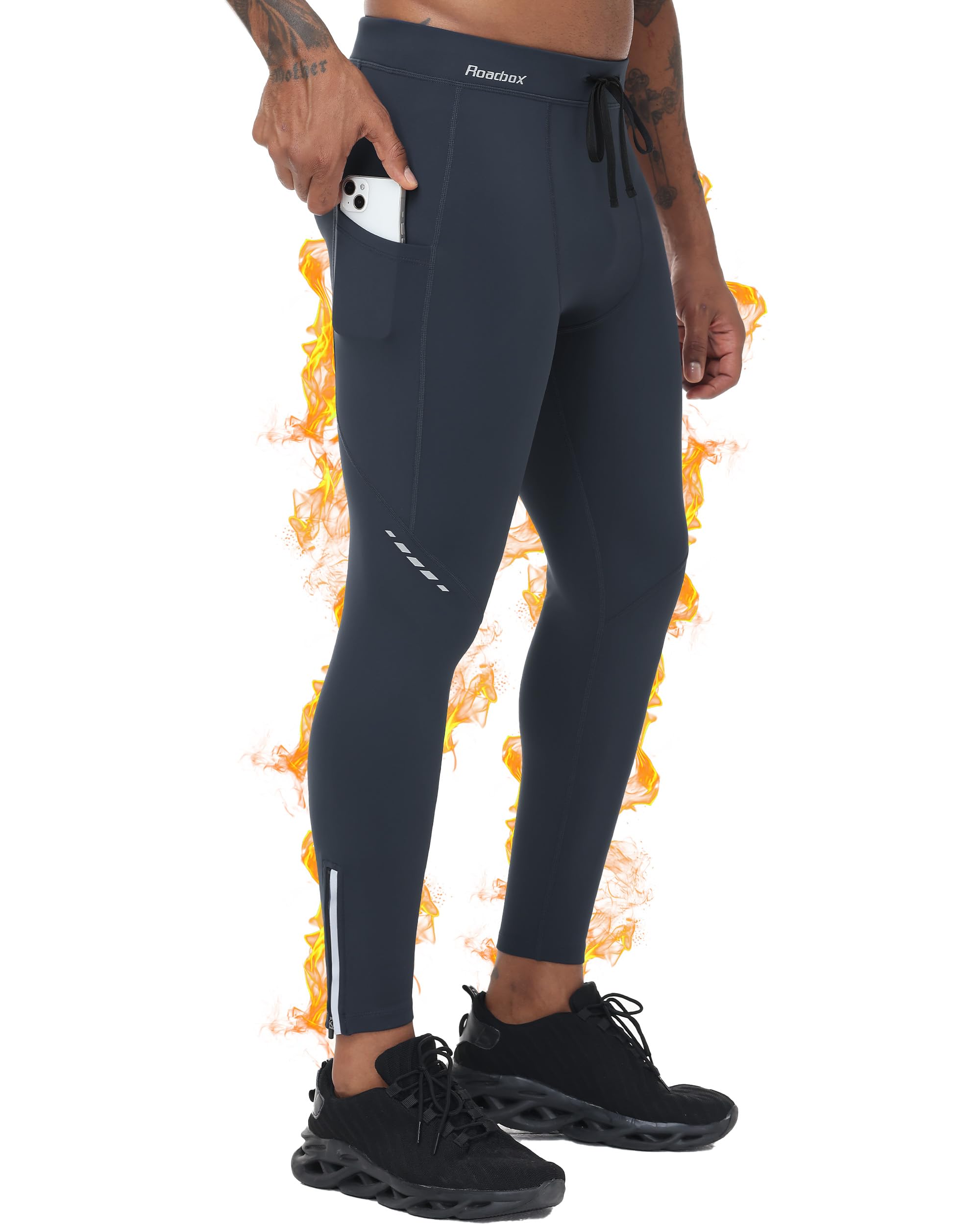
Thermal fleece lined tights, like Roadbox's men's thermal cycling pants with zipper pockets, add warmth and some water resistance for winter running and cycling. Lightweight tights suit warm weather and indoor training.
Layer thermal tights under shorts or wind pants for very cold days, and add reflective details for early morning runs.
For summer, lighter colors and thinner fabrics feel cooler in direct sun.
Wind resistant panels on the front of thermal tights block chilly gusts while keeping the back breathable.
Rookie Mistakes to Avoid
The most common mistake is buying leggings that are too small, thinking tighter means better, which can restrict circulation and comfort. Another is choosing thin, sheer fabric for squats and lifting.
Many buyers overlook the waistband, which can roll down during workouts. Washing in hot water and using fabric softener damages stretch fibers. Finally, treating athletic leggings as medical compression without a doctor's advice can be risky.
Some people also wear new leggings for a long race or event without trying them first, which can lead to chafing or a slipping waistband at the worst time.
Another overlooked point is length. Leggings that bunch at the ankle or stop too high can feel uncomfortable and look awkward, so check inseam measurements. The best compression leggings sit smoothly from waist to ankle with no sagging fabric.
Check the return policy before buying online.
Getting Started: Setup and First Use
Measure your waist, hips and inseam and compare them with the brand's size chart. Try leggings on and do a few squats and lunges to check coverage, waistband stability and comfort. Wear them for a short workout first. Wash in cold water on a gentle cycle, skip fabric softener and hang dry to keep stretch and shape.
Rotate between two or three pairs so each has time to recover its stretch between washes.
Check the waistband after a few washes; if it starts to roll, try a higher rise or a size with a firmer band.
FAQs
What fabric is best for hot weather?
Lightweight, moisture wicking blends with mesh panels are best for hot weather. Fabrics like Coolmax, used by CW-X, help keep you cool and dry.
Avoid heavy cotton blends, which hold sweat and feel heavy.
Mesh panels behind the knees add airflow.
Are premium brands worth it?
Premium technical tights, like CW-X, offer targeted support and advanced fabrics, which suit serious runners and athletes. Affordable leggings, like IUGA and CompressionZ, work well for gym and everyday wear.
Durability and fabric feel are where higher prices usually show.
Start with an affordable pair, then upgrade if you need targeted support.
Fabric quality shows most after many washes.
How do I wash compression leggings?
Wash in cold water on a gentle cycle, turn leggings inside out, skip fabric softener and hang dry. Heat breaks down spandex and reduces compression over time.
Wash leggings with similar fabrics and avoid zippers and Velcro that can snag.
Air dry flat or on a hanger.
How should compression leggings fit?
They should fit snugly from waist to ankle without digging in, sagging or leaving deep marks. You should be able to move freely and breathe comfortably.
If you are between sizes, consider your activity: size down for firmer support during sports, or up for comfort during long days.
Waistbands should stay in place without pinching.
The Bottom Line
The best compression leggings fit snugly, stay put and suit your activity. CompressionZ and IUGA offer supportive, squat proof everyday leggings, CW-X Stabilyx adds targeted support for athletes, Runhit suits men's training and Roadbox thermal tights handle cold weather. Check size charts and care labels.
A well fitting pair should feel supportive from your first squat to your last mile.
For more fitness guides, see the best compression shirt for men, the best home treadmills for walking, the best body fat scales and the best home slippers. Then compare current prices in the product table above.


