Best Commercial Paper Towels: Everything to Know Before Your First Purchase for 2026
Disclosure: We may earn a commission when you buy through links on this page, at no extra cost to you. As an Amazon Associate I earn from qualifying purchases. Learn more

Shopping for the best commercial paper towels for the first time? Learn the terms, compare formats, and avoid rookie mistakes with this simple guide.
Buying paper towels for a workplace is a different job from grabbing a roll for your home kitchen. Quantities are larger, a dispenser usually decides the format, and a flimsy towel that falls apart mid wipe ends up costing you more, not less. This guide walks you through the best commercial paper towels basics in plain language, from the words on the case label to the specs that actually change how a towel performs.
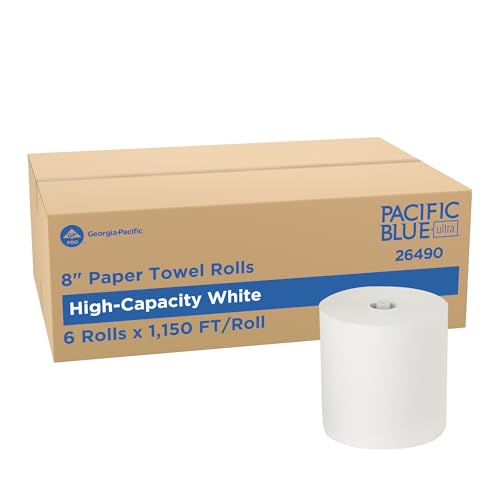
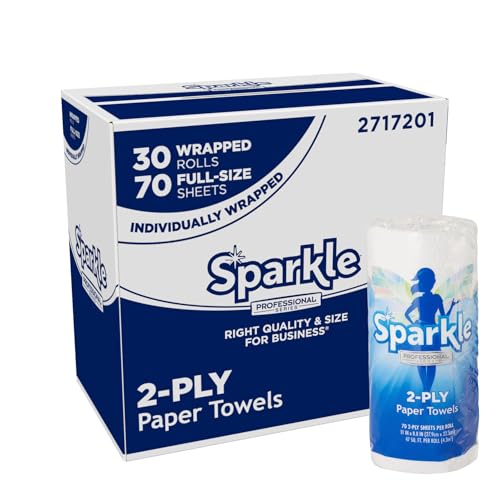
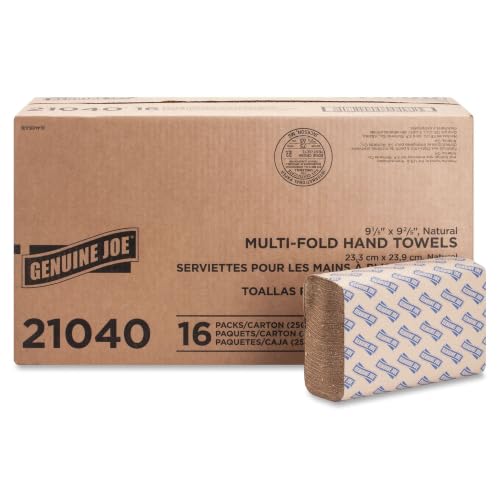
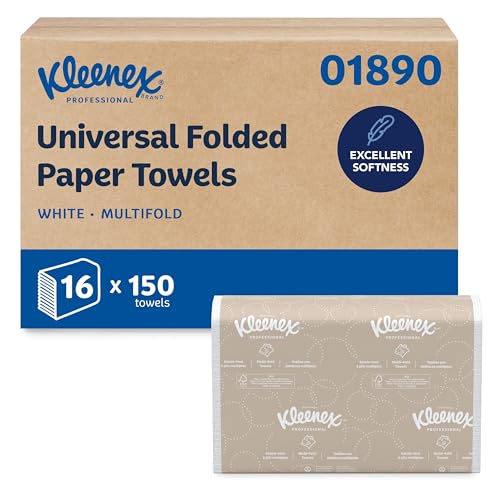
Start with the comparison table below to see how formats and sheet counts differ, then read on for the detail behind each spec. By the end, you will know how to match a towel to your restrooms and work areas without overpaying.




Commercial Paper Towels 101: The Basics
A commercial paper towel is a disposable towel made for shared, high traffic spaces such as offices, restaurants, schools, and clinics. Unlike household rolls, these towels are sold by the case and are designed to feed through a wall dispenser, sit in a countertop holder, or stack beside a sink. The dispenser controls how many towels a person takes at once, which is why format matters as much as the towel itself.
A few terms show up on nearly every case. Ply describes the number of layers bonded into one sheet, and higher ply usually means a thicker, stronger towel. Basis weight refers to how heavy the paper stock is, and heavier stock generally absorbs more before it tears. Sheet count and case count tell you how much product you are really getting.
Most workplaces use towels for three jobs: drying hands, wiping surfaces, and cleaning small spills, and hand drying drives most of the cost because of its volume. If you are comparing overall quality standards, our guide to the best quality paper towels explains how softness, strength, and absorbency trade off against each other.
Key Specs Explained in Plain English
Case labels can read like a parts catalog, but only a handful of specs decide whether a towel works well in your building. The six factors below are the ones worth understanding before your first order, and they will make the product table above far easier to read.
Effectiveness on the Specific Mess
Absorbency is the headline spec, but wet strength is the one you feel. A good commercial towel soaks up a spill and stays in one piece while you wipe, instead of shredding into wet bits you pick up by hand. Embossing, the pattern pressed into the sheet, creates tiny pockets that hold water and add grip.
Think about your actual messes. A coffee station needs quick pickup of thin liquids, while a workshop needs a towel that survives wiping grease without tearing. For a deeper look at matching towels to everyday cleaning tasks, see our guide to the best paper towels for cleaning.
Eco Friendly Packaging and Fiber Choices
Commercial towels come in large cases, so packaging and fiber choices add up fast. Many cases now use recycled fiber for part or all of the sheet, and some brands compress the packaging so more towels fit in less cardboard. A compressed case also lowers delivery bulk, which matters if your supply closet is small.
If sustainability is a priority, look for towels made with a high share of recycled content and packaging you can recycle locally. Plant based options exist too. Our guide to the best bamboo paper towels explains how bamboo fiber compares on softness and absorbency.
Cost per Use and Value
The case price alone tells you almost nothing. A cheaper case with small, weak sheets can cost more per day because people pull three towels to do the job of one. To compare fairly, divide the case price by the total sheet count, then consider how many sheets each person uses. A dispenser that gives one towel at a time lowers both numbers.
Also factor in labor and storage. A case that lasts a full week means fewer emergency orders and fewer restocking trips. Buying one format that fits every dispenser in the building simplifies ordering and avoids a wrong case sitting unused in storage.
Surface Compatibility
Most commercial towels are safe on counters, ceramic tile, sealed stone, and stainless steel, but the real question is what they leave behind. Low quality sheets shed lint, which shows up badly on dark counters, glass, and polished fixtures. If your staff wipes mirrors or glass doors, choose a low lint towel and test it on one panel first.
Texture matters too. A heavily embossed towel scrubs dried splashes off a break room counter well, while a smoother sheet glides better on delicate surfaces such as screens in a lobby. Avoid using any paper towel on hot surfaces, since the sheet can scorch and leave residue.
Format: Rolls, Folded Towels, and Dispenser Types
Format is the biggest decision for a first time buyer, because your dispenser decides it for you. Hardwound rolls feed long lengths of towel through a lever or touchless dispenser and suit busy restrooms. Center pull rolls sit in a countertop or wall unit and let users grab a sheet from the middle, which works well near sinks.
Folded towels, often called multifold or single fold, stack inside a cabinet dispenser and present one sheet at a time. They fit smaller restrooms and are easy to refill, though each sheet is smaller than a roll towel section. Before ordering, open your dispenser and measure the roll width or fold size so the first case actually fits.
Materials and Safety
Commercial towels are made from virgin wood pulp, recycled fiber, or a blend of the two. Virgin fiber towels tend to feel softer and whiter, while recycled fiber towels are often slightly grayer and still perform well for hand drying. Many workplaces also prefer towels whitened without chlorine bleach to reduce chemical use in the building.
For food service areas, confirm the towel suits incidental contact with food prep surfaces, and keep scented towels out of kitchens and clinics. If your facility wants the lowest impact option, our guide to the best recycled paper towels walks through recycled content levels and labels.
Picking the Right Commercial Paper Towels for Different Uses
One towel rarely does every job in a building equally well. Restrooms need fast, controlled dispensing, break rooms need absorbency for spills, and front of house areas need towels that leave surfaces spotless. The notes below cover the use cases first time buyers ask about most.
Best Commercial Paper Towels for Mirrors: Tips for First Time Buyers
Mirrors and glass punish the wrong towel. A sheet that sheds lint or leaves streaks makes a freshly cleaned restroom look dirty again, so choose a low lint towel with a smooth finish for any dispenser near mirrors. Folded towels often work well here because each sheet is fresh, flat, and easy to fold into a clean pad for wiping.
Technique helps as much as the towel. Dampen the sheet lightly rather than soaking it, wipe in a steady pattern, then buff with a second dry sheet. If streaks persist, the cause is often too much cleaning solution, so use less spray before you blame the paper.
Towels for Specialty Work Areas
Some workplaces need towels for more than hands and counters. Salons need soft sheets that hold up when wet, gyms need sturdy towels for wiping equipment, and studios need single use sheets that stay strong during detailed work. In tattoo studios, low lint and wet strength are essential, and our guide to the best paper towels for tattooing covers that setting.
The lesson is simple. List the jobs in your building first, then match format and strength to the hardest job, rather than shopping by case price alone.
Rookie Mistakes to Avoid
Most first orders go wrong in predictable ways. Watch for these mistakes before you commit to a case purchase.
- Ordering a format your dispenser cannot take, which leaves a full case unusable until you buy new hardware.
- Judging value by case price alone, which hides the fact that weak sheets get used two or three at a time.
- Ignoring lint level near mirrors and glass, which makes cleaned surfaces look streaked and dusty.
- Stocking one towel for every job, which wastes money when a basic towel would do for hand drying.
- Skipping a small trial case, which locks you into a large order before staff confirm the towel works.
- Storing cases on a damp floor, which wicks moisture into the bottom layers and ruins sheets before use.
Getting Started: Setup and First Use
When your first case arrives, start with one dispenser rather than filling the whole building. Open the unit, remove any packaging from the roll or stack, and feed the towel exactly as the diagram inside the dispenser shows. A roll loaded backward or a stack pushed in crooked is the most common cause of jams in the first week.
Next, pull several sheets and test them yourself. Dry your hands, wipe a counter spill, and clean one mirror to check absorbency, wet strength, and lint in a single round. Ask a few staff members to do the same and note any complaints before you stock the rest of the building.
Finally, set a simple restocking routine. Keep one spare case near each dispenser bank, note the date you opened the first case, and record how many days it lasts. That number tells you your true weekly cost and the right reorder point.
Frequently Asked Questions
How many commercial paper towels does one person use per hand dry?
Most people dry their hands fully with one or two commercial paper towels when the towel is absorbent and full sized. Weak or small sheets push that number to three or more, which is why sheet quality changes your real cost. Track your first case closely, because busy restrooms often empty it faster than expected, and order the second case early.
Can commercial paper towels be flushed down the toilet?
No, commercial paper towels should never be flushed. Unlike toilet paper, towel sheets are built with wet strength resins that keep them intact in water, so they can clog pipes and strain septic systems. Put a lined trash bin within easy reach of every sink, and empty it on the same schedule as your restocking rounds.
Are commercial paper towels safe to use in food prep areas?
Yes, plain commercial paper towels are widely used in food prep areas for wiping surfaces and drying washed produce. Choose unscented towels for kitchens, since fragrance can transfer to hands and surfaces near food. Keep the dispenser or stack covered so loose sheets stay clean, and store open cases away from raw meat prep zones.
Do recycled commercial paper towels absorb as well as virgin fiber towels?
Recycled commercial paper towels absorb nearly as well as virgin fiber towels for everyday hand drying and light spills. You may notice a less bright color and a touch less softness, but modern recycled sheets hold together well when wet. One practical tip is to reserve your softest towels for customer facing restrooms and use recycled options in staff areas.
How should commercial paper towels be stored before use?
Store commercial paper towels in a dry room, off the floor, and away from cleaning chemicals whose fumes can settle into the paper. Keep cases sealed until you need them, because open stacks collect dust and moisture. Rotating stock so the oldest case is used first also keeps bottom cases from getting crushed.
Final Thoughts
For a first purchase, three things matter most: a format that fits your dispensers, enough wet strength and absorbency that one or two sheets finish the job, and a cost per use you have measured in your own building. Everything else is a preference you can refine on the second order.
Use the product table above to shortlist a format, order a trial case, and test it in one busy restroom before committing. Get those basics right and the best commercial paper towels for your workplace stop being a guess and become a simple, repeatable order. Prices and availability can change, so check the product page before ordering.