Best Compact Travel Pillows by Budget for 2026
Disclosure: We may earn a commission when you buy through links on this page, at no extra cost to you. As an Amazon Associate I earn from qualifying purchases. Learn more

Compare compact travel pillows by budget, from simple inflatable styles to supportive memory foam, and learn what size, fill, and cover are worth paying for.
Travel pillows range from a few dollars for a basic inflatable ring to a much higher price for a well shaped foam pillow with a washable cover. This guide helps you see where extra money actually improves comfort, so you can match your budget to the way you travel. You will compare best compact travel pillows by price level, fill, size, and cover, without getting lost in marketing claims.
The right pillow should support your head without pushing it forward, pack small enough to carry easily, and stay comfortable for the length of your trip. Read the price levels below, then look at the comparison table below to compare shapes and fills side by side.
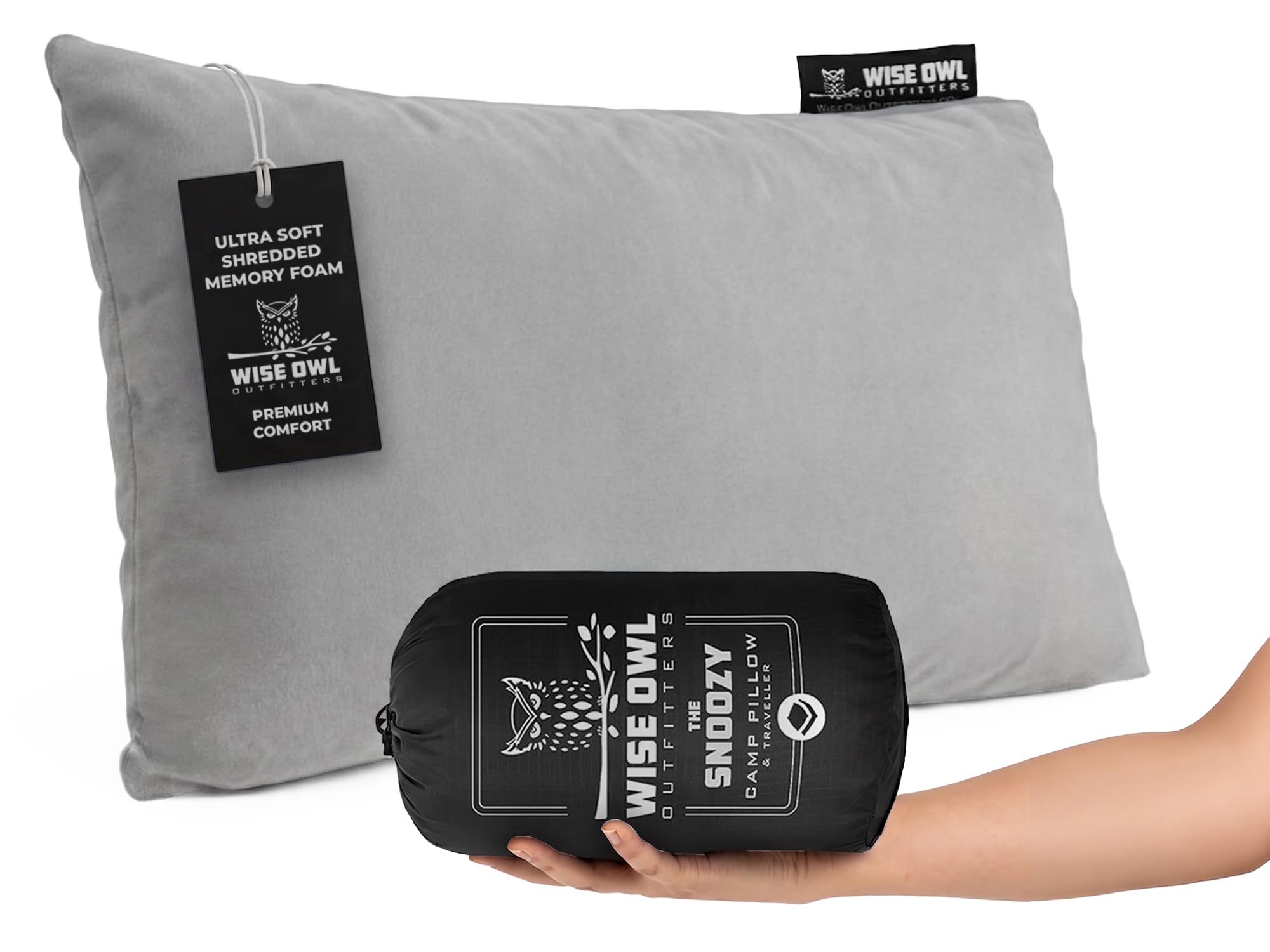


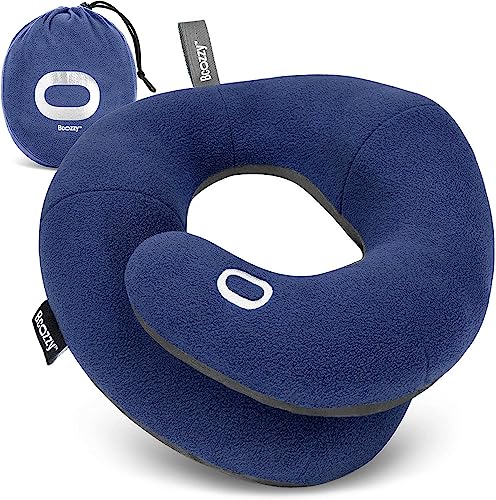

Spending Level Guidance
Use these levels to judge value, not to chase the highest price. A pillow that fits your sleeping position and your bag will serve you better than a premium model that packs too large or feels wrong around your neck.
Budget Level: Light, Simple, and Easy to Pack
At the budget level, expect simple inflatable pillows, basic foam rings, and lightweight bead filled shapes that fold or deflate to a very small size. These pillows suit short flights and travelers who value a tiny packed size above all else, and they work best for upright napping rather than long sleep. Comfort depends heavily on inflation level, so adjust the firmness until your head rests in a neutral position instead of tipping forward. Keep expectations modest for neck support, and choose a cover that feels smooth against skin.
Midrange Level: Better Shape and Longer Comfort
In the middle price range, you will find better shaped foam pillows, improved covers, and designs that support the chin or the sides of the head more evenly. These pillows suit longer flights and travelers who nap often, because the shape holds up better over several hours than a basic inflatable ring. Look for a removable and washable cover, a pack size that still fits your carry bag, and a fill that springs back after compression. This level is where most travelers find the best balance of comfort, packed size, and price.
Premium Level: Refined Materials and Thoughtful Details
At the premium level, extra money usually buys denser foam, softer and more durable covers, better straps or clips, and a carry case that actually keeps the pillow clean. These details matter most on frequent long trips, where a pillow gets used often and washed regularly. Before you pay more, check that the shape still suits your sleeping position, since a premium pillow with the wrong shape will not feel better than a cheaper one that fits. If you travel often and sleep on planes regularly, the durability and comfort of this level can be worth it.
Features Worth Paying For (and Ones to Skip)
Not every feature improves sleep. Focus on the ones that change how your head rests and how easy the pillow is to carry, and skip extras that add bulk without adding comfort.
Size and Fit
Size and fit decide whether a pillow supports you or simply gets in the way. A pillow that is too tall can push your head forward, while one that is too small may let your head flop to one side. Check the neck opening, the height of the side bolsters, and whether the shape suits window leaning, upright napping, or side sleeping. If possible, compare the open size with the packed size, since a pillow that packs small but opens large is ideal for travel.
Measuring for Size and Portability
Measure your carry bag before you buy, and compare it with the packed size of the pillow, including any case. A pillow that clips to the outside of a bag saves interior space, but it may catch on seats and overhead bins, so test that trade off against your travel style. Weight matters too on long walks through airports, so a lighter pillow that still supports your head often beats a heavier one with a slightly better fill. Packability is a real comfort feature, not just a convenience.
Material and Fill
Memory foam molds to your neck and holds its shape well, but it can feel warm and packs larger than an inflatable pillow. Inflatable pillows pack tiny and let you adjust firmness, yet they can feel bouncy and may need topping up during a long flight. Bead filled pillows are light and flexible, but they shift under weight and may offer less steady support. Choose the fill that matches your sleeping position and your tolerance for packed size, rather than the fill that sounds most premium.
Certifications
Certifications such as CertiPUR US and OEKO TEX relate to chemical safety testing of foam and textiles, and they can help you compare materials with more confidence. They do not guarantee comfort, so treat them as one check among several rather than a reason to buy on their own. A pillow with a recognized certification and a washable cover is a sensible combination, especially if you have sensitive skin. Always follow the maker care label, since washing methods vary by fill and cover.
Support and Comfort for Neck, Back, and Shoulders
Good support means your head rests in a neutral position, with even contact on both sides and no sharp pressure under the chin. A pillow that is too firm can feel like it pushes your head forward, while one that is too soft may flatten and let your head drop. Think about your usual sleeping position on planes, and choose a shape that supports that position first.
This article offers general comfort guidance only, and it does not treat or prevent pain. See a doctor if neck pain persists, worsens, or comes with numbness, weakness, or dizziness.
Travelers who fly often also compare guides to best travel pillows for planes when choosing a shape for cabin seats, and a guide to best travel pillows for flying can help with longer routes. For packing, see our guide to best backpacks for travel, and for return journeys, our guide to best travel pillows for flights covers similar needs.
Long Term Costs to Factor In
The purchase price is only part of the cost, since covers wear out, foam loses resilience, and carry cases get dirty over time. A pillow with a removable and washable cover usually lasts longer in regular use than one that must be spot cleaned only. Also consider whether a spare cover is available, how easily the pillow can be compressed for storage, and whether the fill can be replaced. A slightly higher price can be good value if the pillow stays comfortable through many trips.
Compact Travel Pillows: Your Questions Answered
How do I wash compact travel pillows safely?
Wash a compact travel pillow safely by following the maker care label first, since foam, inflatable, and bead fills need different care. Remove the cover when possible and wash it separately on a gentle cycle, then air dry it fully before use. Never machine wash a foam core unless the label clearly allows it, and never use high heat on an inflatable pillow. Let every part dry completely to avoid damp smells and mildew.
What firmness is best for back pain?
No single firmness is best for back pain, because comfort depends on your sleeping position, body shape, and the seat you use. A medium firm pillow that keeps your head neutral often feels more comfortable than a very soft pillow that flattens or a very firm one that pushes your head forward. Test the pillow in a chair that mimics a plane seat, and adjust inflation or positioning until your neck feels relaxed. See a doctor if back pain persists, worsens, or comes with numbness or weakness.
Are cooling compact travel pillows worth it for hot sleepers?
Cooling travel pillows are worth it for hot sleepers who often wake up warm on planes, especially when the cover uses breathable fabric or a cool feeling surface. The cooling effect usually comes from the cover and airflow rather than a dramatic change in core temperature, so expect comfort rather than a cold sensation. A breathable cover, a lighter fill, and a shape that does not trap heat around the neck can help just as much. If you rarely feel warm while traveling, a standard cover may serve you equally well.
Is a higher thread count always better?
A higher thread count is not always better, because fiber quality, weave, and finish shape how a cover feels just as much as the count itself. A smooth, breathable cover with a moderate thread count can feel better and wash more easily than a dense cover that traps heat. For travel pillows, focus on softness against skin, breathability, and whether the cover removes easily for washing. Those practical qualities matter more on a long flight than a single number on a label.
How often should I replace my compact travel pillow?
Replace a compact travel pillow when it no longer holds its shape, when the fill stays flat after unpacking, or when the cover cannot be cleaned properly. For frequent travelers, that may mean every one to two years, while occasional travelers may get much longer use from the same pillow. Store the pillow uncompressed at home between trips when possible, since long term compression can shorten foam life. A pillow that still supports your head evenly does not need replacing just because a newer model exists.
Our Verdict
Pick the pillow that fits your sleeping position, packs into your bag without a struggle, and uses a cover you can wash easily. Budget models suit short and occasional trips, midrange models suit most regular travelers, and premium models suit frequent flyers who want lasting comfort. Check the product table above one last time, and choose the level that matches how often and how long you travel. That fit is what makes best compact travel pillows a genuinely useful travel companion.