Best Commode Chairs for 2026: Fit, Transfers and Bucket Care Guide
Disclosure: We may earn a commission when you buy through links on this page, at no extra cost to you. As an Amazon Associate I earn from qualifying purchases. Learn more

Compare the best commode chairs by fit, weight capacity, transfer arms and bucket design for bedside, bathroom and shower use at home.
There is no single commode that suits every home, body, or recovery plan. The right best commode chairs choice depends on where the chair will sit, who will help with transfers, and how often the bucket will be emptied each day. A model that works well beside a bed may feel awkward over a toilet or inside a shower.
This guide walks through fit, capacity, arms, buckets, and cleaning in plain language so you can narrow your options with confidence. Read the sections that match your situation most closely, and check seat height, width and weight capacity against the user before you order.


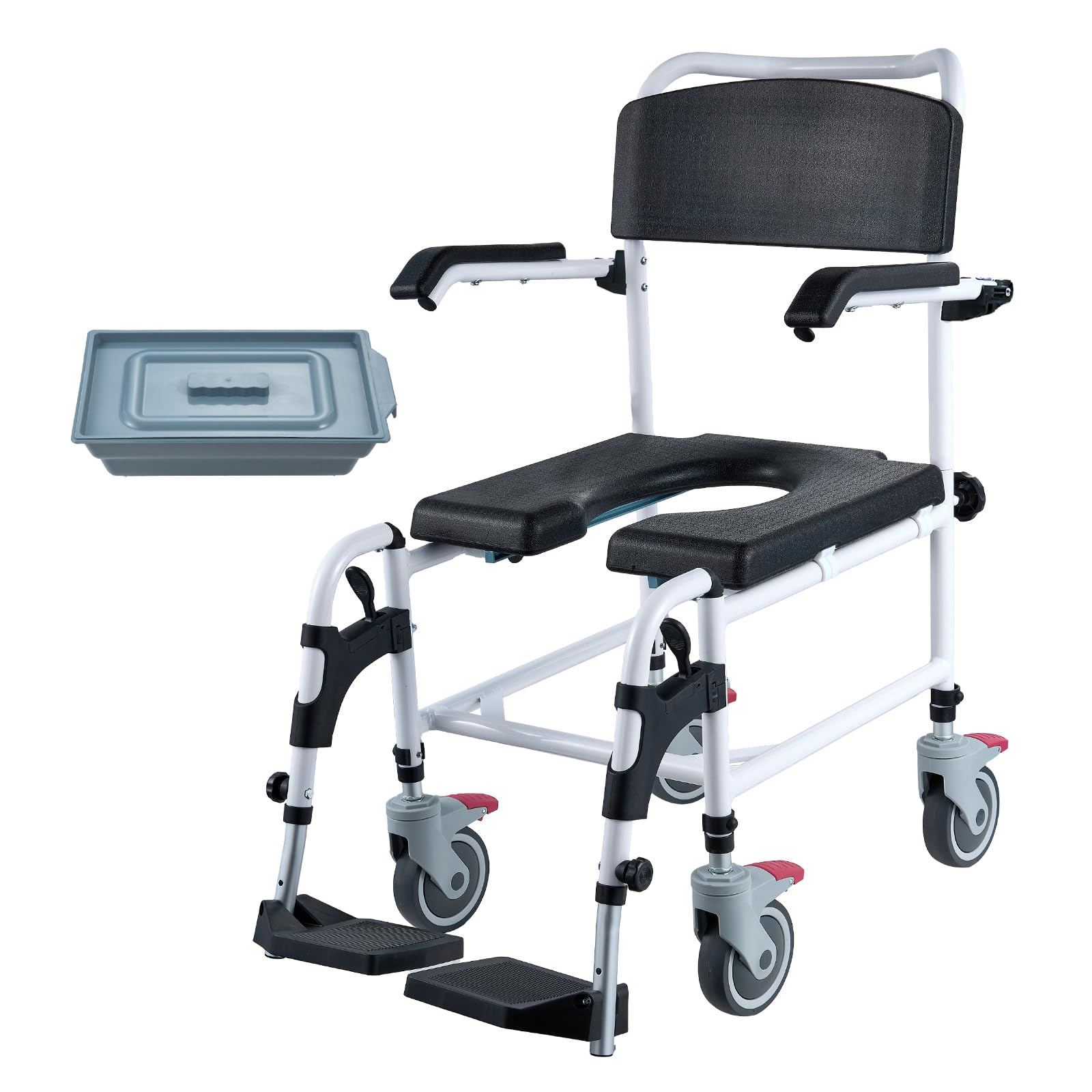
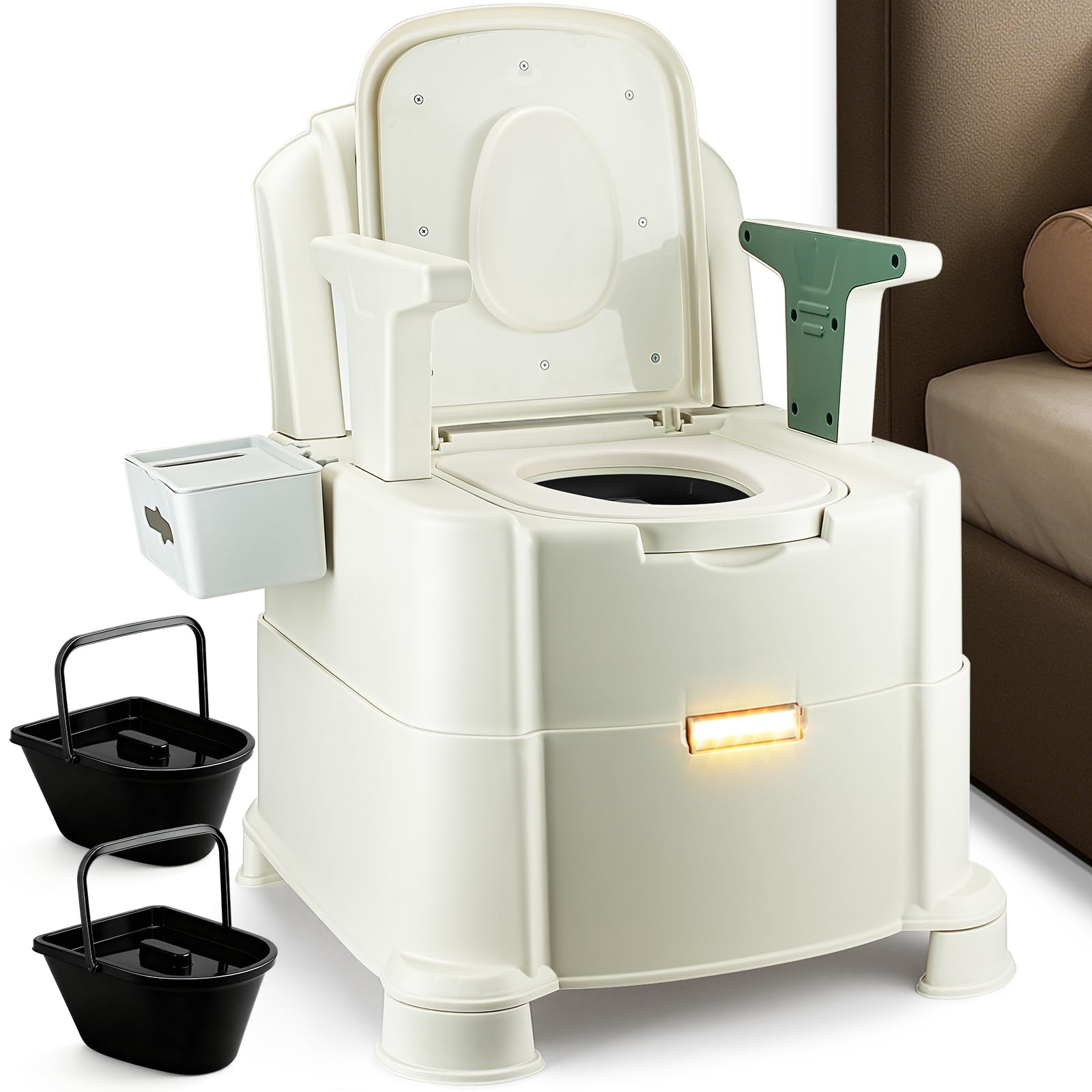
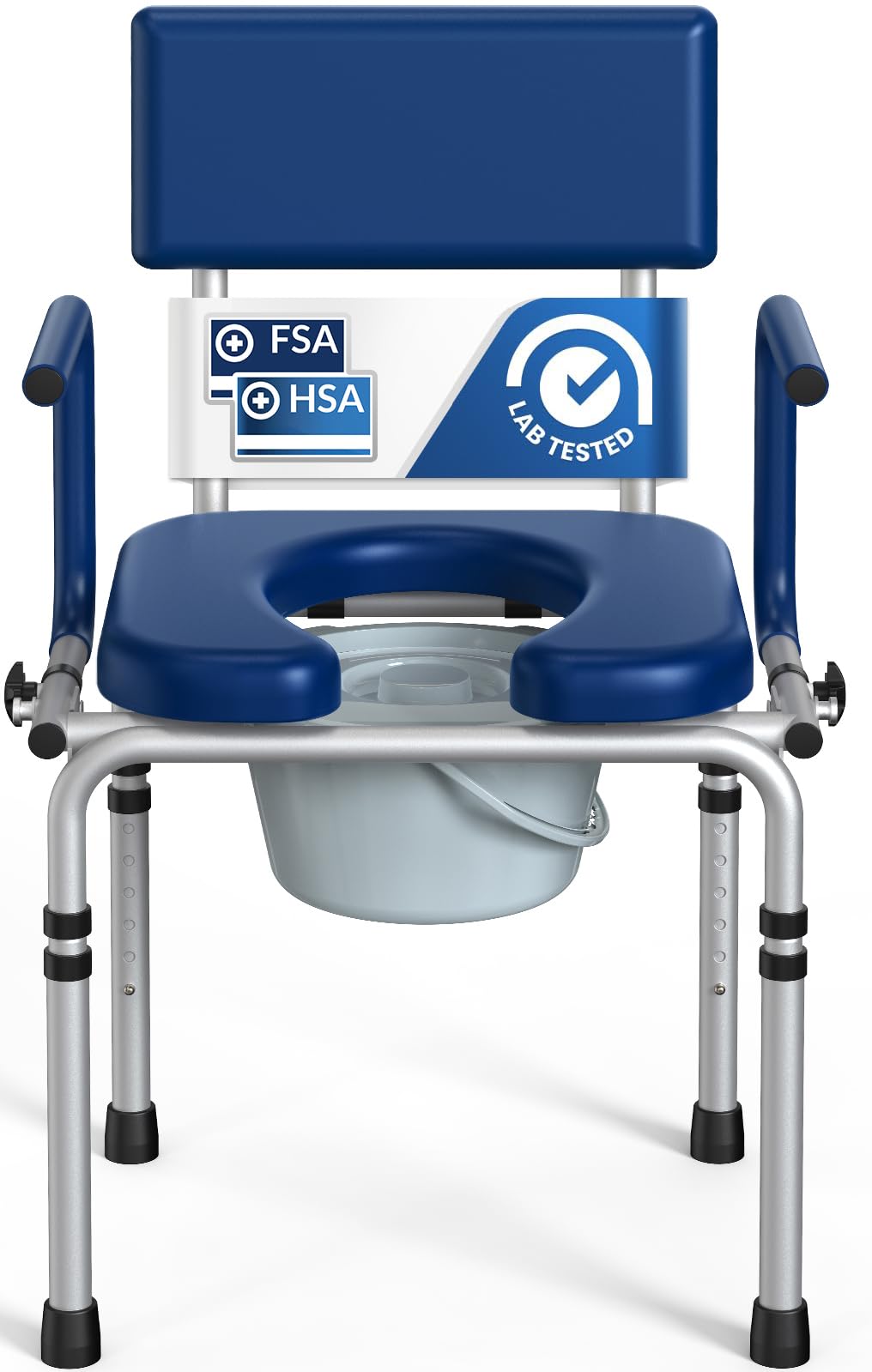
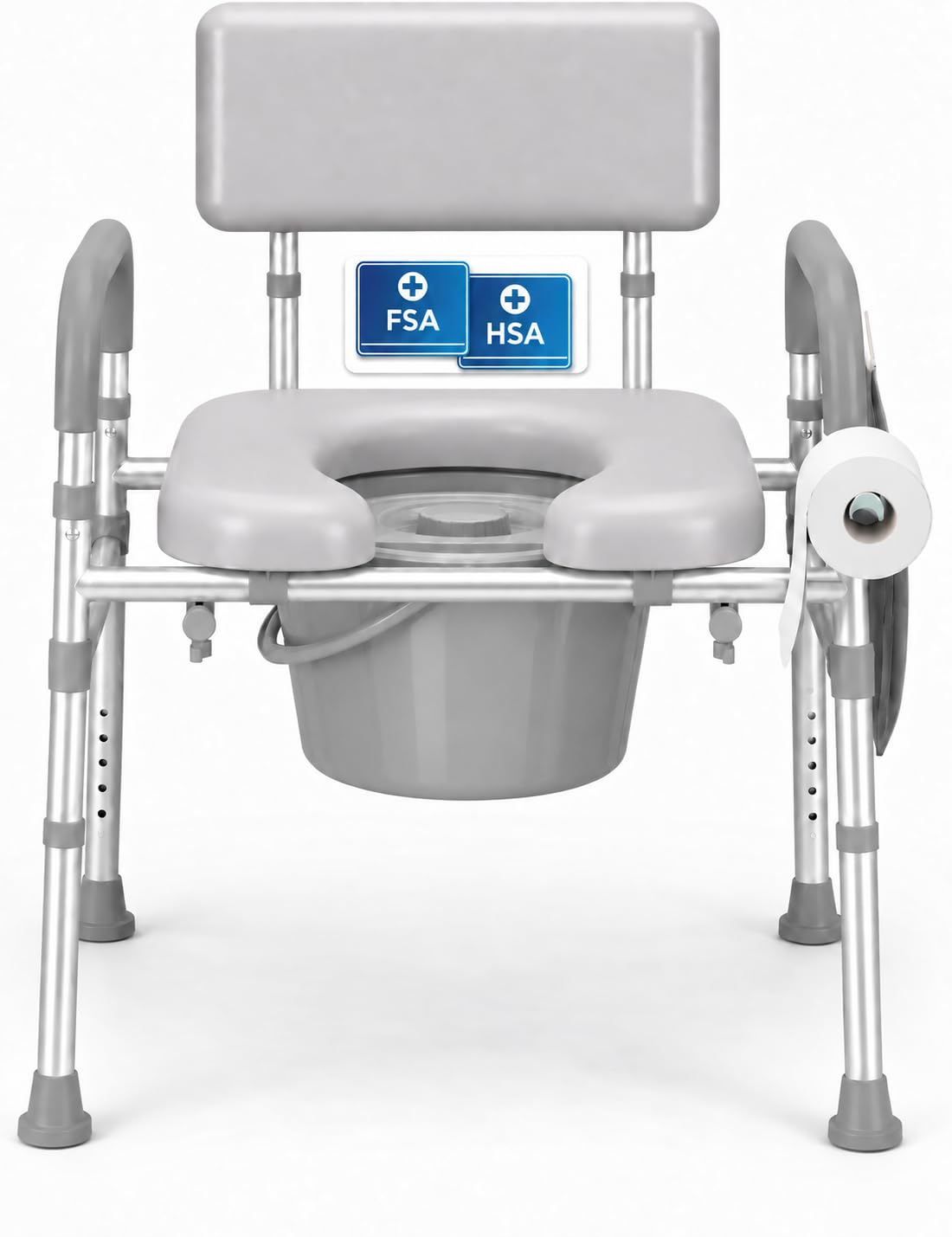
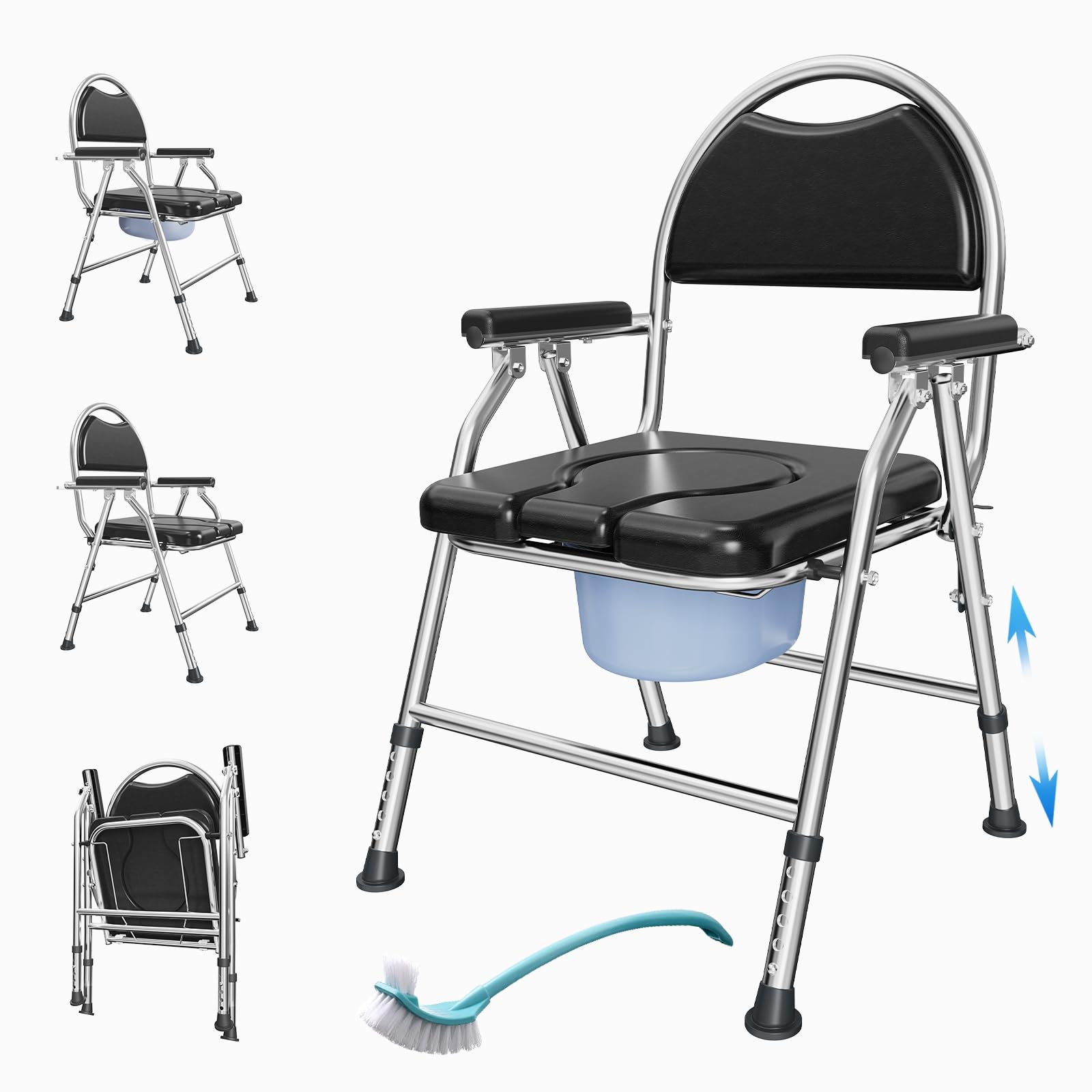


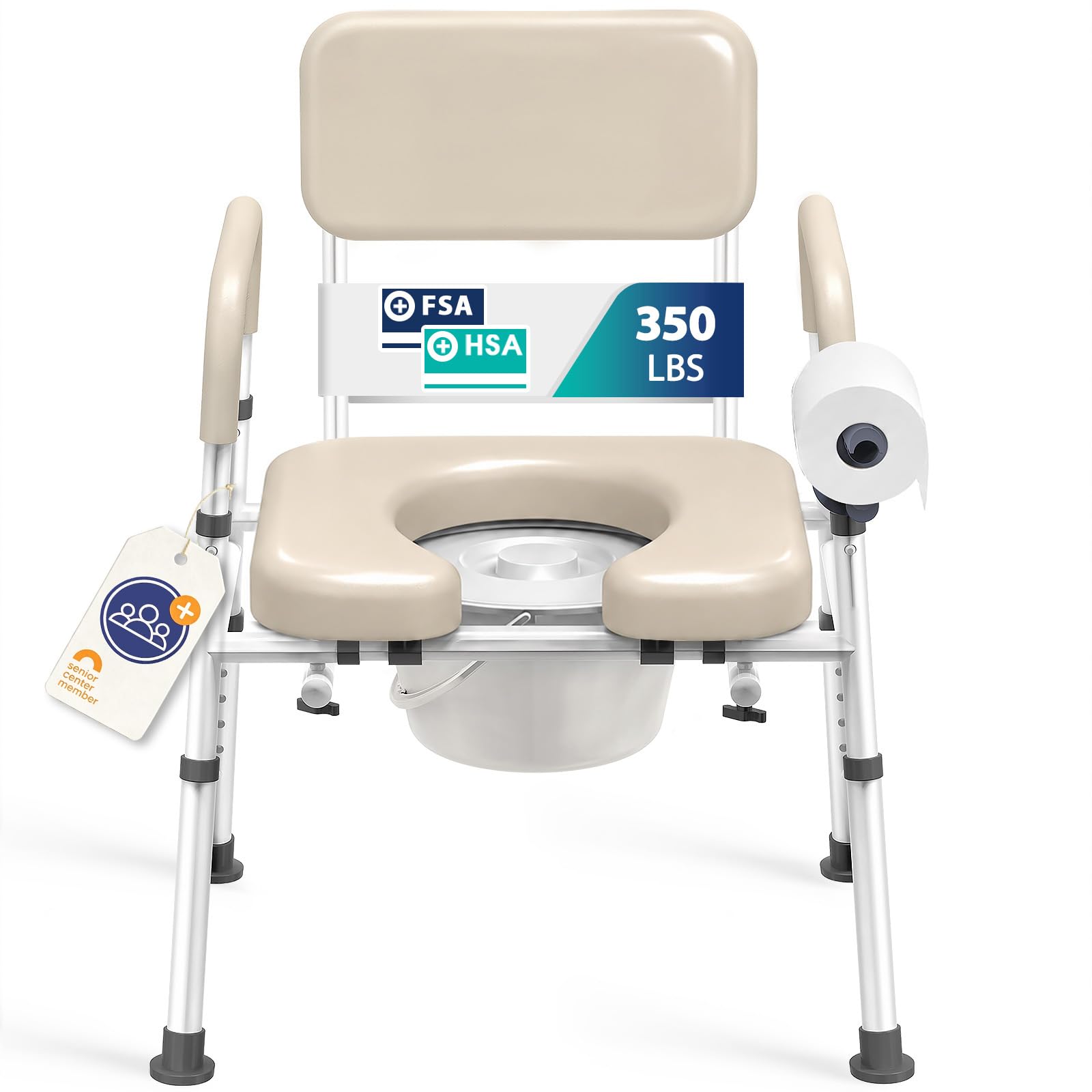
Who Should Buy Which Commode Chairs?
A commode chair does one focused job. It gives a person a safe, supported place to use the toilet when walking to the bathroom is hard, slow, or unsafe, especially at night or after surgery. It is not long hour seating, and it should never be chosen the way you would choose a chair for a desk or a dining table.
That distinction matters when you furnish a recovery space. The commode belongs near the bed or the toilet, while the seating used for the rest of the day serves a different purpose. If you are also arranging a work or study corner for a caregiver, see our guide to the best office task chairs for that separate job. For a formal desk seat in the same home, see our guide to the best officer chairs instead of stretching one purchase across both roles.
For First Time Buyers
Start with a simple steel frame model with adjustable legs, a removable bucket, and arms that stay fixed in place. Fewer moving parts means fewer things to learn during a stressful first week at home. Look for a seat height range that covers the user with room to adjust later, since swelling, footwear, and mattress height can all change what feels right during recovery.
For Family Members Buying for a Parent
Your priority is dignity plus safety for both people involved. Choose arms that support a firm grip during standing, a bucket that slides out without lifting the user, and a seat that feels stable rather than springy. If you will do the emptying, test how the bucket handle feels and whether the lid seals well, because you will repeat that task many times each week.
For Value Seekers
Good value in this category rarely means the lowest sticker price. A basic model around $70 can serve well when the frame is sturdy, spare buckets are easy to find, and the feet grip the floor firmly. Budget models save money by using thinner padding and simpler buckets, which is a fair trade for short term use. For daily long term use, spending a little more on frame strength usually pays off in steadiness.
For People Who Need Heavy Duty Support
If the user is taller, heavier, or needs strong help standing, look at bariatric models built with wider seats and reinforced frames. Width between the arms matters as much as the stated capacity, because a chair that rates high on paper can still feel cramped and unsafe in practice. Drop arm designs help here as well, since they let a caregiver assist from the side and make sideways transfers from a bed or wheelchair far easier.
Key Features of the Best Commode Chairs
Seat Height, Width, and Fit
Fit decides whether the chair feels secure or exhausting. When seated, the user should rest both feet flat on the floor with knees bent at a comfortable angle, since feet that dangle make standing much harder. Most adjustable models move in small leg increments, so measure the height of your current toilet seat as a starting point. Then check seat width and the clear space between the arms, especially if the user wears bulky clothing or a hip brace.
Weight Capacity and Frame Build
Weight capacity is a safety limit, not a rough guide, so choose a rating with a clear margin above the user weight. Steel frames feel solid and cost less, while aluminum frames weigh less and resist rust better in wet rooms. Welds should look even, legs should stand without rocking, and the seat should not flex when weight shifts.
Arms, Transfers, and Stability
Arms are working parts on a commode, not decoration. Fixed arms give the most reliable push point for standing, while drop arms swing away so a person can slide across from a bed or wheelchair without lifting over a barrier. Padded arm tops help tender hands and forearms during slow transfers. Whatever style you choose, the chair must stay planted when weight leans to one side, so wide feet and firm rubber tips matter more than looks.
Bucket, Seat Opening, and Splash Guard
The bucket is the part you will handle most, so size and removal route deserve real attention. Larger buckets need emptying less often during the night, and a splash guard helps direct flow when the chair sits over a toilet bowl. Some buckets lift out from the top after the seat is raised, while others slide out from the front or back, which suits bedside placement against a wall. A snug lid, a strong handle, and smooth plastic that rinses clean will make daily care far less unpleasant.
Feet, Casters, and Shower Use
Stationary models use rubber tipped feet and belong on one set spot. Wheeled models use casters so a caregiver can roll the user into a shower or over a toilet, and every caster that can lock should lock before any transfer begins. Only choose a chair for shower use when the maker states that the frame, seat, and hardware can handle constant water. Compact and space saving models with folding frames suit small bathrooms, but confirm that a folded design still feels rigid once it is open and loaded.
Measuring and Placing a Commode Chair Safely
Measure before you order any of the best commode chairs on your short list. Note the width of the bathroom doorway, the clear floor space where the chair will stand, and the height of the toilet bowl if you plan over toilet use. Many three in one models can serve at the bedside, over the toilet, and as a raised seat with arms, but the frame must clear the bowl and the tank without forcing the seat too far forward.
At the bedside, place the chair on a level floor close enough for a short, supported move from the mattress, with a clear path that stays free of cords, rugs, and clutter at night. In the bathroom, check that the floor is dry and even, and leave room for a caregiver to stand beside the chair without squeezing against a tub or vanity. A small night light along the route helps more than most accessories.
Talk with a clinician, nurse, or occupational therapist about personal needs before the first use, especially after surgery, a stroke, or a recent fall. Seek medical help promptly for warning signs such as fever, burning pain when passing urine, blood in urine or stool, new skin sores, sudden weakness, confusion, or repeated falls. Those signs point to a health problem that no chair choice can solve on its own.
Common Mistakes to Avoid When Buying Commode Chairs
- Choosing by price alone, which often leaves you with a flimsy frame and a bucket that is awkward to empty.
- Skipping seat height and width checks, which leads to dangling feet, strained knees, and transfers that feel unsafe.
- Buying a fixed arm model for a person who transfers sideways, which forces lifting over the arm on every single use.
- Assuming any commode can go in the shower, which can rust hardware and weaken a frame that was built for dry rooms only.
- Ignoring the bucket removal route, which becomes a daily frustration when the chair stands against a wall or a bed.
- Placing the chair on a loose rug or sloped floor, which lets the feet shift at the exact moment the user leans to stand.
Care and Maintenance Tips for Commode Chairs
Empty the bucket after each use when possible, rinse it with warm water, and wash it with a household disinfectant that the maker allows on plastic. Wear gloves for this task, wash your hands afterward, and let the bucket dry fully before the next use to limit odor. Disposable liners can make cleanup faster for some households, though they add an ongoing cost and still require the bucket itself to be washed regularly.
Once a week, wipe the seat, arms, and frame, then check every bolt, leg pin, and caster for looseness or wear. Tighten hardware by hand tools only as the manual directs, and replace cracked seats, torn padding, worn rubber tips, or bent legs before the chair goes back into service. Bare metal spots on a steel frame should be dried and watched for rust, since corrosion weakens the frame and makes surfaces harder to clean well.
Frequently Asked Questions
How do you choose the right size commode chair?
Choose size by seat height, seat width, and the clear space between the arms. The user should sit with feet flat and stand without a hard push from the knees. As a new point beyond the fit section, measure while the user wears the shoes or slippers they will use most, because sole thickness changes the leg height setting that feels correct at home.
What commode chair features matter most for safe transfers?
Strong arms, a stable base, and a seat at the right height matter most for safe transfers. A drop arm on the transfer side removes the barrier during a sideways slide. One extra detail helps many families: practice the full transfer sequence in daylight with a caregiver present before relying on the chair at night, when low light and urgency make errors more likely.
Can a commode chair be used over a regular toilet?
Yes, many commode chairs can be used over a regular toilet once the bucket is removed and the splash guard is fitted. The frame straddles the bowl and the seat adds height plus arm support. Before ordering, measure the bowl height and the space around the base, since some bathroom layouts leave too little room for the rear legs to sit flat and level.
Is an expensive commode chair worth the cost?
An expensive commode chair is worth the cost when the added money buys a stronger frame, better casters, or arms that suit the transfer style. Higher prices, often about $300, usually reflect bariatric builds or shower ready materials rather than comfort extras. For a short recovery after surgery, a simple model usually covers the need, while daily use over many months justifies the sturdier build.
How long should a good commode chair last?
A good commode chair should last several years of daily use when the frame stays dry, hardware stays tight, and worn feet are replaced on time. Buckets, seats, and rubber tips are the parts that usually wear first, so brands with easy to find spare parts extend the useful life a great deal. Retire the chair at once if the frame bends, a weld cracks, or the chair rocks even after tightening.
Wrapping Up
Start with fit, then capacity, then the transfer style, and let those three checks guide every other decision. The product table above pulls those core specs together so you can compare seat height, width, and ratings without hunting through long listings. Match the bucket route and frame style to the room where the chair will actually live, not the room you wish you had.
When you compare the best commode chairs through that lens, the right choice usually becomes clear quickly. Pick the model that makes nighttime use calm, transfers steady, and daily cleaning simple, and confirm the setup with a clinician when health needs are complex. A careful choice protects both the user and the person helping them, every single day.