
Best Charcoal Whitening Toothpaste for Every Need in 2026
Disclosure: We may earn a commission when you buy through links on this page, at no extra cost to you. As an Amazon Associate I earn from qualifying purchases. Learn more
Learn how to choose charcoal whitening toothpaste by formula, fluoride choice, abrasiveness and flavor, plus care tips and answers to common questions.
There is no single tube that suits every mouth, so the best charcoal whitening toothpaste for you depends on your teeth, your habits and your budget. Charcoal pastes differ in how much charcoal they contain, whether they include fluoride, how abrasive they feel and how they taste, and those details matter more than the color of the paste. Use the comparison table below to weigh the main types side by side before you buy.
This guide compares types, features and use cases instead of ranking individual tubes. It explains what charcoal does in a paste, what to check on the label, which mistakes to avoid and how to care for your teeth after you switch. If you have sensitive teeth, gum problems or dental work, talk with your dentist before you change products.
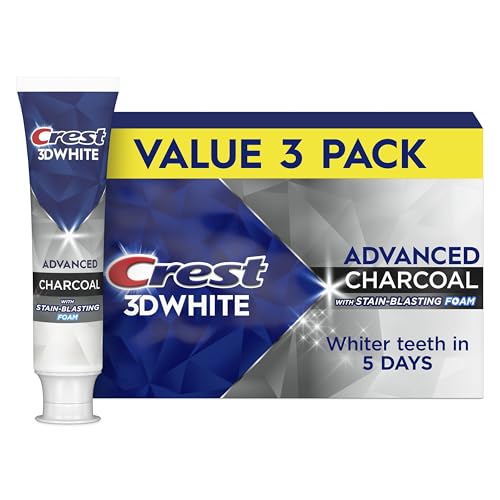
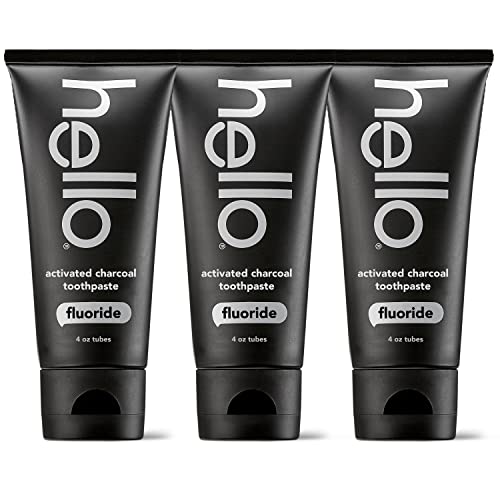
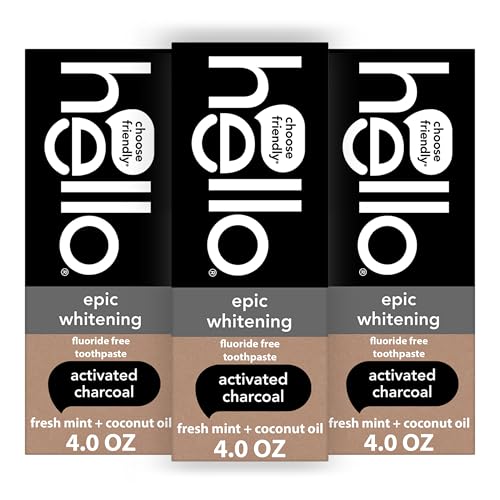
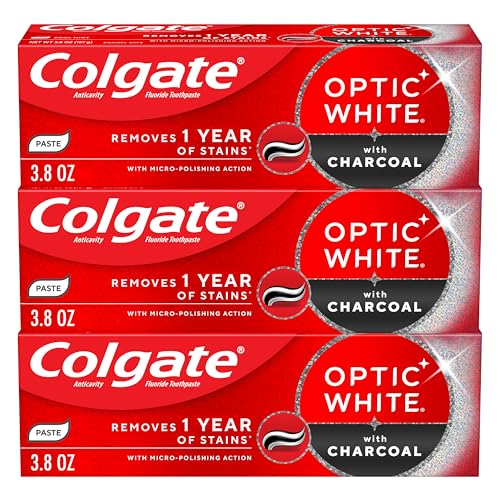

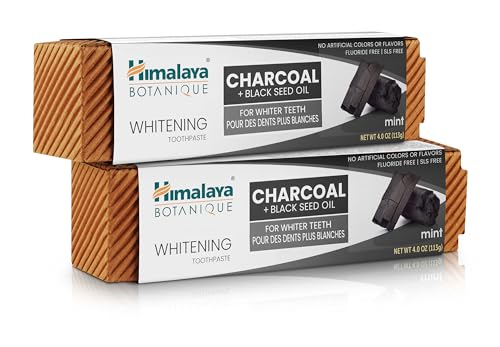


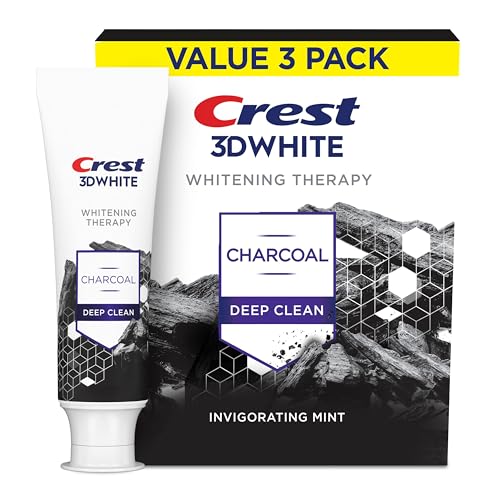
Who Should Buy Which Charcoal Whitening Toothpastes?
Start with your own situation rather than with a claim on the front of a tube. A paste that feels fine for one person can feel harsh for another, and a flavor that seems pleasant at first can become tiring twice a day. The groups below help you narrow the field before you compare labels.
For First Time Buyers
If you have never tried a charcoal paste, choose a simple formula with a mild taste and a clear ingredient list. Look for a paste that states whether it contains fluoride, and check the label for any warning about sensitive teeth. A smaller tube is a sensible first purchase, because it lets you test taste, texture and comfort without committing to a large supply. Brush as directed on the label, and give the paste a fair trial of a few weeks before you judge the result.
If you notice lasting sensitivity, stop using it and ask your dentist for advice.
For Gift Shoppers
A charcoal paste can make a practical gift, but it is a personal product, so keep the choice simple and widely usable. Pick a neutral flavor, a standard tube size and a formula that suits most adults rather than a highly specialized version. Check that the packaging is sealed and undamaged, and include the receipt or exchange details where possible. Avoid pastes aimed at a narrow need, such as a version made for a specific dental condition, unless you know the recipient wants that type.
A gift set with a toothbrush or a travel case can be useful, but the paste itself should remain the main point.
For Value Seekers
Value means cost per use, not just the lowest price on the shelf. Compare tube size, how much paste you need per brushing and how often you brush, then work out the cost over a month. A larger tube can save money, but only if you will finish it before it expires or dries out. Watch for added costs too, such as a separate mouthwash or a special brush that the paste seems to require.
A mid priced paste with a clear label often gives better value than a very cheap paste that you dislike and abandon. Keep the focus on daily comfort, because a paste you enjoy using is the one you will actually use twice a day.
For People Who Want the Best Performance
Shoppers in this group usually want the most complete formula they can find, and they are willing to pay more for it. Look for clear information about charcoal content, fluoride, abrasiveness and any added ingredients for fresh breath or enamel care. A premium paste should explain what each ingredient does, rather than relying on vague claims about whitening or detoxifying. Check for an ADA Seal of Acceptance where one is shown, and read the full label rather than the front of the tube alone.
Even at a higher price, a paste should feel comfortable to use every day, because performance means nothing if brushing becomes unpleasant.
Key Features to Compare
The features below cover the choices that actually change how a charcoal paste feels and works in daily use. Read each one against your own needs, and ignore features that do not apply to you.
Formula and Charcoal Type
Charcoal pastes use activated charcoal as a dark, gritty ingredient that is meant to lift surface stains from food and drink. Some pastes use a fine charcoal powder that feels smooth, while others feel noticeably gritty when you brush. The form matters, because a gritty paste may feel harsh on sensitive teeth, while a very smooth paste may feel like an ordinary paste with a dark color. Check whether the paste also contains common cleaning agents, flavoring oils and a sweetener, and note how the maker describes the charcoal source.
Avoid pastes that promise dramatic whitening, because surface stain removal is gradual and limited, and no paste can change the natural color of your teeth.
Fluoride Choice
Fluoride is one of the most important choices on the label, and it divides charcoal pastes into two broad groups. A fluoride paste follows the standard approach used by most dentists for daily cavity prevention, while a paste without fluoride appeals to shoppers who prefer to avoid that ingredient. If you are unsure which group suits you, ask your dentist, especially if you have a history of cavities or weak enamel. Read the label carefully, because some pastes mention fluoride in small print while others highlight its absence in large print.
Your decision should rest on dental health first and on whitening claims second.
Abrasiveness and Sensitivity
Abrasiveness describes how much a paste wears the tooth surface during brushing, and it matters most for people with sensitive teeth or receding gums. A highly abrasive paste may remove surface stains more quickly, but it can also increase sensitivity if used too often or with hard brushing. Look for wording about gentle or low abrasion, and pay attention to how your teeth feel during the first week of use. Use a soft brush, gentle pressure and the amount of paste shown on the label, because technique affects abrasion as much as the formula itself.
If sensitivity lasts more than a few days, switch back to a gentler paste and seek dental advice.
Flavor, Texture and Daily Comfort
Flavor and texture decide whether you will keep using a paste, so treat them as serious features rather than minor details. Charcoal pastes often come in mint, spearmint or herbal flavors, and some add a mild sweetness to balance the earthy taste of charcoal. Texture ranges from smooth and creamy to gritty and thick, and the right choice depends on what feels comfortable in your mouth. A paste that foams well can feel cleaner, while a low foam paste may suit people who dislike a strong lather.
Try a smaller tube first if you are unsure, because taste is hard to judge from a label alone.
Ease of Use and Long Term Cost
Ease of use covers the tube, the cap and the way the paste behaves on the brush. A tube that stands upright, opens easily and dispenses a controlled amount is easier to use every morning and night, especially in a busy household. Check whether the paste stains sinks, towels or toothbrush bristles, because charcoal color can leave marks that need extra cleaning. Long term cost includes the tube size, the price per ounce and how long a tube lasts at your brushing rate.
A paste that requires a special brush or an extra rinse adds cost and effort, so factor those items into your budget before you buy.
Common Mistakes to Avoid When Buying Charcoal Whitening Toothpastes
- Judging by price alone, without checking fluoride, abrasiveness and tube size.
- Ignoring the formula and assuming every charcoal paste works the same way.
- Brushing harder to speed up whitening, which can increase sensitivity and wear.
- Buying a very large tube before you know whether you like the flavor and texture.
- Skipping the label and missing warnings about sensitive teeth or dental work.
Each of these mistakes is easy to avoid once you know what to check. Read the full label, start with a modest size and brush gently with a soft brush. If a paste causes discomfort, stop using it rather than pushing through in the hope of a better result.
Care and Maintenance Tips
Store your paste in a cool, dry place with the cap closed, and keep it out of reach of children. Replace your toothbrush or brush head every three months, or sooner if the bristles look worn, because a worn brush cleans less well no matter which paste you use. Rinse your brush after each use and let it air dry, and wipe away any charcoal marks from the sink promptly. If you try a new paste, watch for changes in sensitivity during the first week and note what you liked or disliked.
Keep regular dental checkups, because a paste is only one part of daily oral care, alongside brushing, flossing and professional advice.
Frequently Asked Questions
How often should I replace charcoal whitening toothpaste?
You should replace the tube when it is empty or past its expiry date, and replace your toothbrush every three months. A paste does not have a fixed replacement schedule of its own, so the tube size and your brushing habits decide how long it lasts. Check the expiry date on the tube before you buy, especially for a large size, and store the paste with the cap closed. If the paste changes color, smell or texture, discard it rather than finishing the tube.
Is charcoal whitening toothpaste safe for sensitive teeth?
It can be, but it depends on the formula and on how you brush, so people with sensitive teeth should choose with care. Look for a paste described as gentle or low abrasion, use a soft brush and gentle pressure, and watch for lasting sensitivity during the first week. Avoid brushing harder to chase faster whitening, because that can make sensitivity worse. If sensitivity persists, stop using the paste and talk with your dentist about a gentler option.
Is it worth paying more for charcoal whitening toothpaste?
Paying more is worth it only when the higher price buys a feature you actually need, such as a fluoride formula you trust or a flavor you enjoy. A premium paste should explain its ingredients clearly and carry a label you can verify, rather than relying on bold claims. A mid priced paste that you use twice a day gives better value than an expensive paste that sits unused. Compare tube size and cost per ounce before you decide.
Does charcoal whitening toothpaste really work as advertised?
Charcoal paste can help remove surface stains from food and drink, but it cannot change the natural shade of your teeth or replace professional whitening. Results are gradual and limited, and they depend on brushing habits, diet and the condition of your enamel. Be skeptical of dramatic before and after claims, and treat whitening as a modest side benefit rather than a guarantee. If you want a major shade change, ask your dentist about options that suit your teeth.
Can I use charcoal whitening toothpaste every day?
Many people do, but daily use suits you only if the paste feels comfortable and causes no lasting sensitivity. Follow the directions on the label, use a soft brush and avoid over brushing, because technique matters as much as frequency. If you notice sensitivity, switch to a gentler paste or alternate with a standard fluoride paste and ask your dentist. Daily use should support your routine, not make brushing uncomfortable.
The Bottom Line
The right choice comes down to three checks: a formula you trust, a level of abrasiveness your teeth can handle, and a flavor and texture you will use twice a day. Start with a modest tube, read the full label and watch how your teeth respond during the first week. See the best whitening toothpaste guide if you want to compare charcoal pastes with other whitening types, and check the best charcoal toothpastes guide for a broader look at charcoal formulas. For a different format, the best toothpaste tablets guide explains solid alternatives to tubes.
Remember that the best charcoal whitening toothpaste is the one that fits your teeth, your habits and your budget, and the product table above can help you compare those options side by side.

