Best Anvil Loppers: A First Time Buyer's Guide for 2026
Disclosure: We may earn a commission when you buy through links on this page, at no extra cost to you. As an Amazon Associate I earn from qualifying purchases. Learn more

Best anvil loppers for dead and dry wood: how the design works, which specs matter and how to care for the blade and pad.
Pruning often starts with one dead branch that hand pruners simply cannot close around. That stubborn branch is exactly the job the best anvil loppers were made for, and this guide takes you from the basic terms to a confident first purchase. Along the way you will learn how the anvil design works, which specs deserve your money, and how the comparison table below lines the main choices up side by side.
Nothing here assumes experience. Terms are explained in plain English the first time they appear, prices are kept to simple ranges, and every section stays on the one tool that matters for this job, a long handled lopper whose single blade closes onto a flat pad. By the end, you will know what to buy, what to skip, and how to look after the tool once it is home.



Anvil Loppers 101: The Basics
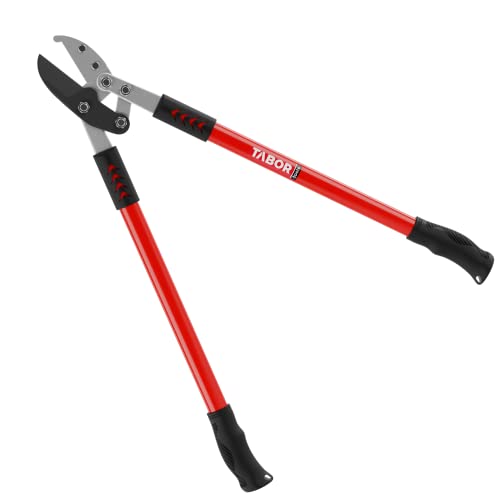
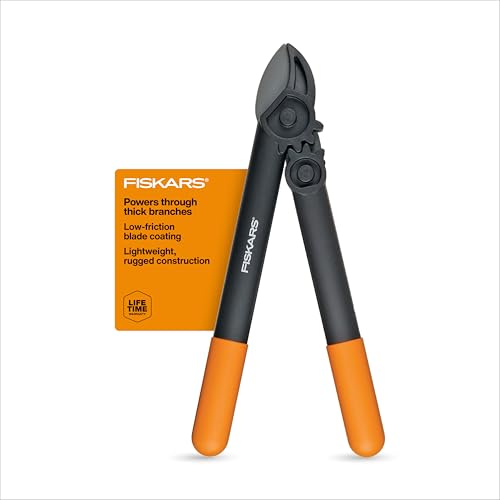
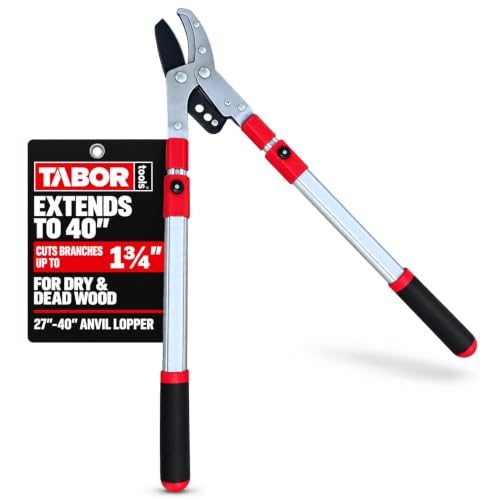
An anvil lopper carries one straight blade that closes down onto a flat pad, the anvil, in the same way a knife comes down on a chopping board. The pad cradles the branch from below while the blade presses straight through it, so the cut finishes with a firm press rather than a slice. Stated plainly, an anvil class tool crushes through dry, dead, and hardened wood that would fight a finer edge. A bypass lopper works the other way, with two curved blades passing each other like scissors, and that slicing action is the right match for live green wood, where a clean cut helps the plant heal.
If you keep going back and forth between the two designs, our explainer on which is best anvil or bypass loppers walks through the trade off in detail. Long handles, usually about 24 to 32 inches, supply the leverage that lets the blade finish thick cuts without your full body weight behind them. Most yards also keep a smaller cutter for stems and shoots, and the guide to best loppers pruners shows how the two sizes split the work between them.
Key Specs Explained in Plain English
Five things decide whether a first pair feels easy or tiring: the work you point it at, the support behind the sale, the fit in your hands, the safety details, and the cutting numbers printed on the box.
Intended Use and Who It's For
Anvil loppers earn their keep on dead wood: storm killed limbs, old fruit tree branches, dry hedge wood, and brush that has gone hard and grey. Home gardeners clearing shrubs and tired fruit trees are the core buyers, and the companion guide to best loppers for gardening shows where loppers sit inside a wider pruning kit. If most of your cutting is live growth, read the bypass sections first, because this tool class is built for wood that is no longer growing.
Warranty and Customer Support
Look for a warranty that runs at least a full year, and longer on the frame and handles. The detail that matters most is spare parts: a maker who stocks replacement blades and anvil pads turns a worn tool into a quick repair instead of a new purchase. Check that the pad and blade for your size are listed as orderable parts before you buy. Responsive support matters for the same reason, since a first time buyer will have fit and use questions in the first month.
Size, Weight, and Fit for Your Space
Handle length sets both reach and effort. Short handles around 24 inches suit tight shrubs and smaller hands, while lengths near 32 inches reach higher branches and add leverage. Weight runs about 2.5 to 4.5 pounds across the class, and a lighter pair is easier to hold overhead for an afternoon of work. Gardeners who often cut above fence height can look at best telescoping loppers, whose handles extend for reach and shorten again for storage in a small shed.
Safety and Certifications
There is no single safety certification class for loppers, so judge safety by design instead of badges. A sharp blade is the biggest safety feature, because a dull edge makes you push harder and slip more, so blade care and safe use rise or fall together. Match handle length and grip size to your hands, since a grip you cannot close fully invites a strained wrist. Keep both hands on the handles, cut at or below shoulder height, and wear gloves and eye protection, because dead wood snaps and throws chips without warning.
Key Performance Specs
The headline number is cutting capacity, the thickest branch the jaws are rated to finish. On this class the jaw opening runs about 1.5 to 2 inches, and that figure governs the branch class you should attempt: stay at or below it and cuts finish cleanly, while forcing thicker wood bends blades. The second number is leverage help: a plain mechanism relies on handle length alone, while a ratchet class or a gear class multiplies the force your squeeze applies, letting smaller hands finish cuts in stages. Blade steel matters last: a high carbon steel class holds an edge longer, and a coated class sheds sap more easily.
Picking the Best Anvil Loppers for Different Uses
The right first purchase changes with the work waiting in your yard. Two step up classes come up again and again when new buyers compare rows in the product table above.
Professional Grade Anvil Loppers
The professional difference is about service life under daily use. Blades and pads are replaceable rather than fixed, the steel is a harder class that holds an edge through a full work week, and the warranty usually stretches further. Handles are built for hours of squeezing, with grips shaped to spread pressure across the palm. Choose this class if you maintain a large property or orchard and expect the tool to work most weekends.
Heavy Duty Anvil Loppers
Heavy duty in this class means structure, not sharpness. Look for a thicker blade, steel or reinforced handles, and a jaw that opens toward the full 2 inch end of the range. The trade is weight, since a reinforced pair tires your arms sooner on light work. For storm fallen limbs at the top of that range, compare best limb loppers before forcing a smaller tool past its rating.
Rookie Mistakes to Avoid
Most first purchase regrets with best anvil loppers trace back to five habits, and all five are easy to drop.
- Cutting live green branches with an anvil blade. The pressing action crushes bark and cambium, and the wound heals slowly and unevenly.
- Forcing a branch that is wider than the jaw rating. The blade twists, the handles spring, and the next cut lands crooked.
- Buying the longest handles for every job. Extra length adds weight and removes control when you work inside a tight shrub.
- Leaving sap and rain on the blade after work. Moisture and sap gum the edge and rust the steel within a single season.
- Ignoring a worn anvil pad. A grooved pad lets the blade edge strike through, which dulls the edge and leaves ragged cuts.
Getting Started: Setup and First Use
Read the manual before first use, because the latch, the pad, and any ratchet release work differently across designs. Inspect the blade edge and the pad surface out of the box, and tighten any bolt that feels loose. Start on a dry branch well under the jaw rating and close the handles in one steady squeeze, letting the pad support the wood. Work up in size over the first session rather than pushing the limit straight away.
When you finish, wipe the blade clean, check the pad for grooves, and store the tool dry with the blade closed and latched. Clean and inspect regularly after that first day, and the tool will settle into a simple routine: cut, wipe, check, store.
Anvil Loppers: Your Questions Answered
What features matter most when buying anvil loppers?
Jaw capacity, handle fit, and replaceable parts matter most. Match the jaw rating to the thickest dead branches in your yard, match handle length to your height and hand size, and confirm that spare blades and pads are sold for the tool. One point buyers miss: a pad made from a slightly softer class of material cushions the blade edge when a cut lands off center, which quietly extends blade life.
How do I maintain an anvil lopper?
Wipe the blade after each session, then sharpen it with a flat file that follows the original bevel, always filing in one direction. The anvil pad is a wear part, so swap in a fresh pad when the blade starts leaving a groove or the pad surface looks chewed. A drop of light oil on the pivot bolt keeps the action smooth, and storing the tool indoors keeps the edge and pad from aging in damp air.
Are expensive anvil loppers worth it?
They are worth it when the tool works often and hard. Higher prices mostly buy harder steel, replaceable cutting parts, and handles that survive daily squeezing, which lowers the cost per season across years of use. A gardener who clears one small yard each spring gets nearly the same results from an entry level pair, because the cutting geometry is the same. Spend up when your branch pile is large, not when it is occasional.
How long does an anvil lopper last?
The frame and handles of a sound pair last many years, often a decade or more of home use. The blade and the pad are the consumable parts, and their life depends on how much gritty, dirty wood they meet, since soil on bark grinds an edge quickly. Expect to sharpen several times a season and to replace the pad every year or two under regular use. Retire the tool when the handles loosen at the head and cannot be tightened.
How much should I spend on an anvil lopper?
Most first time buyers land in one of three bands. Learning pairs run about $25 to $45 and cover light seasonal cleanup, regular home use sits about $45 to $80 where replaceable blades and pads become common, and heavy or near daily work runs about $80 to $150. Pick the band by how many weekends a year the tool leaves the shed, and keep a little back for a spare pad and a sharpening file.
Wrapping Up
A good first purchase comes down to three checks. Match the jaw rating to your dead wood, match the handles to your hands and reach, and choose a tool whose blade and pad you can replace. Rows in the product table above make those three checks easy to compare at a glance. Start with the class that matches your most common cut rather than your largest one, and the tool will feel right far more often.
Choose the best anvil loppers that fit your yard and your grip, and the first season of clearing will feel far simpler than the pile of branches looks today.