
Best Compost for Planters of 2026: Complete Buying Guide
Disclosure: We may earn a commission when you buy through links on this page, at no extra cost to you. As an Amazon Associate I earn from qualifying purchases. Learn more

Use this buying guide to choose the best compost for planters by texture, nutrient balance, drainage, bag size, and safety for edibles, kids, and pets.
Planters are a tough place for soil to perform. The volume is small, the sun bakes the sides, and every watering pushes nutrients out of the drainage holes, so a weak mix fades fast. Choosing the best compost for planters means finding a blend that feeds plants steadily, holds moisture without turning soggy, and stays light enough for roots to breathe.
This guide walks through texture, nutrient balance, bag size math, and safety labels, then compares the main types side by side. Start with the comparison table below, then use the buying guide sections to check any bag against your plants and your space.


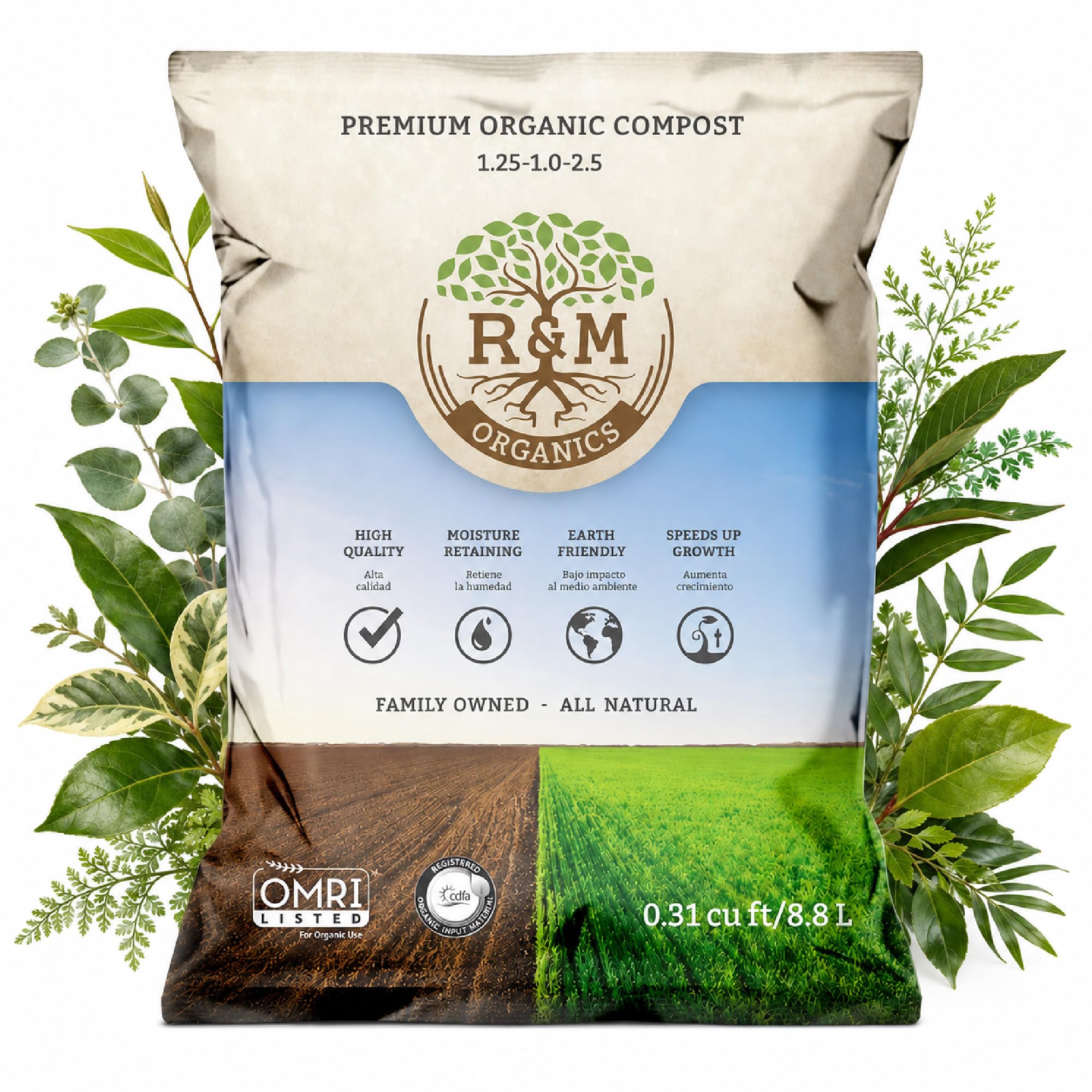
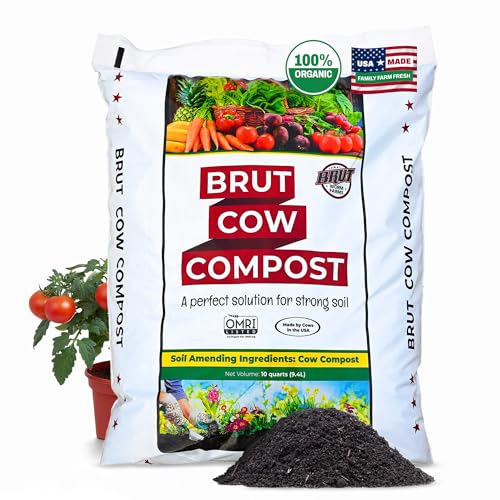
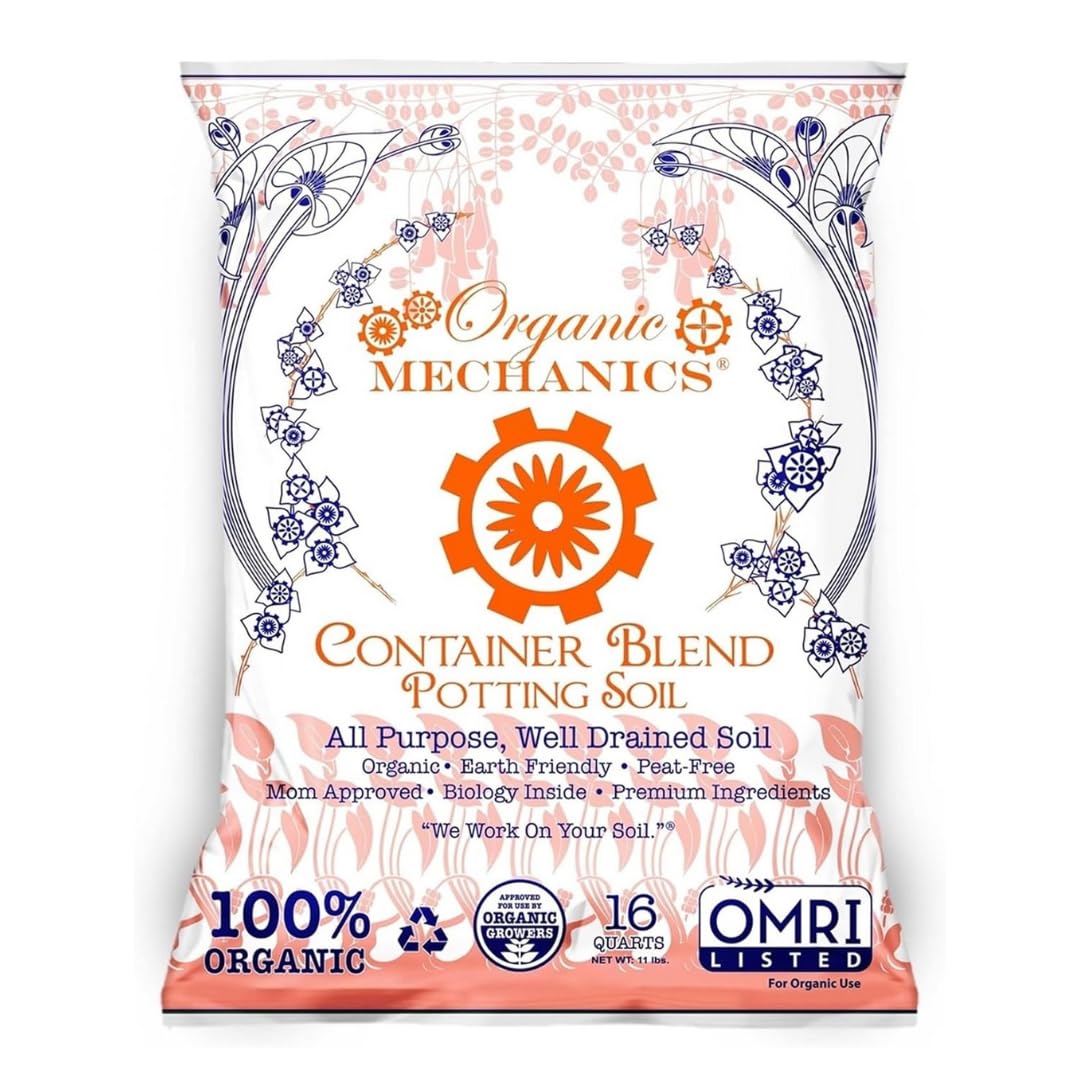
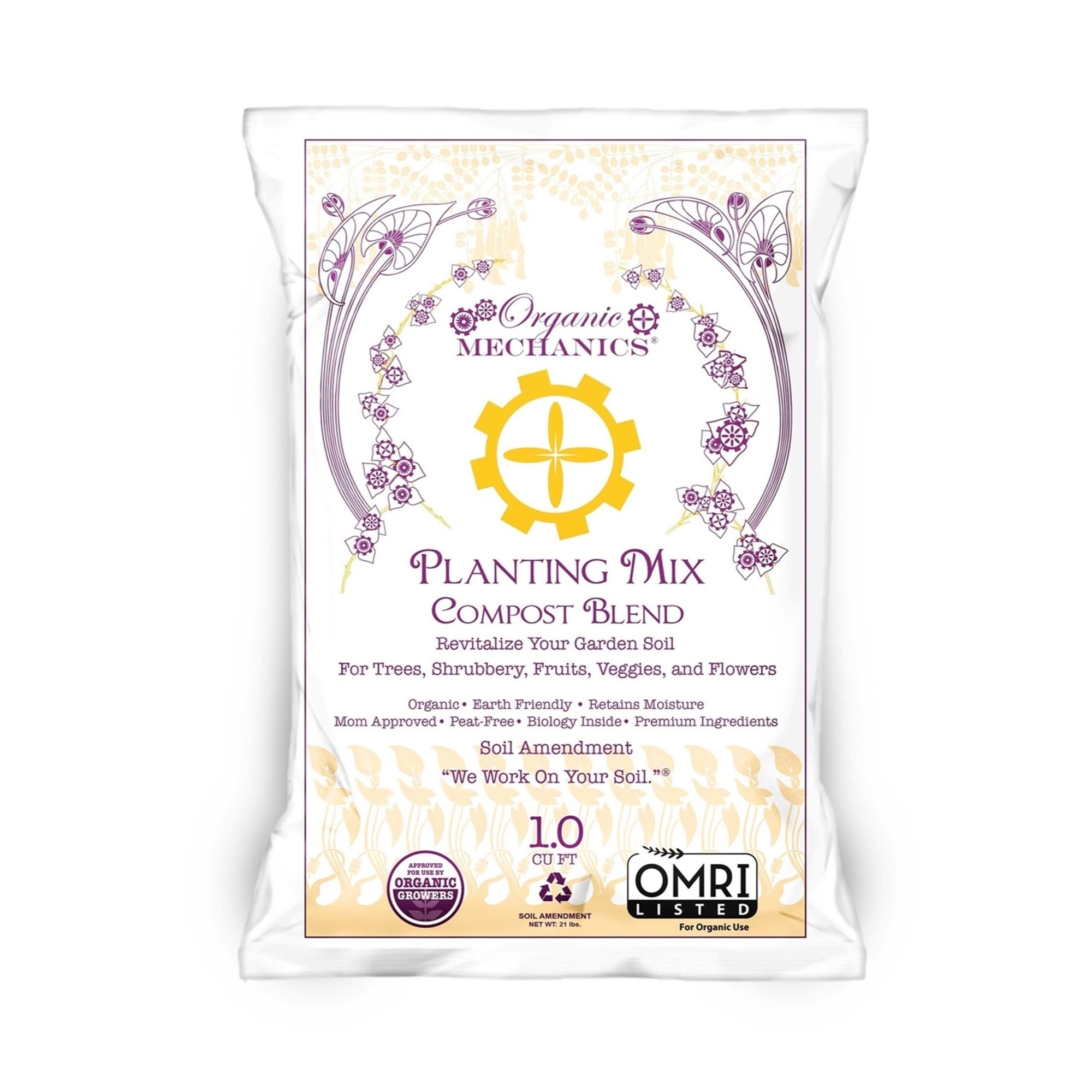
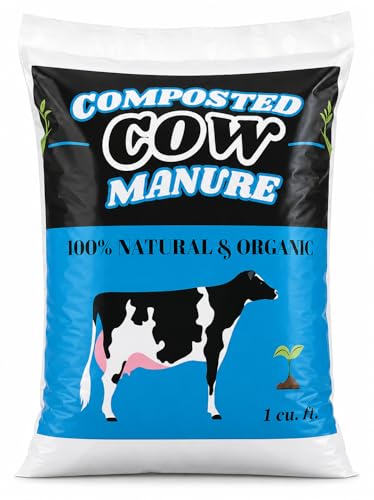
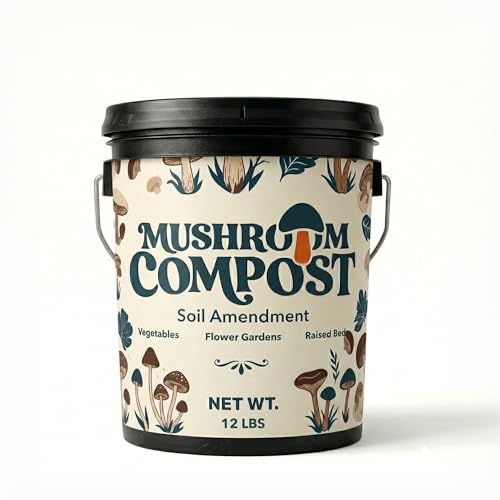
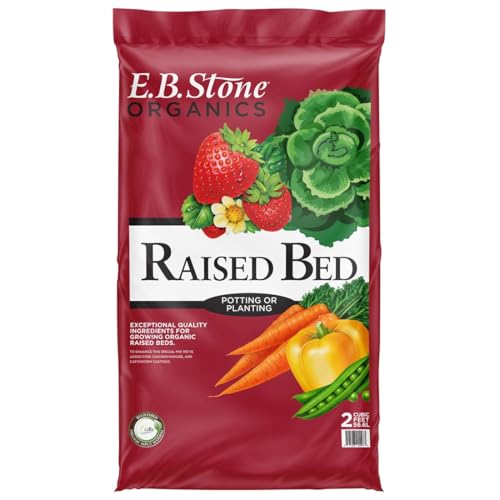
Key Traits to Look For at a Glance
Before the detail, it helps to know what a strong planter compost looks like at three common spending levels. None of these levels requires a specific brand. They describe ingredient quality, screening, and consistency, which are the things you are actually paying for when one bag costs twice as much as another.
The Overall Balance to Aim For
A balanced planter compost feels crumbly and dark, smells earthy rather than sour, and contains a mix of fine particles plus some coarser bits for air flow. You want a stated nutrient analysis or a clear list of feedstocks such as composted bark, manure, and green waste, fully broken down. Heat treated or mature compost matters because unfinished material can rob nitrogen from roots as it keeps decomposing in the pot. If a bag lists its organic matter percentage, values around 40 percent or higher usually signal a rich, useful product for containers.
Value Tier: What You Still Get
Lower priced bags, often around $10 to $18 for a cubic foot, still work well for filling large planters and refreshing tired potting mix. Expect a simpler feedstock list, a bit more variation in texture, and fewer added extras such as mycorrhizal fungi or slow release nutrients. The smart way to use this tier is as a base: blend it with fresh potting mix at roughly one part compost to three parts mix. That stretches your budget while still adding biology and nutrients. Skip any bag that smells strongly of ammonia, since that signals immature compost.
Beginner Friendly Traits
If you are new to containers, the most forgiving choice is a screened, ready to use compost that needs no mixing guesswork and can go straight into a planter as a top layer or partial blend. Smaller bags around 8 to 16 quarts are easier to carry to a balcony and easier to store sealed. Clear labeling helps too: look for guidance on the bag about how much to use per pot size. Forgiving products also buffer small mistakes, so a slightly heavy hand with watering or feeding does not punish your plants right away.
How to Choose the Best Compost for Planters: Buying Guide
Features That Matter for Planters
Containers reward compost with a fine to medium texture, because large chunks create air pockets around roots and dry out unevenly. Drainage and moisture holding have to coexist: the blend should release excess water through the holes yet keep the root zone evenly damp for a day or two. A slightly acidic to neutral pH, roughly 6.0 to 7.0, suits most ornamentals and vegetables. Nutrient release should be gentle and steady, since a strong dose of fresh manure based compost can burn tender roots in the small soil volume of a pot.
Match the Product to Your Garden Size and Layout
Count your planters before you shop, then estimate volume. A simple method: a standard 12 inch pot holds roughly 3 gallons of mix, and one cubic foot fills about two of them when compost is blended at a third of the total. Balcony gardeners with six small pots need far less than patio growers filling four large tubs. Buying one large bag usually beats several small ones on price per cubic foot, but only if you can store the remainder dry. Layout matters too, since hauling a 40 pound bag up stairs argues for two smaller bags.
Ease of Use and Storage
Bag design sounds trivial until you are wrestling a torn sack on a windy patio. Look for thick bags with a fold over top you can reseal with a clip, and handles if you will carry them far. Compost should pour or scoop without huge clumps; clumps signal uneven moisture during storage. Store opened bags off the ground, out of rain, and sealed against fungus gnats, which love damp organic material. A lidded plastic bin in a garage or shed keeps a partial bag usable for a full season. If storage is tight, buy the size you will finish within a few months.
Durability and Weather Resistance
For compost, durability means the material stays stable and effective across a season of heat, watering, and freeze and thaw cycles. Mature, well finished compost resists breaking down into sludge, while unfinished material keeps shrinking and can leave roots exposed at the surface. In planters left outdoors all winter, a compost blended with bark fines holds structure better than one based only on soft green waste. UV exposure degrades the bag itself during storage, so keep bags shaded. If your planters sit in full sun, a mulch layer over the compost protects its biology from surface heat.
Value and Coverage per Dollar
Compare price per cubic foot, not price per bag, because bag sizes vary widely from 8 quarts to 2 cubic feet. Do the quick math: divide the price by the cubic feet on the label to get a fair comparison. Then factor in blend ratio. A richer compost used at one part in four can cost less per planter than a weak one used at one part in two. If you garden at larger scale, making your own supply is worth exploring, and our guide to the best compost bin options covers how home systems produce planter ready material across a season.
Material and Build Quality
Read the feedstock list the way you would read a food label. Composted bark adds structure and drains well. Composted manure adds nitrogen and suits hungry vegetables and flowers. Leaf mold and green waste compost add balanced, gentle nutrition and good moisture holding. Coconut coir based blends stay light and rewet easily. Avoid products bulked out with large amounts of sand or soil, which add weight without feeding plants. Quality compost is screened, so you should not find plastic fragments, large sticks, or stones. A handful squeezed should hold together lightly, then crumble apart.
Safety for Edibles, Kids, and Pets
For vegetables and herbs, choose compost labeled for organic gardening, such as OMRI listed products, which restricts synthetic inputs. Properly composted material reaches temperatures that kill most weed seeds and pathogens, so look for language about meeting process standards rather than vague claims. Wash hands after handling any compost, and wash harvested produce as usual. Keep bags sealed away from pets, since some compost ingredients, especially those with cocoa hulls or rich food scraps, can upset animals if eaten in quantity. If a bag ingredient list is unclear, pick a different product with transparent labeling.
Types of Compost for Planters
Standard Options
Standard blends combine composted green waste, bark, and sometimes manure into an all purpose product at a moderate price. They suit most flowers, foliage plants, and mixed containers, and they blend easily with potting mix. The trade off is variability between batches, so texture may differ from bag to bag. For specialty plants the standard route may need adjusting: orchid growers, for example, need far airier media, as our guide to the best planters for orchids explains when matching containers and mixes.
Lightweight and Expandable Options
Lightweight blends lean on coir, perlite, and fine bark to keep big planters movable and to help renters and balcony gardeners who must carry everything upstairs. Some come as compressed coir blocks that expand with water, which makes storage simple and shipping cheap. Their weakness is lower nutrient content, so plan on feeding sooner. They shine for shallow rooted herbs and for trailing plants in decorative containers, and they pair well with the styles covered in our guide to the best looking planters where weight on railings and shelves matters.
Organic and Eco Friendly Options
Certified organic and peat free blends use regionally composted inputs and skip synthetic additives, which suits gardeners who grow food or garden near waterways. They usually cost more per cubic foot and may include extras such as worm castings or biochar. Performance is excellent when the compost is mature, though nutrient levels vary by feedstock. For water wise plants the organic route still needs a gritty blend, a point our guide to the best planters for succulents makes when pairing drainage focused containers with the right mix.
How to Make Your Compost Last Longer
- Water early in the morning. Cooler hours cut evaporation, so the compost stays evenly moist and its microbes stay active instead of cycling between soaked and bone dry.
- Blend, do not replace. Refreshing a planter with a third new compost each season restores nutrients at a fraction of the cost of a full refill.
- Top with mulch. A thin layer of bark or straw over compost slows surface drying and shields soil life from heat.
- Store the bag sealed and dry. Moisture invites odor and gnats, while a sealed bag in a shaded spot keeps compost stable for months.
- Test soil pH every couple of years. A simple kit tells you whether repeated compost additions have nudged pH, so you can adjust feed choices early.
- Feed lightly between refreshes. Small doses of balanced fertilizer keep heavy feeders producing without forcing a mid season repot.
FAQs
What features matter most in compost for planters?
Texture, maturity, and gentle nutrient release matter most. Choose a screened, crumbly compost that smells earthy, lists its feedstocks, and suits container drainage. In a small pot, an unfinished or overly rich compost can burn roots or steal nitrogen, so maturity beats raw nutrient numbers. A pH near neutral and a blend ratio printed on the bag are practical signs of a product made with containers in mind.
What is the difference between garden soil and potting mix?
Garden soil is dug or bagged topsoil meant for ground beds, and it is usually too dense for containers, where it compacts and drains poorly. Potting mix is a soilless blend of materials such as coir, bark, and perlite, built to stay light and airy in pots. Compost is neither one: it is a nutrient rich amendment you blend into potting mix, typically at one part compost to three parts mix, rather than a complete growing medium on its own.
How long does bagged compost stay good in storage?
Sealed and kept dry, bagged compost stays usable for about a year, though its living biology slowly declines. Once opened, aim to use it within a season. If a stored bag smells sour or grows mold on the surface, it got wet; you can still use it outdoors in ground beds after airing it out, but choose a fresh bag for prized containers. Storing bags off concrete floors helps prevent moisture wicking into the material.
How much compost do I need for my planters?
Estimate total planter volume first, then plan on compost as roughly a quarter to a third of the fill. One cubic foot of compost therefore supports about 3 to 4 cubic feet of finished blend, which fills several medium pots. For a single 12 inch pot, that works out to about 2 to 3 quarts of compost. Buying slightly more than your estimate is sensible, since a top up layer mid season revives tired containers.
Is organic compost worth the extra cost?
For edible plants, yes, certified organic compost is usually worth it because input rules limit synthetic chemicals and manures are composted to set standards. For purely ornamental planters, a quality conventional compost performs much the same, and your money may work harder spent on a larger bag. Either way, maturity and texture affect results more than the label alone, so judge the material in your hand, not just the certification on the front.
The Bottom Line
Prioritize mature, screened compost with a texture that drains yet holds moisture, then match bag size to your planter count using price per cubic foot. Blend it into potting mix rather than filling pots with compost alone. When you compare the product table above against these checks, you will land on the best compost for planters for your space, your plants, and your budget.


