
Best Composite Shoes: Composite Toe Safety Shoes and Boots for 2026
Disclosure: We may earn a commission when you buy through links on this page, at no extra cost to you. As an Amazon Associate I earn from qualifying purchases. Learn more

Composite shoes with a non-metal safety toe: how style, fit, outsole grip, comfort and safety rating decide which pair suits your job.
Composite shoes usually means work shoes with a composite safety toe, a cap made from fiberglass, carbon fiber, or a tough plastic blend instead of steel. The cap protects against impact and compression, weighs less than steel, and does not conduct cold or heat, which makes the shoes more comfortable on long shifts. This guide to the best composite shoes explains how to choose between sneaker style, boot style, and slip resistant designs, and how to check fit and workplace requirements before you order.
Use the product table above for examples, and always check your employer's footwear rules first.


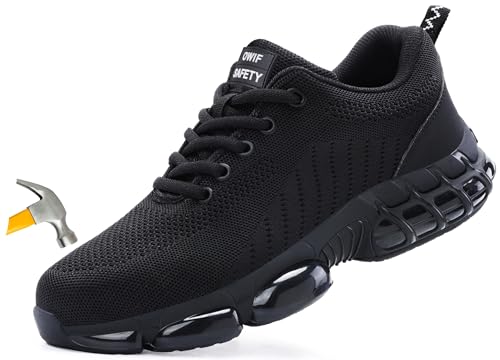

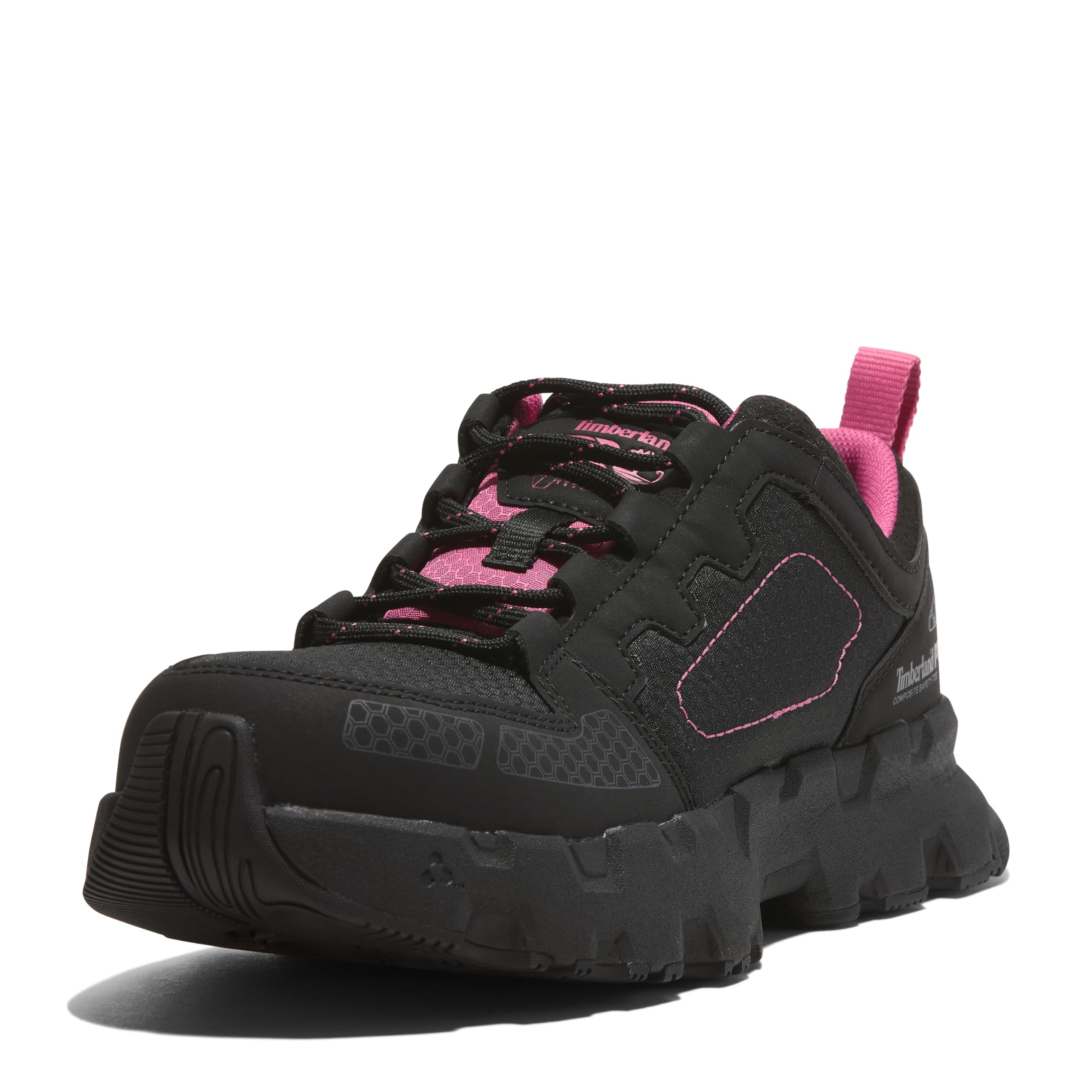
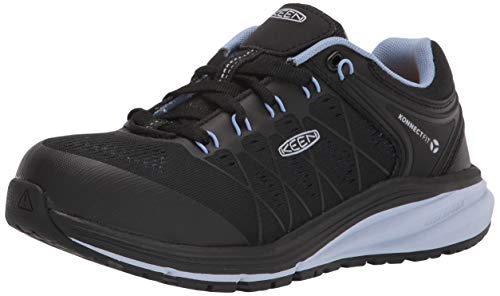


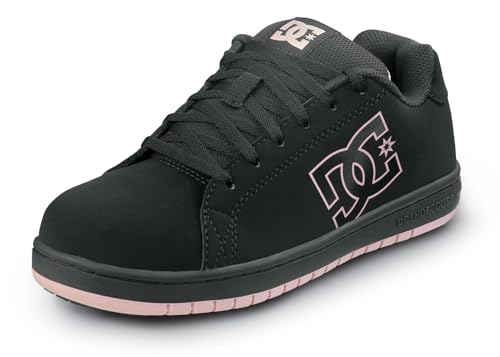
What a Composite Toe Does
A composite toe cap guards the front of the foot against falling objects and rolling loads. Safety shoes are rated to recognized standards, and the rating is usually printed on the tongue or a label inside the shoe. Look for the rating your workplace requires, because a cap without the right rating may not be accepted on a job site.
Composite caps are lighter than steel and do not set off metal detectors, which suits airport, warehouse, and security work. Steel caps can be slimmer, so a composite cap often has a slightly roomier toe box.
Types of Composite Shoes
Safety Sneakers
Athletic style composite shoes suit warehouses, retail back rooms, and light industrial work. They are light, breathable, and need almost no break in, but they offer less ankle support and less protection from water and sharp debris than boots.
Work Boots
Composite toe boots suit construction, outdoor work, and rough ground. A taller shaft supports the ankle, and leather uppers resist abrasion and sparks. They are heavier and warmer than sneakers, so they suit cold or wet conditions better than hot indoor shifts.
Slip Resistant and Water Resistant Shoes
Kitchens, hospitals, and wet floors call for outsoles designed for grip on slick surfaces. Water resistant uppers help in yards and wash down areas. Check whether the shoe is water resistant or fully waterproof, because the two are not the same.
Slip On and Oxford Styles
Dressier composite shoes exist for people who need protection in a more formal setting. They trade some cushioning for a cleaner look, so they suit short walking distances and mixed office and floor duties better than all day standing.
Features That Matter
Fit and Toe Box Room
Try shoes on late in the day, when your feet are largest, with the socks you wear to work. Your toes should clear the cap without touching it, because a composite cap cannot stretch. The heel should hold without lifting, and nothing should press across the top of the foot.
Cushioning and Support
Long shifts on concrete reward a cushioned midsole and a supportive insole. If you use custom orthotics, check that the insole is removable and that there is room for it. A thin factory insole is easy to replace with one that suits your arch.
Outsole Grip
Deep, multi directional lugs grip dust and mud, while softer flatter patterns grip better on smooth wet floors. Match the outsole to the surface you actually work on, not to the picture on the box.
Breathability and Weight
Mesh uppers keep feet cooler in warm areas but wear faster against sharp edges. Leather lasts longer and resists abrasion but breathes less. Lighter shoes reduce fatigue over a long day, so check the weight when it is listed.
Electrical Hazard and Static Control
Some work requires electrical hazard rated or static dissipative footwear. These ratings are printed on the label, and they only help when the sole is in good condition, so check for wear regularly.
Choosing by Workplace
Warehouse and logistics staff usually do best in light safety sneakers with cushioning and a grippy outsole. Construction and utility crews need boots with ankle support and sturdier uppers. Kitchen, hospital, and retail staff should put slip resistance first, and electricians should look for electrical hazard rated pairs. Whatever the job, the best composite shoes are the pair that meets the rule, so ask what your employer requires, because the rating on the label is what counts when rules are enforced.
Think about the whole shift as well as the task. A pair that feels fine in a shop can feel heavy or hot by the fifth hour, so walk around on a hard floor and climb a stair if you can. If you wear thick socks or insoles, bring them when you try on shoes so the toe box checks out.
Price and Value
Basic composite safety sneakers can cost well under $50, while name brand boots and athletic work shoes often cost over $100. The extra money usually buys better cushioning, more durable uppers, a more thoughtful fit, and longer warranties. If you stand for long shifts, comfort features are worth the money. For occasional site visits, a basic pair with the right safety rating is enough.
Looking After Composite Shoes
Brush off dust and mud after each shift, and let the shoes air dry at room temperature, away from direct heat that can crack leather and weaken adhesives. Rotating two pairs gives each pair a full day to dry, which extends the life of the cushioning. Replace a pair after a hard impact on the toe, even if it looks fine, because damage to the cap can be hidden. Replace shoes when the tread wears smooth or the sole separates.
If foot pain, swelling, numbness, or sores persist, talk with a clinician or podiatrist rather than relying on footwear alone.
Mistakes to Avoid
- Ordering without checking the safety rating your workplace requires.
- Buying a size that leaves no room for the toes in front of the cap.
- Choosing heavy boots for a hot indoor job, or thin sneakers for rough outdoor ground.
- Ignoring the outsole and then slipping on wet floors.
- Wearing shoes for too long after the cap or sole is damaged.
Shoppers who want to look at specific groups can read the guides to the best composite toe shoes, the best composite work shoes, and the best composite toe shoes for women.
Composite Shoe Questions Answered
Are composite toe shoes as safe as steel toe shoes?
Both are tested to the same kind of safety standards when they carry the rating. The right choice depends on your workplace requirements and comfort, not on one material being safer.
Are composite shoes lighter than steel toe shoes?
Usually yes, and they do not conduct heat or cold as readily, which many people find more comfortable.
Can I wear composite toe shoes through a metal detector?
Composite caps do not contain metal, so they are often chosen for airport and security work, but other parts of the shoe may. Check the shoe details and the rules of the location.
How long do composite shoes last?
Daily wear often lasts a year or two depending on surfaces and care. Replace them when the tread wears smooth, the sole separates, or the toe takes a hard impact.
Do composite shoes need a break in period?
Sneaker styles need very little. Leather boots may need a week or two. Pain or pressure on the toes is a fit problem, not a break in symptom.
Final Thoughts
Check the safety rating, choose the style that matches your floor and weather, and make sure the toe box has room. The best composite shoes are the ones you can wear comfortably for a full shift and that meet your workplace rules. Compare examples in the product table above before you order.


