
Best Composite Toe Shoes: Safety Rating, Fit and Grip for 2026
Disclosure: We may earn a commission when you buy through links on this page, at no extra cost to you. As an Amazon Associate I earn from qualifying purchases. Learn more

Composite toe shoes compared by safety rating, cut, outsole grip, fit and weather needs, with care tips for long shifts.
Composite toe shoes are low cut safety shoes with a non-metal toe cap, and they have become a common choice for people who need protection but not a full boot. They look like sneakers or casual work shoes, weigh less than steel toe styles, and suit indoor jobs, warehouses, workshops, and delivery routes. This guide to the best composite toe shoes explains the safety rating, the cuts and styles, how to choose an outsole, and what to do about socks, insoles, and weather.
Use the product table above to compare examples, and confirm your workplace footwear rules before ordering.

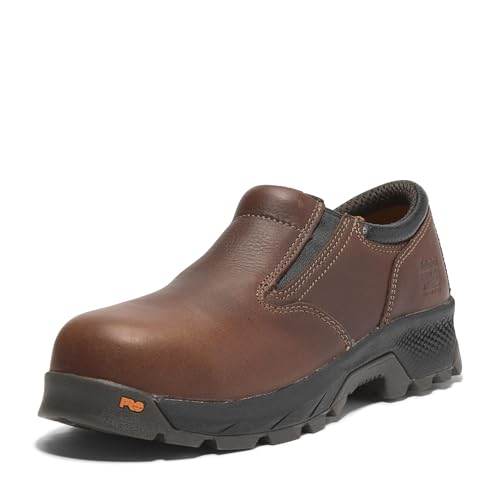


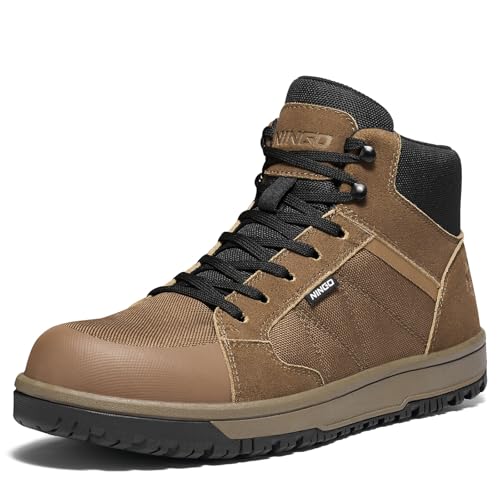

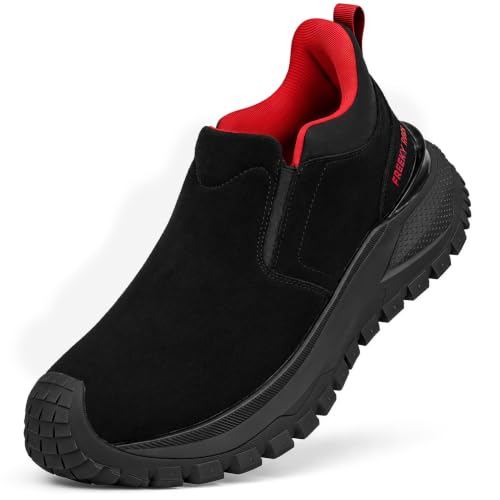


Start With the Safety Rating
The toe cap is only useful if it carries the rating your employer or site requires. Safety footwear in the United States is tested for impact and compression, and some pairs add ratings for electrical hazard, static dissipation, or puncture resistance. Look for the rating label inside the shoe or on the product page, and match it to your job. Casual shoes that merely look protective, with no rating, are not a substitute.
A rating describes a test, not a guarantee against injury. Treat it as the minimum, then choose the shoe on fit and grip.
Cuts and Styles
Low Cut and Athletic Styles
Low cut safety sneakers feel light and cool, bend easily at the forefoot, and need almost no break in. They suit indoor jobs and long walking shifts on smooth floors. They give less ankle support and less protection from water and sharp debris.
Mid Cut and Hiker Styles
A mid cut adds ankle coverage and sturdier uppers without the bulk of a full boot. These shoes suit uneven ground, loading docks, and outdoor yards. They weigh a little more, and a taller collar can feel warm in summer.
Slip On and Oxford Styles
Slip on shoes and oxfords give a cleaner look and are quick to put on, which suits supervisors, technicians, and anyone who moves between a floor and an office. They offer less lacing adjustment, so make sure the heel stays seated when you walk.
Choosing an Outsole
The outsole matters as much as the cap. Wet tile, oily concrete, dusty warehouse floors, and gravel each call for a different pattern. Softer rubber with fine tread grips smooth wet floors, while deeper lugs grip loose ground. Check for slip and oil resistance markings if your floor is greasy.
Think about the surface under your feet for the whole shift. A pair that grips well in a dry store can feel slippery on a wet receiving dock, and replacing it with a better matched outsole is the easiest safety improvement you can make.
Fit, Socks, and Insoles
Shop in the afternoon, when feet are at their largest, and wear the socks you will wear on the job. Your toes should not touch the cap, and the heel should stay seated without lifting. A composite cap cannot stretch, so a snug toe box stays snug.
Socks change the fit more than most people expect. Cushioned moisture wicking work socks cut friction and heat, and thin cotton socks can leave you with blisters by midday. If you use custom orthotics or a thicker insole, bring it when you try shoes on, and check there is still room for your toes. Our guide to the best socks for composite toe shoes covers the sock side in more detail.
Matching the Shoe to the Job
Warehouse pickers and delivery staff usually do best in low cut athletic styles with cushioning and a grippy outsole. Mechanics and tradespeople who kneel and crouch want a roomy, rounded cap and a sturdier upper. Technicians who move between a lab, an office, and a shop floor often prefer slip on or oxford styles, and anyone working near electrical equipment should look for an electrical hazard rating on the label.
Whatever the job, picture the whole shift. A shoe that feels fine for ten minutes in a store can feel heavy or hot by the fifth hour, so walk on a hard floor and climb a stair before you commit. Keep the receipt and packaging until you have worn the pair for a full day.
Weather and Temperature
Composite caps do not conduct cold the way metal can, which many people find more comfortable in cold stores or on winter mornings. In heat, mesh and perforated uppers keep air moving, but they let in dust and water. If your work is outdoors, look for water resistant or waterproof uppers and consider a dedicated winter pair with insulation rather than trying to stretch one shoe across all seasons.
Price and Value
Basic composite toe sneakers can cost around $40 to $70 and meet the rating for many jobs. Name brand work shoes with better cushioning, leather uppers, and more refined lasts tend to cost around $100 to $170. The extra money is worth it if you stand for long shifts or need a pair that lasts a year or more. For occasional use, a basic pair with the right rating is enough.
Care and Replacement
Brush off dust after each shift, wipe the uppers, and let the shoes dry at room temperature away from heaters. Rotating two pairs gives each pair a day to recover. Replace a pair after a heavy impact on the toe, because cap damage can hide inside the shoe, and replace shoes whose tread has worn smooth or whose sole is separating. If foot pain, swelling, numbness, or sores keep returning, talk with a clinician.
Mistakes to Avoid
- Buying on looks and skipping the safety rating your job requires.
- Picking a size that leaves the toes pressed against the cap.
- Choosing the wrong outsole for wet or oily floors.
- Wearing thin socks and then blaming the shoe for blisters.
- Keeping a pair long after the cap was hit or the tread wore smooth.
Related guides include the best composite toe work shoes, the best composite toe shoes for women, and the best lightweight composite toe work shoes.
Composite Toe Shoe Questions
Are composite toe shoes lighter than steel toe shoes?
Usually yes. The cap itself is lighter, and many composite pairs use lighter midsoles, so they tire the legs less over a long shift.
Do composite toe shoes pass workplace safety checks?
They can, when they carry the rating your employer requires. Confirm the label before you buy, and ask your safety officer if you are unsure.
Are composite toe shoes good in cold weather?
Composite does not pull cold into the toes as readily as metal, so they are often more comfortable in cold stores. For very cold conditions, choose an insulated pair.
How should composite toe shoes fit?
Snug at the heel and midfoot, with room for your toes inside the cap. Try them on with work socks and walk on a hard floor.
Can I wear composite toe shoes for outdoor work?
Yes, provided the outsole suits the ground and the upper suits the weather. Mid cut and hiker styles handle uneven surfaces better than low cut shoes.
Final Thoughts
Check the rating first, then fit and outsole, and choose the cut that suits your floor and weather. The best composite toe shoes are the pair you can wear comfortably through a full shift and that meet your workplace rules. Compare examples in the product table above before you order.


