
Best Affordable Mountain Bike Pedals: Types Compared and How to Choose for 2026
Disclosure: We may earn a commission when you buy through links on this page, at no extra cost to you. As an Amazon Associate I earn from qualifying purchases. Learn more
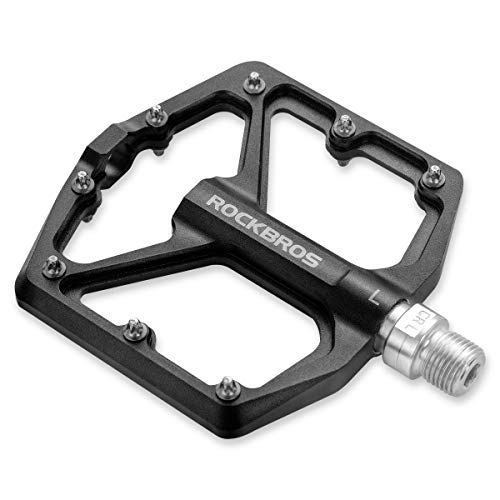
Compare the best affordable mountain bike pedals by type, grip, and fit with this clear buying guide to flat and clipless styles, sizes, and care.
Pedals look simple, yet the wrong pair can make your feet slip on wet roots, ache on long climbs, or refuse to release when you need to dab a foot down. The best affordable mountain bike pedals are not the cheapest pair on the page. They are the pair whose platform, grip, and release style match your trails and your shoes.
This guide compares each pedal type side by side so you can see what you gain and what you give up at each price. You will find the comparison table below, plus plain guidance on sizing, compatibility, and care.




How Mountain Bike Pedals Compare to Other Options
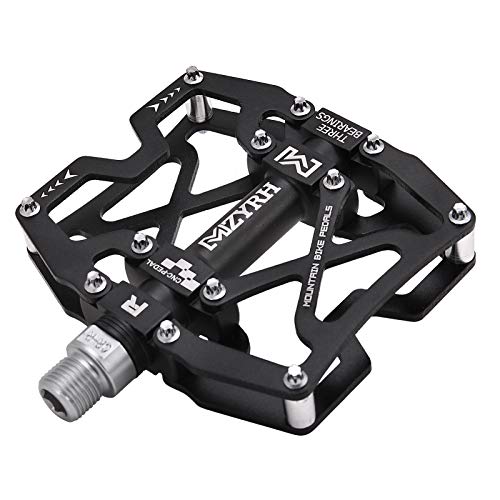
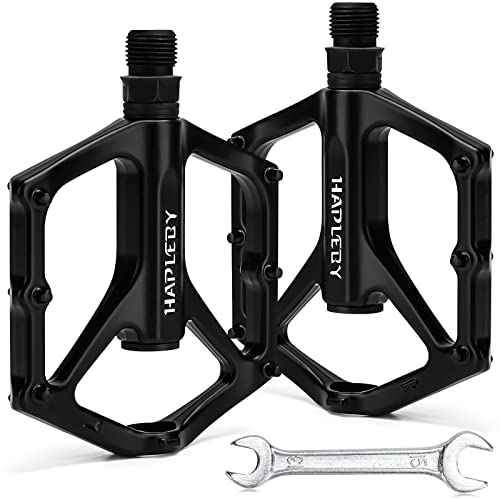
Mountain bike pedals fall into two main families. Flat pedals use a broad platform with small metal pins that bite into soft shoe soles, and they let you put a foot down instantly. Clipless pedals use a small cleat on the shoe that clicks into the pedal, which holds your foot in place and adds pull power on climbs.
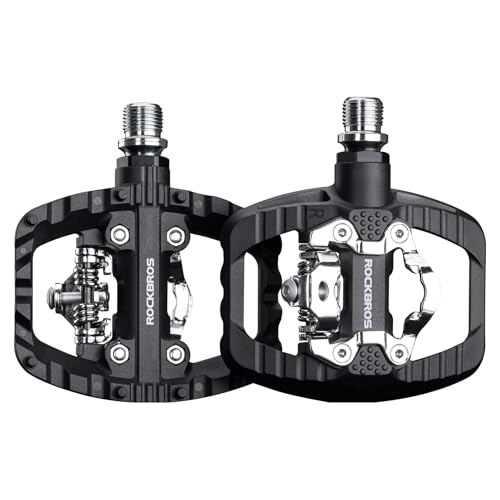
A third group, sometimes called hybrid or dual sided pedals, puts a flat side on one face and a clip mechanism on the other. That flexibility suits riders who mix trail days with casual rides in ordinary shoes. Each family has a budget version that works well, so your first decision is style, not price.
Mountain Bike Pedals vs Motorcycle Options
Motorcycle foot pegs sometimes appear in searches, but they are a different part built for a different job. Pegs bolt to a frame, carry engine vibration, and never rotate around a spindle the way bicycle pedals do. They will not thread into your cranks, and their tooth pattern is made for stiff moto boots, not cycling shoes.
If you ride trails on a bicycle, choose pedals made for standard bicycle crank threads. Motorcycle parts belong on motorcycles, and mixing the two wastes money and can damage your crank arms.
Mountain Bike Pedals vs Budget Options
The very cheapest pedals, often basic plastic platforms sold for casual town bikes, cost less for good reasons. Their pins are molded plastic that wears smooth quickly, their bearings feel rough within months, and thin platforms flex under hard pedaling. On gentle bike paths that trade off can be acceptable.
On real trails, though, grip and durability are safety features. Spending a little more, usually around $30 to $60, gets you metal pins, a wider platform, and sealed bearings that survive mud and hose water. That step up is where affordable mountain pedals start to make sense.
Mountain Bike Pedals vs Road Cycling Options
Road pedals use a large cleat and a stiff shoe that is hard to walk in, and the system is built for smooth pavement and steady power. Trail riders need to walk steep sections, clear mud from the mechanism, and release fast in a fall. Mountain clipless systems use a small recessed cleat, so the shoe keeps a walkable tread.
Road pedals also tend to clog and jam when dirt packs into the cleat area. If your rides leave the pavement at all, mountain specific pedals are the safer and more practical choice.
Who Should Choose Mountain Bike Pedals?
Choose flat pedals if you are learning, ride technical trails with frequent stops, or like the freedom to move your foot on the platform. Flats pair with any flat soled shoe, build confidence, and make sessioning a tricky section much less stressful.
Choose clipless pedals if you ride long climbs, race cross country, or find your feet bouncing off the pedals on rough descents. Riders who mostly cruise smooth paths can stay with simple flats and skip cleats entirely. If you are still building the rest of your setup, our guide to the best affordable mountain bike shows where pedals fit into the overall budget.
How to Choose the Right Mountain Bike Pedal
Performance Specs That Matter
For flats, look at platform size, pin count, and pin height. A platform around 100 mm long supports most shoe sizes without feeling clumsy, and eight to ten replaceable pins per side give strong grip. Concave shapes, where the middle sits slightly lower than the edges, help your foot settle in.
For clipless pedals, look at float, which is how much your heel can move before release, and adjustable release tension. More float feels easier on knees, while lower tension helps new riders unclip without panic.
What You Can Realistically Get on a Budget
Around $25 to $40 usually buys a solid nylon composite flat pedal with metal pins and smooth basic bearings. Around $40 to $70 adds aluminum bodies, better sealing, and replaceable pins and parts. Clipless pedals in the same range include cleats and adjustable tension, though the lightest models cost far more.
Do not save money on bearings or pins. A pedal that spins rough or loses pins quickly costs more in replacements than a mid priced pair that lasts several seasons.
Fit, Sizing, and Comfort
Match platform width to your shoe size. Riders with large feet, roughly US size 11 and up, benefit from wider and longer platforms so the outer edge of the shoe stays supported. Smaller riders on oversized platforms may strike rocks more often in narrow trail sections.
Shoe choice matters as much as the pedal. Sticky rubber flat pedal shoes grip pins far better than running shoes, and stiff soles reduce foot fatigue on long rides. If your feet go numb, the cause is often a flexible sole folding over a small platform.
Compatibility With Your Bike or Gear
Nearly all mountain pedals use the same standard thread, and the left pedal always tightens in the opposite direction, so check markings before you force anything. Clipless buyers must match the cleat standard to their shoes. The common two bolt mountain system, often called SPD style, needs two bolt drilling on the shoe sole.
For a deeper look at the clip in family, see our guide to the best clip pedals for mountain bike riding, and for platform sizing help, see the best mountain bike platform pedals guide. Riders comparing the two main styles head to head can also read about the best pedal for mountain bike use cases.
Bearings, Service, and Electronic Extras
Pedals contain no battery, so the electronic extras you see on other bike parts do not apply here. What matters instead is what spins inside the body. Sealed cartridge bearings shrug off mud and washing better than loose bushings, and pedals with serviceable designs let you regrease or replace worn parts.
Before you buy, check that spare pins and cleats are easy to find for that pedal family. A budget pedal with cheap, widely available spare parts will outlast a fancy design that nobody stocks parts for.
Setup and Care Tips
Grease the threads lightly before installation and snug each pedal firmly, remembering the left side tightens counterclockwise. Check pin tightness after your first few rides, because pins can loosen as they settle. Rinse mud off after wet rides, spin the pedals by hand to feel for roughness, and add a drop of chain lube to clipless springs so the mechanism stays crisp. Store the bike indoors when you can, since constant rain shortens bearing life.
Flat pedal fans can find more setup detail in our guide to the best flat pedal for mountain bike options and how pin height changes grip.
FAQs
What pedal features matter most for trail safety?
Grip and predictable release matter most. On flats, that means sharp metal pins and a platform big enough for your shoe. On clipless pedals, set release tension low at first and practice in a doorway or soft grass. Also check that your pedal clears rocks on your local trails, since oversized platforms strike more often on narrow, rocky lines.
Clipless or flat pedals for beginners?
Flat pedals suit most beginners because you can step off instantly and build balance skills without worrying about unclipping. They also work with regular shoes, which keeps the starting cost low. Move to clipless later if bouncing feet or long climbs become your main problem. Many experienced riders keep both and swap by trail type.
How do lights and visibility affect night trail riding?
Pedals do not provide light, so night riders still need a proper bar light and helmet light, commonly around 800 lumens or more on the trail. Reflectors on pedals and shoes help on the road ride to the trailhead, but they are no substitute for active lights. Choose pedal colors with some contrast if you often ride at dusk.
How often should I replace mountain bike pedals?
Replace pedals when the body cracks, the spindle develops play you can feel by hand, or pins no longer hold thread. Many budget pedals last two to four seasons of regular riding. Bearings that grind after cleaning, or a clipless mechanism that releases unevenly, are signs that service or replacement time has arrived.
How do I choose the right pedal size?
Start with your shoe size. Platforms near 100 to 110 mm long suit most adults, while riders with very large or small feet should size up or down from there. Your whole forefoot should rest on the platform without hanging off the outer edge. If your shoes overlap the crank arm, a slightly wider stance pedal can help.
The Bottom Line
Decide flat or clipless first, then match platform size to your shoes, then spend enough to get metal pins and sealed bearings. That order keeps you from paying for features that do not fit your riding. The product table above pulls the current options together so you can compare prices at a glance.
For most riders, the best affordable mountain bike pedals sit in the middle of the budget range, where grip, durability, and spare parts support all come together. Pick your style, set them up carefully, and enjoy the extra control on every ride.


