
Best Composite Cutting Board: Sizes, Styles and Care for 2026
Disclosure: We may earn a commission when you buy through links on this page, at no extra cost to you. As an Amazon Associate I earn from qualifying purchases. Learn more

Composite cutting boards for busy kitchens: how size, thickness, juice grooves and care decide which board you will reach for daily.
A board that slides around a crowded counter, will not fit in the sink, and takes up a whole cabinet shelf soon stops getting used, even in a home where dinner happens every night. Choosing the best composite cutting board is mostly about fit. You need a size that suits your counter and your household, a thickness you can lift and wash without effort, and a surface your knives can work on daily.
This guide helps you choose by room, by the number of people you cook for, and by budget. It explains the three main styles, the features that earn their cost, and the care that keeps a board flat and clean. Start with the comparison table below, then use the checklist that follows.

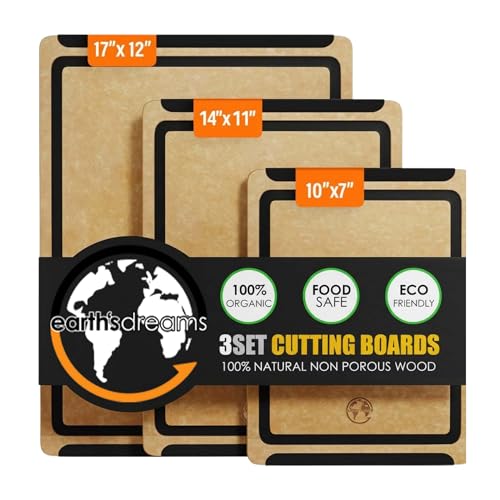
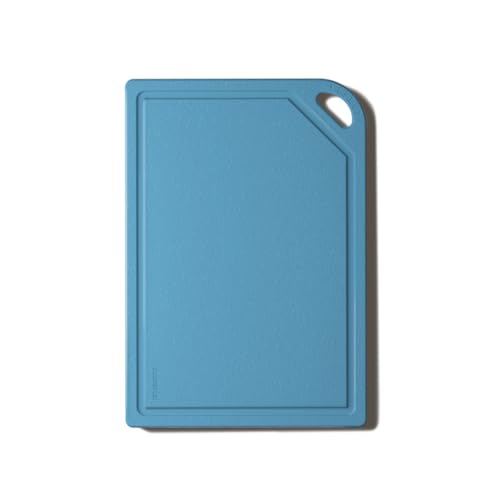
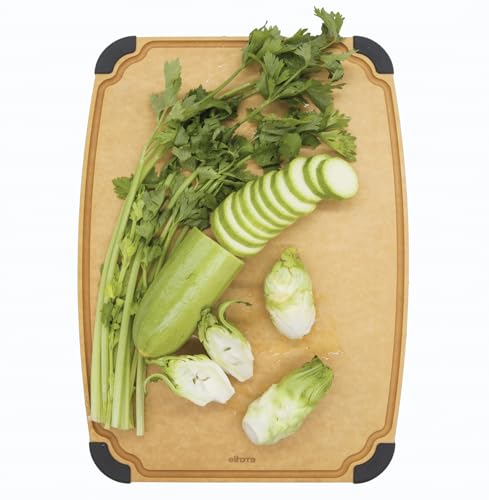


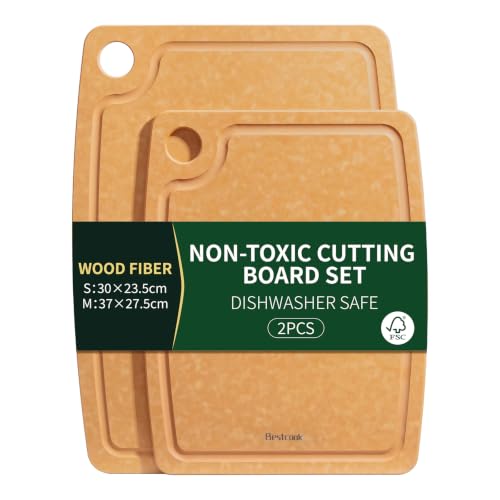
Quick Answer: Which Style Suits Most Kitchens
Most home cooks should start with a thin everyday board in a medium size. It is light to carry, simple to wash, and easy to store upright in a cabinet. Small boards and sets suit one or two people and quick jobs like fruit or cheese. Thicker boards suit larger households that prep big meals often and want one stable surface that stays put through heavy chopping.
Before You Buy: A Quick Checklist for Choosing a Cutting Board
Size: Match It to Your Space
Measure your counter depth and your sink before you shop, since a board that fits neither place will annoy you daily. A board around 18 by 12 inches handles a whole chicken, a large onion pile, and most family meals while still fitting in many sinks. Small apartments often suit a board closer to 14 by 10 inches, which leaves room for bowls and a knife block. Boards around 24 by 18 inches give generous prep room, but they need a wide sink or counter space where they can live full time.
Which Type Fits Your Routine
Think about what you cut most in a normal week. Households that prep raw meat often benefit from owning two boards, so one board can stay dedicated to meat while the other handles produce and bread. If that is your routine, read our guide to the best cutting board for meat before you settle on a single board plan. Families who cook vegetables daily may value one large work surface most. Small households may prefer a light board plus a mini board for lemons, garlic and snacks, rather than one heavy slab.
Features Worth Paying For, and Ones to Skip
A juice groove earns its place if you cut melons, tomatoes, roasts or citrus often, since it catches liquid before it reaches the counter edge. Cut out handles help you lift a loaded board and carry scraps to the stove or the bin. Small feet can add grip on smooth stone counters, though they can make a board feel less steady if they are uneven. Skip extra compartments and gadget add ons you will rarely wash or use. One plain, well sized board you reach for daily beats a feature packed board that is awkward to clean.
Materials and Food Safety
Composite boards are made by pressing layers of paper fiber or wood fiber together with resin under heat and pressure. The result is a dense, smooth surface that resists water better than plain wood and does not split along a grain. Look for a smooth finish with no rough edges, and for clear care guidance from the maker. If you cook for someone with a serious food allergy, keeping a separate board for that person is a simple extra safeguard.
Dishwasher Safe or Hand Wash
Many composite boards can go in the dishwasher, and that is a major reason busy households choose them. Heat and strong detergent can still age any board faster, so hand washing remains the gentler option when you have a minute. Whichever route you prefer, confirm the listing for the exact board you want, since thickness and finish can change the guidance. A board you can clean in the way you actually clean up after dinner is the board that will stay in daily rotation.
Realistic Budget Ranges
Small composite boards often cost under $20, and they work well as a second board or a starter for a single person kitchen. The middle range, about $20 to $50, is where most families find the best balance of size, thickness and finish. Boards priced about $50 to $100 tend to be larger or thicker, with smoother edges and a more solid feel. Spending above $100 makes sense mainly for extra large formats. In every range, size and thickness explain the price far better than decoration does.
Composite Cutting Board Styles Compared
Thin Everyday Boards
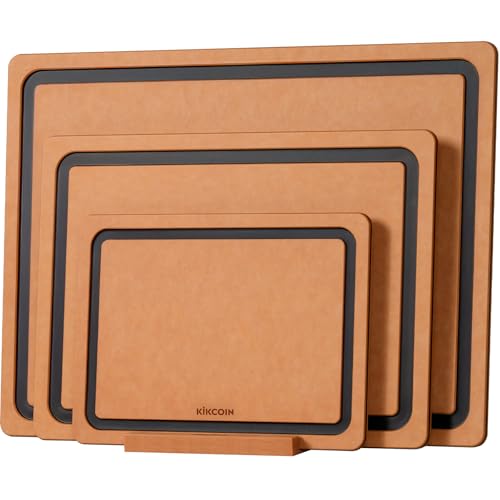
A thin everyday board is the easiest style to live with. You can lift it with one hand, rinse it in a shallow sink, and slide it into a narrow gap beside the stove. That ease matters in homes where the board comes out three times a day. Choose a medium or large size with a juice groove on one side and a flat side for bread and dry goods. This style suits couples and families who want one main board that handles nearly every task without fuss.
Small Boards and Board Sets
Small boards and sets give you flexibility for very little money. One board can hold fruit while another takes cheese, and a third can stay ready for raw meat on a busy cooking day. Sets also help in shared homes, where more than one person preps at once. The trade off is working room. Tiny boards crowd a large knife and push scraps onto the counter. For a household of one or two, this style offers strong value and simple storage.
Thick Heavy Duty Boards
A thicker composite board feels calmer under the knife. It moves less, sounds less sharp on the counter, and gives you a steady surface for dense squash, large roasts and big batches of soup vegetables. The extra weight is the cost of that stability, and washing a heavy board in a small sink takes real effort. Choose this style if you cook large meals often and have the sink and storage space for it.
How Composite Cutting Boards Are Compared
Composite boards are best compared on ease of use, durability, cleaning, design and value, using maker specifications and what buyers report after months of use. Ease of use covers weight, storage and how a board feels during normal prep. Durability looks at resistance to warping, staining and deep knife marks. Design means how well a size and shape suit real counters and cabinets, and value weighs all of that against the price.
What Composite Boards Do Well and Where They Fall Short
Composite boards ask very little of you. They do not need oiling, they resist water, and most can go in the dishwasher, which suits rental kitchens, busy family homes and anyone who dislikes upkeep. Their thin shape stores easily, and the surface is gentle enough for everyday knives. If you love the warmth and weight of natural wood, our guide to the best wood cutting board shows what that material does better, including a surface many cooks find kinder to fine edges.
The trade offs are real. Composite can show knife marks over time, and a thin board can feel noisy or light under heavy chopping. It also lacks the self healing feel of thick wood, a contrast explained in our guide to wood vs plastic cutting board choices. Composite sits between those two worlds, with wood like solidity and plastic like convenience, but it will not match the best traits of either one completely.
Common Buying Mistakes to Avoid
- Buying a board too large for the sink. A board you cannot wash easily will sit dirty on the counter and get used less.
- Choosing on looks alone. A dark finish can hide stains, but size, weight and storage fit decide whether you enjoy using the board.
- Paying for features you will not use. Extra grooves, trays and compartments add washing time and rarely improve daily prep.
- Ignoring the cost of owning two boards. Households that cook raw meat and produce daily often need a second board, so budget for the pair from the start.
- Forgetting where the board will live. A board with no storage home ends up buried under pans and quickly feels like clutter.
Cost of Ownership and Care
Composite boards keep ownership costs low. There is no oil or conditioner to buy, and no sanding routine to schedule. Wash the board after use, dry it fully, and store it upright so air can reach both sides. Our full routine for how to clean a cutting board covers stain and odor care in detail. Keep the board away from direct oven heat, and use a trivet for hot pans. With that simple care, a good board should serve through years of daily meals without warping or splitting.
Knife care is part of the real cost too. A board that is too hard can dull edges faster, which means more sharpening over time. Learning how to use a cutting board with steady pressure helps both the board and your knives last longer.
Your Questions, Answered
What makes a composite cutting board brand reliable?
Reliability shows up in clear specifications, consistent thickness from one board to the next, and care instructions that match how owners actually use the board. A maker that states size, material and washing guidance plainly, and stands behind the board with a fair warranty, is easier to trust than one that relies on vague claims. Reviews that mention flat boards after months of dishwasher use are another useful sign.
How do you clean a composite cutting board after raw chicken?
Rinse the board first so residue does not dry on the surface, then wash it with hot water and dish soap, scrubbing the knife marks where liquid can settle. A dishwasher cycle is a good extra step after raw poultry, since the heat reaches the whole surface evenly. Dry the board fully before you store it. Using one board only for raw meat removes most of the worry, because produce never shares that surface.
How long does a composite cutting board last?
A well made composite board in daily home use often lasts several years before knife marks and surface wear start to bother most cooks. Lifespan depends on how often you cook, how hard you chop, and whether the board goes through the dishwasher daily. Deep grooves that hold moisture, a board that rocks on the counter, or edges that feel rough are signs that replacement time is near. Light surface marks alone are normal and do not end a board life.
Are composite cutting boards worth it for home cooks?
For many home cooks, yes, because the value is in the upkeep you skip. There is no oiling schedule, storage is simple, and cleanup can go in the dishwasher on busy nights. Spread the price over several years of daily use and the cost per year stays modest, even in the middle price range. Cooks who prize the feel of thick wood under the knife may still prefer wood, but composite wins on convenience for most weeknight routines.
What is the best composite cutting board for a small kitchen?
The best choice for a small kitchen is usually a thin board around 14 by 10 inches that can stand upright inside a cabinet door area or beside the stove. Thin boards store in gaps that thicker boards cannot use, and a light board is easier to wash in a small sink. If you cook large meals often, add one medium board that can rest on the counter, rather than forcing one oversized board into a tight space.
Final Thoughts
Start with the space you have, then pick the style that fits your household and your cleaning routine. A thin everyday board suits most homes, a set adds flexible value for small kitchens, and a thicker board rewards people who cook big meals often. Use the product table above to compare sizes and prices side by side, and choose the best composite cutting board that you will happily wash, store and reach for every day. For a wider look at every material, see our guide to the best cutting board.


