
Best Commercial Soft Serve Ice Cream Mix: Everything to Know Before Your First Purchase for 2026
Disclosure: We may earn a commission when you buy through links on this page, at no extra cost to you. As an Amazon Associate I earn from qualifying purchases. Learn more

Learn how to choose the best commercial soft serve ice cream mix, from base type and flavor range to yield, storage, and cost per serving before you order.
Shopping for best commercial soft serve ice cream mix for the first time can feel confusing, because the bags and cartons all promise a smooth, creamy result. This guide starts with the basics, then walks through the factors that actually change taste, texture, and cost. Use the comparison table below to see the main types side by side before you dig into the details.
Most first time buyers worry about choosing the wrong base and ending up with a thin or icy texture. The good news is that a few simple checks, such as machine compatibility, fat level, and yield per bag, will narrow the choice fast. Read on to learn what each term means and how to match a mix to your menu, your machine, and your budget.

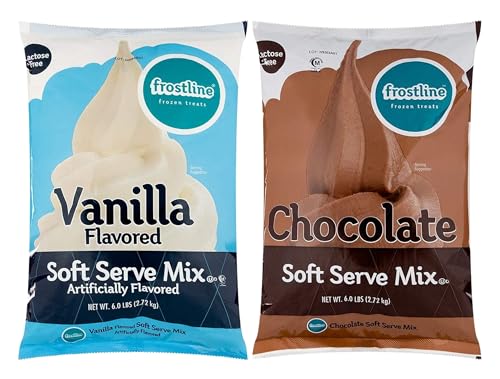
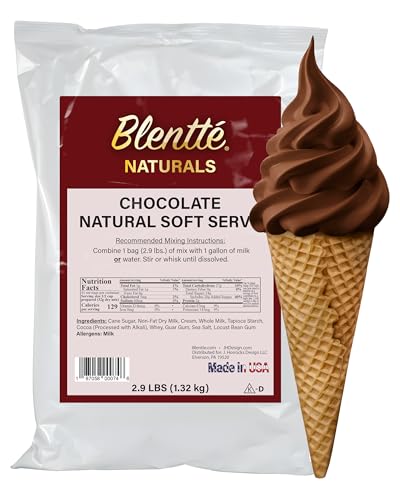

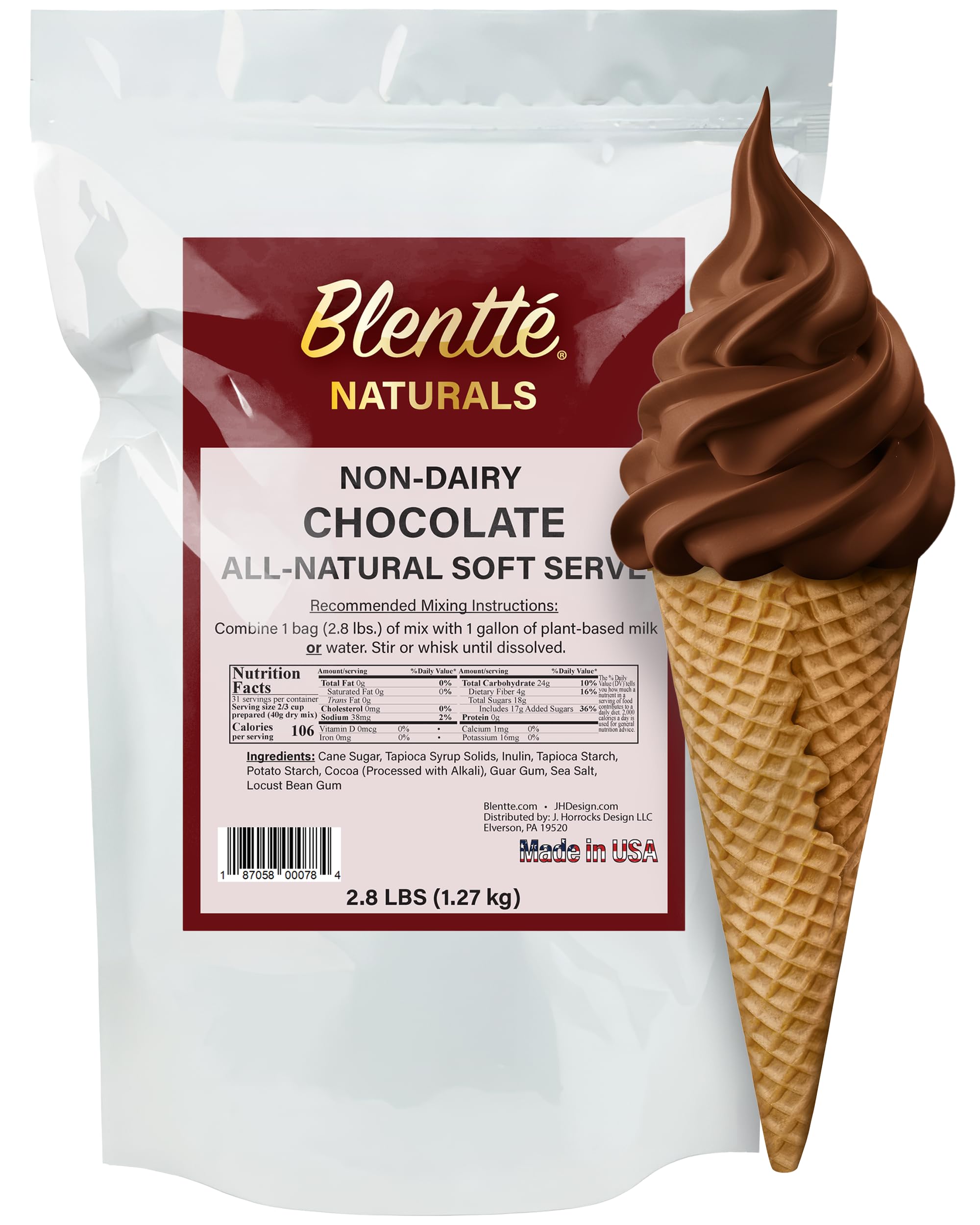
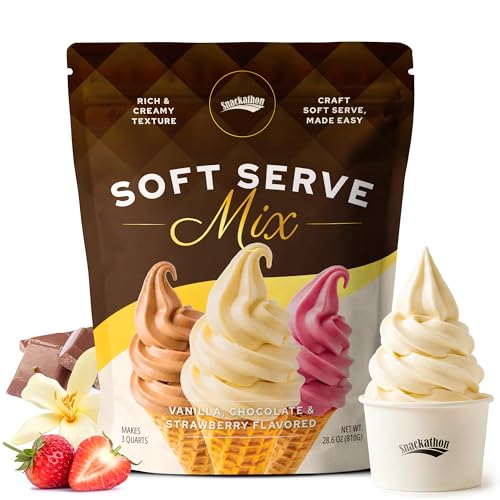

Commercial Soft Serve Ice Cream Mixes 101: The Basics
A commercial soft serve mix is a prepared base that a soft serve machine churns and freezes into a smooth, spoonable dessert. Powder mixes are blended with water before use, while liquid mixes are usually poured straight into the machine hopper. Both types rely on a balance of milk solids, fat, sweetener, and stabilizers to hold air and stay soft at serving temperature. The result should feel creamy rather than icy, and it should hold its shape in a cone or cup without melting at once.
Two terms matter from the start. Overrun is the amount of air whipped into the mix, and it decides whether the texture feels light or dense. A higher overrun gives a lighter, softer serve and stretches each bag further, while a lower overrun gives a richer, denser bite.
Yield is the number of servings you get from one bag or carton after mixing and whipping. Always compare mixes on yield and cost per serving, not just on the price of the bag.
Key Specs Explained in Plain English
Intended Use and Who It Is For
Think first about where the mix will be served. A small cafe may need only one or two popular flavors, while a busy dessert shop may need a wider range plus a dairy free option for guests with dietary needs. Food trucks and seasonal stands often prefer powder mixes because they store well and travel easily. Match the flavor range and pack size to your real daily volume, not to an imagined busy day.
Maintenance and Long Term Costs
The bag price is only part of the cost. Count the water or milk you add, the cleaning time for the machine, and any waste from mix left in the hopper at closing time. Some mixes need a daily cleaning cycle, while others allow a longer holding time, and that difference adds up in labor. A mix that seems cheap per bag can cost more per serving if its yield is low or if it forces frequent machine cleaning.
Ease of Use and Setup
Liquid mixes are usually the simplest choice for a new operator, because you open the carton, pour it in, and start the machine. Powder mixes take more care, since the powder must dissolve fully and the blend must rest briefly so lumps do not clog the machine. See our guide to the best blenders for ice cream if you want a smoother blend for powder bases. Whichever type you choose, follow the maker label for mixing ratios and holding temperatures, and keep the workspace clean during setup.
Size, Weight, and Fit for Your Space
Check storage before you order in bulk. Powder bags stack neatly on a dry shelf, while liquid cartons need cold storage and take up fridge space. Also check the hopper size of your machine, so a large carton does not leave half used product sitting open.
For a small shop, smaller packs may cost slightly more per serving but reduce waste and keep flavors fresh. Sealed storage also matters, and our guide to the best ice cream tubs covers containers that help keep opened product in good condition.
Warranty and Customer Support
Mix makers do not offer the same kind of warranty as machine makers, but support still matters. Look for clear mixing instructions, a responsive contact channel, and a stated shelf life on the pack. A maker that publishes allergen information and storage guidance makes it easier to train staff and answer customer questions. Keep a note of the batch and best by date for every delivery.
Safety and Certifications
Food safety starts with the label. Read the ingredient list and allergen notes, store the mix at the temperature the maker states, and never use a pack past its best by date. Clean the machine on the schedule the machine maker sets, and wash hands and tools before handling open mix. Keep mixes away from children in storage areas, and store cleaning chemicals far from food products.
Rookie Mistakes to Avoid
Most problems with the best commercial soft serve ice cream mix come from the same few slips.
- Skipping the compatibility check: not every mix suits every machine, so confirm the machine maker guidance before ordering.
- Judging by bag price alone: a low bag price can hide a low yield, so compare cost per serving instead.
- Mixing powder badly: lumps cause uneven texture and can clog the machine, so blend fully and let the mix rest as directed.
- Overordering flavors: too many slow flavors tie up fridge space and expire before they sell, so start with a small core range.
- Ignoring cleaning time: a mix that needs long daily cleaning adds labor cost, so factor that into your choice.
Getting Started: Setup and First Use
Start by reading the manual before first use, then clean and inspect the machine and all parts that touch the mix. Mix or pour the first batch exactly as the label directs, and run a small trial batch before a busy service. Taste the result, check the texture, and note the machine settings that gave the best result. For serving, see our guide to the best ice cream scoops to match scoop size to your planned serving.
Clean and inspect regularly after each service, and record the settings and yield so the next batch stays consistent.
Commercial Soft Serve Ice Cream Mixes: Your Questions Answered
How do I maintain a commercial soft serve ice cream mix?
You maintain it by storing it correctly and keeping the machine clean. Keep powder in a cool, dry place and liquid cartons chilled until use, and always respect the best by date on the pack. Clean the machine on the schedule its maker sets, rinse parts that touch the mix, and discard any mix that has sat open past the safe holding time. A simple log of opening dates and cleaning times helps staff stay consistent.
What features matter most when buying commercial soft serve ice cream mixes?
Machine compatibility, flavor range, yield, and cost per serving matter most. A mix must suit your machine type and hopper size, or texture and flow will suffer. Yield decides how many servings each bag gives, and that figure, not the bag price, sets your true cost. Flavor range matters because a small core range that sells well beats a large range that sits unused and expires.
Are expensive commercial soft serve ice cream mixes worth it?
They can be worth it when the higher price buys better texture, a higher yield, or a flavor your customers return for. A premium mix with a richer fat level may need a smaller serving to satisfy, which can balance the cost. A budget mix may still serve well for a high volume stand where price matters more than richness. Compare cost per serving and customer response, not the bag price alone, before you decide.
How long does a commercial soft serve ice cream mix last?
Unopened powder usually lasts for many months in a cool, dry place, while unopened liquid cartons need cold storage and have a shorter shelf life. Once opened, use the mix within the holding time the maker states, and discard anything past that time. Heat, moisture, and poor sealing all shorten life, so reseal packs well and keep storage areas clean and dry. Always check the date on each pack before use.
How much should I spend on a commercial soft serve ice cream mix?
Budget on cost per serving rather than on a single bag price. Small shops often spend about $1 to $3 per finished serving in mix cost, depending on flavor, fat level, and yield. Start with a small order to compare taste and yield, then scale up once you know your daily volume. Leave room in the budget for cleaning supplies and waste, since both affect the true cost of each serving.
The Bottom Line
Choose a mix that fits your machine, suits your menu, and gives a fair cost per serving. Test one or two flavors first, check yield and texture carefully, and build your range only after you know what sells. The product table above can help you compare the main types before you order. For a first purchase, the best commercial soft serve ice cream mix is the one your machine handles well, your customers enjoy, and your budget can sustain week after week.


