
Bamboo vs Wood Cutting Board: Which One Fits Your Home Better? (2026)
Disclosure: We may earn a commission when you buy through links on this page, at no extra cost to you. As an Amazon Associate I earn from qualifying purchases. Learn more

Bamboo vs Wood Cutting Board: see how they differ in everyday use, features and value, and which one makes more sense for your home and budget.
Picture a weeknight in a busy home kitchen. One person is slicing onions on a board that keeps sliding toward the sink, another is clearing space for a pot, and dinner still needs to get on the table. In that moment, the right board is not the prettiest one you own. It is the one that fits your counter, your storage, and the number of people you feed. This guide to bamboo vs wood cutting board helps you choose by room, household size, and budget, and the comparison table below sums up the main differences at a glance.
Bamboo and wood boards can both handle daily chopping well. They differ in weight, upkeep, knife feel, and monthly care, so the better choice depends less on cooking skill and more on how your home actually runs.






Bamboo vs Wood Cutting Board at a Glance
The short version is simple. Bamboo boards tend to cost less, weigh less, and ask for a little less attention, which suits smaller homes and tighter budgets. Wood boards tend to feel gentler on knives, last longer with basic care, and look warmer on the counter, which suits larger families and people who cook most days. Neither material wins on every point, so use this summary as a starting point rather than a final verdict.
| Criteria | Bamboo | Wood | Edge |
|---|---|---|---|
| Weight | Lighter and easier to move | Heavier and more stable | Depends on space |
| Upkeep | Occasional oiling | Regular oiling | Bamboo |
| Knife feel | Firmer surface | Softer surface | Wood |
| Typical cost | Lower | Higher | Bamboo |
| Look | Light and clean | Warm and varied grain | Depends on style |
Meet the Contenders: Bamboo and Wood Cutting Boards
Bamboo Overview
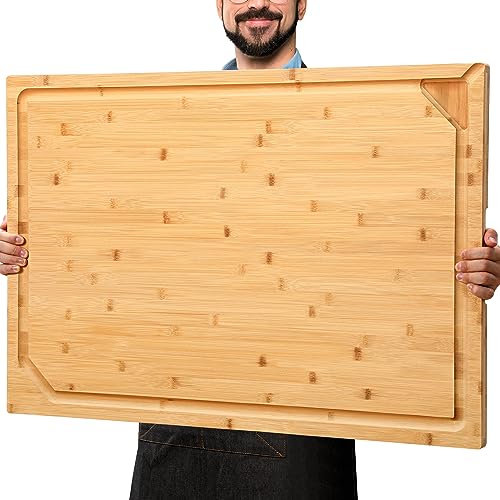
Bamboo is a fast growing grass, and boards made from it are built by pressing many thin strips together with adhesive under heat and pressure. That layered build gives you a board that is light for its size, fairly hard, and usually priced for everyday budgets. The surface shows fine, even lines rather than bold grain, so it suits modern kitchens with pale cabinets. You can lift a large board with one hand, wash it in a small sink, and slide it into a narrow slot beside the oven.
Wood Cutting Board Overview
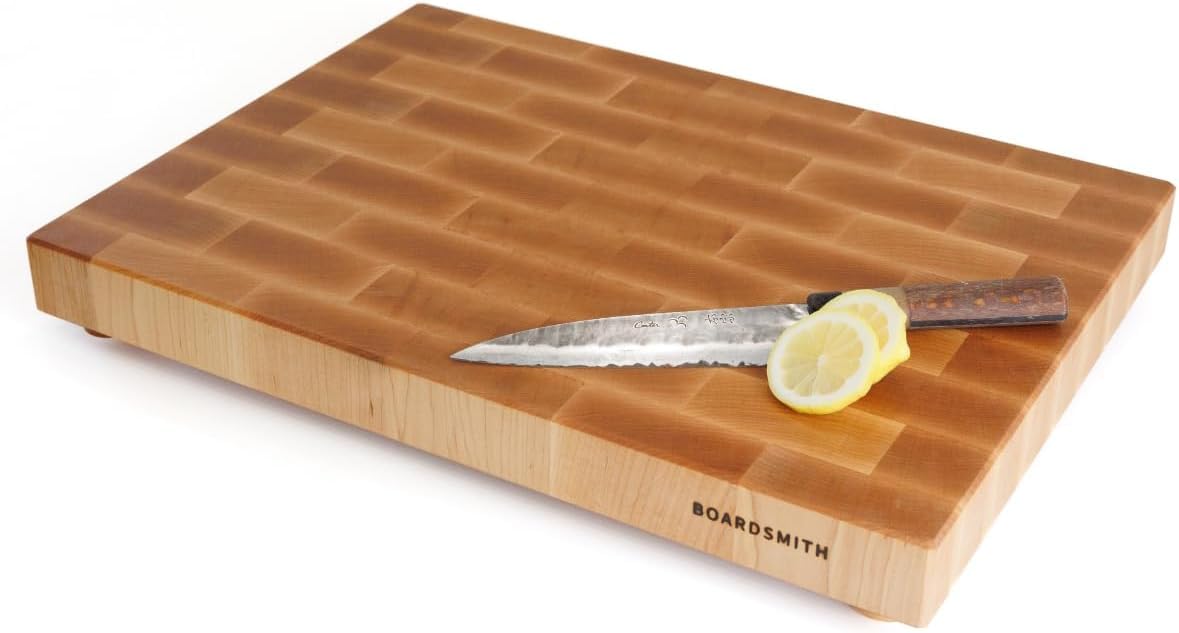
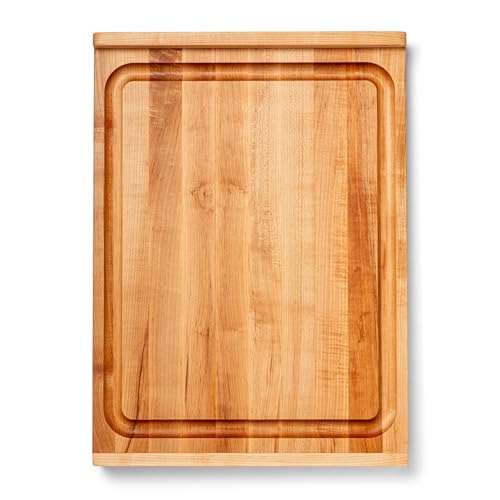
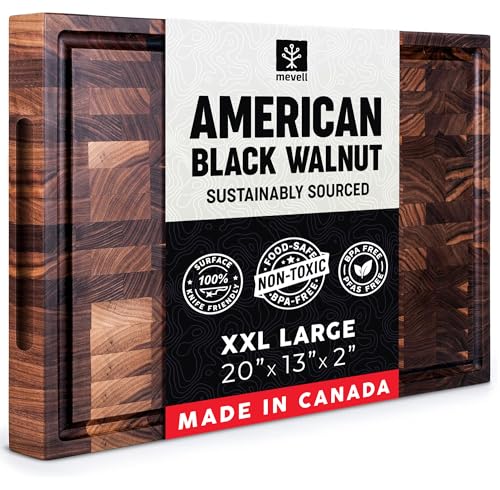
Wood boards are most often made from hardwoods such as maple, walnut, cherry, or acacia. Makers join solid pieces of timber in three main patterns. Edge grain boards show long strips along the side, face grain boards show the broad flat surface, and end grain boards show the ends of the fibers facing up. End grain styles usually cost the most, because they take more labor to build. A wood board is usually heavier, which helps it stay put during prep, and it can double as a serving board for bread, cheese, or fruit.
Head to Head: Where They Really Differ
Ease of Use
Daily ease starts with weight and size. A bamboo board in a common 12 by 18 inch size is easy to carry to the sink, rinse, and put back, even for older users or teens helping with dinner. A wood board of the same size can weigh noticeably more, so moving it while it holds chopped food takes two hands and a bit more care. If you cook in a small kitchen and clear the board several times during one meal, bamboo will feel less tiring over a full week of dinners.
Stability pulls in the opposite direction. The extra weight of wood helps the board stay planted on a smooth counter, while a light bamboo board can shift during fast chopping unless you place a damp cloth under it. In a shared kitchen, the person who values easy lifting and the person who values a steady surface may not pick the same material.
Durability
Bamboo is hard, and that hardness helps it resist dents from heavy pots set down by mistake. The trade off is that the glued strips can split along a seam if the board dries out, soaks in water, or goes through big swings in heat and humidity. Cracks in a bamboo board are hard to repair, because the layered build does not sand and refinish as evenly as solid timber does. In a rental or a first home, that may be fine, since the lower cost makes replacement less painful.
Solid wood is softer in daily use but more forgiving over years. Shallow knife marks can be sanded back, and a dried out surface can be brought back with oil and a food safe wax. End grain wood is especially kind to itself, since the blade slips between fibers rather than cutting across them, so marks show less. A well kept wood board can serve a family for many years, while bamboo is more often replaced once seams open.
Cleaning
Both materials want the same basic routine. Wash the board by hand with warm water and a small amount of dish soap, rinse it, and dry it standing on its edge so air reaches both faces. Neither bamboo nor wood belongs in a dishwasher, because long heat and soaking water can warp or split either one. The difference shows up after washing. Bamboo dries fast and needs oil only now and then, while wood drinks in oil more readily and benefits from oiling about once a month in a dry home.
Stains and smells also behave a little differently. Bamboo tends to resist color from beets or turmeric, though odors can linger in cut grooves. Wood picks up color more easily, but baking soda paste or a rub with half a lemon usually lifts both stain and smell. Many busy families keep one board only for meat and a second only for produce, whichever material they choose.
Design
Looks matter because many boards live out in the open. Bamboo has a pale, even tone and a fine striped pattern that pairs well with white counters, stainless appliances, and simple modern styles. It reads as clean and calm, and boards in a set tend to match each other closely. If your kitchen has light cabinets and you want the board to blend in rather than stand out, bamboo does that job quietly.
Wood offers far more variety. Maple is pale and subtle, walnut is dark and rich, and cherry deepens in color as it ages in the light. A wood board can act as a warm accent in a kitchen full of cool tones, and size options run wider, from small bar boards to thick butcher style blocks with a juice groove. That range suits farmhouse, craftsman, and traditional homes well.
Value
Value is about the full cost of owning the board, not only the price tag. Bamboo asks little from you after purchase. You pay less at the start, you spend a small amount on oil, and you accept that you may replace the board sooner. For a couple in a first apartment, a student house, or a second home used on weekends, that simple math often wins. Spending more on a board you use twice a week rarely pays back.
Wood asks more at the start and more in care, but it spreads that cost over a longer life. If you cook daily for a family of four or five, a wood board kept for years can cost less per year than a cheaper board replaced twice. Be honest about whether someone in the home will actually do that upkeep.
Upfront Price
Most everyday bamboo boards sell for about $15 to $40, with larger or thicker styles reaching about $50. Wood boards cover a wider range. Simple edge grain boards often sell for about $30 to $70, while large end grain blocks can run about $100 to $250 depending on size and timber. Treat those broad ranges as a way to set a budget rather than as exact figures, since prices shift with sales and size.
A bottle of food grade mineral oil costs about $10 to $20, lasts a long time, and serves both materials. If budget is tight, a modest bamboo board plus oil now beats stretching for a large wood block.
Our Recommendation for Your Home
Pick Bamboo If
Bamboo suits homes where space, weight, and simple care come first. Choose it if you live in a small apartment, cook for one or two people, or need a board you can move and store without effort. It also works well as a second board for fruit and bread, or as a spare for guests. If you will not oil a board on a regular schedule, bamboo is the more forgiving pick for rentals and first kitchens.
Pick Wood Cutting Board If
Wood suits homes where the board stays out, gets used daily, and anchors the look of the kitchen. Choose it if you cook for a larger family, batch prep on weekends, or want a board that moves from chopping to serving at the table. It also suits cooks who will oil the board as part of a monthly routine. For a long term home kitchen, wood is usually the stronger investment.
Not Sold on Either? One More Option
If both materials sound like more upkeep than you want, composite and plastic boards are worth a brief look. Plastic boards can go in a dishwasher and cost little, though they show knife grooves sooner. Composite boards sit between the two, with a firm surface and a slimmer profile for tight storage. If that middle path appeals to you, our material reboard review explains how that material behaves in daily use.
Many homes mix materials, keeping a large main board for daily prep and a small second board for quick jobs. To compare sizes and styles across all materials, browse our guide to the best cutting board before you decide.
Your Questions, Answered
Which cutting board lasts longer, bamboo or wood?
A well kept wood board usually lasts longer, because solid timber can be sanded, reoiled, and kept in service after surface wear builds up. Bamboo tends to fail at the glued seams once a split starts, and that kind of damage is hard to fix at home. Storage matters too. A board stored flat under heavy pans can warp over time in either material, so standing it on edge in a dry spot helps both types reach their full life.
Which is easier to clean, a bamboo or a wood cutting board?
Bamboo is slightly easier for most homes, since it dries faster and needs oil less often than wood does. Both still need washing by hand and prompt drying, so the daily routine feels much the same. A useful habit is cleaning order. Wash the board last, after glasses and plates, so it does not sit in a sink of standing water while the rest of the dishes get done.
What is the main difference between a bamboo and a wood cutting board?
The main difference comes from how each board is built. Bamboo boards are pressed from many thin strips of grass held together with adhesive, which makes them light and hard. Wood boards are joined from solid pieces of timber, which makes them heavier and easier to refinish. That build difference drives almost everything else you notice at home, from weight in the sink to how the board ages on your counter over the years.
Is a bamboo cutting board better than a wood cutting board for a small kitchen?
For many small kitchens, yes, because a bamboo board is lighter to lift from a high shelf and slimmer boards slide into narrow gaps beside a stove or fridge. A compact wood board can still work well if you leave it out full time and skip storage altogether. Measure your storage slot before you order, since a board that is even half an inch too wide for its spot will end up living on the counter whether you planned that or not.
The Bottom Line
There is no single winner for every home, and that is the honest answer to the bamboo or wood cutting board question. Bamboo gives you light weight, lower cost, and simple care for small spaces. Wood gives you a steadier feel, a warmer look, and a longer life for families who cook often. Look back at the product table above and pick the bamboo vs wood cutting board option that fits the way your home actually works each day.


