Best Component Speakers under 300: Amplified Builds and Tuning for 2026
Disclosure: We may earn a commission when you buy through links on this page, at no extra cost to you. As an Amazon Associate I earn from qualifying purchases. Learn more

Component speakers under 300 for amplified car systems: two way vs three way, power matching, tweeter aiming and door preparation.
A $300 ceiling lets you move from simple door replacements to sets built for amplified systems. Cast baskets, better crossover parts, and wide tweeter adjustment become common, and some sets use a three way layout. This guide to the best component speakers under 300 explains what the extra money buys, who benefits from it, and how to build a system that lets these speakers show their strengths.
Use the product table above for sizes and prices, and decide first whether you will add an amplifier, since that choice shapes which set suits you.



What This Budget Buys
The best component speakers under 300 share a few traits, which are covered in the sections below.
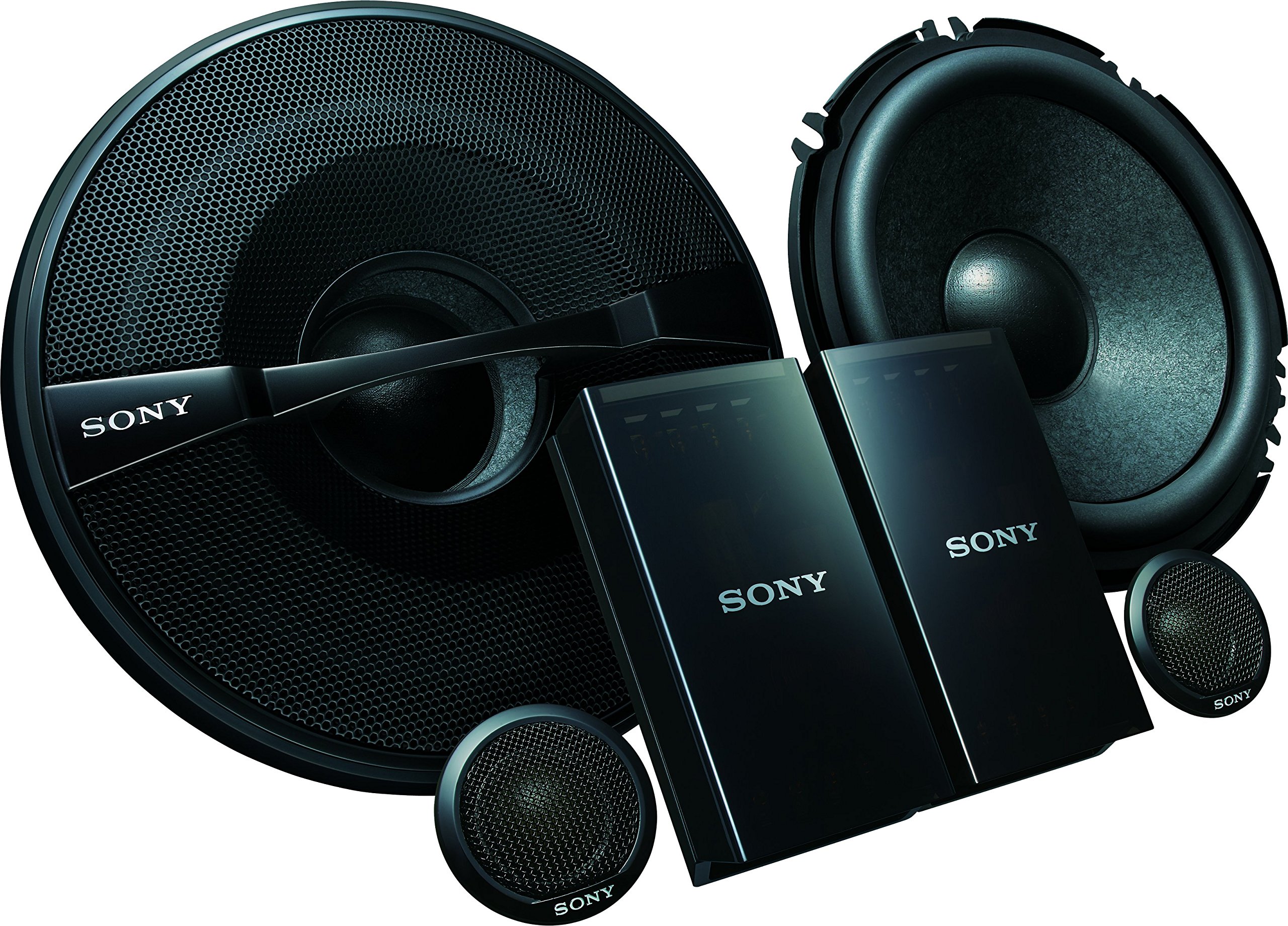
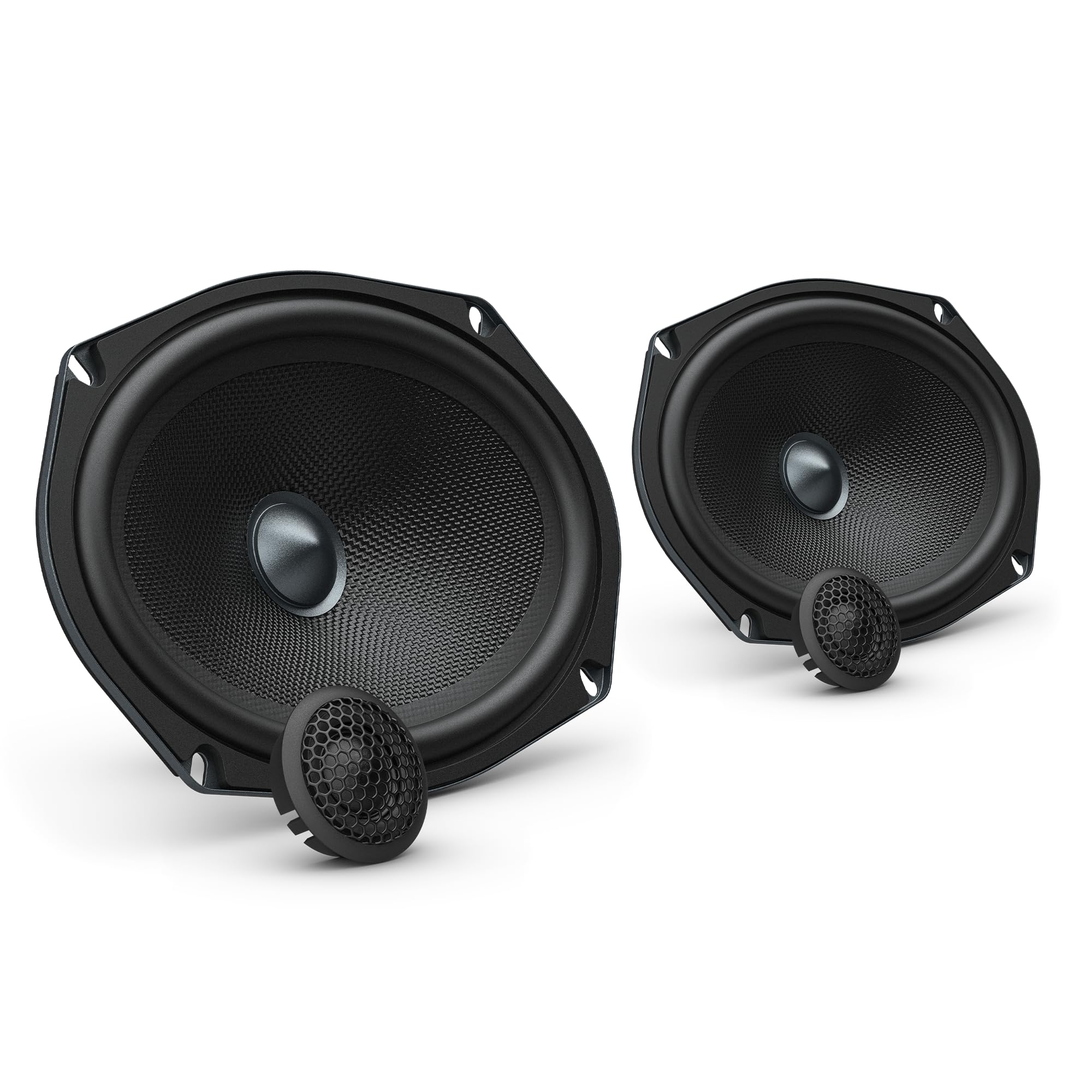
Expect stiffer, better controlled woofer cones, tweeters that sound smooth at higher volume, and crossovers with several adjustment settings. Power handling is high enough for a real amplifier, so the set can grow with your system. What a door woofer still cannot do is reproduce the lowest octave, so a subwoofer remains the answer for deep bass.
You are also paying for documentation and hardware. Better sets include mounting rings, tweeter cups, grilles, and clear instructions, and some publish driver specifications for installers who tune with a processor.
Two Way or Three Way
A two way set remains the easiest to fit and to tune. A three way set adds a midrange driver, which lets the woofer concentrate on low notes and can make vocals more natural at higher volume. Three way sets need more space on the door or pillar and a more complex crossover, so check your vehicle before choosing one.
Convertible and 6 by 9 inch component sets also appear in this range, which helps if your rear deck or lower door offers a larger opening.
Pairing With an Amplifier
Match the amplifier's continuous output per channel to the set's RMS rating, and set the gain with music you know rather than turning it up until it sounds loud. Clean power at modest volume sounds better than strained power at high volume. If you stay on head unit power, favor higher sensitivity.
Plan the wiring too. Use speaker wire of a suitable gauge, protect connections inside the door with sealed connectors, and keep the crossover away from the wet area.
Installation Choices
Door Preparation
A rigid, sealed mount matters more than a small difference in cone material. Add sound deadening to the door skin, seal the woofer to the panel with foam rings, and tighten all fasteners. This makes midbass clearer and removes rattles that mask detail.
Tweeter Aiming
Aim the tweeters toward the listening position, and try positions with temporary mounts before final installation. High notes are directional, so a small angle change can alter the whole soundstage.
Building the System in Stages
You do not have to buy everything at once. A common path is to fit the component set first on head unit power, add door deadening, then add an amplifier a few months later, and finally a subwoofer. Because the set is rated for amplifier power, each step brings a clear improvement without replacing the speakers.
If you plan to add an amplifier soon, run the speaker wire for it at the same time, so the doors do not need to be opened again. Label the left and right wires and keep a short note of the polarity, which saves time if a wire comes loose later.
Choosing for the Cabin You Have
A small hatchback, a sedan, and a full size truck all behave differently. Small cabins reward detail and clarity, while larger cabins need higher sensitivity or more amplifier power to fill the space. Convertibles and cars with lots of road noise benefit from treating the doors and floor as much as from the speakers. Hot climates stress foam and glue, so rubber surrounds and well built baskets give longer life.
Reading the Specification Sheet
Three numbers tell you most of what you need. Sensitivity shows how loud the speaker plays per watt, RMS power shows how much continuous power it can take, and impedance shows what load it presents to the amplifier or head unit. Most car component sets are 4 ohm, which suits most car audio equipment, but check before connecting anything unusual.
Frequency response ranges are less useful unless they state a tolerance. A claim of very low bass from a door woofer is rarely a promise, because the door, the seal, and the cabin shape the real result. Treat the range as a rough indication and trust fit, sealing, and power matching instead.
Finally, look at the crossover. A set with an external crossover, tweeter level options, and sensible slopes gives you room to tune after installation, which is what you are paying for in this band. A fixed crossover is fine for a simple swap but limits what you can adjust once the set is in the car.
Common Mistakes in This Price Band
- Buying a three way set without checking space for the midrange driver.
- Pairing the set with an amplifier whose output far exceeds its RMS rating.
- Choosing by peak power instead of sensitivity and RMS handling.
- Ignoring tweeter placement, then blaming the speakers for harsh highs.
- Skipping door preparation and expecting the speakers to make up for rattles and leaks.
Component Speaker Questions at This Budget
Can you get a good component speaker under $300?
Yes. This budget reaches sets that stay satisfying for years, provided you match power and fit. Measure your factory tweeter location before ordering, because a set whose tweeter fits the stock pod saves hours of fabrication.
Do I need a processor?
No, but a head unit or processor with an equalizer and time alignment can refine a good set further, especially when tweeters are mounted off axis.
Will I still need a subwoofer?
For deep bass, yes. Door woofers handle midbass well, but they run out of cone travel in the lowest octave.
Is a three way set worth it?
If you have the space, an amplifier, and the patience to tune it, a three way set can sound more natural at higher volume. Otherwise a good two way set is the easier choice.
How long do these sets last?
Many last five to ten years, with rubber surrounds and moisture resistant cones helping in hot, damp doors.
Our Verdict
Fit, sensitivity, and crossover adjustment decide success with the best component speakers under 300, whichever tier you choose. Match the set to your power source and install plans, then compare the finalists in the product table above.