Best Component Speakers under 200: What the Extra Money Buys for 2026
Disclosure: We may earn a commission when you buy through links on this page, at no extra cost to you. As an Amazon Associate I earn from qualifying purchases. Learn more

Component speakers under 200: smoother tweeters, stiffer cones and adjustable crossovers, plus the install costs to plan around.
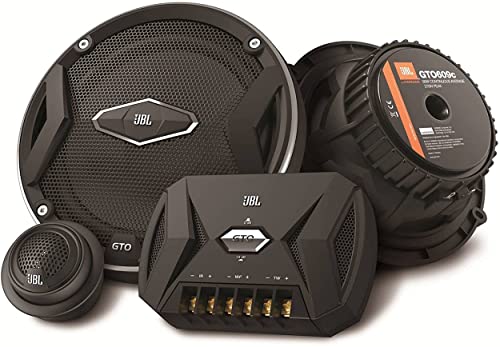
Between $100 and $200 a component set stops being a basic replacement and starts to feel like a real upgrade. Better cones, smoother tweeters, and crossovers with adjustment appear in this range, and many sets are tuned to take advantage of a small amplifier later. This guide to the best component speakers under 200 explains what that extra money buys and how to avoid paying for things that do not matter in a car door.
Use the product table above to line up sizes and prices, then work through the points below before you commit.


What Changes Between $100 and $200
The difference is refinement rather than raw volume. Woofer cones are stiffer, so the midrange stays clean when you turn the music up. Tweeters tend to use silk, textile, or well damped metal domes that sound smoother in long drives. Crossovers move from a simple fixed design to one with tweeter level options and better components.
Power handling also rises, which gives you an upgrade path. A set at this level can run happily from head unit power today and take a modest four channel amplifier tomorrow.
Features Worth Paying For
These are the points that separate the best component speakers under 200 from ordinary ones.
Tweeter Material and Level Adjustment
Soft domes are forgiving, while metal domes sound more detailed and sometimes brighter. A tweeter level switch lets you tune the top end after installation, which matters because every car reflects sound differently. If your cabin has a lot of glass and hard surfaces, lower the level one step.
Woofer Cone and Surround
Look for cones that resist flexing and rubber surrounds that survive heat. Polypropylene, woven fiber, and treated paper all work well, and the right choice depends on whether you prefer a warm or a tight sound.
Sensitivity and Power Handling
Choose higher sensitivity if you plan to stay on head unit power. If you plan to add an amplifier, favor a set with generous RMS handling and match the amplifier to it. Underpowering a woofer is a common cause of distortion that people mistake for a weak speaker.
Included Hardware
Sets that include grilles, mounting rings, tweeter cups, and clear instructions save hours of work. Check what is in the box, because missing hardware adds cost and delays.
Sizes and Layouts
Most buyers need a 6.5 inch two way set for the front doors, but 5.25 inch, 4 inch, and 6 by 9 inch openings also have component options. Some sets come as a front stage kit with a matching coaxial speaker for the rear doors. Measure depth and check for tweeter mounting space before ordering, and confirm that the crossover has a dry place to live.
Reading Ratings Honestly
Peak power figures are the biggest source of confusion in car audio listings. They describe a brief burst, not what the speaker can handle all day. The RMS rating is the number to use when matching an amplifier, and sensitivity tells you how loud the speaker will play from a modest source. Two sets with the same price can behave very differently when one is built for head unit power and the other expects an amplifier.
Impedance also matters. Most sets are 4 ohm and work with almost any car audio equipment, but a few use 2 or 3 ohm designs that draw more power from a factory system. Confirm what your head unit or amplifier expects before you buy.
Installation and Extra Costs
Plan for adapters, wiring harness plugs, foam rings, and a few panel clips that may break on removal. Door sound deadening and a sealed mounting surface add little cost and improve bass and clarity more than moving up a price tier. If you pay for installation, the quote can reach or exceed the price of the speakers, particularly when tweeters need custom pods.
Take a few photos before removing anything, and test the speakers before you fit the door cards. A reversed polarity wire is a common mistake and makes bass sound thin.
Matching the Set to Your Listening
Think about what you play most. If you listen to podcasts and vocal heavy music, a set with a smooth tweeter and clear midrange matters more than a big bass number. If you play bass heavy music, look for a stiff cone, rubber surround, and generous power handling, and plan sealing and deadening so that bass is not lost around the door. If you drive on long highway trips, comfort in the highs matters, so avoid a tweeter that sounds sharp at moderate volume.
Try to hear the set in your own car before you commit to the final tweeter position. A few days of normal driving will tell you whether the highs are too bright, and a tweeter level switch is the quickest way to fix it.
Front Stage First
If the budget is tight, put the money into the front doors, because that is where imaging and detail come from. Rear speakers add fill, and a simple coaxial pair is usually enough. A front component set plus a sealed, deadened door beats a more expensive set mounted loosely, and you can upgrade the rear later without wasting the first purchase.
Mistakes That Waste Money
- Paying more for peak wattage claims instead of RMS handling and sensitivity.
- Buying a set that needs custom brackets when a drop in set would fit.
- Mounting tweeters low in the door and losing the clarity you paid for.
- Connecting a speaker with reversed polarity.
- Skipping door sealing and then judging the speakers on weak bass.
Component Speaker Questions for This Budget
Can you get a good component speaker under $200?
Yes, especially in the middle of the range. Look for honest RMS ratings, high enough sensitivity for your power source, and a crossover with at least one level option.
Should I add an amplifier?
It is optional, but it often gives the biggest jump in volume and control. Match the amplifier's RMS output to the speaker rating and set the gain carefully.
Do I need sound deadening?
It helps. Treating the outer door skin behind the woofer cuts vibration and tightens bass, and it costs little compared with another speaker upgrade.
How do I choose between two way and three way sets?
For most cars at this budget, a two way set is the easier and better value choice. Three way sets need more space and tuning and show their benefit with an amplifier.
Where do the tweeters go?
The sail panel, dash corner, or A pillar usually works best, aimed toward the listener. Try positions with tape before gluing or cutting anything.
Wrapping Up
Choose by fit first, sensitivity and RMS handling second, and tweeter character third, and the best component speakers under 200 for your car will be an easy call. Compare sizes and ratings in the product table above, and keep part of the budget for sealing and deadening.