Best Component Speakers under 100: Fit, Power and Install Tips for 2026
Disclosure: We may earn a commission when you buy through links on this page, at no extra cost to you. As an Amazon Associate I earn from qualifying purchases. Learn more

Component speakers under 100 for car doors: what a budget set improves over factory speakers, which specs matter and what to spend the rest on.
Replacing tired factory door speakers is the cheapest way to make a car stereo sound better, and a component set does it with a separate tweeter that sits higher and aims toward you. This guide to the best component speakers under 100 explains what a budget set can and cannot do, which sizes and specs to check first, and where the money is better spent than on a flashy label.
Start with your door size and your power source when comparing the best component speakers under 100, then use the product table above to line up sets that fit. At this price, correct fit and sensible expectations matter more than any single spec.







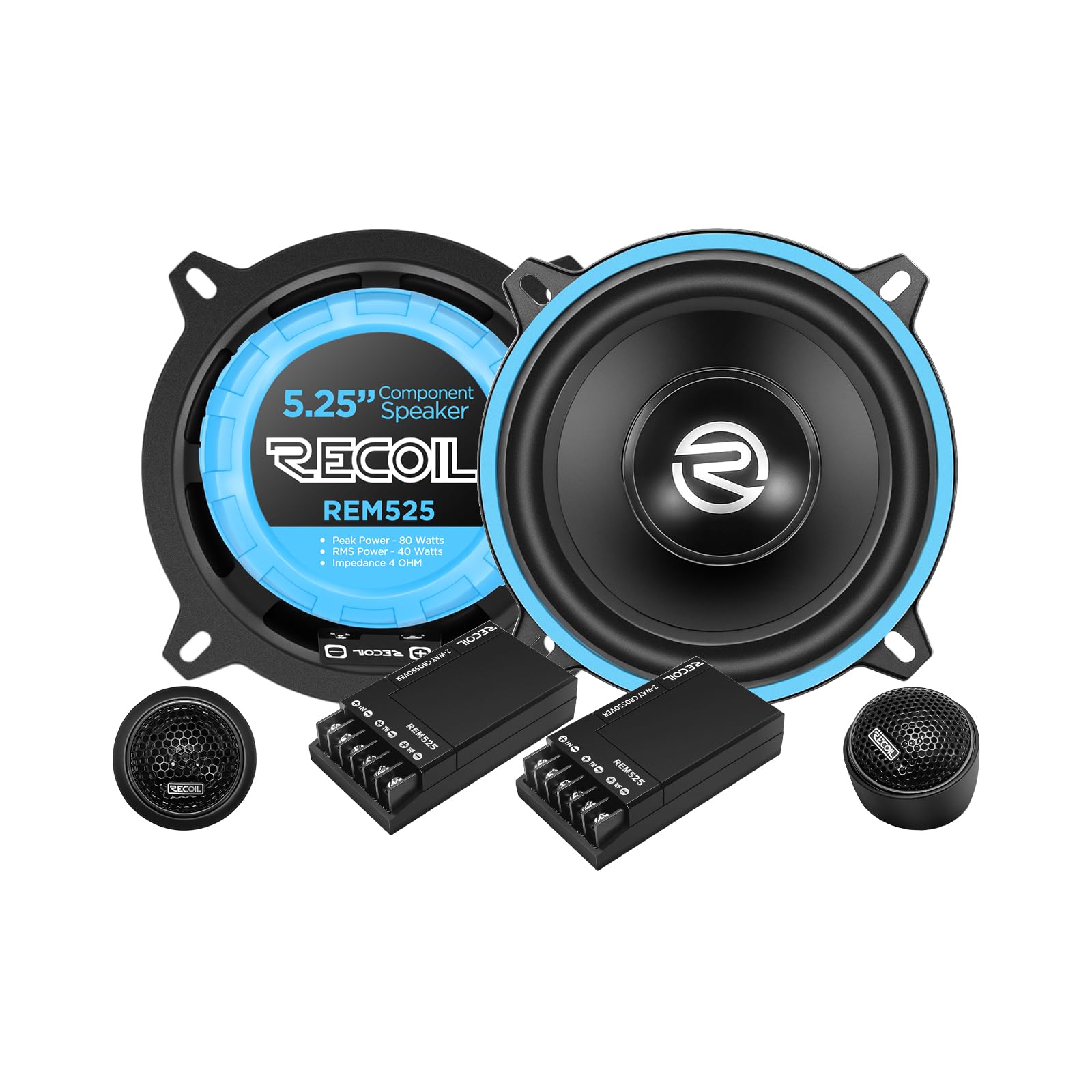
What a Component Set Adds Over Factory Speakers
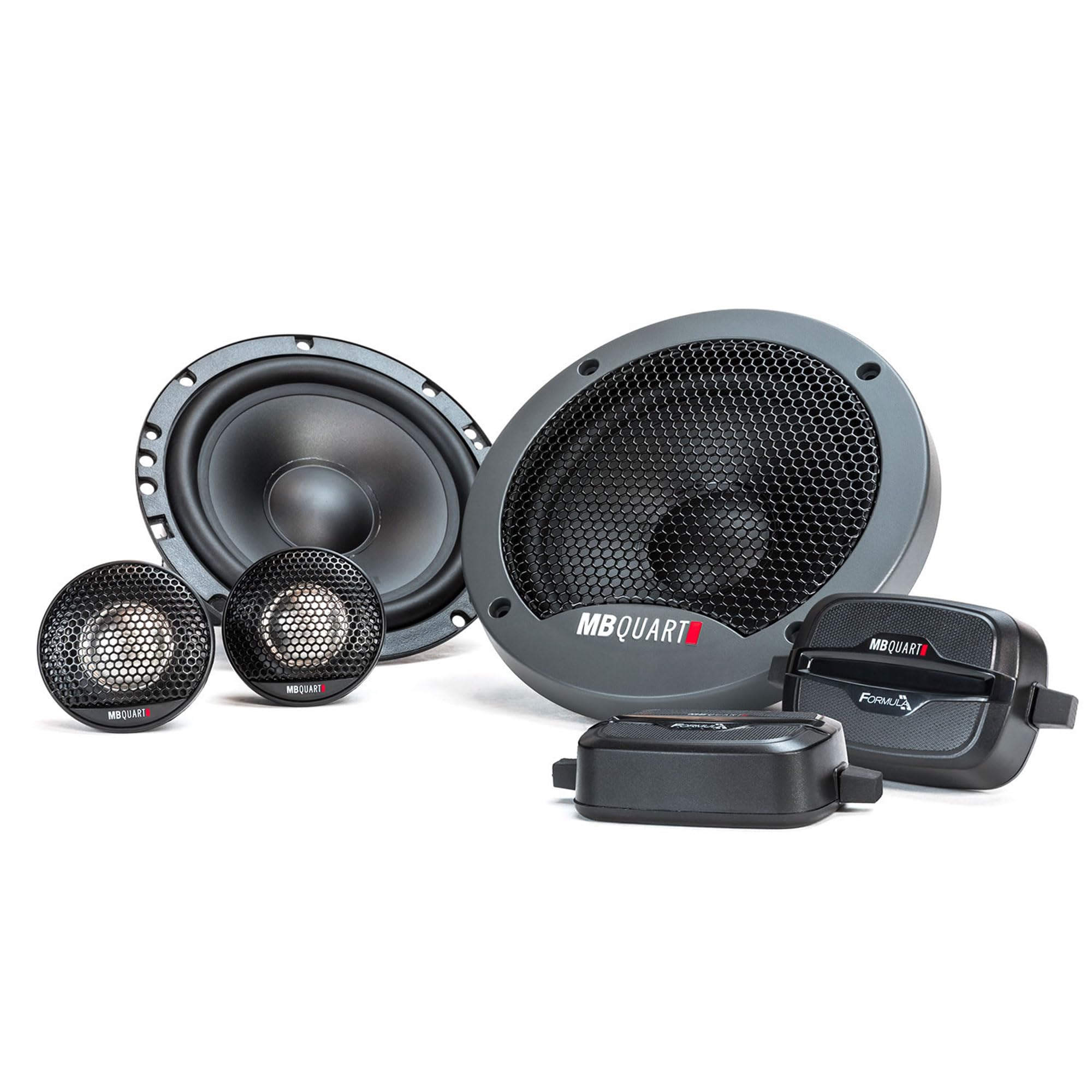
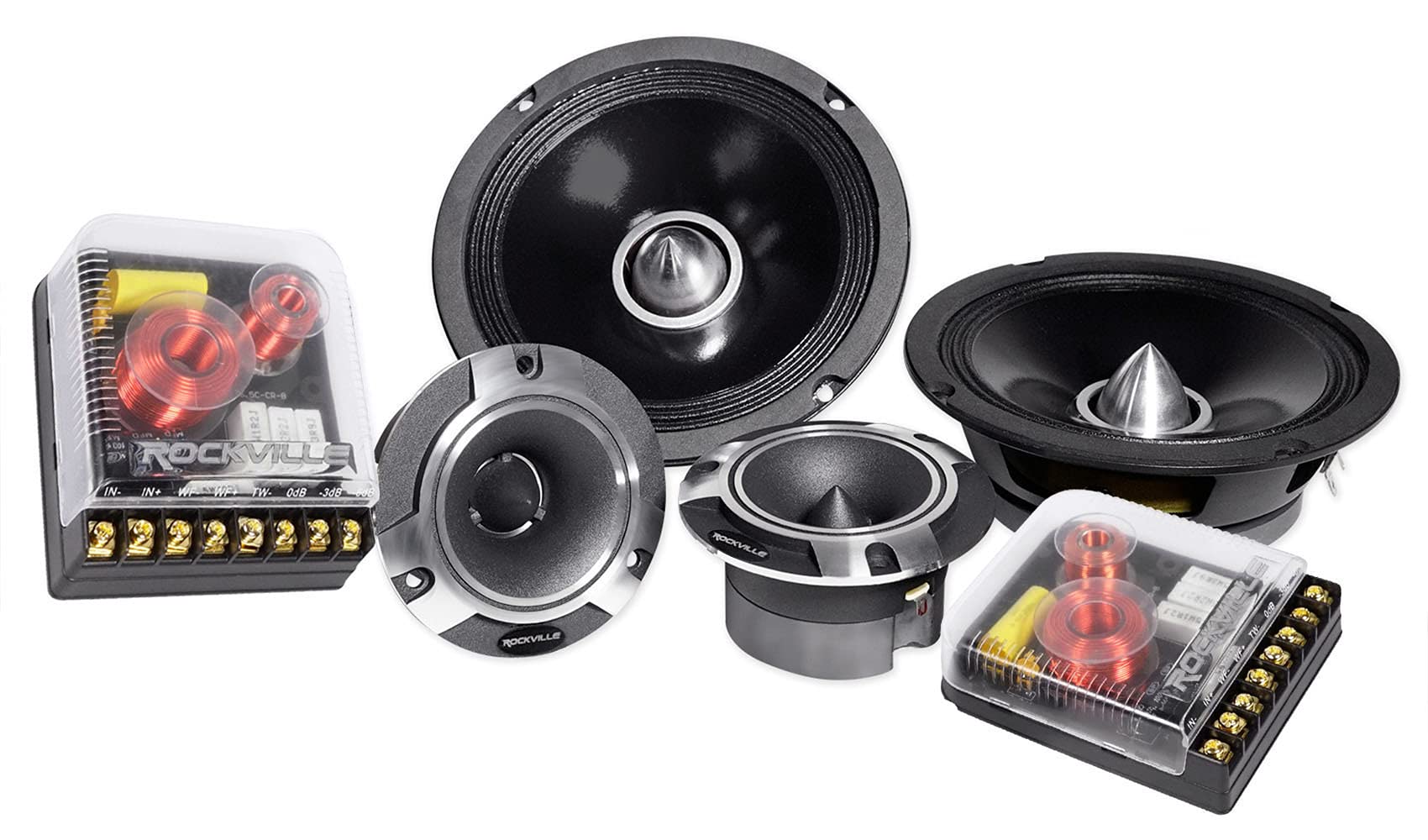
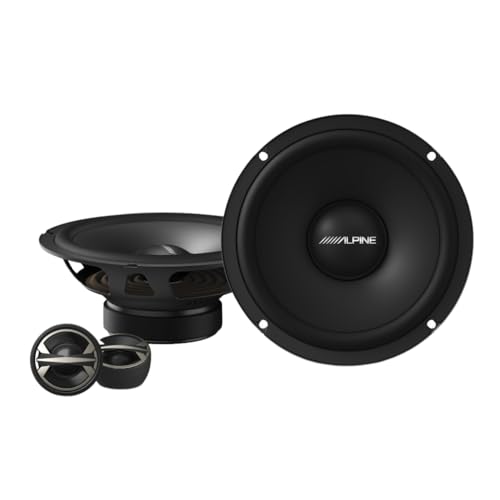
A component set splits the sound between a woofer, a tweeter, and a crossover. Vocals and cymbals come from the tweeter, which you can mount near the sail panel or dash instead of low in the door. Even a budget set usually improves clarity over a paper cone factory speaker, because the woofer no longer has to reproduce the highs.
The trade off at this price is simplicity. Expect modest power handling, a basic crossover, and a tweeter that is fine but not refined. Bass is limited by door woofer size, so a set under $100 will not replace a subwoofer.
Check Size and Fit First
Woofer Diameter and Depth
Most cars use 6.5 inch front door speakers, but 5.25 inch, 4 inch, and 6 by 9 inch openings are common too. Confirm the diameter, the mounting depth, and the cutout size against your vehicle with a fitment guide. A deep magnet can foul a window track, and returns after trimming a door panel are rarely simple.
Tweeter and Crossover Placement
Check where the tweeter will go and where the crossover can sit. Surface mount cups, flush mount rings, and angle adapters all help. The crossover should sit on the dry side of the door, secured so it does not rattle.
Specs That Matter on a Budget
Sensitivity and RMS Power
If you run factory or aftermarket head unit power, look for a higher sensitivity rating, because it plays louder per watt. Match the continuous (RMS) rating to your source, not the peak number printed in large type. Overpowering a budget set with a big amplifier risks distortion and damage.
Cone and Tweeter Materials
Polypropylene woofer cones resist moisture in damp doors and are common at this price. For tweeters, soft domes sound smoother, while metal domes sound brighter. If your car already sounds harsh, favor a softer dome.
Crossover Adjustment
A tweeter level switch is a bonus at this price. It lets you tame brightness or lift detail once the tweeters are mounted, and every cabin sounds a little different.
What to Spend the Rest On
Sound improves most when the speaker is mounted well, so allow part of your budget for installation materials. Foam rings seal the woofer to the door, adapters let you fit odd cutouts, and wire harness plugs avoid cutting factory wiring. A small amount of sound deadening on the door skin cuts panel buzz and tightens bass.
Professional installation can cost as much as the speakers themselves, so decide early whether you will do the work yourself. A weekend and basic tools are enough for most doors, and photographing the factory wiring before removal makes refitting simple.
A Simple Installation Plan
Work on one door first so you learn the panel clips and wiring before you do the second. Disconnect the battery if your car has airbags in the doors, remove the door card carefully, and photograph the wiring and clip positions. Unplug the factory speaker, fit the adapter plug or ring, and mount the new woofer with the supplied screws, using a foam ring against the panel.
Place the tweeter temporarily with tape and play a familiar track. Move it a few inches, listen again, and only then fix it in place. Secure the crossover with cable ties so it cannot rattle, and keep the wiring away from the window mechanism.
Before you refit the door card, play music at a few volumes and check for buzzes. A buzz usually comes from a loose screw, an unsealed panel, or a wire resting against metal, and it is far easier to fix now than after the door card is back on.
Which Size Suits Which Car
Older and larger cars often have 6.5 inch openings and a deep door cavity, which gives you the widest choice. Smaller cars may use 5.25 inch or even 4 inch speakers, where choice is narrower and fitment matters even more. Some trucks and SUVs have 6 by 9 inch rear openings, and component 6 by 9 sets exist for those. When two sizes could fit, choose the larger woofer, since it moves more air and plays lower, as long as the depth works.
Common Mistakes With Budget Component Speakers
- Ordering by woofer diameter alone and ignoring mounting depth.
- Mounting the tweeters low in the door where they are blocked by your legs and the seat.
- Pairing a budget set with a powerful amplifier and driving it into distortion.
- Skipping the door seal and sound deadening, then blaming the speakers for weak bass.
- Choosing on peak power instead of sensitivity and RMS ratings.
Budget Component Speaker Questions
Can you get a good component speaker under $100?
Yes. A well matched set gives clearer vocals and a better soundstage than most factory speakers. Match size and depth to your car and mount it carefully, and it can outperform a pricier set installed loosely.
Do I need an amplifier?
Not necessarily. Many budget sets are designed to run from head unit power. An amplifier adds headroom later, but only if its output matches the speaker's RMS rating.
Are component speakers better than coaxial speakers?
For the front doors, usually yes, because the tweeter can be aimed at you. Coaxial speakers are simpler to fit and still make sense for rear doors or a quick swap.
How long do budget component speakers last?
Several years in normal use. Rubber surrounds last longer than foam in hot doors, and a torn water shield in the door is a common cause of early failure, so check it during installation.
What extras should I buy with the set?
Mounting adapters, foam sealing rings, and wiring harness plugs are the most useful. Add a little door deadening if your doors rattle.
Final Thoughts
Put fit first, sensitivity and RMS power second, and tweeter character third, and your budget goes toward things you will hear every drive. The best component speakers under 100 are the ones that fit your doors, suit your head unit power, and are mounted with a proper seal. Compare sizes and ratings in the product table above before you order.