Best Complete Skateboards for 2026: A Buyer Checklist
Disclosure: We may earn a commission when you buy through links on this page, at no extra cost to you. As an Amazon Associate I earn from qualifying purchases. Learn more
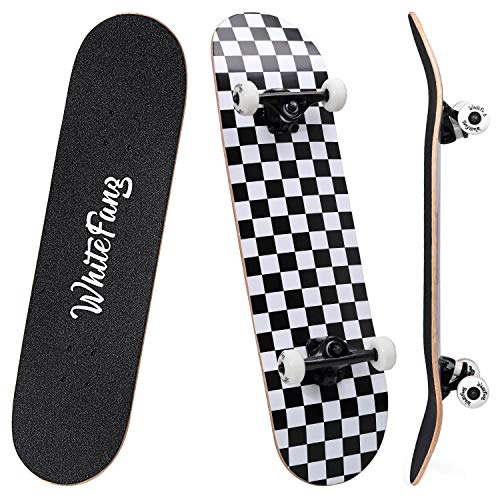
Complete skateboards ready to ride: how deck size, trucks, wheels, bearings and safety gear suit new, street, park and cruiser riders.
Choosing best complete skateboards is easier when you start with fit and use rather than looks. A ready to ride board should match your shoe size, your riding style, and the ground you ride on most often. The comparison table below can help you sort those choices side by side once you know what to compare.
This guide walks through deck size, trucks, wheels, bearings, and safety gear in plain terms. Use the checklist near the end before you order so you do not buy a board that fights your stance or your street.
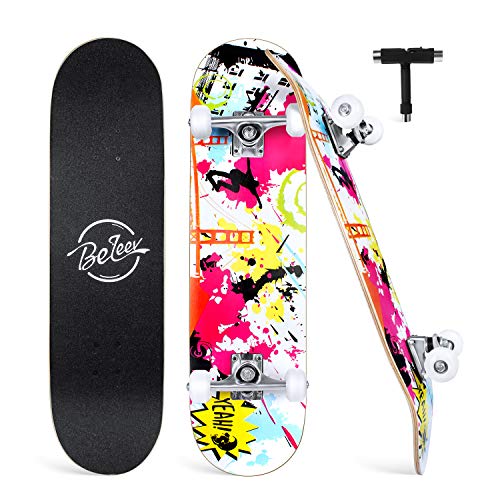
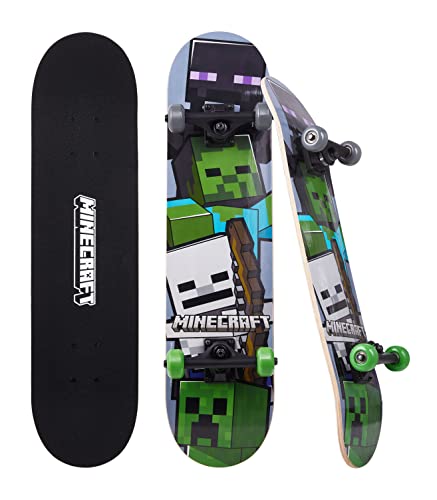


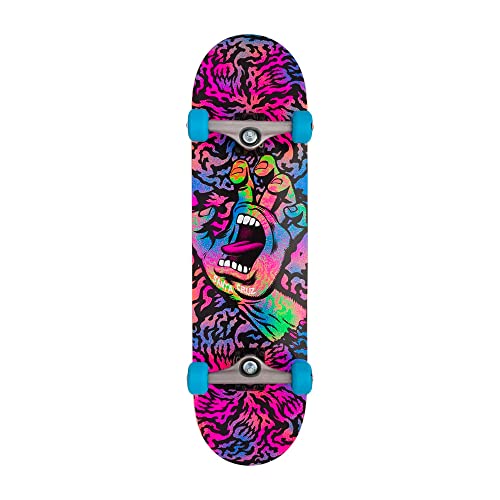
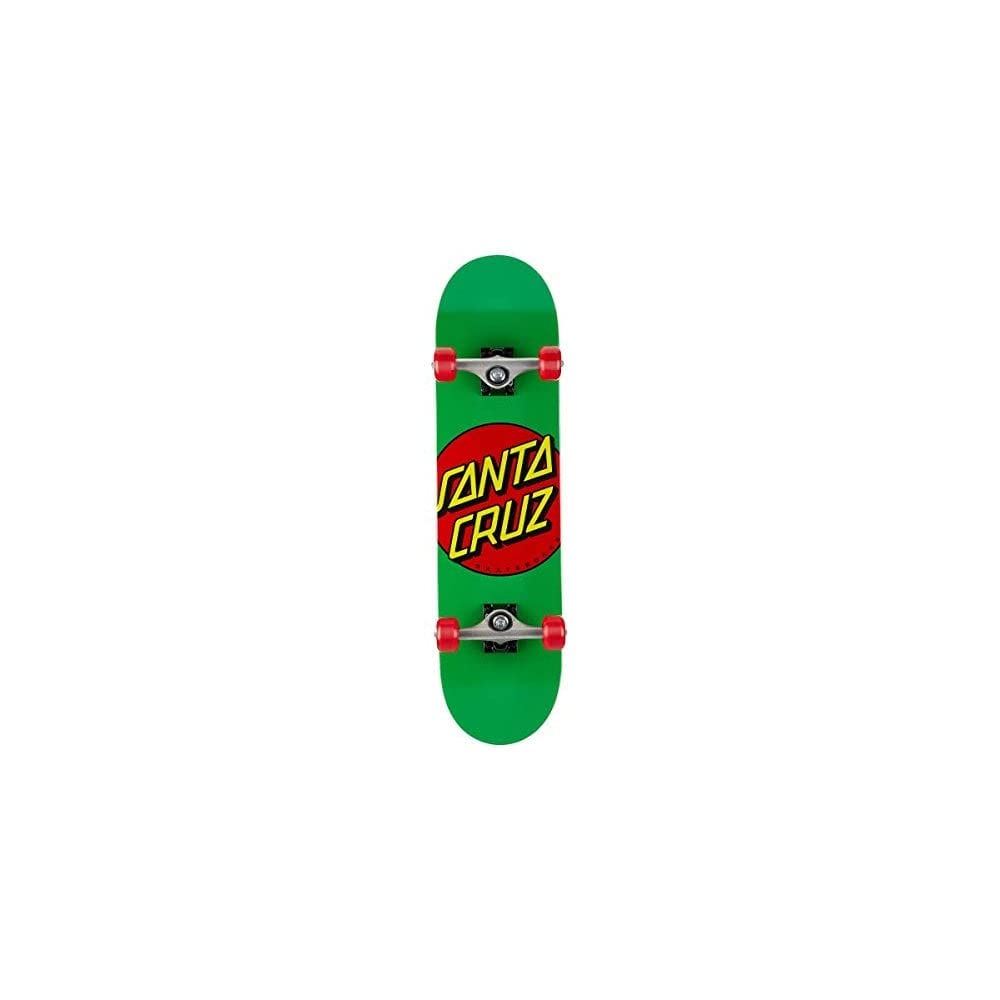
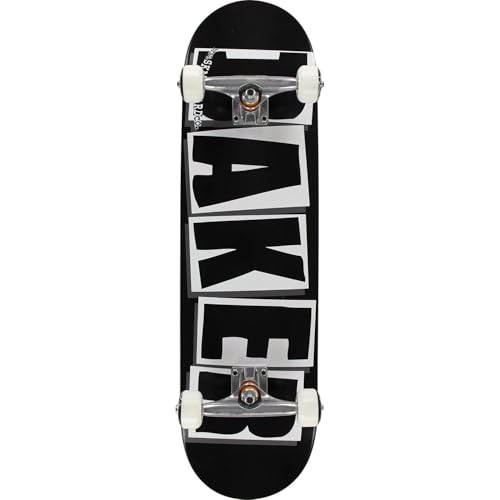
Who Should Buy Which Complete Skateboard?
New Riders Learning the Basics
New riders usually benefit from a stable, forgiving setup that turns smoothly and rolls over small cracks without feeling twitchy. A medium width deck gives your feet room to adjust while you learn to push, turn, and stop. Look for a board that feels planted under your feet rather than one built for sharp tricks you do not plan to try yet.
Street and Park Riders
Street and park riders need a board that responds quickly to foot placement and holds up to repeated impact on ledges, stairs, and ramps. A deck with clear concave helps your feet feel the edges during ollies and flip tricks. Harder, smaller wheels give a faster, more precise feel on smooth concrete. If you ride parks often, durability matters more than a light feel, because repeated landings punish weak wood and soft hardware.
Cruisers and Short Trip Riders
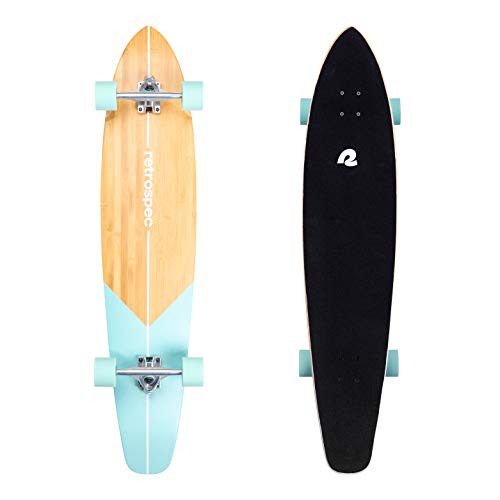
Cruisers and short trip riders want comfort, easy pushing, and a smooth ride over mixed pavement. Larger, softer wheels roll farther with each push and handle cracks, pebbles, and rough sidewalks better than small hard wheels. If you plan to carry the board into a shop, a classroom, or a bus, check its length and weight before you buy, since a long cruiser is harder to stash than a compact street deck.
Key Features to Compare
Deck Size and Shape
Deck width is the first fit decision. Narrow decks feel quick and light under small feet, while wider decks give more landing room and stability for larger feet. Length matters less for most riders, but a very short deck can feel cramped if you have large feet.
Shape also matters. A deck with deeper concave cups your feet and gives more control during tricks, while a flatter deck can feel more relaxed for cruising.
Trucks and Turning Feel
Trucks connect the deck to the wheels and control how the board turns. Truck width should match deck width closely so the wheels sit near the deck edges without sticking far out or tucking far in. Tight trucks feel stable in a straight line but need more lean to turn.
Loose trucks turn with less effort but can feel wobbly at higher speed. Bushings, the small cushions inside the trucks, change this feel too.
Wheels for Your Ground
Wheels change ride feel more than many new buyers expect. Diameter affects speed and roll over cracks. Larger wheels roll over rough ground more easily and hold speed longer, while smaller wheels accelerate faster and feel more precise on smooth concrete.
Hardness affects grip and slide. If your streets are rough, favor larger and softer wheels. If your park is smooth, favor smaller and harder wheels.
Bearings and Roll
Bearings sit inside each wheel and affect how freely the wheels spin. Most complete boards come with bearings that are fine for learning and everyday riding. Higher rated bearings may spin longer when you flick a wheel, but that difference is small on real streets, where pushing technique, wheel size, and ground quality matter more. Clean bearings when they feel gritty or slow, and replace them when cleaning no longer restores a smooth roll.
Grip and Hardware
Grip tape on top of the deck keeps your feet planted during pushes, turns, and tricks. Coarse grip holds well but wears shoes faster, while finer grip feels kinder to shoes and still gives control for cruising. Hardware, meaning the bolts that hold the trucks on, should sit flush and stay tight.
Loose hardware can shift the trucks and change turning feel. Check bolts after the first few rides, since new parts can settle.
A Buyer Checklist Before You Order
Use this checklist as a buyer guide for the best complete skateboards. Start with skill level and intended use. A beginner board should forgive small foot mistakes and stay stable while you learn.
An advanced setup can be more responsive, but that responsiveness can feel nervous to a new rider, so matching the setup to your level saves money and frustration.
Next, judge stability, safety, and value together. Stability comes from deck width, truck setup, and wheel choice working as a set, not from any single part. Safety gear matters from the first ride, so budget for a helmet that fits well and pads that you will actually wear. For value, look at what comes with the board, such as a tool, spare hardware, or a carry option, and weigh it against parts you may need soon, such as replacement wheels or grip.
Finally, check size, weight, and fit in practical terms. Measure the space where you will store the board and think about how you will carry it. A board that is hard to store often gets left outside, where sun and rain shorten its life.
A board that is too large can be hard to turn, while a board that is too small can feel unstable. See our guide to best skateboard for beginners if you are still deciding how much stability you need at the start.
What Different Spending Levels Buy
At a lower spending level, expect a solid learning board with basic trucks, wheels, and bearings. This level suits new riders who want to learn the basics and are not sure how often they will ride. The board should still feel stable and turn cleanly, even if the parts are heavier or simpler.
At a middle spending level, expect better wood, smoother trucks, and wheels matched more closely to street or park riding. This level suits riders who ride several times a week and want a board that responds well without constant adjustment. This is often the best value range for a rider who has learned the basics and knows which style they enjoy most.
At a higher spending level, expect lighter or stronger materials, more precise trucks, and parts chosen for a specific style. This level suits frequent riders who can feel small differences in turning, pop, and landing stability. Spending more does not make learning faster on its own. If you are still learning, put the extra money toward safety gear and practice time instead.
Quick Buyer Checklist
- Does the deck width suit your shoe size and riding style?
- Do the trucks match the deck width and turn the way you like?
- Do the wheels suit your ground, smooth park or rough street?
- Are the bearings sealed or shielded for outdoor riding?
- Does the board come with the hardware and grip you need?
- Do you have a helmet and pads that fit well?
- Can you store and carry the board without leaving it outside?
- Does the maker guidance fit your age, weight, and height?
Red Flags to Watch For
- Vague size details with no deck width, wheel size, or truck width listed.
- No safety information or no guidance on helmets and pads.
- Hardware that feels loose, uneven, or poorly finished on arrival.
- A deck that feels warped, cracked, or soft in the middle.
- Promises that sound absolute, such as a board that can never break.
Care and Maintenance Tips
Store the board out of direct sun and extreme heat, since heat and moisture can warp wood and loosen glue over time. Check wear before each use, and look closely at the deck edges, wheels, and hardware. Clean and dry the board after outdoor use, especially after riding through dust, sand, or wet ground. See our guide to best skateboard decks when a deck wears out, since a fresh deck can extend the life of good trucks and wheels.
Safety gear deserves the same care. Follow maker guidance for your helmet and pads, and follow local rules for where you can ride. Ride in places meant for skating when possible, watch for pedestrians and traffic, and keep speed under control on shared paths.
A helmet is not a guarantee against injury, but it is a basic part of riding sensibly, and pads help on falls that are part of learning. See our guide to best skateboard helmet for help choosing head protection that fits well.
Frequently Asked Questions
What size complete skateboard should I get?
Start with deck width matched to your shoe size and riding style, since width affects stability and foot room more than length does for most riders. Narrower decks feel quicker for smaller feet and trick riding, while wider decks feel steadier for larger feet and cruising. Check the maker size guidance, then stand on the board if you can, with feet near the bolts, and see whether your stance feels balanced.
Does indoor versus outdoor use matter for a complete skateboard?
Yes, ground and weather change which wheels and bearings suit you best. Smooth indoor parks favor smaller, harder wheels that feel fast and precise on clean concrete. Rough outdoor streets favor larger, softer wheels that roll over cracks and grip better on mixed pavement.
Outdoor riding also exposes bearings to dust and moisture, so sealed or shielded bearings and regular cleaning matter more. Store the board indoors when you are done, since sun and rain wear wood, grip, and hardware faster than dry indoor storage does.
Is it worth buying a premium complete skateboard as a beginner?
Usually not at the very start, since a solid middle level board gives enough stability and response for learning the basics. Premium parts tend to show their value once you ride often and can notice small differences in turning, pop, and landing feel. If you already ride often and know your style, a higher level board can be worth it, but do not expect it to replace practice.
How long does a complete skateboard last?
Lifespan depends on how often you ride, where you ride, and how well you maintain the board. A casual rider who cruises a few times a month may get a long life from one board with only small part replacements. A frequent park rider who lands tricks daily will wear decks, wheels, and grip much faster. Replace worn parts promptly, since a worn board can change turning and landing feel in ways that make falls more likely.
Do I need a helmet and pads for a complete skateboard?
Yes, wear a helmet that fits well every time you ride, and add pads while you are learning or trying new tricks. A helmet should sit level, stay snug without pressure points, and use straps that keep it in place during a fall. Check maker guidance for fit and replacement, and replace a helmet after a hard impact. Protective gear does not remove risk, but it lowers the chance of a minor fall becoming a serious injury.
Final Thoughts
The best choice is the board that fits your feet, matches your ground, and lets you ride often with confidence. Focus on deck width, truck feel, wheel size and hardness, and safety gear before you worry about graphics or small bearing ratings. Check the product table above once more, run through the quick checklist, and choose the spending level that fits how often you will ride. With a well fitting best complete skateboards choice and sensible safety gear, you can spend more time learning and less time fighting your board.