Best Components for Mountain Bike: Brakes, Drivetrain, Tires and More for 2026
Disclosure: We may earn a commission when you buy through links on this page, at no extra cost to you. As an Amazon Associate I earn from qualifying purchases. Learn more

Mountain bike components explained: brakes, drivetrain, tires, cockpit parts and pedals, with compatibility checks and upgrade priorities.
A mountain bike is a collection of parts, and the best components for mountain bike riding are the ones that match your frame, your terrain, and the way you ride. Brakes, drivetrain, wheels and tires, cockpit parts, saddles, and pedals each change how the bike behaves, and upgrading one part often shows weaknesses in another. This guide explains what each group does and what to check before you buy, so replacement or upgrade parts fit and perform the way you expect.
Use the product table above for examples of each part type, and always confirm compatibility with your own bike before ordering.





Check Compatibility Before Anything Else
Mountain bike parts follow standards, and a part that does not match your bike is useless. Before you buy, note your wheel size, axle type, brake mount type, handlebar and stem clamp diameter, bottom bracket type, and the number of gears in your drivetrain. Your bike's manual or the maker's website lists these, and a quick measurement with calipers confirms them.
A common mistake is mixing speeds. A twelve speed derailleur needs a twelve speed shifter, cassette, and chain, and a nine speed set will not shift properly with a ten speed chain.
Brakes
Brakes are the first place to look when choosing the best components for mountain bike safety.
Disc brakes give consistent stopping in mud and wet weather. Hydraulic disc brakes are easier to modulate and need less hand force than mechanical ones, and many riders see brakes as the upgrade with the biggest safety and confidence benefit. Check the rotor size and mount type, the hose length for front and rear, and whether the set includes rotors and adapters.
Replace worn pads before they reach the metal backing, and bleed hydraulic brakes if the lever feels soft. If a brake lever pulls close to the handlebar, stop riding and have a mechanic inspect the system.
Drivetrain
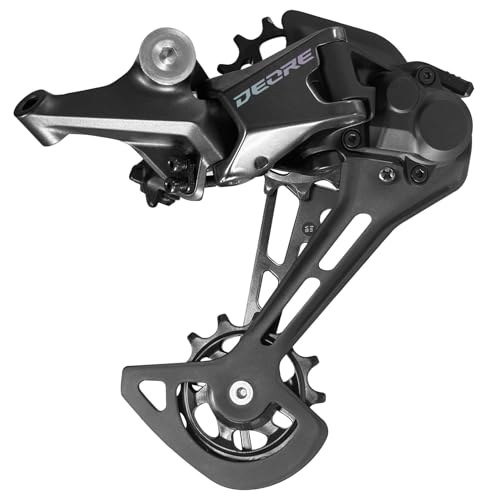
The drivetrain includes the shifter, rear derailleur, cassette, chain, and crankset. Wider range cassettes make steep climbs easier, and a single chainring setup keeps shifting simple. Cheaper derailleurs work well for casual riding, while higher end parts shift more crisply under load and last longer in mud.
Replace the chain regularly, because a worn chain wears the cassette and chainring. Upgrading a single part, such as the rear derailleur, can improve shifting if the rest of the drivetrain is in good condition and the speeds match.
Wheels and Tires
Tires are the cheapest way to change how a bike grips and rolls. Wider tires with aggressive knobs grip well on loose ground but roll more slowly, while narrower tires with lower knobs roll fast on hard packed trails. Check the size marking on your current tire, such as the wheel diameter and width, and make sure a new tire fits your frame and fork with room to spare.
Tubeless setups reduce flats but need compatible rims and sealant. Whichever you choose, keep pressure suited to your weight and terrain, and check for cuts and worn knobs often.
Cockpit: Handlebars, Stems, Grips, and Saddles
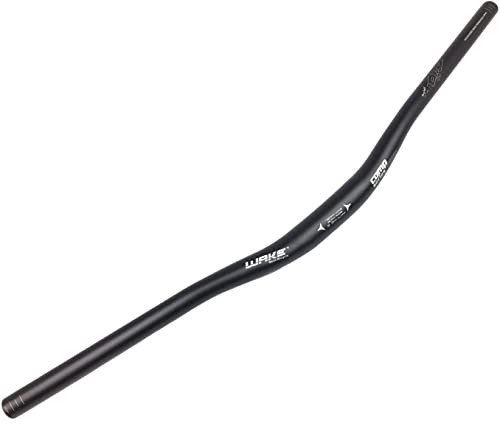
Handlebar width and rise change how the bike steers and how your shoulders feel. A shorter stem makes steering quicker and shifts weight back, which helps on steep descents, while a longer one stretches you out for climbing. Confirm the clamp diameter on both parts so they fit together.
A saddle should suit your sit bones and riding position. Padding and shape matter more than weight, and a saddle that works on the road may not suit off-road riding, where you move around on the bike. Take a short ride after any change, then adjust height and angle in small steps.
Pedals
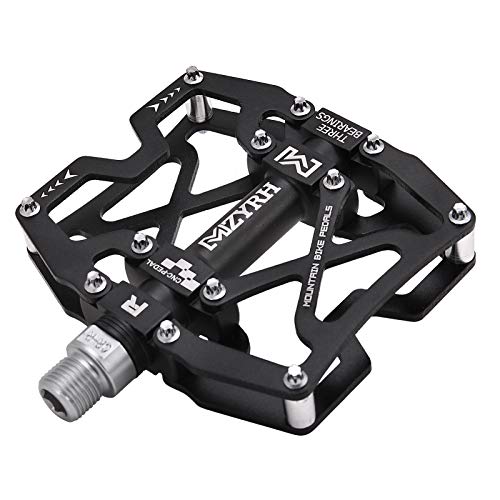
Flat pedals with a wide platform and replaceable pins suit most riders and are easy to learn on. Clipless pedals connect shoe and pedal for efficiency but need compatible shoes and practice. Check the spindle thread size, which is 9/16 inch on most adult bikes, and choose sealed bearings for longer life in mud and dust.
Where to Spend First
Start with the parts that affect safety and control: tires, brake pads, and brakes. Next, improve contact points such as grips, saddle, and pedals, which change comfort on every ride. Drivetrain and suspension upgrades cost more and make sense once the basics are sorted and you know what limits your riding.
A modest budget goes further when spent on one meaningful change at a time. Replace a part, ride the bike for a few weeks, and decide whether the next step is worth it. For a broader plan, our guide to the best mountain bike components to upgrade goes through upgrade priorities.
Matching Parts to Your Riding Style
Cross country riders chase low weight and efficient climbing, so they favor light tires, wide range cassettes, and narrow, fast rolling parts. Trail riders want a balance, with reliable brakes, grippy tires, and a comfortable cockpit. Downhill and enduro riders put strength first, choosing heavier, more durable wheels, stronger brakes with large rotors, and wide handlebars for control.
Be honest about your own riding. Most weekend riders gain far more from correct fit and fresh consumables than from the lightest or most expensive parts.
Common Mistakes
- Buying a part without checking the axle, mount, or clamp standard.
- Mixing gear speeds in a drivetrain.
- Upgrading expensive parts while tires and brake pads are worn out.
- Fitting rotors or tires too large for the frame and fork.
- Skipping a safety check after installing brakes or wheels.
Care and Safety
Clean the bike after muddy rides, lubricate the chain, and check bolts with a torque wrench to the maker's values. Inspect rotors, pads, hoses, and tires regularly, and replace parts that show cracks or heavy wear. If the brakes feel soft, a wheel wobbles, or a fork leaks oil, stop riding and ask a bike mechanic to inspect the bike before the next ride.
Mountain Bike Component Questions
Which mountain bike component should I upgrade first?
Tires and brake pads are the best first changes, since they improve grip and stopping power for little money. Brakes come next if you ride steep or wet terrain.
How do I know if a part is compatible?
Check wheel size, axle type, brake mount, clamp diameter, and gear count against your bike's specifications. When in doubt, ask a local bike shop to confirm.
Are expensive components worth it?
They can be for frequent riders, because better parts are lighter, smoother, and last longer. For casual riding, mid priced parts with correct fit usually give most of the benefit.
Can I install components myself?
Many parts, such as pedals, grips, saddles, and tires, are easy to fit with basic tools. Brakes, bearings, and drivetrain work are easier with experience, and a mechanic can help with the first install.
How often should I replace components?
It depends on use. Pads, chains, and tires wear first, while handlebars, stems, and frames last for many years if they are not damaged.
Final Thoughts
Check compatibility first, then fix safety critical parts such as brakes and tires, then improve comfort and drivetrain performance one step at a time. The best components for mountain bike use are the ones that fit your bike and match how and where you ride. Compare examples in the product table above, and confirm the standards before you buy.