Best Complete Scooters in 2026: Which Type Is Right for You?
Disclosure: We may earn a commission when you buy through links on this page, at no extra cost to you. As an Amazon Associate I earn from qualifying purchases. Learn more
Complete scooters ready to ride: compare kids, beginner, all around and pro stunt types by size, safety, materials and value.
A best complete scooters choice can feel confusing, because complete scooters differ in deck size, wheel size, bar height, and build strength. The comparison table below gives you a quick side by side view, while this guide explains each type in plain terms. A complete scooter arrives ready to ride, so you do not need to match parts yourself.
The right type depends on rider age, skill, height, and where you plan to ride. A small light scooter suits a young beginner, while a stronger scooter with larger wheels suits an older rider at a skatepark. Work through size, safety, materials, and value before you decide.


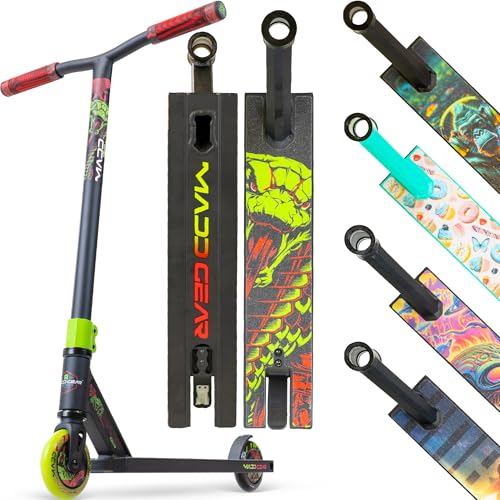
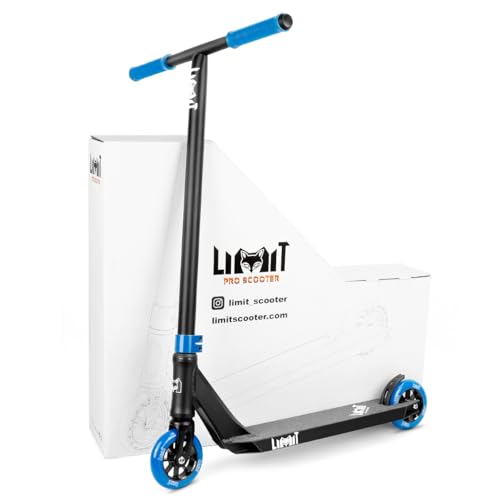
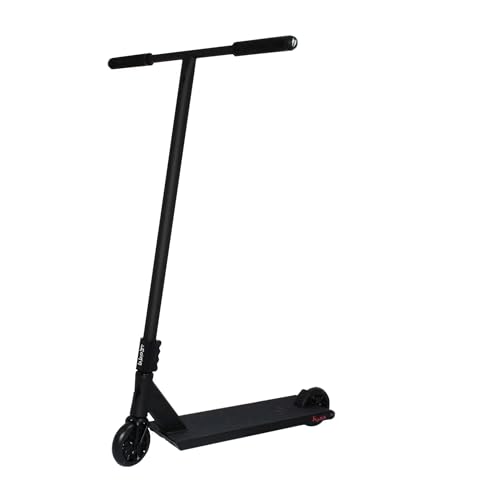
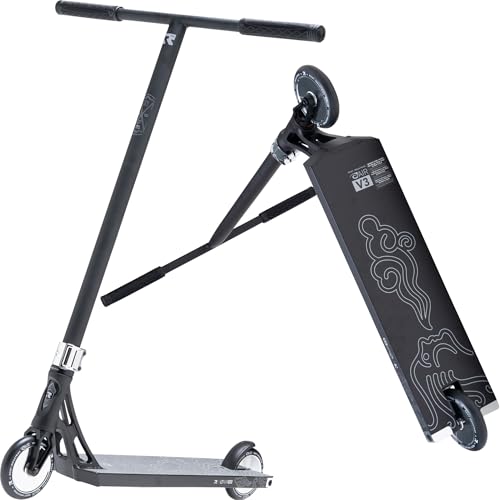
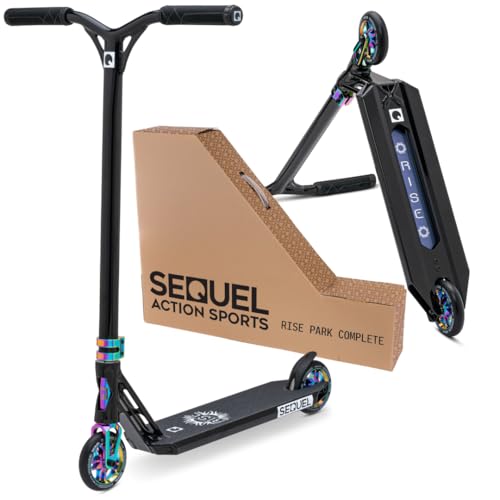

Types of Complete Scooters Compared
The table below compares the four main types by rider, strengths, limits, and typical price. Use it to narrow your search, then read the type sections for fit and safety details. Prices are only a guide, because build quality can shift value within each type.
| Type | Best For | Pros | Cons | Typical Price |
|---|---|---|---|---|
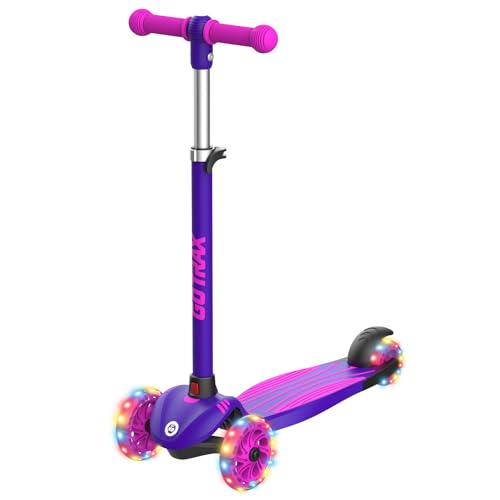
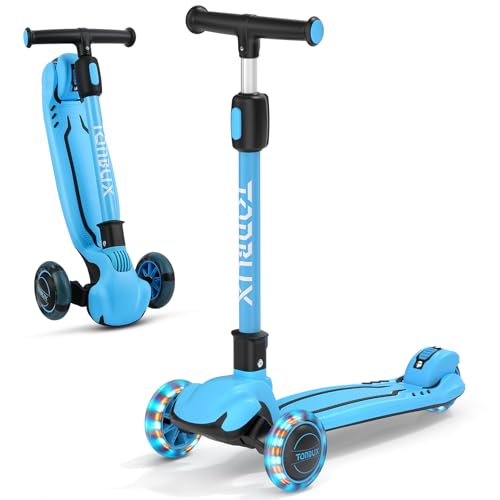
| Kids and youth options | Young new riders | Light, easy to control, lower bars | Outgrown quickly, lower weight limit | About $50 to $120 |
| Beginner options | New riders of any age | Stable, forgiving, simple setup | Less speed, basic parts | About $80 to $160 |
| Intermediate and all around options | Regular riders | Balanced strength and weight | May need upgrades later | About $140 to $260 |
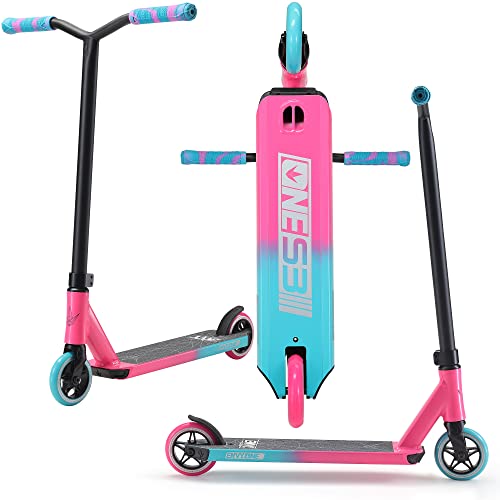
| Advanced and performance options | Skilled park and street riders | Strong, responsive, durable parts | Heavier, higher cost, less forgiving | About $240 to $450 |
Kids and Youth Options
Kids and youth scooters use smaller decks, lower bars, and lighter frames so young riders can steer and carry them with ease. Wheels are often smaller, which keeps the ride stable at low speed and helps new riders learn balance. These scooters suit driveways, sidewalks, and smooth school yards, but they may feel cramped as a child grows taller.
Check the stated weight limit and bar height range before you buy, and leave room for growth without choosing a scooter that is hard to control now. Look for a wide deck, a simple brake, and grips that fit small hands.
Beginner Options
Beginner scooters focus on stability and forgiveness. They usually have a medium deck, a comfortable bar height, and wheels that roll smoothly on flat ground. This type suits teens and adults who are new to scootering, as well as returning riders who want an easy ride without a steep learning curve.
Beginner models suit fun and short trips. They cost less than performance models, but they may use simpler bearings and clamps that wear faster under hard use. If you plan to learn tricks, choose a beginner model with a stronger deck and a standard clamp size.
Advanced and Performance Options
Advanced scooters use stronger decks, stiffer bars, and larger wheels for park and street riding. They handle higher impacts, faster turns, and repeated landings better than basic models. Riders who already know core tricks will notice better response, tighter steering, and less flex during hard moves.
These scooters cost more and can feel heavier, so they are not ideal for a first ride. Choose this type only if you ride often, understand basic maintenance, and want a scooter that can grow with your trick list.
Intermediate and All Around Options
Intermediate scooters sit between beginner comfort and advanced strength. They suit riders who ride several times a week, mix street and park use, and want room to progress. Decks are usually wider than beginner models, bars are taller, and parts are stronger without the full weight of a pro model.
This type is often the best value for a rider who has outgrown a first scooter but is not ready for a top level build. It can handle light tricks and daily rides. If you are unsure about your level, an all around model gives you more headroom than a basic beginner scooter.
Kids and Youth Options Versus Beginner Options: Which Should You Choose?
Choose a kids and youth model when the rider is small, light, and still learning balance. Choose a beginner model when the rider is taller, stronger, or likely to ride often. Size matters most here, because a bar that is too high makes steering awkward, while a deck that is too small makes footing cramped.
Also compare weight limit, wheel size, and growth room. A kids model may last only one or two seasons for a fast growing child, while a beginner model with an adjustable bar can last longer. For a first scooter for a younger rider, our guide to the best beginner scooter explains sizing and safety checks in more detail.
How to Choose the Right Complete Scooter
Use the five factors below as a checklist. Start with skill and use, then check safety, value, size, and materials.
Skill Level and Intended Use
Match the scooter to how and where you ride, because the best complete scooters differ by rider and terrain. Smooth sidewalks and short trips need less strength than skatepark sessions and street tricks. Beginners should favor stability, while skilled riders should favor strength and response.
Safety and Certifications
Check maker safety guidance and any stated certifications for the frame, fork, and wheels. Wear a helmet and protective gear, especially when learning tricks or riding at speed. Inspect brakes, grips, and clamps before each ride. Keep small parts away from children, and supervise young riders until they can stop and steer with control.
Value and Included Accessories
Compare what comes in the box, not only the headline price. A complete scooter should include the deck, bars, fork, wheels, bearings, brake, and grips, but tools and spare parts may vary. A slightly higher price can be good value if it buys stronger wheels or a sturdier clamp.
Size, Weight, and Fit
Bar height should let the rider stand upright with a slight bend in the arms, not hunched over or reaching up. Deck width should fit both feet with room to shift weight, while deck length affects stability at speed. Lighter scooters are easier to carry and lift for tricks, but very light builds may flex more under heavier riders. Use maker size charts as a guide, then allow for shoes, growth, and personal taste.
If you ride with a board as well, our guide to the best complete skateboards shows how deck width and wheel size choices change across ride types. For scooters, keep the focus on bar height and deck fit.
Materials and Construction
Deck material affects weight, strength, and feel. Aluminum decks are light and common, steel parts add strength but also weight, and composite parts can damp vibration on smooth ground. Check how the deck joins the fork and whether the headset feels smooth without play.
Also check wheel hardness and size. Larger wheels roll over cracks more easily, while smaller wheels accelerate faster and suit tricks. Softer wheels grip better on smooth ground, while harder wheels last longer on rough surfaces.
Care and Maintenance Tips
Store your scooter out of direct sun and extreme heat, and clean and dry it after outdoor use. Check wear before each use, especially wheels, grips, brake pads, and clamp bolts. Replace worn wheels or grips promptly, because uneven wear can change balance and braking.
Inspect the deck and fork for cracks after hard impacts, and stop riding if you find damage. Tighten bolts to maker guidance, but avoid overtightening, which can strip threads. For headset care, our guide to the best scooter headsets explains how a smooth headset affects steering.
Frequently Asked Questions About Complete Scooters
How Long Does a Complete Scooter Last?
A complete scooter lasts as long as its weakest wearing part, which is often wheels, grips, or bearings. Light casual use can last several years, while daily park use can wear parts in months. Regular checks and dry storage extend life a lot. If the deck or fork cracks, stop riding and replace that part.
Is It Worth Buying Premium as a Beginner?
Premium is worth it for a beginner only if the fit is right and the extra strength matches your riding plans. A premium scooter can feel heavier and less forgiving, which may slow early learning. Most beginners do better with a stable midrange model that leaves budget for a helmet and protective gear.
Does Indoor Versus Outdoor Riding Matter for a Scooter?
Indoor versus outdoor riding matters mainly for wheel choice, grip, and wear. Smooth indoor floors suit smaller, harder wheels, while outdoor paths need larger wheels that roll over cracks. Outdoor riding also exposes bearings to dust and moisture, so cleaning matters more after every outdoor session, and worn bearings should be replaced promptly.
What Size Complete Scooter Should I Get?
Get a size that lets you stand upright with a slight arm bend and both feet secure on the deck. Use maker height and weight charts as a starting point, then adjust for shoe size and growth. A bar that is too tall makes steering slow, while a bar that is too low forces a hunched stance.
Can I Upgrade Parts on a Complete Scooter Later?
You can upgrade many parts later if the scooter uses standard sizes for wheels, bars, clamps, and headsets. Wheels, grips, and bearings are the easiest first upgrades, while decks and forks need closer fit checks. Keep the original part sizes noted, so new parts match axle width, bar diameter, and headset type.
Wrapping Up
The best choice comes down to fit, skill level, and where you ride. Start with a type that matches the rider, check bar height and deck size, then compare safety, materials, and value.
Use the product table above to shortlist types, then confirm size and safety details for your final pick. When you find a best complete scooters option that fits well, feels stable, and uses parts you can replace, you have a solid basis for many enjoyable rides.