
Best Companies for Smartwatches for 2026 Compared: Strengths, Weak Spots, Value
Disclosure: We may earn a commission when you buy through links on this page, at no extra cost to you. As an Amazon Associate I earn from qualifying purchases. Learn more

Compare the best companies for smartwatches side by side: who leads on quality, who offers the best value, and which brand fits your needs and budget.
Smartwatch brands make similar promises about health tracking, bright screens, and long battery life, yet the ownership experience varies widely. App quality, update support, and phone compatibility decide whether a watch stays useful or becomes drawer clutter. This guide compares the best companies for smartwatches by use case first, so you can match a brand to your phone, your training, and your budget with confidence.
Your phone is the starting point. Some watches work only with one phone system, while others support both major systems with a few feature limits. Battery life also splits the field, from one day flagships to training watches that run for weeks. The product table at the top of the page shows current options, and the sections after it explain which brand strengths matter for your daily routine.



What Makes a Great Smartwatch Brand?
A great smartwatch company delivers on four things you can verify before buying. It supports its software with updates for several years, not just at launch. It publishes honest battery estimates for GPS use and everyday use, since those numbers differ a lot. It offers clear warranty terms, screen repair pricing, and reachable support in the United States. And it maintains a healthy app store and watch face library, because a smartwatch is a small platform, not just a piece of hardware.
Sensor accuracy is the fifth test. Heart rate, sleep, and location data should stay consistent during steady exercise and daily wear. No wrist device matches medical grade equipment, so treat readings as trends for training and habit building. If a brand hides its sensor limits or locks your own health data behind a required paid plan without saying so clearly, consider that a warning sign and compare its rivals more closely.
Smart Movement vs Traditional Movement
Traditional movement terms still help you place smartwatches in context. Quartz watches run on a battery with excellent accuracy and almost no upkeep. Automatic watches wind from wrist motion and need periodic service. Solar models charge from light and suit outdoor routines. Smart watches are small computers with rechargeable cells, app support, and sensors. They do the most, but they also age the fastest, since software support ends years before a classic movement wears out.
Smart and Fitness Features
Useful smart features include GPS for route tracking, heart rate and sleep trends, contactless payment, and quick replies to messages. Fitness focused brands add training load, recovery guidance, and detailed sport modes. Battery cost rises with each always on sensor, so turn off what you do not use. Remember that health features support awareness only. If readings worry you or symptoms appear, see a doctor rather than trusting wrist data for medical decisions.
Features That Matter for Smartwatches
Prioritize screen readability outdoors, case size that fits your wrist, and water resistance that matches your swimming or shower habits. A sapphire crystal or strong glass protects the display you touch all day. Quick release strap fittings let you swap sport and leather bands in seconds. Check case diameter and weight before buying, because a large training watch can annoy smaller wrists during sleep tracking and desk work. Storage for music matters if you run without your phone.
Top Brands at a Glance
The product table above gives you prices and headline features at a glance. The brand profiles below explain the ownership story behind those numbers, including each company's strength, its main weakness, and who should short list it. Prices span from under $100 for basic trackers in watch form to about $300 to $800 for flagship and outdoor models. For a wider product level view before you settle on a brand, browse our roundup of the best of smartwatches across the main categories.
Apple
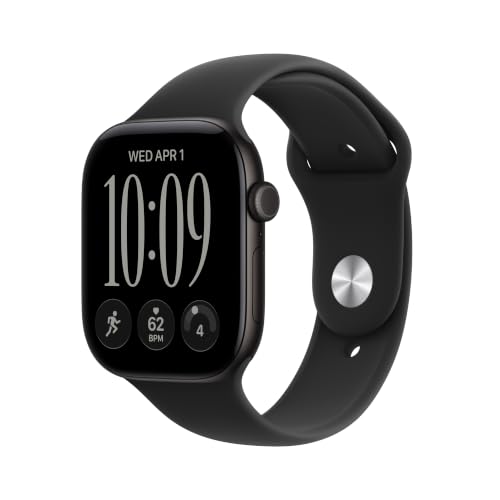
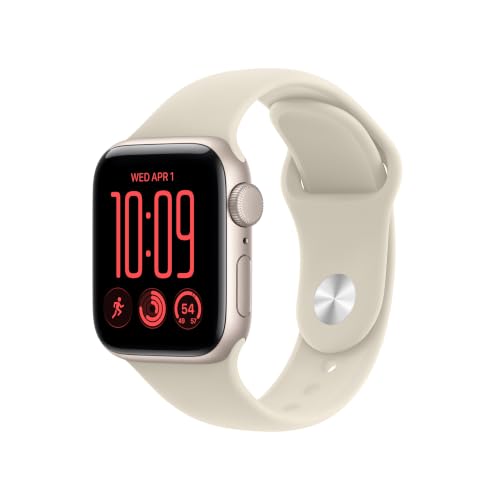
Apple sets the standard for iPhone owners, with the smoothest phone pairing, a huge app library, strong safety features, and fast performance. Its health and fitness tools suit everyday users and serious runners alike. The limits are clear though. The watch works only with iPhone, battery life sits near one to two days on most models, and total cost rises with cellular plans and bands. Choose Apple when you live in its phone ecosystem and value polish over battery endurance.
Samsung
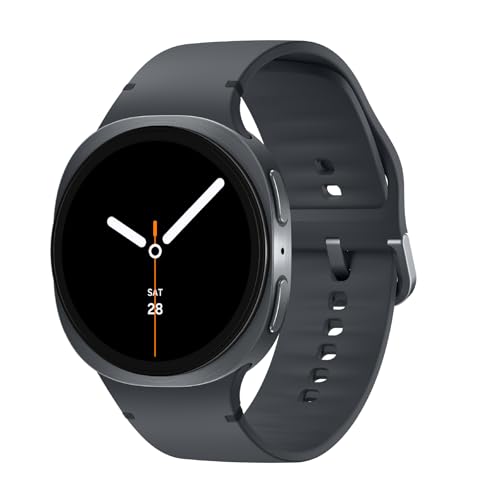
Samsung is the leading full featured option for Android phones, offering bright displays, solid health tracking, and deep integration with Samsung phones plus good support for other Android brands. Its strength is balance, since calls, apps, fitness, and style all work well in one watch. Battery life still trails sport focused rivals, and a few health features work best when paired with a Samsung phone. Samsung suits Android users who want one watch for work, workouts, and weekends.
Garmin
Garmin leads for training and outdoor use. Its watches deliver long battery life, excellent GPS accuracy, detailed sport metrics, and buttons that work with gloves and wet hands. Many models add solar charging for extended trips. The trade off is a less elegant app experience, fewer casual smart features, and higher prices on advanced lines. Garmin fits runners, cyclists, hikers, and triathletes who train several times a week. Men comparing training focused options can dig deeper in our guide to the best men's smartwatches for sport and daily wear.
Fitbit
Fitbit, now part of Google, focuses on accessible health tracking, friendly sleep insights, and slim comfortable designs at lower prices. Its app presents trends in plain language, which helps people building new habits instead of chasing race data. Weaknesses include a smaller app library, some insights placed behind a subscription, and less rugged hardware than outdoor brands. Fitbit suits walkers, gym beginners, and anyone who values comfort and clear health summaries over advanced training tools.
Amazfit
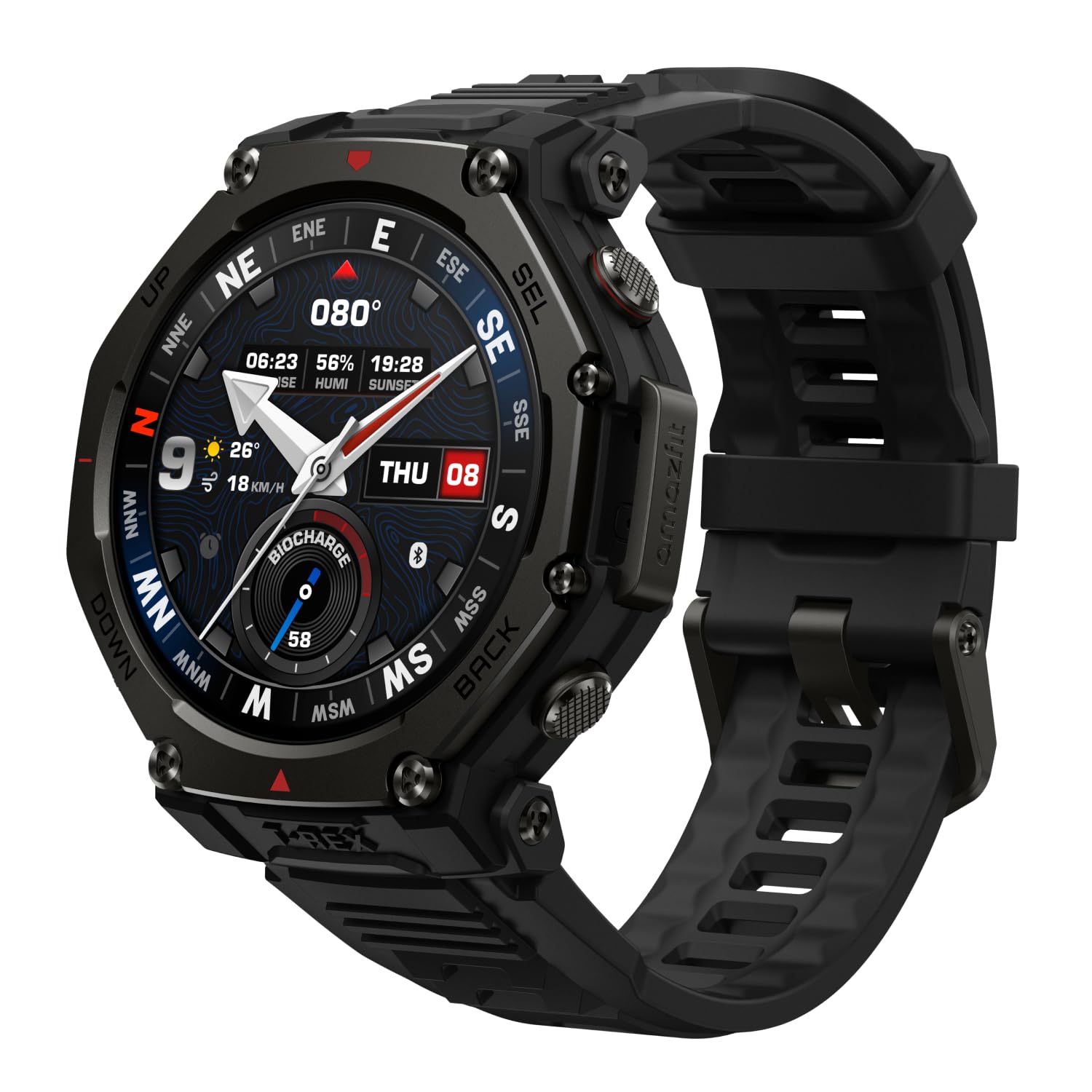
Amazfit competes on value, offering bright screens, GPS, and battery life measured in weeks rather than days at prices well below the flagship brands. It supports both major phone systems, which helps households with mixed devices. The compromises are a thinner app store, less polished voice features, and support that can feel distant compared with larger rivals. Amazfit fits budget minded buyers who want core tracking without subscription pressure. Women comparing lighter designs and strap sizes may also find our guide to the best women smartwatches helpful for fit notes.
How to Choose Between Brands
Start with compatibility, because the finest watch loses key features on the wrong phone. iPhone owners who want full replies and app depth usually land on Apple, while Android owners split between Samsung for smart features and Garmin for training. If you already own a phone from one brand, check our guide to the best iphone smartwatches for pairing details before assuming any watch unlocks every feature.
Next, rank battery life against screen quality, since you rarely get the best of both. Decide which health metrics you will review weekly, confirm the warranty and return window, and add the cost of a spare charger and extra straps. Athletes comparing training brands should also read our guide to the best smartwatches fitness buyers use for running and gym work, where GPS and heart rate consistency matter most.
Frequently Asked Questions
Quartz or automatic: which is better?
Neither replaces a smartwatch, but the comparison helps set expectations. Quartz and automatic watches run for years with minimal attention and no nightly charging, while a smartwatch needs power every few days at most. Choose a classic watch for longevity and simplicity. Choose smart when notifications, GPS routes, and health trends will shape your week. Some owners keep a quartz watch for formal days and wear smart the rest of the time.
How long does a watch battery last?
Expect about one to two days from full featured flagship smartwatches with bright always on screens, five to fourteen days from balanced models, and several weeks from training watches with simpler displays. GPS workouts and cellular calls drain power fastest. A useful habit is charging during your morning shower or desk hour, which keeps the battery in a healthy middle range and means the watch is ready for sleep tracking each night.
What case size fits my wrist?
Most smartwatches come in two sizes, roughly 40 to 42 mm and 44 to 47 mm. Smaller wrists under about 6.5 inches usually find the smaller case more comfortable for sleep and typing, while larger wrists can handle bigger screens that show maps and stats more clearly. Thickness matters as much as diameter, since a tall case catches on sleeves. Try the watch with your usual shirt cuff before removing the return tags.
How water resistant should a watch be?
Look for a 5 ATM rating if you shower or swim in a pool with your watch, since that covers surface swimming and daily splashes with margin. Ocean swimming and hot tubs add pressure and heat stress, so rinse the watch in fresh water afterward and avoid pressing buttons underwater. No smartwatch suits diving unless it carries a specific dive rating. Check the brand care page, because soap and sunscreen can degrade seals and straps over time.
Is a smartwatch worth it over a classic watch?
It is worth it when the data changes your behavior, such as training plans built on GPS pace, sleep routines improved by consistent tracking, or safety features for solo runs. It is not worth it if notifications add stress or you resent charging another device. A practical way to decide is to track your steps and workouts with a free phone app for a month first. If you check those stats daily, a wrist device will likely earn its place.
Final Thoughts
Match the brand to your phone and your habits. Apple leads for iPhone polish, Samsung balances smart features for Android, Garmin owns serious training, Fitbit keeps health simple, and Amazfit stretches your budget. The best companies for smartwatches all publish clear battery and support terms, so read those pages before you buy. Then compare your finalists in the product table above and choose the watch you will still enjoy wearing a year from now.


