
Best Chamber Vacuum Sealer for 2026: How to Choose One That Fits a Real Home
Disclosure: We may earn a commission when you buy through links on this page, at no extra cost to you. As an Amazon Associate I earn from qualifying purchases. Learn more
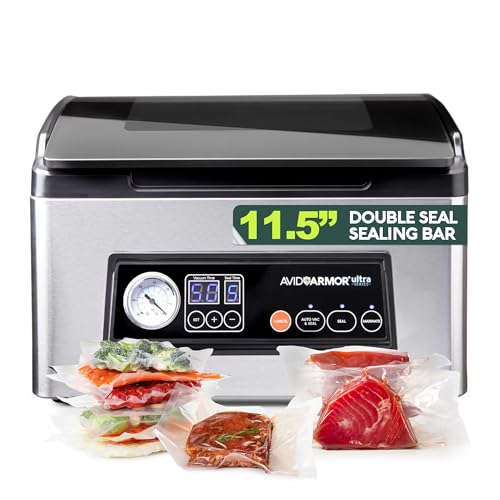
Choosing a chamber vacuum sealer for home use: chamber size, vacuum strength, pouch costs, sealing liquids, and counter space.
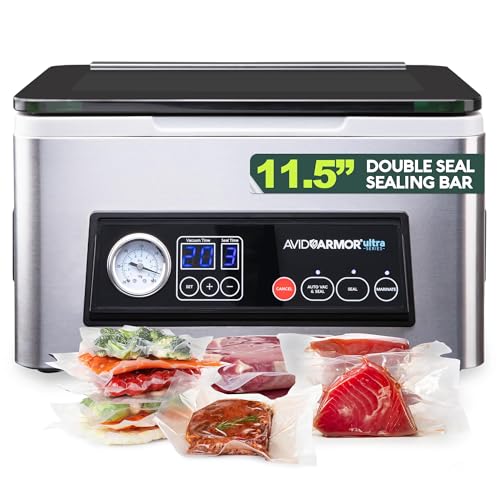
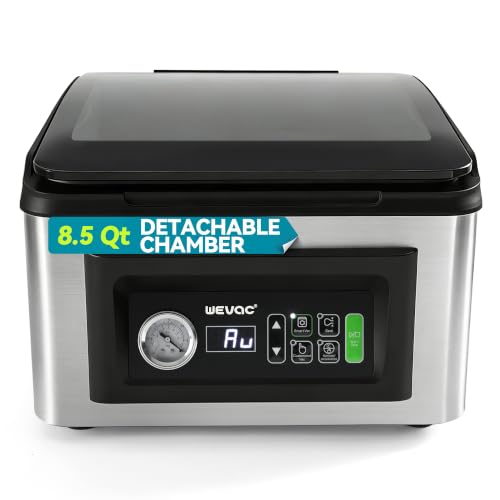
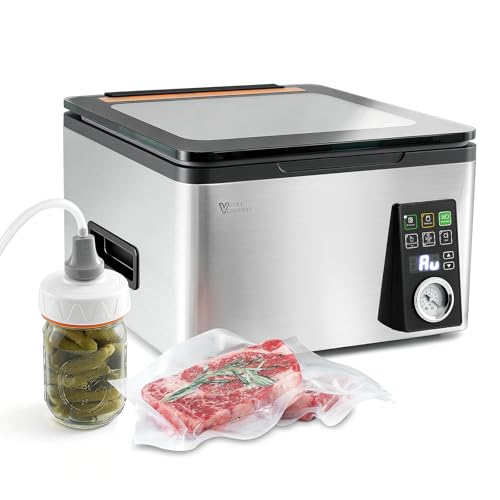
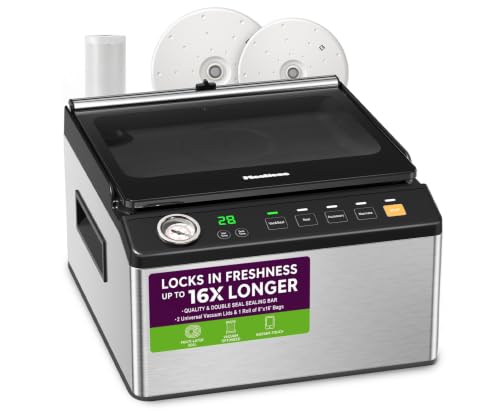
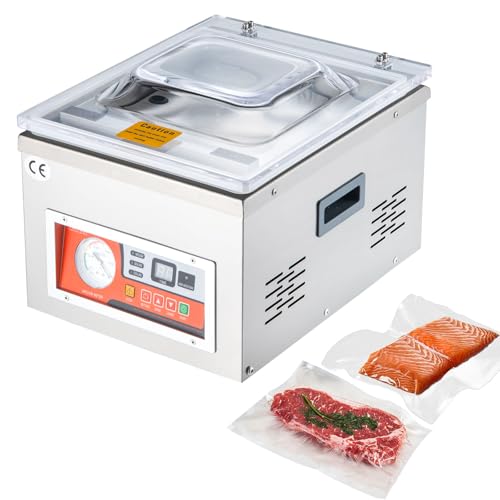
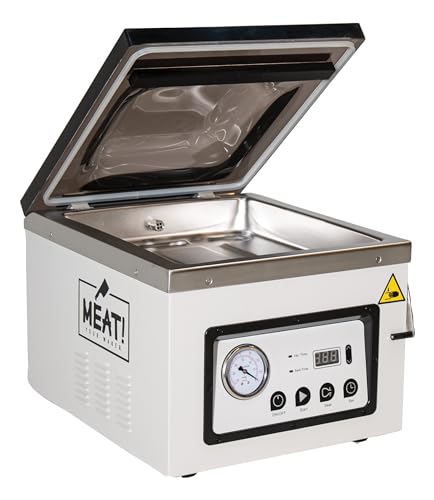
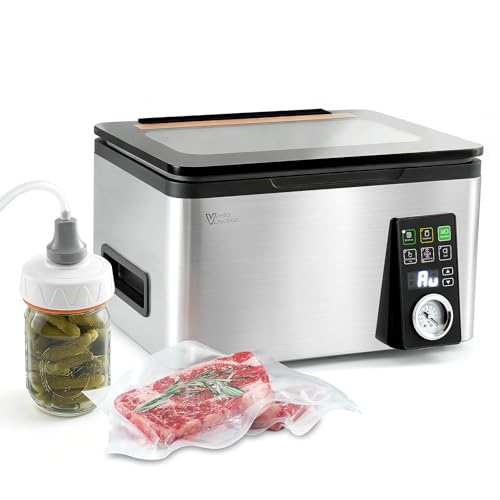
A freezer full of garden vegetables, a bulk pack of chicken, and a pot of soup you want to save for next week all point to the same problem. External sealers struggle with liquids, and they can leave enough air behind to shorten storage life. A best chamber vacuum sealer solves that by removing air from the whole chamber around the pouch, so pressure stays even and wet foods seal cleanly. The comparison table below gives you a quick view of the sizes and types to expect.
This guide focuses on what matters in a real home: how much counter space the machine takes, how many people you cook for, and how often you will actually use it. You will find clear advice on chamber size, vacuum strength, pouch costs, and daily upkeep, with no confusing extras.


Quick Answer: What a Chamber Sealer Does Best
A chamber sealer places the entire pouch inside a sealed box, then a pump draws air from the box and the pouch at the same time. Because the air pressure inside and outside the pouch stays equal, liquids stay in place instead of being pulled toward the seal bar. Once the vacuum is reached, the bar seals the pouch and air returns to the chamber.
- Best for liquids, marinades, soups, and soft foods that crush easily
- Uses smooth, low cost pouches instead of textured rolls
- Seals many portions in a row with consistent results
- Takes more counter space and costs more than an external sealer
Before You Buy: A Checklist for Choosing a Chamber Vacuum Sealer
Chamber models look similar in photos, yet small differences in chamber depth, pump type, and seal bar length decide whether a machine suits your kitchen. Work through the points below before you compare prices.
Which Sealer Type Fits Your Routine
Chamber sealers are the right choice when you seal often, work with wet foods, or portion large batches for the freezer. External sealers suit occasional use and take less space, while small handheld units only handle light jobs in special bags. If you are still weighing chamber models against simpler options, our guide to the best vacuum sealer covers the broader field in one place. Be honest about frequency, because a chamber machine only earns its space when you reach for it every week.
Chamber Size and Pouch Size
The chamber must fit your largest regular item with room for the pouch opening to lie flat on the seal bar. Measure the trays, fish fillets, or roasts you seal most, then check the usable chamber width and depth rather than the outer case size. Depth matters for jars, bowls, and thick cuts. Most home cooks do well with pouches around 8 by 12 inches or 10 by 13 inches, and buying a machine that accepts the next size up gives you flexibility without much extra bulk.
Vacuum Strength and Seal Quality
A strong, steady vacuum matters more than a long list of settings. Look for a clear vacuum level control, a seal time adjustment for thicker pouches, and a cooling pause so the seal bar does not overheat during long batches. Oil pumps tend to pull a deeper vacuum and handle heavy use well, while dry pumps need less upkeep and suit lighter routines. A good seal looks even and clear across the full width, with no wrinkles or channels where air can creep back in.
Features Worth Paying For and Ones to Skip
Useful extras include a marinate cycle that speeds up flavor absorption, a gentle setting for soft foods, and an accessory port for canisters. A clear lid helps you watch liquids rise and stop the cycle in time. Skip features you will rarely touch, such as many preset food programs or a large roll holder, since chamber machines use precut pouches. If you seal delicate items often, an adjustable vacuum level is worth more than any preset. Simple controls you understand at a glance beat crowded panels in daily use.
Power, Noise, and Safety
Most home chamber models draw enough power to need a normal kitchen outlet with nothing heavy sharing the circuit. Oil pump models often run quieter than you might expect, though the release of air at the end of each cycle makes a short hiss. Choose a model with a recognized safety listing such as UL or ETL, a lid that will not slam shut, and stable feet. Keep the cord clear of wet counters, and never run the pump with the chamber blocked or the lid held down by hand.
Counter Space and Storage
These machines are wide, deep, and heavy, often weighing as much as a small microwave or more. Measure the counter run and the space under your cabinets, and remember the lid needs room to open fully. Many owners give the sealer a fixed home on a sturdy cart or a pantry shelf rather than lifting it in and out of a cupboard. If you must store it away, check the weight honestly against your willingness to move it, because a sealer that stays hidden rarely gets used.
Realistic Budget Ranges
Most home chamber models sit at about $250 to $600, while larger and faster models can reach about $600 to $1,200. The lower end suits weekly family use with a dry pump and a modest chamber. Paying more usually brings an oil pump, a wider seal bar, and a sturdier case rather than a different basic result. Set aside a little of the budget for pouches, a spare gasket, and seal tape, since those small costs arrive in the first year of regular use.
Three Buying Profiles and What to Prioritize
Instead of chasing a single winner, match the machine to the way your household actually cooks and shops. These three profiles cover most home buyers.
Small Households That Seal Every Week
If you cook for one or two people and seal leftovers, coffee, cheese, and portions of meat each week, favor a compact chamber, simple controls, and a dry pump that needs little attention. You do not need the widest seal bar, but you do need a lid that opens in tight spaces and pouches in small sizes so you waste less film. A quiet cycle helps in open plan kitchens where the machine runs near living space.
Hunters, Gardeners, and Bulk Meat Buyers
Batch work rewards a wide chamber, a strong pump, and a seal bar that stays cool across dozens of cycles. If you process game, portion ground meat, or freeze a large harvest, cycle speed and pouch capacity matter more than extra programs. Readers who handle big hauls can also see our guide to the best vacuum sealer for meat for portioning and freezing tips that pair well with a chamber machine.
Sous Vide Cooks and Liquid Heavy Kitchens
If you cook sous vide often, you need reliable seals that hold through long baths and enough vacuum control to keep marinades in the pouch. Chamber sealing also lets you compress fruit, pickle vegetables quickly, and portion sauces flat for fast thawing. For more on matching a sealer to water bath cooking, see our guide to the best vacuum sealer for sous vide. Choose adjustable seal time, because thin sauces and thick cuts need slightly different settings.
Chamber Sealers Versus External Sealers: What Changes at Home
The biggest daily difference is liquids. An external sealer pulls air from the pouch only, so soup and marinade travel toward the opening and can spoil the seal. A chamber machine keeps pressure even, so wet foods stay put and seal cleanly. Chamber pouches also cost less per bag than textured rolls, which adds up when you seal hundreds of portions a year.
External sealers still win on size, weight, and purchase price, and they handle very long items by sealing a roll cut to length. A chamber machine limits you to items that fit inside the box. If you are still deciding whether any sealer earns its space, our article asking is a vacuum sealer worth it weighs food savings against cost and storage in more detail.
Getting a Good Seal: Basic Use and Settings
Place the pouch inside the chamber with the opening flat across the seal bar and no folds near the edge. Leave headroom so food does not touch the seal area, close the lid, and run a normal vacuum cycle. For liquids, fill the pouch no more than two thirds full and keep it below the seal bar height. For a fuller walkthrough of loading, sealing, and storing pouches, see our guide on how to use a vacuum sealer. Label each pouch with the contents and date before freezing, since frost hides even familiar foods within a few weeks.
Common Mistakes to Avoid
- Buying a chamber that is too small for your largest regular item, which forces awkward folding and weak seals
- Overfilling pouches with liquid, so the contents reach the seal bar and the seal fails in the freezer
- Ignoring pouch thickness, because very thin pouches can puncture on bone edges and let air back in
- Skipping pump upkeep on oil models, which shortens pump life and weakens the vacuum over time
- Storing the machine with the lid latched tight, which compresses the gasket and can cause slow leaks
- Sealing sharp bones or dry pasta without padding, so points push through the pouch during storage
Cost of Ownership and Care
Running costs stay modest. Electricity use per cycle is small, and the main repeat expense is pouches, which you can buy in bulk once you know your two most used sizes. Oil pump models need an oil change on the schedule in the manual, plus an occasional check of the oil level window. Wipe the chamber after each session, wash away spills before they dry, and inspect the gasket and seal bar monthly for nicks or stuck food. Store the lid slightly open, keep spare seal tape on hand, and your sealer should give years of steady service.
Your Questions, Answered
What makes one chamber vacuum sealer brand more reliable than another?
Reliability comes from parts support more than from a name. Brands that sell spare gaskets, seal bars, and pump oil through normal retail channels are easier to keep running for a decade. A clear warranty with service centers near you also matters, because shipping a heavy sealer far for repair is costly. Check that the model you want has a current manual and parts list published, since that signals the maker still supports it.
How do you clean a chamber vacuum sealer after sealing raw meat?
Clean the chamber the same day you seal raw meat. Remove the seal bar if the design allows it, wash it with hot soapy water, and wipe the chamber with a food safe sanitizer, paying attention to the corners where liquid collects. Dry every surface fully before closing the lid, because trapped moisture grows odors and can corrode fittings. Wash your hands and any boards or knives as you would after any raw meat prep.
How long does a chamber vacuum sealer usually last at home?
A well kept chamber sealer often lasts many years of weekly home use. The pump and gasket set the lifespan more than the case, so resting the machine briefly between very long runs of cycles helps it stay cool and consistent. Home users who seal in short weekly batches put far less wear on the pump than hunters who run hundreds of cycles in one weekend, even with the same model.
Are chamber vacuum sealers worth the extra cost over external models?
They are worth it when you seal often enough for pouch savings and fewer failed seals to repay the higher price. A household sealing a few items a month may never recover the difference, while a family freezing bulk meat and batch cooked meals can recover it through lower pouch costs and less food lost to freezer burn. Resale demand for chamber models also stays fairly strong, which softens the cost if your needs change.
Can a chamber vacuum sealer seal liquids and soups without spilling?
Yes, a chamber sealer can seal soups and sauces without drawing liquid into the seal. Chill soup in the fridge first so it thickens, and it will move even less during the cycle. You can also freeze liquid flat in a tray, then seal the frozen block for the neatest result. Leave generous headroom in every pouch, because liquids expand slightly as air leaves the chamber near the end of the cycle.
Can a chamber vacuum sealer seal jars and canisters inside the chamber?
Many chamber sealers can vacuum seal small jars placed inside the chamber with their lids resting loosely on top. When air returns at the end of the cycle, pressure pushes the lid down and forms a seal as the jar cools. This suits dry goods such as spices, nuts, and coffee. Use jars rated for canning, check each lid for a firm seal afterward, and store the contents as the food itself requires.
Final Thoughts
The right machine is the one that fits your counter, your largest regular food, and your weekly routine. Use the product table above to compare chamber sizes and pump types side by side, then check pouch sizes and spare parts before you order. Choose carefully once, care for the pump and gasket, and a best chamber vacuum sealer will quietly cut food waste and freezer clutter for years. Prices and availability can change, so check the product page before ordering.


