
Best Compact Treadmills for Small Spaces: What Actually Matters Before You Buy for 2026
Disclosure: We may earn a commission when you buy through links on this page, at no extra cost to you. As an Amazon Associate I earn from qualifying purchases. Learn more

Use our checklist for the best compact treadmills for small spaces to compare footprint, belt size, noise, motor strength, and build quality before you buy.
Choosing best compact treadmills for small spaces comes down to a short checklist, not the smallest folded size on a sales page. A machine can store easily and still feel cramped, loud, or shaky once you walk on it every day. This guide compares models on footprint, belt room, build, and noise so you can judge fit before you order.
Start with the room you actually have, including ceiling height and the spot where the treadmill will live between workouts. Then compare the options in the comparison table below against your measurements, your stride, and your neighbors below or beside you.

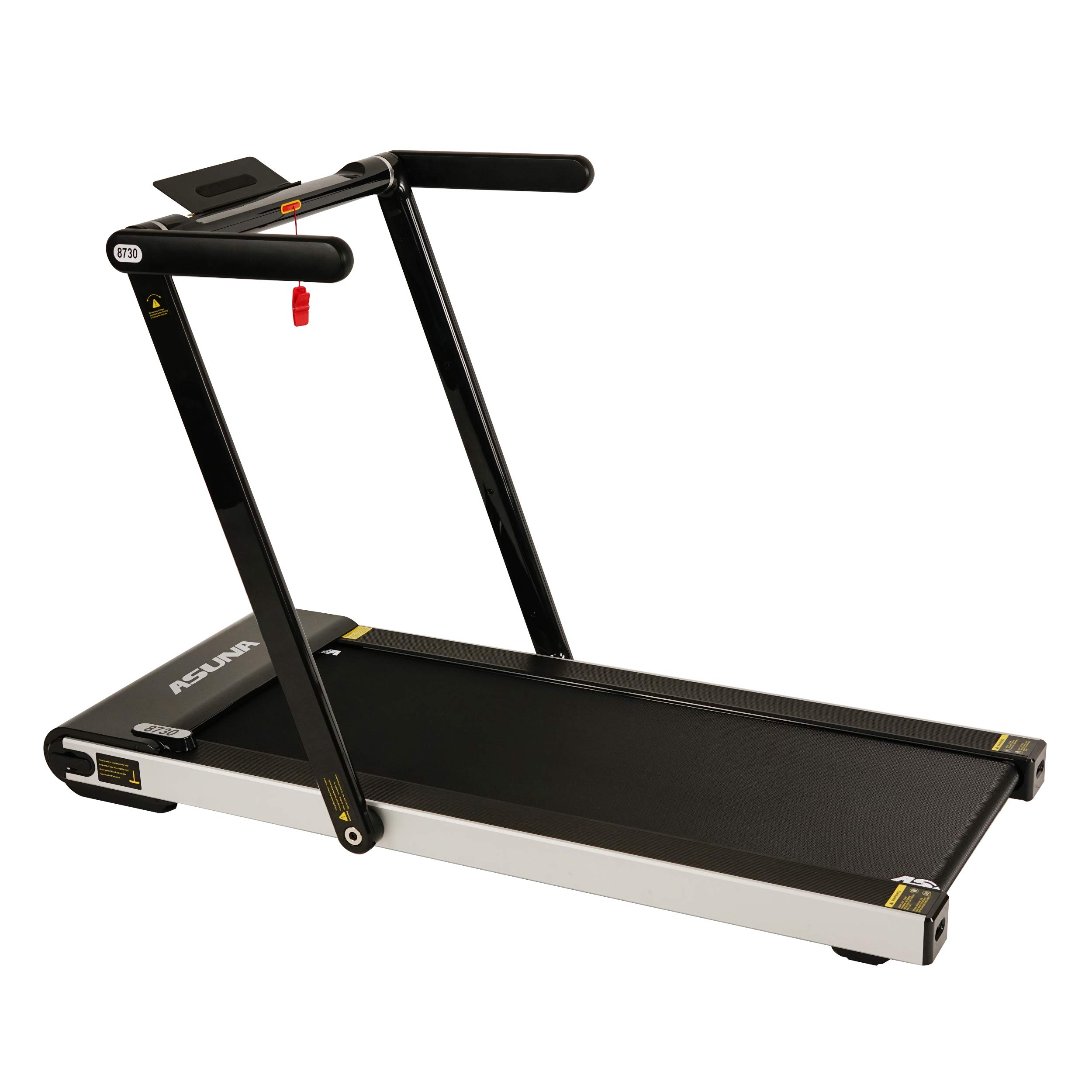
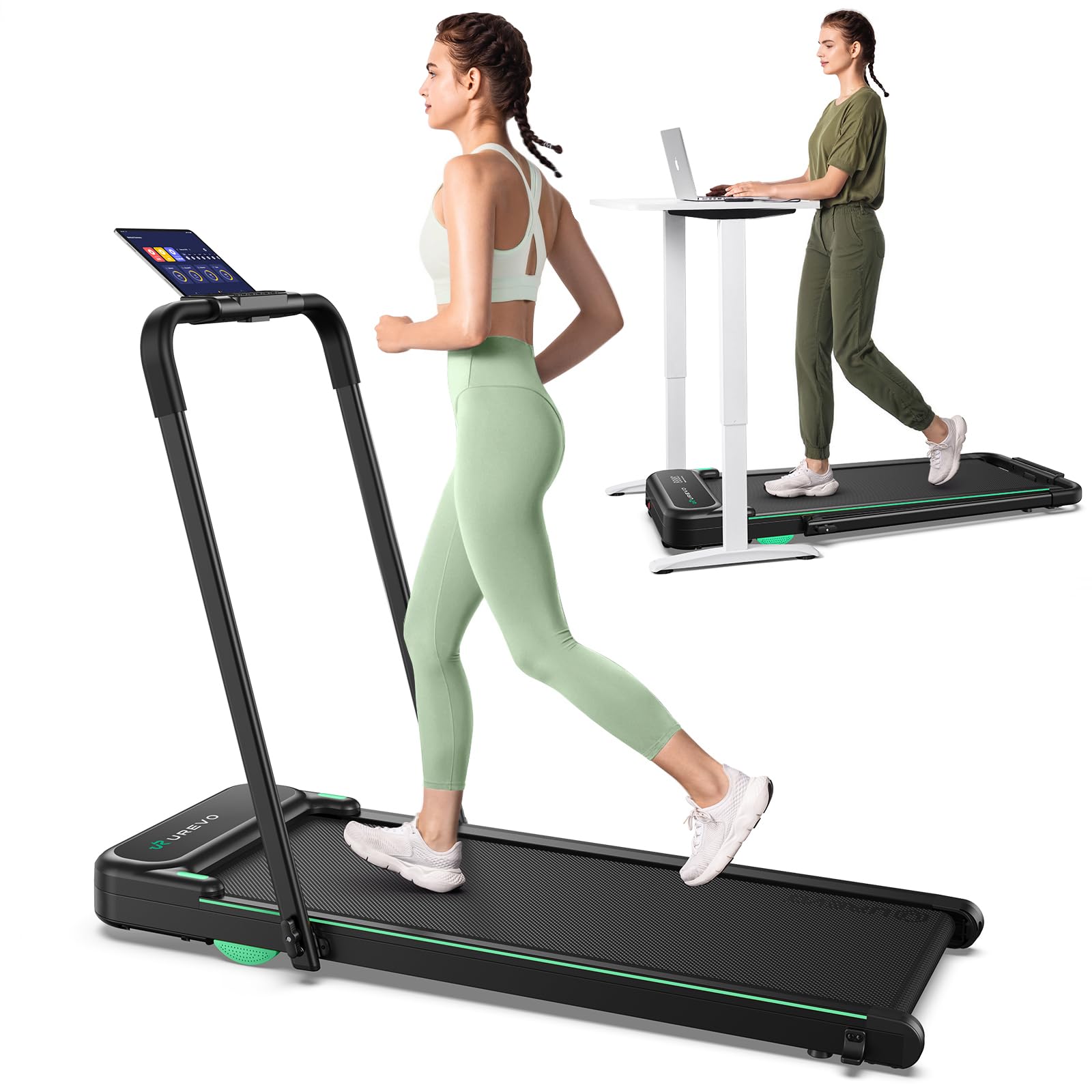

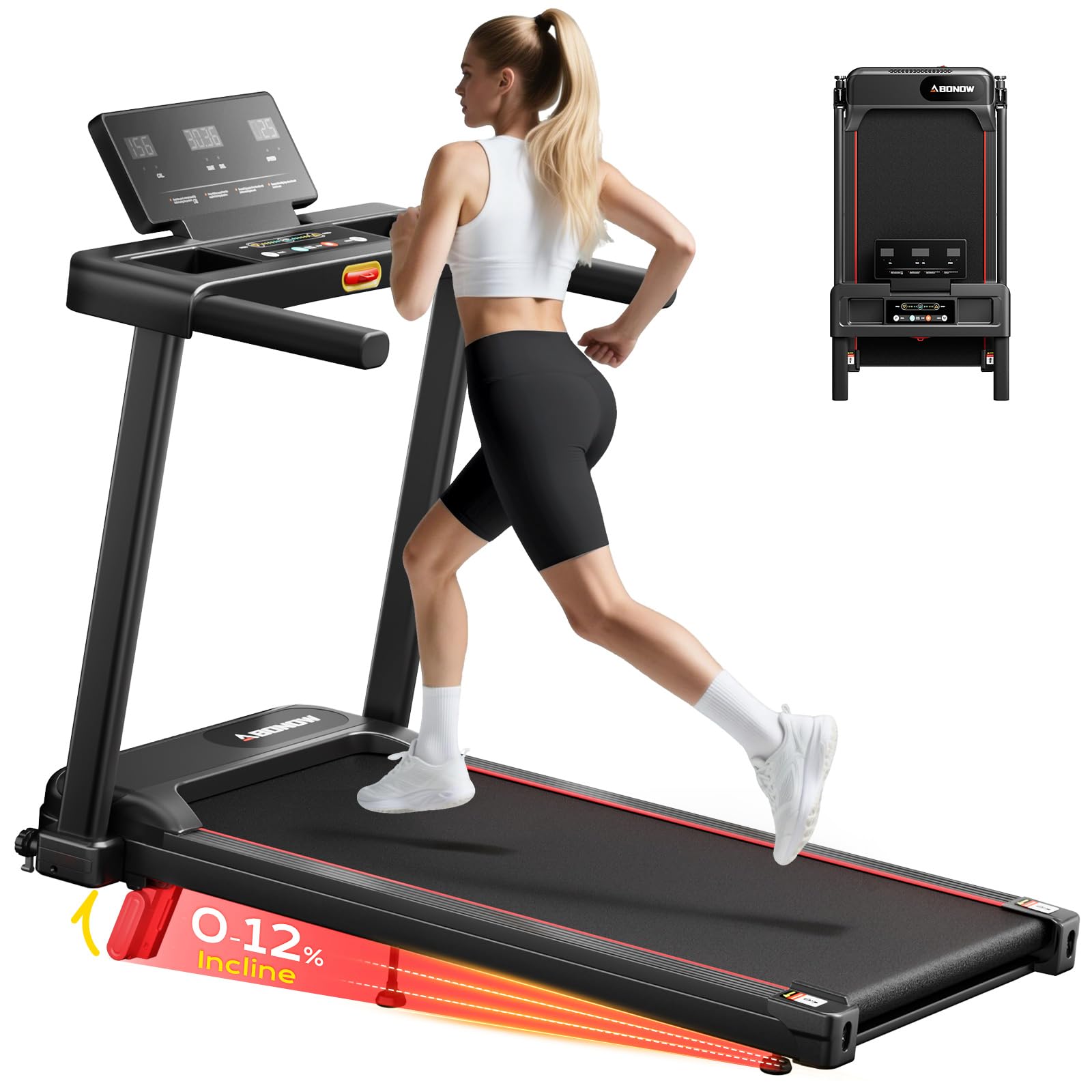
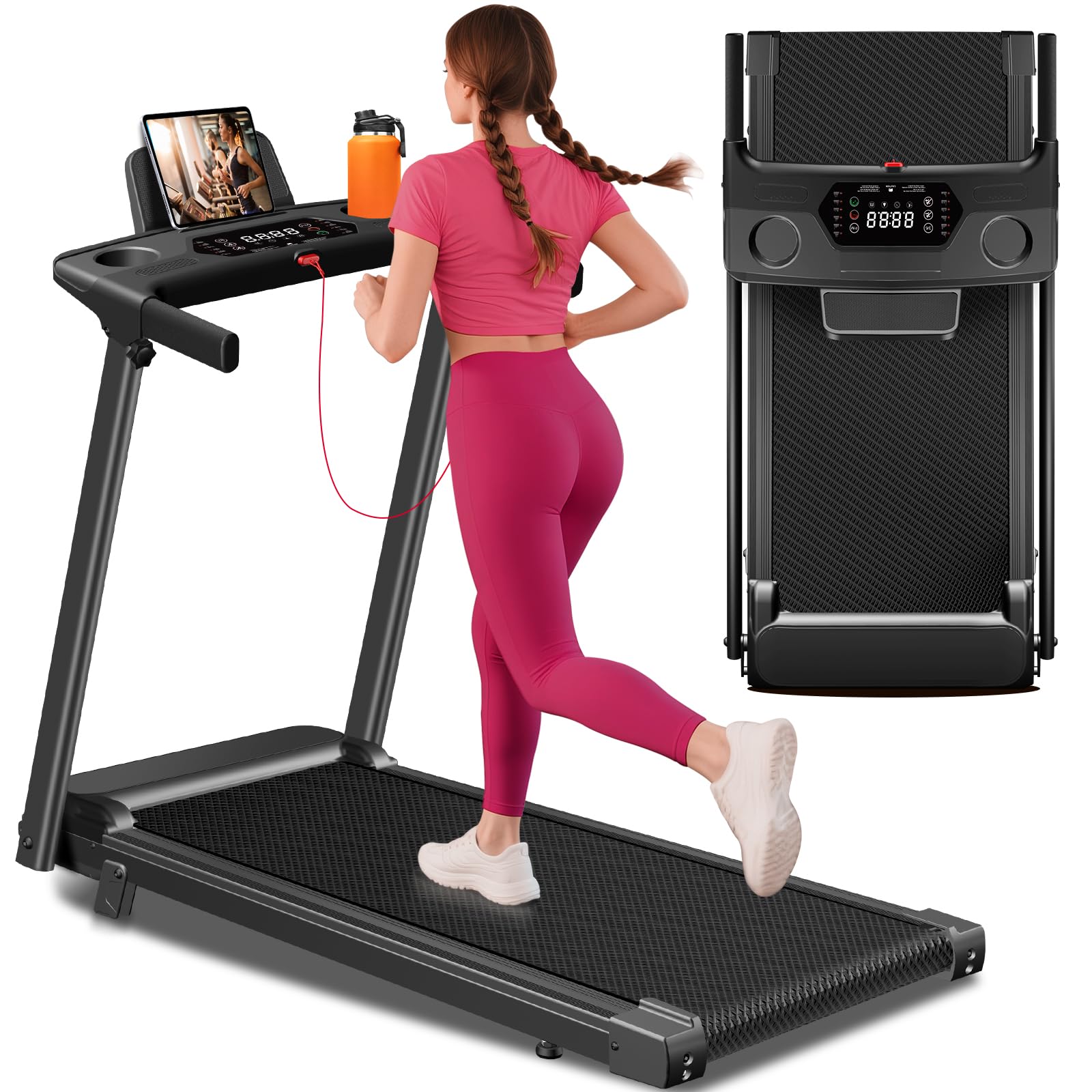


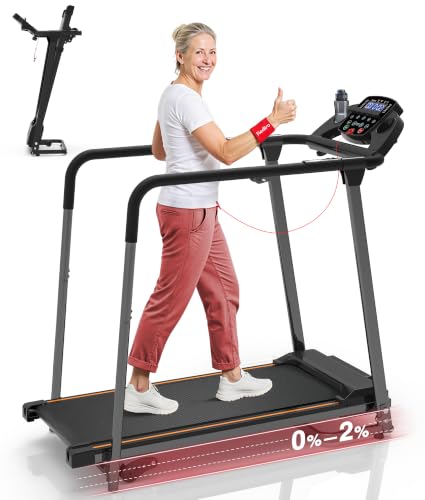
A Checklist for Evaluating Compact Treadmills
Use the six checks in this section in order. Size comes first, because a treadmill that blocks a door or cannot unfold safely in your room fails no matter how strong its motor is. Belt room, frame strength, and noise come next, since those decide whether you will keep using it.
Features That Matter for Small Spaces
Prioritize a deck that folds, transport wheels that roll without dragging, and a console that does not force you to stand far from a wall. Bluetooth can be useful for saving workouts to an app on your phone, but it should never replace clear manual speed and incline controls on the machine itself. Look for a safety key, side rails you can step onto, and controls you can reach while walking.
Measuring for Size and Portability
Measure the floor area for use, not just for storage, and leave about six feet of clear space behind the belt and about two feet on each side when room allows. Note the folded depth and height too, since a foldable deck still needs a wall or closet area that can hold it upright. Weight matters if you will move it often, and lighter models usually trade some stability for that ease. If folding is your main storage plan, see our guide to the best folding treadmills for small spaces for folding specific checks.
Space, Footprint, and Ceiling Height
Ceiling height is the measurement many buyers skip. Add your height to the deck height, then allow extra room for the rise of your stride and for incline, and compare that total with the lowest point of your ceiling, including lights and beams. Mark the full footprint on the floor with tape and walk inside it for a day before ordering.
Build Quality and Weight Capacity
A steel frame, a firm deck, and a motor rated for continuous use matter more than a long list of preset programs. Check the stated weight capacity and stay comfortably below it, since running near the limit adds strain, noise, and belt wear over time. Commercial grade models show what durable construction looks like, with thicker frames and stronger motors, but they are rarely compact. For a small room, choose the sturdiest frame that still fits, and treat very light frames with caution if you plan fast walking or jogging.
Noise Level for Apartments
Noise travels in two ways in an apartment, through the air as motor and belt sound and through the floor as vibration from each foot strike. A smooth belt, a deck with some cushioning, and a thick mat under the machine all help, and walking is far easier on neighbors than running. Place the treadmill on the most solid part of the floor, away from a shared wall when you can.
Speed, Incline, and Workout Range
Listings sometimes borrow language about resistance levels from other equipment, but on a treadmill your progression comes from speed and incline. A top speed of about six miles per hour covers brisk walking, while jogging and running need higher speeds and a longer belt. Even a modest incline range adds real challenge without extra floor space, which makes it valuable in a small room.
Buying Guidance by Use
The product table above gives you models to compare, and when you shop for best compact treadmills for small spaces, your planned use should decide the class you buy. Walkers, joggers, and heavy daily users need different belts, motors, and frames, and paying for the wrong class wastes either money or space. Use the three groups below to narrow the table to the right type, then apply the checklist again to the finalists you find there.
Walking Only Models for Daily Steps
If your goal is steps during calls or television time, a shorter and narrower belt can work well and store in far less room. Belt length still has to suit your stride length, so taller walkers should be careful with the shortest decks. For a broader look at home focused options, see our guide to the best small treadmills for home and compare how they store.
Jogging and Running Models Need More Room
Running changes the space equation, because your stride lengthens and each landing needs more belt behind you. Look for a belt around 20 inches wide and at least 50 inches long, a stronger motor, and a frame that stays planted at speed. Those needs push the footprint up, so a runner in a studio apartment may have to accept a folding full size deck instead of a truly compact one. If no treadmill belt fits your stride and room, see our guide to the best compact rowing machine for small spaces as a lower impact alternative.
Tight Budgets and Heavy Daily Use
On a tight budget, spend on the motor, belt, and frame first and skip large screens and paid content bundles. If several people will use the machine or sessions will run long each day, move up a class rather than running a light model at its limit. Shoppers comparing value across sizes can also see our guide to the best affordable treadmills for small spaces for budget focused tradeoffs. A longer warranty on the motor and frame often signals where a maker expects the machine to last.
Quick Buyer Checklist
Answer each question honestly before you order. A single no on size, ceiling, or capacity should send you back to the product table above rather than into a hopeful purchase.
- Did you tape the full in use footprint on your floor and confirm doors and drawers still open?
- Does your ceiling clear your height plus the deck height plus room for incline and stride?
- Is your weight comfortably below the stated weight capacity, with your running shoes on?
- Is the belt long enough for your full stride at your fastest planned pace?
- Can you store the treadmill folded or moved aside without lifting it alone?
- Do you have a mat, a nearby outlet, and clear space behind the belt for safety?
- Will your workout hours and noise level fit your building and household?
- Can you return the machine affordably if the fit feels wrong in the first week?
Red Flags to Watch For
Weak listings share a pattern, with bold claims up front and the numbers that matter buried or missing. Slow down when you meet any of these signs, and compare the model against the checklist in this guide.
- The listing gives folded size only and hides the full footprint, belt size, or deck height you need to judge fit.
- The motor is described with a peak power figure but no clear rating for steady continuous use.
- The weight capacity sounds high for a very light frame, which can mean flex and noise in daily use.
- The warranty is very short on the frame or motor, or return shipping falls entirely on you.
- Reviews praise the size but repeat complaints about belt slipping, shaking, or a console that fails early.
Setup and Care Tips
Set the treadmill on a flat, solid floor and place a dense mat under it to protect the surface and soften vibration. Keep the area behind the belt clear, plug into a suitable outlet without a loose extension lead, and check that the belt runs centered before your first full session. Follow the maker guide for belt tension and alignment, and tighten accessible bolts about once a month during regular use.
Wipe sweat from the console and rails after each workout, since moisture works into buttons and metal over time. Vacuum dust from around the motor cover area as the manual allows, and add belt lubricant only when the maker calls for it and only with the type named in that manual. Unplug the machine before any cleaning under the belt. Stop and check any new scraping, burning smell, or repeated power cut right away rather than finishing the session.
Frequently Asked Questions
What features matter most in a compact treadmill for a small space?
The features that matter most are a belt that fits your stride, a frame that stays steady, and a folded size you can truly store. After those basics, look at how fast you can change speed with one press, since small consoles sometimes bury simple controls inside menus. A deck that lowers slowly and locks with a clear click also matters in tight rooms, where a falling deck can strike furniture or a wall.
How long does a compact treadmill for a small space last?
A compact treadmill lasts longest when it is used within its weight and speed limits and kept clean, aligned, and lubricated as directed. Light walking models used for an hour a day face a very different load from a shared machine used for running. One useful new check is the parts list, since belts, decks, and motor covers that the maker still sells make repairs practical years later instead of forcing a full replacement.
How much space does a compact treadmill need in a small room?
A compact treadmill needs its full running footprint plus clear safety space, and the safest way to judge that space is the tape marking check on your own floor. Storage claims can mislead here, because a machine that slides under a bed still needs a full open area each time you use it. Measure closet and under bed clearance by the tallest fixed part of the folded unit, often the console or rail, not the thinnest part of the deck.
Is a compact treadmill quiet enough for apartment use?
A compact treadmill can be quiet enough for apartment use when you walk at moderate speeds on a mat over a solid floor. Your building matters as much as the machine, since older wood floors carry foot strike sound to the unit below even when the motor itself is soft. A practical step is to tell your neighbors your usual workout window in advance, which turns a surprise noise complaint into a simple schedule conversation.
Is a subscription required to use a compact treadmill?
No, a subscription is not required to walk or run on most compact treadmills, and basic manual mode should work without one. Paid plans usually add coached classes, scenery, or tracking features rather than the core workout. Before buying a model built around a screen, confirm in writing which speed, incline, and preset functions stay available if you cancel, since that answer varies by brand and is hard to change after purchase.
Which compact treadmill type is better for beginners in a small space?
A simple walking or light jogging model with clear controls and a firm rail is usually better for beginners than a feature heavy screen model. New users benefit from a gentle start speed, large stop button, and a safety key they can clip on without thinking. If balance feels uncertain, choose a model with full length side rails rather than a bare walking pad, and stop and talk with your clinician if dizziness or joint pain shows up during use.
Final Thoughts
Measure first, then judge belt room, frame strength, and noise, in that order. Those three checks will remove most poor fits before price or programs can distract you. Use the product table above one last time with your room numbers beside it, and choose the best compact treadmills for small spaces option that passes every check without forcing you to rearrange your whole room around a single workout.


