
Best Compact Treadmills for Home: A First Time Buyer's Guide for 2026
Disclosure: We may earn a commission when you buy through links on this page, at no extra cost to you. As an Amazon Associate I earn from qualifying purchases. Learn more

A first time buyer guide to compact treadmills for home: room size, folding, belt and motor classes, noise, apps and the mistakes to avoid before you order.
Buying your first treadmill is mostly a space decision wearing a fitness costume. The best compact treadmills for home are the ones that fit your room, your floor and your routine, and this guide explains the terms in plain English before you compare anything. One point belongs at the front: a treadmill is exercise equipment, not a medical device, and no machine in this guide makes any health or weight promise.
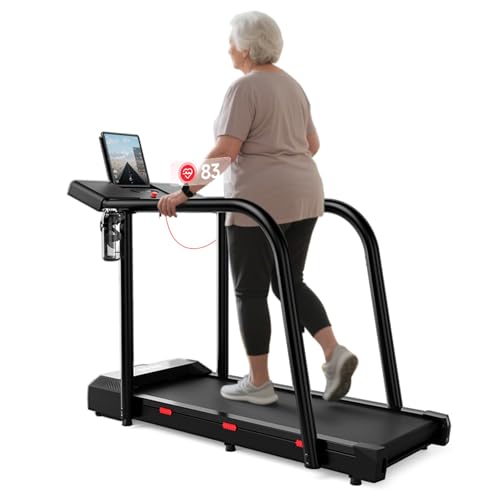
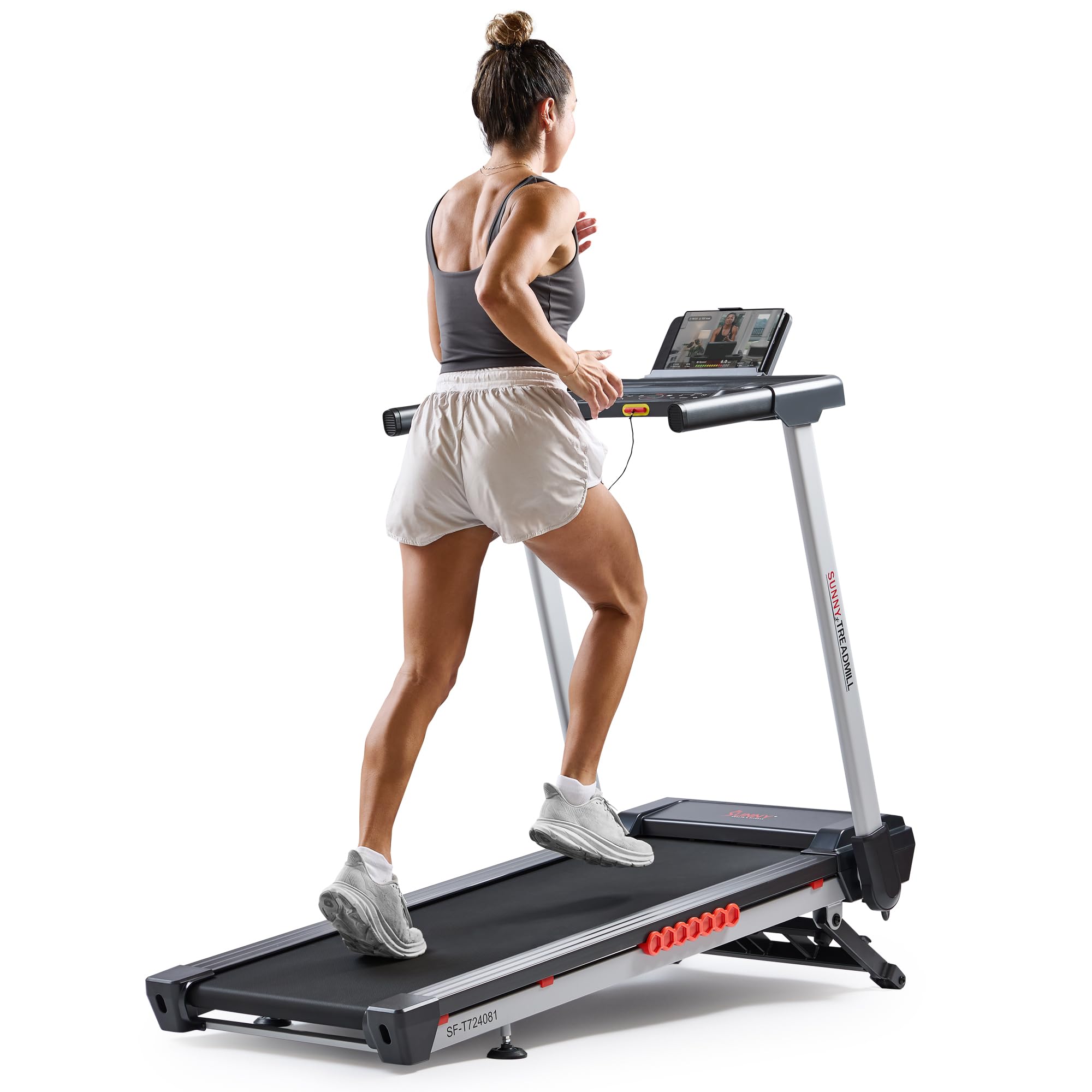
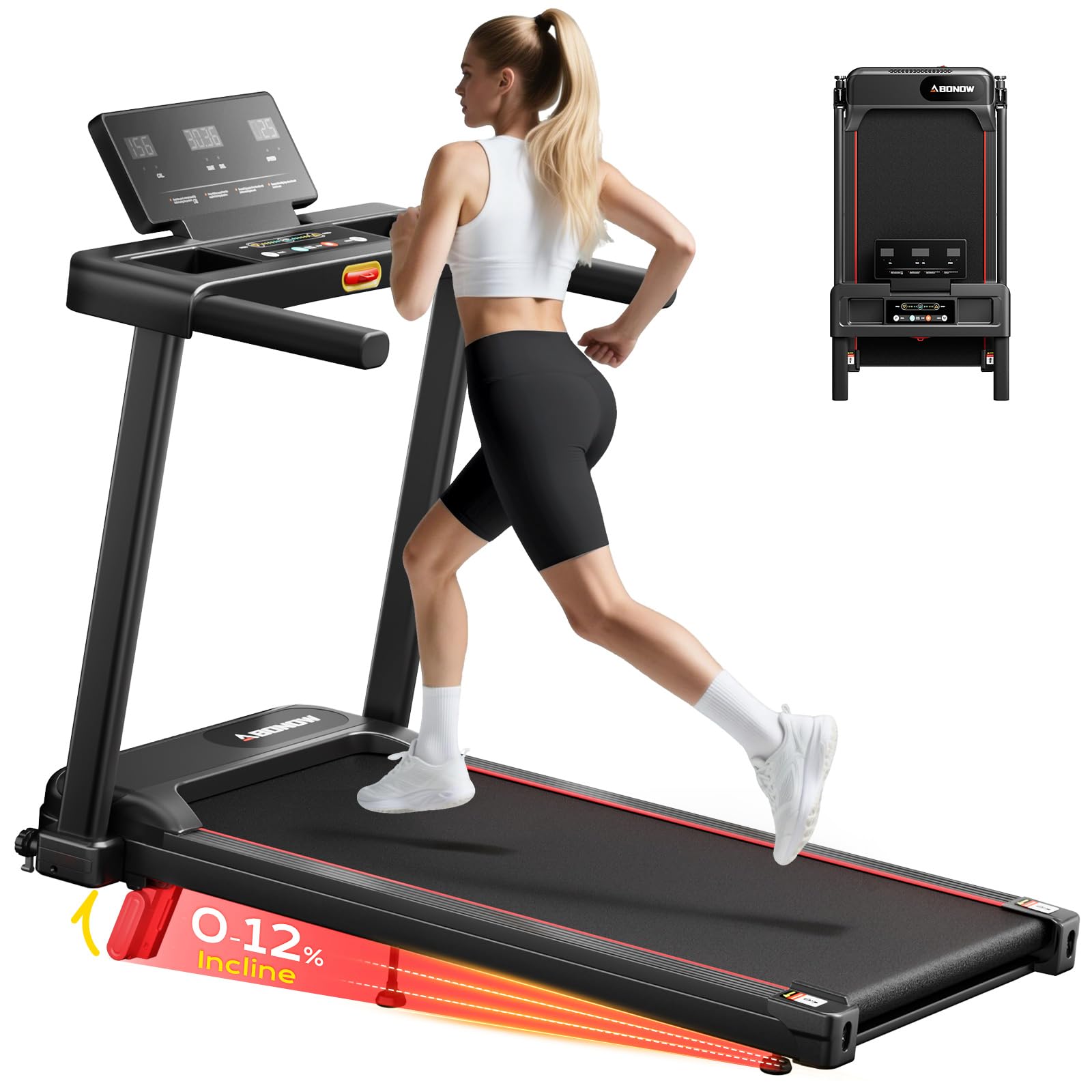
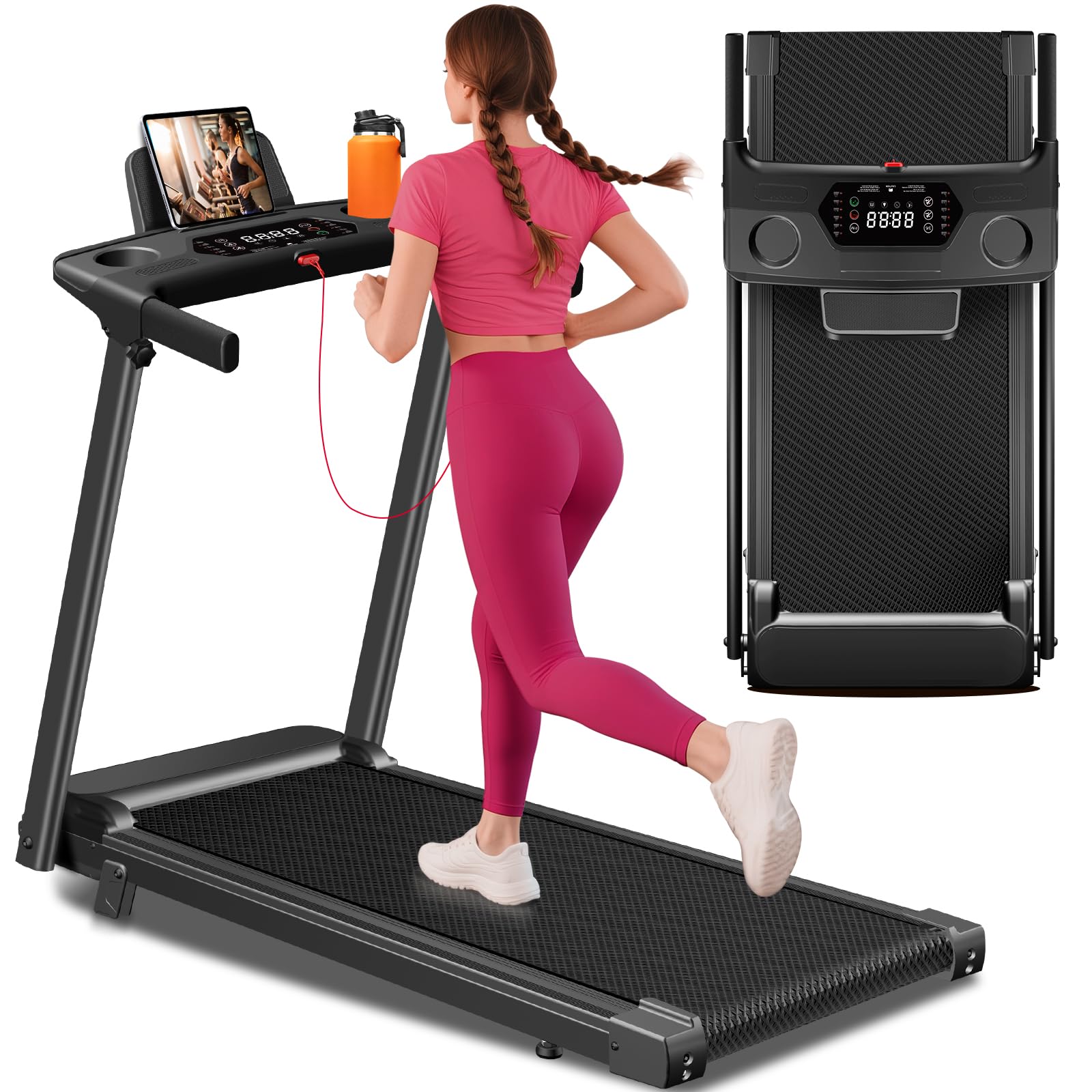
The comparison table below shows the main compact classes side by side. Read the health and room sections first, because they can rule out whole classes before price enters the picture. After that, the spec sections will tell you what the numbers on a listing actually mean for daily use.




Read This First: Health Checks Before You Buy
Talk with a clinician before you start using a treadmill if you have a heart condition, joint problems, balance difficulties, or if you are pregnant or returning after an injury. That conversation is part of the purchase, not an afterthought, and it may change which class suits you. A clinician can also say plainly whether walking, running or neither is the right starting point for you.
Learn the stop signals before your first session. Stop and get off if you feel pain, dizziness or chest discomfort, and treat chest discomfort as a reason to seek medical advice promptly. Start slower and shorter than you think you need, keep the safety key clipped to your clothing, and never let children play on or near the machine. A compact frame is still a powered belt, and it deserves the same respect as a full size one.
The Room Box: Space, Folding and Floors
Measure for the running size, because that is the size you live with. The footprint in use is the length of the deck plus clear space behind it, and a safe setup leaves roughly two meters of open floor behind the belt in case you stumble. The folded figure on a listing is only the storage size. Running size and storage size are different purchases, so judge a model on both numbers, not on the smaller one alone.
Floors are the second half of the room decision. A running machine shakes the floor it stands on, and a compact frame with a light deck shakes it more, not less. A ground floor or a solid slab takes this easily, while an upstairs wooden floor passes the thump to the room below. A dense mat under the machine is part of the purchase: it spreads the load, protects the floor finish and cuts some of the noise for a modest cost.
Ceiling height completes the check. Add your height to the deck height and the bounce of your stride, then compare it with the room. Low basement ceilings rule out running for tall users even when the floor plan fits. Measure the room before you fall for a listing, because returning a treadmill is a heavy, awkward job.
Compact Treadmills 101: The Basics
A compact treadmill is a walking or running machine built to store in a small home: the deck folds up, folds flat, or the whole frame is slim enough to slide against a wall. The trade is built in. A shorter, narrower deck, a smaller motor and a lighter frame are what make it compact, and each of those limits speed, stride or stability in some way.
Storage style splits the class further. Fold up models lift the deck toward the console and stand in a corner, fold flat models drop low enough to slide under a bed, and slim fixed frames simply stay where they stand. Each style changes the daily friction of using the machine, because a treadmill that takes five minutes to set up gets used less. Pick the style that matches where the machine will honestly live between sessions.
The wider family of best treadmills for home includes full size machines with none of those limits, so compare compact models against each other, not against gym equipment. If running is your main plan, the guide to the best treadmills running home sorts home machines by running use rather than by size. Within the compact class, the honest questions are how you will move, how fast, and where the machine sleeps.
Key Specs Explained in Plain English
Belt Size Decides Walking Versus Running
The belt is where compact models differ most. A walking belt can be shorter and narrower, because a walking stride is shorter and slower. Running needs length for the stride and width for the drift in your line as you tire. If the belt feels like a tightrope in the shop, it will feel worse at home, so when in doubt choose the longer belt and accept the larger folded size.
Motor Figures, Read Carefully
Motor ratings are quoted in more than one way, and the biggest number on the box is rarely the working figure. What matters is steady output for your body weight and your session length, not a peak figure reached for a second. Walking places a light load on a motor, while running at speed with a heavier user is the hard case. A model that runs hot or slows under you is undersized, whatever the badge says.
Weight Capacity Is a Working Limit
The listed capacity is a maximum, not a comfort target. A machine used near its limit every day wears faster, flexes more and runs louder than the same machine used well inside it. Leave a margin between your weight and the rating, and remember that running loads the frame harder than standing weight suggests. The margin is cheap insurance for the motor, the belt and the deck.
Walkers and Runners Need Different Machines
If your plan is walking while you work or watch, the class of best home treadmills for walking shows what a walking first machine looks like: lower top speed, a deck built for long slow sessions, and often a slimmer frame. Running asks for more belt, more motor and more frame, and a walking class machine will not grow into it. Be honest about the plan, because buying for a fantasy routine is the most common first purchase error.
Console, Programs and App Subscriptions
A simple console that shows speed, time and distance is enough for most home users. Connected models add guided sessions and tracking through an app, and some of that content sits behind a monthly subscription. Check what still works if you never pay: the machine should walk and run fully without the app. Treat the subscription as a running cost of the purchase and add it to the price you compare.
Price Classes and What They Leave Out
Compact treadmills run from about $250 to $600 at the simple end and about $600 to $1,200 for stronger frames and motors. The roundup of best affordable treadmills for home covers the budget end of the class in more depth. Lower prices usually mean a shorter belt, a lower capacity and manual or basic folding. None of that is fatal for a walker, and all of it matters for a runner.
Rookie Mistakes to Avoid
- Measuring only the folded size, then finding the running footprint swallows the room.
- Buying a walking class belt for a running plan, because the price looked friendly.
- Ignoring the floor, then discovering the whole house can hear every stride.
- Forgetting the space behind the deck, which is your safety zone if you stumble.
- Paying for a connected console without checking what the subscription costs each month.
- Skipping the mat to save money, then paying in floor marks and neighbour complaints.
Getting Started: Setup and First Use
Place the machine on the mat first, level it, and check that it does not rock before anyone steps on. Read the manual section on belt alignment and lubrication before the first session, not after the belt starts to wander. Keep the power cord clear of the belt path and plug into a socket that is not shared with heavy appliances.
For the first week, keep sessions short and easy while you learn the controls and the feel of the deck. Learn where the stop button is without looking, and practise stepping off at walking speed. Wipe the belt and deck edges after sessions, since dust under the belt is a slow source of wear. The product table above can help you compare the classes named here once your room measurements are done.
Compact Treadmills for Home: Questions Answered
Will a compact treadmill fit through a standard doorway?
Most compact models arrive partly assembled in a flat box, and the box is usually the widest part of the journey. Measure the box width on the listing against your narrowest door and any turn in a hallway or stair corner. A machine that fits the room but not the route to the room is a return waiting to happen. Delivery crews often carry to the door only, so plan who helps with the indoor part.
Is a subscription required to use a compact treadmill?
No, a treadmill should walk and run in full without any subscription. Paid apps add guided workouts, scenery and tracking, and some brands gate part of that content behind a monthly fee. The check that matters is what the console does on its own: manual speed and incline control should never sit behind a paywall. If a listing hides that answer, treat it as a mark against the model.
How long does a compact treadmill last?
Service life depends on load and care more than on the calendar. A walking machine used inside its capacity, kept clean and lubricated on schedule, should serve for years of daily use. Running near the weight limit on a light frame shortens that life quickly. Belts and decks are wear parts, so a model with available spare parts and a clear manual is a safer buy than one with neither.
Can a compact treadmill be used for walking only?
Yes, and walking is the use compact models serve best. A walking pace is quiet, gentle on the frame and easy on the floor, so a slim machine handles it well for long sessions. The honest limit appears when pace rises: short belts and small motors are not built for sustained running. If your plan might grow into running, buy the stronger class now rather than replacing the machine within a year.
Where should a compact treadmill go in an apartment?
Choose the spot with the most solid floor and the fewest neighbours below or beside it. A ground floor room, a corner over a load bearing wall, or a space above a garage all transmit less thump than a middle room upstairs. Keep the rear safety zone clear of furniture and doors that open into it. A mat helps, but placement does more for peace in the building than any accessory.
Wrapping Up
Measure the room, respect the health check, and match the belt to the way you will actually move. Do that, and the best compact treadmills for home stop being a spec contest and become a short list of machines that fit your life. Compare your finalists with the product table above, budget for the mat, and buy for your real routine rather than an imagined one.


