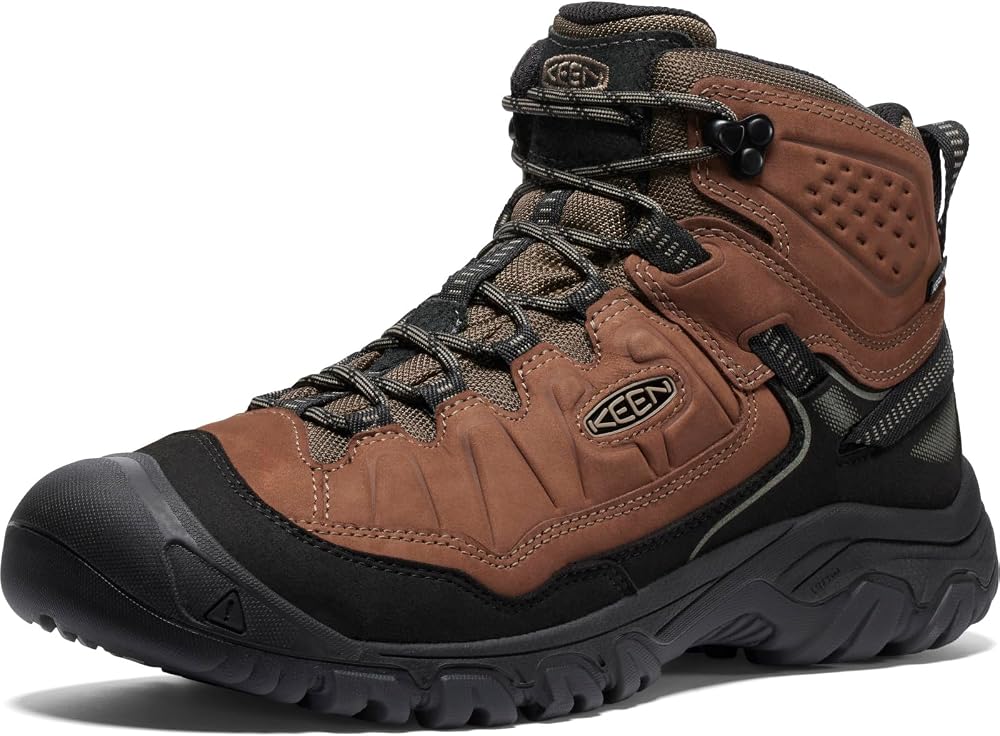
Best Affordable Treadmills for Small Spaces in 2026: Every Type Explained Side by Side
Disclosure: We may earn a commission when you buy through links on this page, at no extra cost to you. As an Amazon Associate I earn from qualifying purchases. Learn more

Tight on space? Compare affordable treadmills by folded size, belt length, noise and price to find one that fits your room and your routine.
A small room changes every treadmill decision. A deck that looks modest in photos can block a doorway once open and crowd out the desk or sofa you use daily. The best affordable treadmills for small spaces solve the storage problem first, then deliver a belt, motor and frame that match how you move. Use the comparison table below to match each type to your room.
This guide compares treadmill types side by side instead of ranking single products. You will see what compact designs give up, why commercial grade models rarely suit a tight budget or a tight room, and which measurements prevent a costly return.
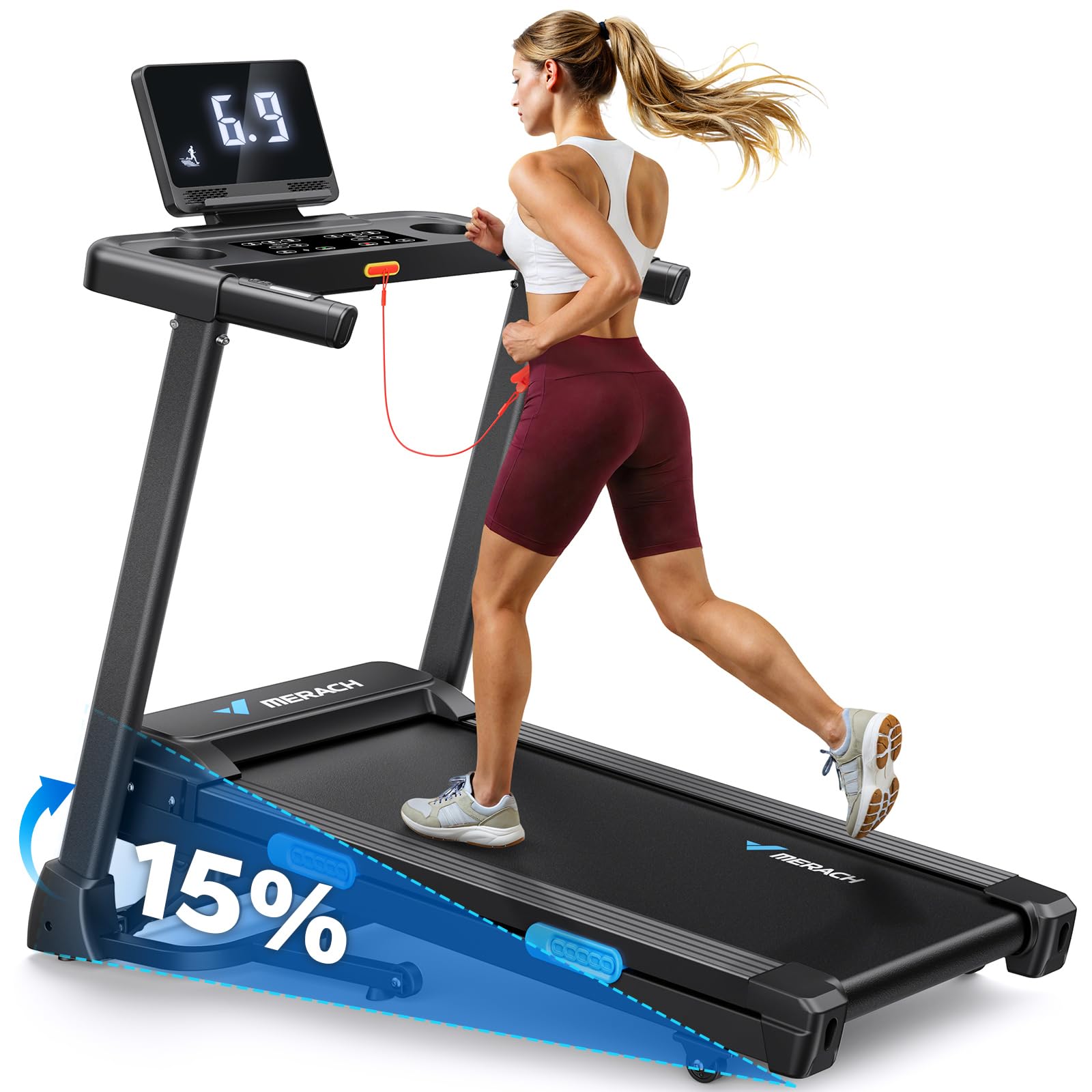
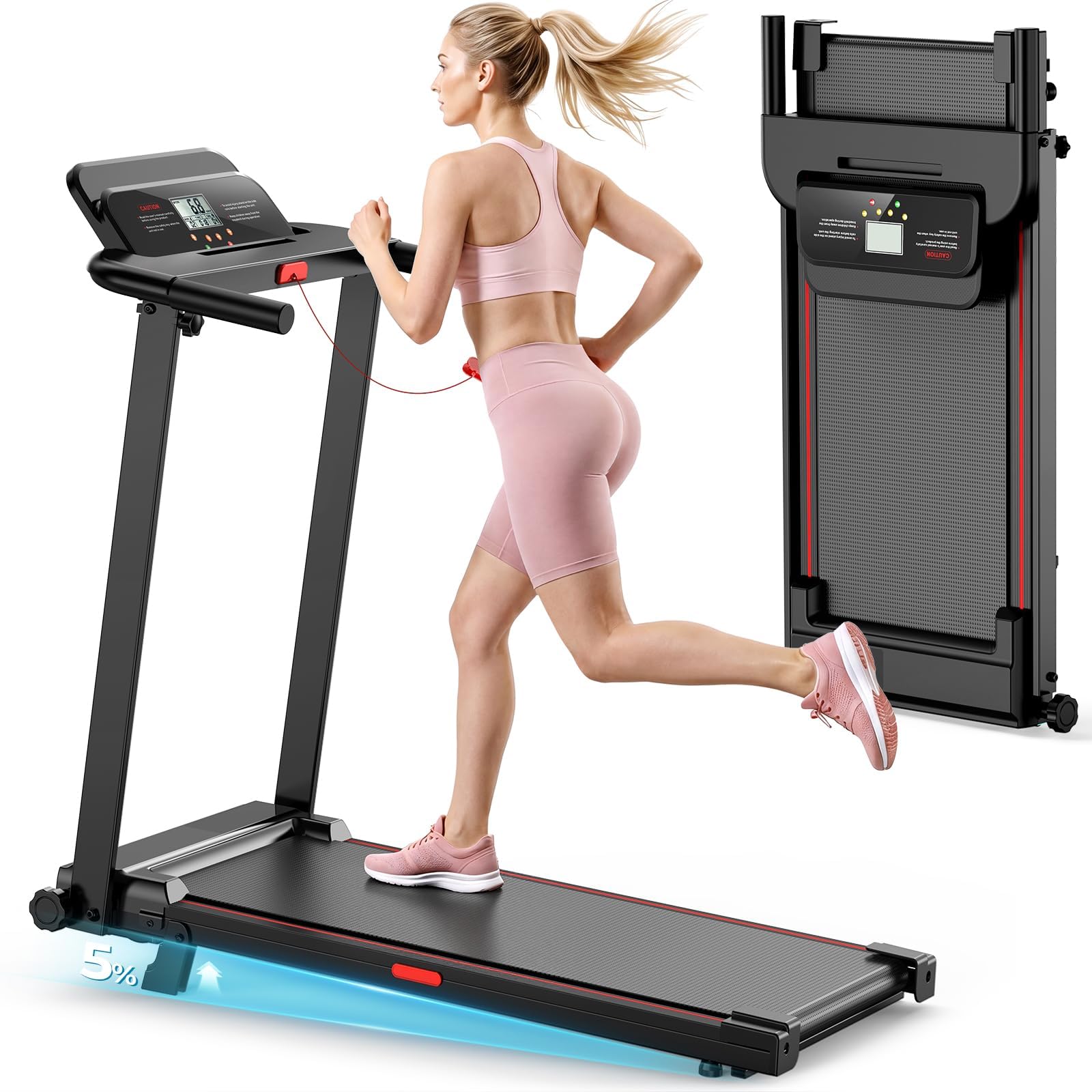
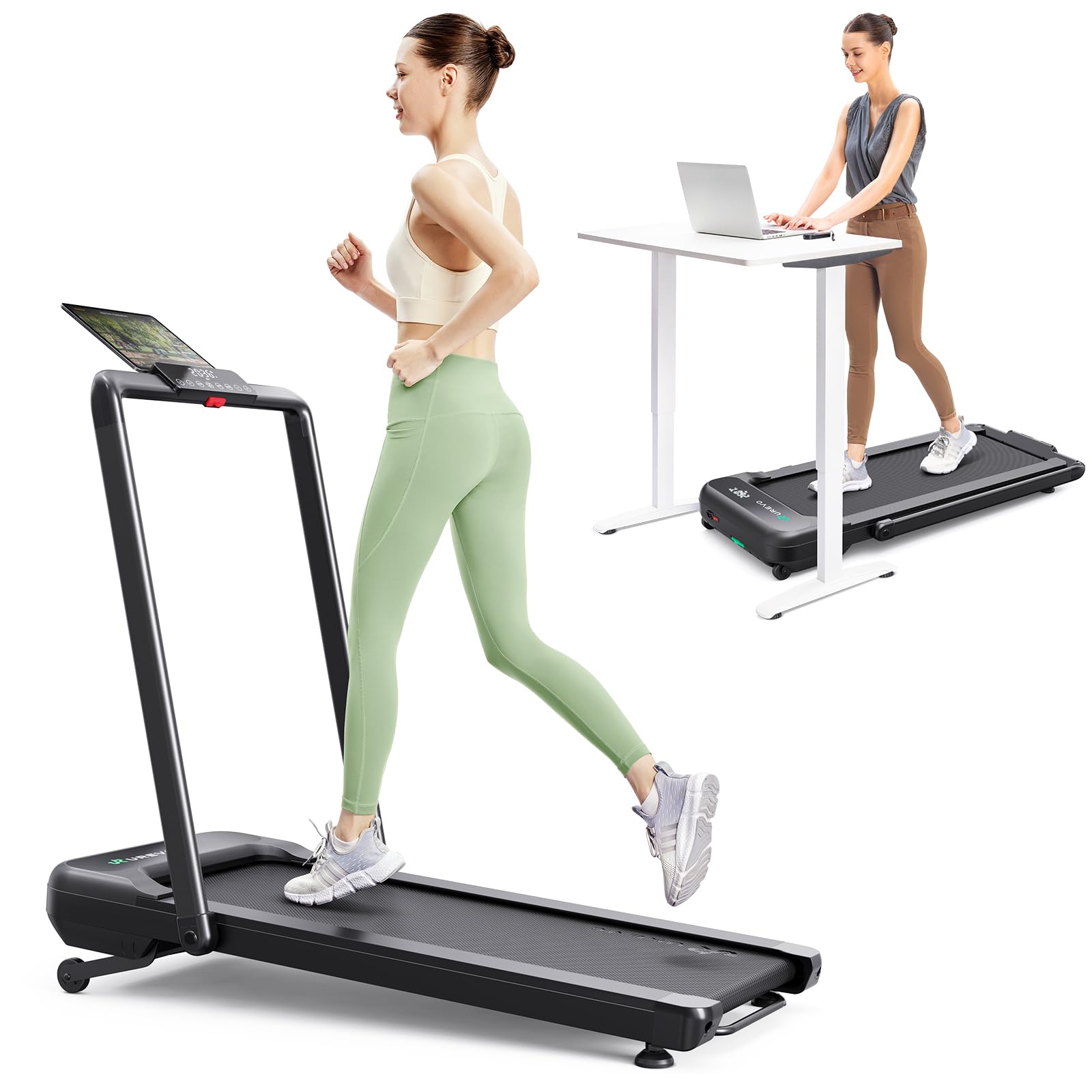
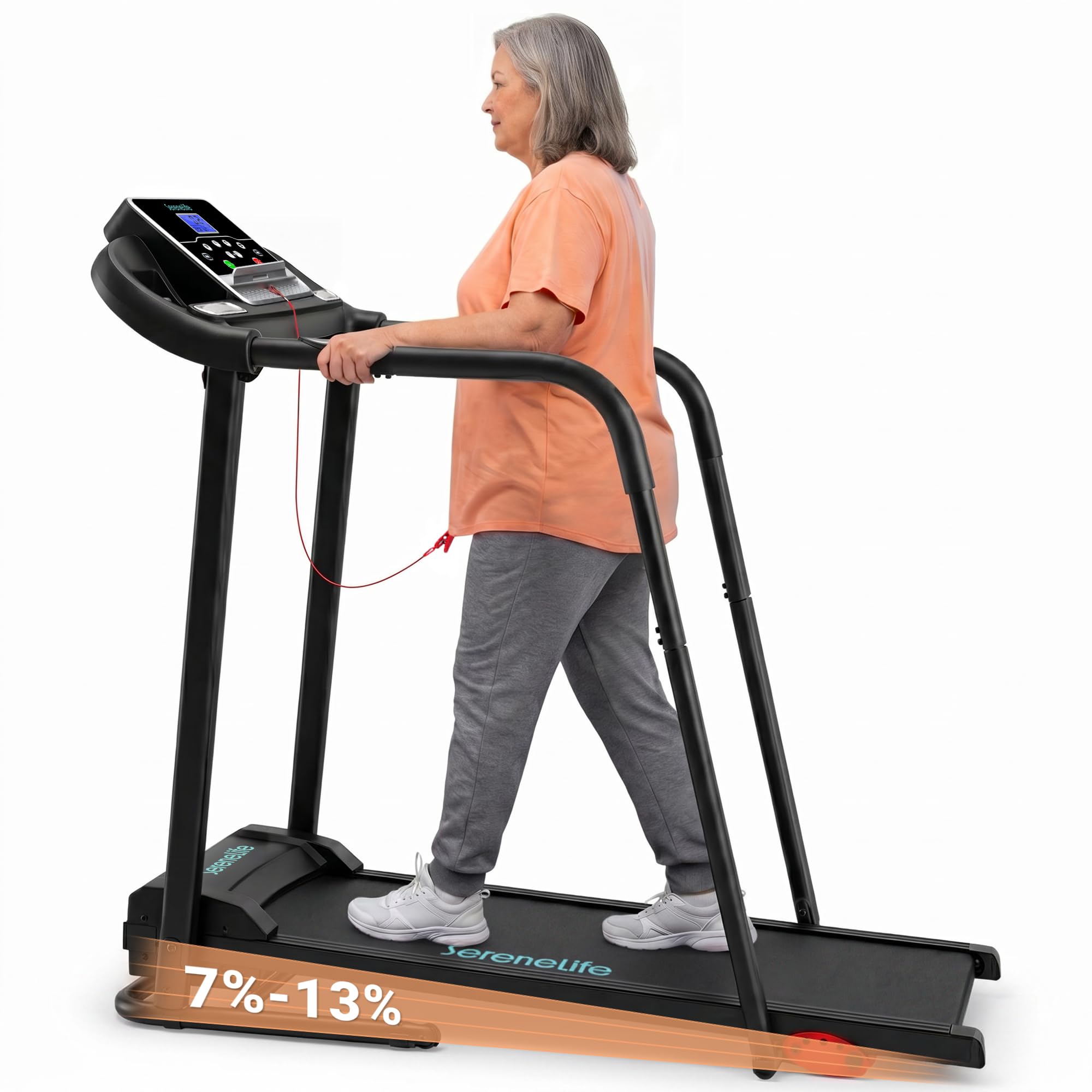
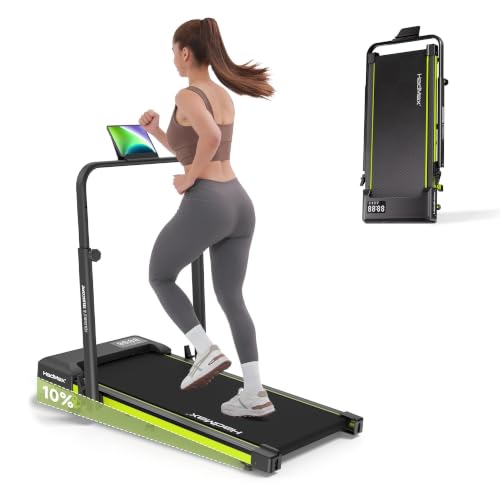

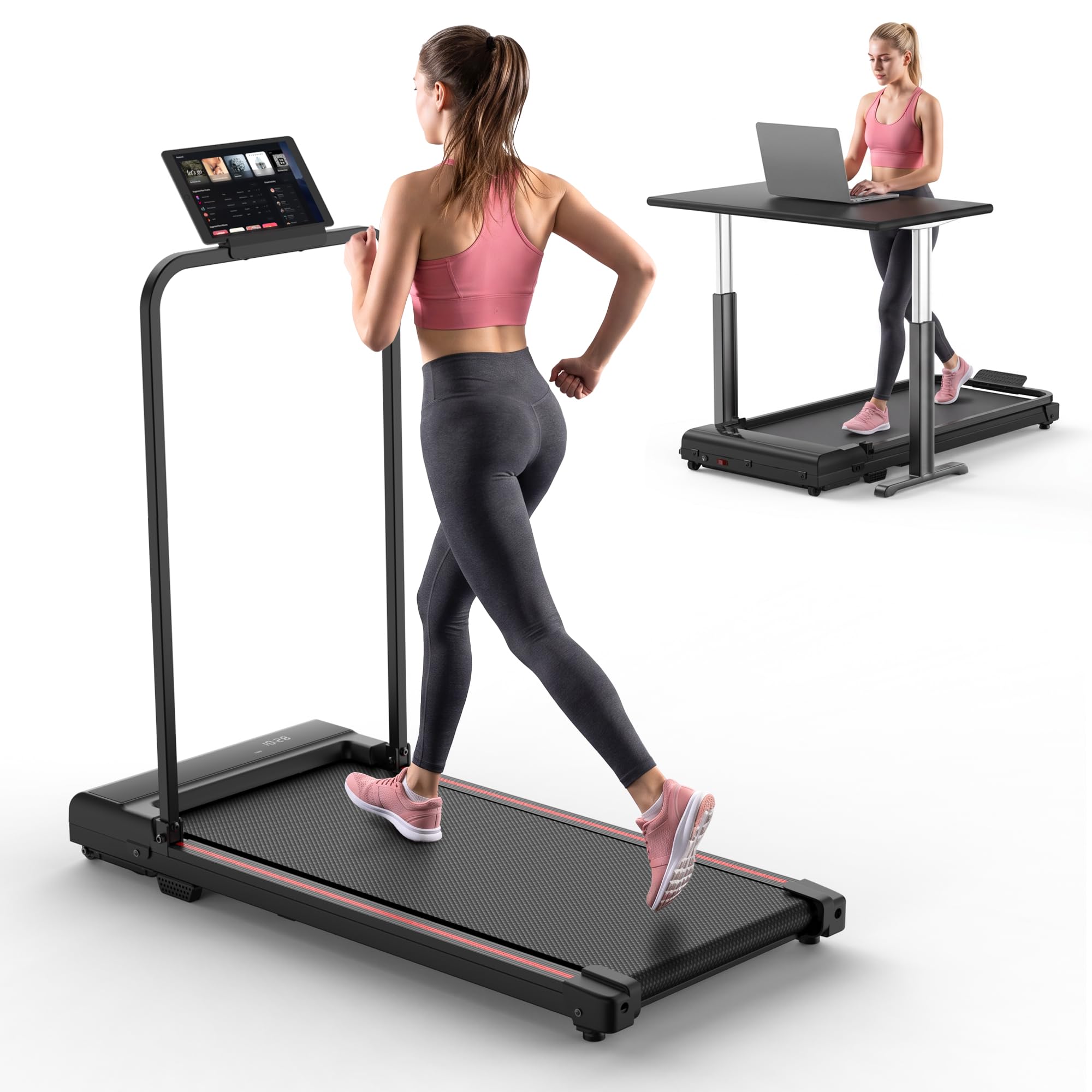
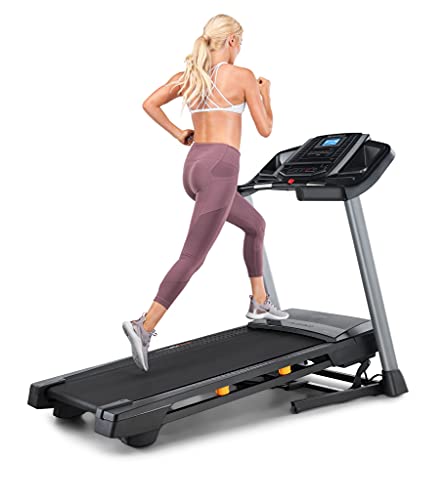

Types of Affordable Treadmills for Small Spaces Compared
Four broad types dominate the low price end of the market, and each one trades size, power and comfort in a different way.
Compact and Foldable Models
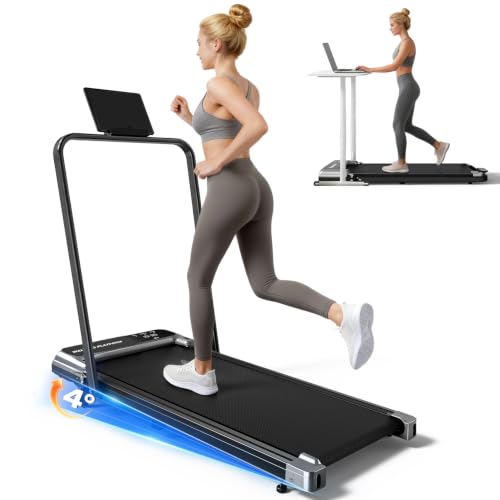
These treadmills fold the deck up toward the console or fold flat so the unit slides under a bed or stands in a closet. Slim walking pads belong to this group and suit steady walking at low speeds, and transport wheels let one person move the machine alone. The trade is a shorter belt and a smaller motor, so this type fits walkers and light joggers best. For hinges and locks, see our guide to the best folding treadmills for small spaces.
Commercial Grade Models
Commercial grade models use large motors, long decks and heavy frames built for many users each day in a gym. That build sounds appealing, but the open footprint often runs about 10 to 20 inches longer than a compact model, and the unit can weigh twice as much. Treat this type as a durability reference rather than a realistic pick for a small room.
Smart Connected Models
Smart connected models add Bluetooth, app based workouts and a screen or tablet holder to a compact or standard frame. The connection can keep routines varied, and some models track speed, distance and calories in a phone app. Screens add cost, so a smart model at a low price may cut money from the motor or belt instead. Choose this type if guided sessions keep you consistent.
Budget Starter Models
Budget starter models keep the price down with simple consoles and fewer programs. Some are manual treadmills that move when you walk and use magnetic resistance with a few resistance levels instead of a motor. Others are basic motorized models with modest top speeds and a shorter belt. This type suits short daily walks, as long as you accept slower speeds.
Compact and Foldable Models Versus Commercial Grade Models: Which Should You Choose?
Compare the two ends of the market on five points. For footprint, foldable models win because they shrink for storage, while commercial models stay at full size. For belt room, commercial decks give tall runners more space to stride. For motor duty, commercial motors handle long fast sessions, while compact motors suit walking and short jogs.
Price settles most cases. A commercial model can cost several times more, and that gap buys durability a single home user rarely needs.
How to Choose the Right Treadmill for a Small Space
When you shop the best affordable treadmills for small spaces, start with measurements, then check fit for your body, then weigh features.
Space, Footprint, and Ceiling Height
Measure the floor area where the treadmill will run, then measure the spot where it will rest between sessions. Note the open footprint, the folded size and the clearance behind the deck, where you need open floor in case you step off quickly. Ceiling height matters too, because the deck raises you several inches, so check our guide to the best compact treadmills for small spaces shows more ways to judge folded size.
Stride Length, Range of Motion, and Ergonomics
Stride length links directly to belt length. Walkers often do well on a belt about 40 to 45 inches long, while joggers and taller users usually need about 48 to 52 inches so the back foot never feels close to the edge. Belt width of about 16 to 20 inches gives room for natural sway, and handles should let you hold on without hunching.
Features That Matter for Small Spaces
Small rooms reward features that reduce friction every day. A deck that folds with one latch, wheels that roll on your floor type and a motor that stays quiet at walking speed matter more than a long program list. Incline adds variety without extra floor space, as our guide to the best affordable treadmills with incline explains. A low deck height also helps in rooms with low ceilings.
Build Quality and Weight Capacity
A steel frame gives a small treadmill the stiffness it needs to feel stable at speed. Check the stated weight capacity and keep a margin above your own weight, because makers rate the frame for the full load during motion, not at rest. Capacity of about 220 to 265 pounds covers many adults on budget models, while ratings near 300 pounds signal a sturdier build.
What $300 to $700 Buys in a Folding Treadmill
At about $300 to $700, expect a folding deck, a motor suited to walking and light jogging, a basic console and a belt sized for moderate strides. Makers usually cut screen size, incline range and top speed first. Do not let them cut frame strength or weight capacity, because those decide safety and service life.
Choosing a Treadmill for Your Situation
Your room, your schedule and your neighbors narrow the choice faster than any spec sheet.
Best Home Treadmills for Small Spaces
At home, the best home treadmills for small spaces share three traits: they store where your household already has a gap, they run quietly during shared hours and they set up in minutes. A foldable model suits most homes, and our guide to the best small treadmills for home covers placement in more detail.
Renters in Studios Who Must Store the Treadmill Daily
If you rent a studio, the treadmill competes with every other object you own. Choose a light foldable model you can lift and roll alone, with no permanent fixings. A flat folding pad under a sofa or bed keeps the floor clear for guests and protects your deposit.
Home Office Workers Who Walk While Working
Walking while you work calls for a low, steady speed range rather than top end pace. Look for a slim pad style model with a remote control, a low deck you can step onto from your chair and a display you can read at a glance. Stable speed control matters most here.
Common Mistakes to Avoid
- Measuring only the open footprint leaves no storage spot, so the treadmill blocks a doorway or closet.
- Buying a belt that is too short for your stride forces choppy steps and raises the chance of catching the back edge.
- Ignoring ceiling height means taller users must duck once the deck and incline raise them up.
- Choosing by screen size alone often means a weaker motor and frame hide behind the display.
- Skipping the weight capacity margin leads to wobble and faster belt wear at speed.
- Placing the deck tight against a wall removes the safe step off space you need if you lose balance.
How to Make Your Treadmill Last Longer
Place a mat under the treadmill to protect floors and reduce noise that travels to the room below. Wipe the belt, deck edges and console after each workout, because sweat and dust work into moving parts over time. Keep the motor cover area clear so air can flow.
Tighten bolts monthly, since vibration slowly loosens frame and console mounts. Check belt alignment when the belt drifts or slips, and add belt lubricant only as often as the manual states. Stop using the machine and seek service if you smell burning, hear grinding or see a cracked deck.
Frequently Asked Questions
What features matter most in affordable treadmills for small spaces?
Folded size, belt length and motor noise matter most in affordable treadmills for small spaces. Start with folded size, because a model you cannot store will dominate the room. One point buyers often miss is cord length, since a short cord can force the deck into a worse spot.
How long does an affordable treadmill for a small space last?
An affordable treadmill for a small space often lasts about three to five years with regular home use and basic care. Walking only use tends to extend that span, while daily jogging shortens it. Watch for a belt that slips after correct tension checks, because that warning appears before a full breakdown.
Is an affordable treadmill for a small space quiet enough for an apartment?
Yes, most affordable treadmills for small spaces are quiet enough for an apartment at walking speeds. Foot strike noise usually carries further than motor sound, so softer steps and a mat help more than a bigger motor would. Also agree on walking hours with anyone below you.
How much space does an affordable treadmill for a small space need?
An affordable treadmill for a small space needs its open footprint plus clear floor behind the deck and a little room at each side. Plan for the full open length, not the folded length, when you check the running spot. Also measure your doorway, because a boxed unit that cannot enter the room creates a problem before setup begins.
Is a subscription required for a smart treadmill in a small space?
No, a subscription is not required to walk or jog on most smart treadmills in small spaces. Paid plans usually unlock guided classes and extra libraries, while manual mode, basic programs and core stats stay free. Before you buy, confirm that speed control works without an account, because a few models limit basic screens until you register.
Our Verdict
Start with the room, not the spec sheet. Folded size, belt length for your stride and a weight capacity with a real margin decide whether a budget treadmill earns its floor space. Use the product table above to check those three points first.
If storage is your tightest limit, a compact foldable model fits most homes. Chosen with care, the best affordable treadmills for small spaces turn a spare corner into a daily walking habit without taking over the room.